

Building a world where we work to live, not live to work. Website: https://nitter.cf/t.co/2ZwBw7UCRb | Instagram: 4dayweekfoundation
- Tweets13.7K
- Following1.3K
- Followers28.8K
- Likes21.8K








ALT Xtend the weekend by Brendan and Sam


ALT Castlet logo, 4 day week employer badge


ALT Estonian students at the top in Europe. + 1st in science + 2nd in reading + 1 in mathematics

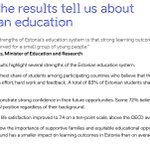
ALT What the results tell us about Estonian education "One of the strengths of Estonia's education system is that strong learning outcomes are not a privilege reserved for a small group of young people." Kristina Kallas, Minister of Education and Research The PISA 2025 results highlight several strengths of the Estonian education system. Estonia has the highest share of students among participating countries who believe that their abilities can be developed through effort, hard work and feedback. A total of 83% of Estonian students share this growth mindset. Students also demonstrate strong confidence in their future opportunities. Some 72% believe that they can improve their social position regardless of their background. Students' reported life satisfaction improved to 7.4 on a ten-point scale, above the OECD average of 7.2.


ALT Commuters cross London Bridge during morning rush hour, with City of London skyscrapers visible in the background. Text on image reads: ‘Quiet quitting’ is real and may be hitting UK productivity, analysis claims (Credit: Toby Melville/Reuters)

ALT Guardian headline: UK job satisfaction at record low amid rising frustration over pay and flexible working. Resolution Foundation study finds workers are less willing to go 'above and beyond for employers than a decade ago'


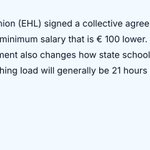
ALT Vote Yes/Yes on pay, jobs and conditions Ballot 20 October - 1 December

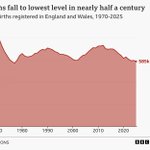
ALT Birth levels in 2025 fell to lowest levels in nearly half a century

ALT Birth rates in the UK have been falling steadily since 2010. There were 585,000 live births in 2025, a fall of 10,000 on the year before and the lowest overall figure since 1977. The estimated number of children born per woman fell to just under 1.4 for England and Wales in 2025, down from 1.9 in 2010. Women are also having their first child later than ever before, at an average age of 29.6 years old. That is about two years older than in 2010 when the most recent decline in fertility rates started.

ALT Healthy life expectancy has fallen for both sexes

ALT The proportion of adults in England who formally volunteer at least once a year has fallen from 45% in 2013/14 to 28% in 2024/25, according to the government's Community Life Survey. Monthly formal volunteering has dropped from 27% to 17% over the same period. Charities across the country report growing difficulty recruiting and retaining volunteers, and the Centre for Ageing Better estimates that 110 million hours of volunteering by older people have been lost annually since the pandemic.

ALT 6.30 to 7.30, November 25th


