

Just Capital exists to ensure business success and capitalism move forward together.
New York, NY
Joined September 2015
- Tweets8.5K
- Following690
- Followers5.9K
- Likes7.2K



Just Capital retweeted

Thank you to our #F500Innovation Strategic Partner @apcoworldwide and our Institutional Partner @USChamber.
And to our Impact Partners:
➡️ @FordFoundation
➡️ @JustCapital
➡️ @Newlab
➡️ @PointsofLight


"You cannot cite your way out of a symbol. For many people, the data center symbolizes an #AI economy running on their electricity bill. Among opponents in JUST’s poll, 34 percent cite rising utility costs and 22 percent cite environmental impact. They are not imagining it. A Bloomberg analysis found wholesale power prices near some data centers up as much as 267 percent in five years. Cornell researchers estimate operators pay for roughly 38 percent of the infrastructure costs their growth creates. The rest lands on the rate base. The public is co-financing the buildout, and it has figured that out."
worth.com/america-doesnt-hat…

73
In our 2026 Americans’ Views on Business survey, three in four Americans believe the nation’s best days of #innovation are happening now or are still to come. Yet only half say our current form of #capitalism gives people like them a fair shot at getting ahead financially. The percentage of people who believe they will be financially worse off this time next year is at its highest since 1960.
𝗜𝗻 𝗼𝘁𝗵𝗲𝗿 𝘄𝗼𝗿𝗱𝘀, 𝗔𝗺𝗲𝗿𝗶𝗰𝗮𝗻𝘀 𝗯𝗲𝗹𝗶𝗲𝘃𝗲 𝘁𝗵𝗮𝘁—𝗶𝗻 𝘁𝗵𝗲 𝗮𝗴𝗲 𝗼𝗳 𝗔𝗜 𝗮𝗻𝗱 𝗿𝗲𝗹𝗮𝘁𝗲𝗱 𝗶𝗻𝗻𝗼𝘃𝗮𝘁𝗶𝗼𝗻—𝗼𝘂𝗿 𝗲𝗰𝗼𝗻𝗼𝗺𝗶𝗰 𝘀𝘆𝘀𝘁𝗲𝗺 𝗶𝘀 𝘄𝗼𝗿𝗸𝗶𝗻𝗴 𝗳𝗼𝗿 𝘀𝗼𝗺𝗲𝗼𝗻𝗲 𝗲𝗹𝘀𝗲, 𝗻𝗼𝘁 𝘁𝗵𝗲𝗺.
Bridging this divide is the defining leadership challenge of our time. And as the recent midterm elections showed, when people feel strongly enough about something they are apt to seek change.
Americans haven’t given up on business as a driver of solutions—78% say large companies have a role to play in solving important societal issues. The key is to show Americans they have a place in the AI-powered economy. 𝗢𝘂𝗿 𝗮𝘀𝘀𝗲𝘀𝘀𝗺𝗲𝗻𝘁 𝗼𝗳 𝘁𝗵𝗲 𝟱𝟬𝟬 𝗹𝗮𝗿𝗴𝗲𝘀𝘁 𝗔𝗺𝗲𝗿𝗶𝗰𝗮𝗻 𝗲𝗺𝗽𝗹𝗼𝘆𝗲𝗿𝘀 𝘀𝗵𝗼𝘄𝘀 𝘁𝗵𝗮𝘁 𝘀𝗼 𝗳𝗮𝗿 𝗮𝗽𝗽𝗿𝗼𝘅𝗶𝗺𝗮𝘁𝗲𝗹𝘆 𝟭𝟴𝟬 𝗰𝗼𝗺𝗽𝗮𝗻𝗶𝗲𝘀 𝗵𝗮𝘃𝗲 𝗽𝘂𝗯𝗹𝗶𝗰𝗹𝘆 𝗿𝗲𝗽𝗼𝗿𝘁𝗲𝗱 𝗔𝗜-𝗿𝗲𝗹𝗮𝘁𝗲𝗱 𝗮𝗰𝘁𝗶𝗼𝗻𝘀 𝗮𝗳𝗳𝗲𝗰𝘁𝗶𝗻𝗴 𝘁𝗵𝗲𝗶𝗿 𝗼𝘄𝗻 𝗲𝗺𝗽𝗹𝗼𝘆𝗲𝗲𝘀 𝗼𝗿 𝘁𝗵𝗲 𝗯𝗿𝗼𝗮𝗱𝗲𝗿 𝘄𝗼𝗿𝗸𝗳𝗼𝗿𝗰𝗲 𝘀𝗶𝗻𝗰𝗲 𝗗𝗲𝗰𝗲𝗺𝗯𝗲𝗿 𝟮𝟬𝟮𝟱. 161 of those companies announced actions that specifically aim to support their workers and the American workforce at large.
These first movers can offer lessons for leaders in every industry: redefine roles rather than eliminate them, open pathways into skilled trades, and equip the next generation of innovators.
Our CEO @MWhittaker_ takes a deeper look at those leaders: fortune.com/2026/11/17/ameri…

54
Since 2015, Just Capital has asked more than 225,000 Americans what they expect from business, and where companies need to focus to better serve their workers, customers, communities, shareholders, and the environment.
The 2026 Americans’ Views on Business survey reveals:
𝟭. 𝗘𝗰𝗼𝗻𝗼𝗺𝗶𝗰 𝗮𝗻𝘅𝗶𝗲𝘁𝗶𝗲𝘀 𝗮𝗿𝗲 𝗰𝗼𝗺𝗽𝗼𝘂𝗻𝗱𝗶𝗻𝗴 𝗱𝗲𝗲𝗽𝗲𝗿 𝗰𝗼𝗻𝗰𝗲𝗿𝗻𝘀 𝗮𝗯𝗼𝘂𝘁 𝗰𝗮𝗽𝗶𝘁𝗮𝗹𝗶𝘀𝗺.
Half of Americans (50%) are more worried about affording basics like rent 💴, groceries🥘, and utilities🔌 than they were a year ago; only 20% are less worried. Only about half (49%) say capitalism gives people like them a fair shot at getting ahead financially. This perception is sharpest for #GenX and middle-income households.
𝟮. 𝗬𝗲𝘁 𝗺𝗼𝘀𝘁 𝘀𝘁𝗶𝗹𝗹 𝗯𝗲𝗹𝗶𝗲𝘃𝗲 𝗶𝗻 𝘁𝗵𝗲 𝗽𝗼𝘄𝗲𝗿 𝗼𝗳 𝗯𝘂𝘀𝗶𝗻𝗲𝘀𝘀 𝘁𝗼 𝗰𝗿𝗲𝗮𝘁𝗲 𝗮 𝗯𝗲𝘁𝘁𝗲𝗿 𝘀𝘆𝘀𝘁𝗲𝗺.
Through a #pandemic, rising #inflation, and a backlash against corporate activism, roughly eight in 10 Americans have consistently said business can be a force for positive change (82% in 2026). That belief holds true regardless of whether Americans think capitalism is currently working.
𝟯. 𝗔𝗺𝗲𝗿𝗶𝗰𝗮𝗻𝘀 𝗳𝗲𝗲𝗹 𝘁𝗵𝗲 𝗰𝗼𝘂𝗻𝘁𝗿𝘆 𝗶𝘀 𝗶𝗻 𝗮 𝗴𝗼𝗹𝗱𝗲𝗻 𝗮𝗴𝗲 𝗼𝗳 𝗶𝗻𝗻𝗼𝘃𝗮𝘁𝗶𝗼𝗻.
3/4 say America’s most innovative years are happening now (37%) or still lie ahead (38%). Nearly half (46%) want companies to focus #innovation mostly or entirely on solving practical, everyday problems; only 13% want them to prioritize pushing the boundaries of what’s possible.
𝟰. 𝗧𝗵𝗲 𝗽𝘂𝗯𝗹𝗶𝗰 𝘄𝗮𝗻𝘁𝘀 𝗹𝗲𝗮𝗱𝗲𝗿𝘀 𝘁𝗼 𝘀𝗽𝗲𝗮𝗸 𝘂𝗽 𝗮𝗻𝗱 𝗳𝗼𝗹𝗹𝗼𝘄 𝘁𝗵𝗿𝗼𝘂𝗴𝗵.
41% of Americans say CEOs should take a stand on any issue, and 41% believe the same but only on issues related to their business (41%).‼️But 81% say companies too often hide behind public declarations without action.‼️
More than anything, Americans want business to focus on pocketbook problems: manage #healthcare costs, raise #wages to keep up with the rising #costofliving, and more.
justcapital.com/news/america…

1
89
#Layoff announcements rarely draw applause. @Canva’s restructuring stood out last week, not only for its scale but also for its treatment of departing employees.
The #restructuring affects about 22% of its workforce. Departing employees will receive at least six months of salary, continued #healthcare, career coaching, resume and interview help, and a year of LinkedIn Premium. Canva is also waiving the one-year vesting cliff for those who joined within the past 12 months, and offering $10,000 grants to anyone who wants to start a company or project of their own.
That package lines up with what Americans have told us they want if they find themselves in a downsizing situation. More in our latest: linkedin.com/pulse/what-woul…

110
More than eight in ten Americans (82%) agree that the government should strengthen consumer protections against #AI-generated #disinformation. 75% of investors and 71% of corporate leaders agree. This is one of the only policies all three groups agree on.
1
78
One potential reason why #AI struggled at the ballot box?
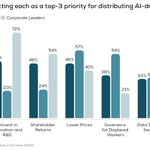
63% of the American public and 67% of institutional investors and analysts believe AI-driven profit gains should be reinvested in #workers.
But corporate leaders instead prioritize reinvesting in R&D (72%) and delivering returns to #shareholders (54%).

65
In September, @Verizon announced a $70 million commitment to a new #AI Skills for America initiative, which combines the existing $20 million reskilling fund for departing workers with $50 million in new funding.
The goal is to help provide access to high-quality AI skills training for communities that would otherwise face significant barriers to obtaining the type of guidance and support needed to successfully navigate our rapidly evolving economy.
The program is built to give job seekers, early-career professionals, displaced workers, educators, and small businesses free access to AI training that can otherwise cost more than $700 per person per year.
By teaming up with enterprises like @IBM, @Google, @Anthropic, @Microsoft, @Coursera, and @OpenAI, as well as community organizations like Goodwill, LISC, and the National Association for Community College Entrepreneurship, Verizon is ensuring the highest quality resources are reaching the highest need communities.
Listen to how the program came about, and learn more about Verizon's efforts in our full interview: linkedin.com/pulse/70-millio…
110
On #ElectionDay, how do Americans across political parties feel about #AI's potential affect on the future?
Our research shows #Democrats were near split between expecting a positive (40%) and negative effect (38%). #Republicans were more likely to expect a positive effect (51%) over negative (29%), as were #Independents (43% vs 30%).
Explore more of this data in our latest edition of the National AI Monitor: justcapital.com/national_ai_…

68
In our August #AI survey, #GenZ revealed:
✅ 47% worried that AI would make it harder to land an entry-level job in their field.
✅Nearly one in four (24%) are starting or considering starting their own business because of concerns about AI, and 36% would use time freed up by AI to build a side hustle.
Take a deeper look at what GenZ is thinking: justcapital.com/news/36-of-r…

86
The filing this week of #Anthropic’s S-1 ahead of its much-anticipated fall listing teased us with a question we could not resist: how might the company fare in our measurements of corporate stakeholder performance? One might assume that as a public benefit corporation it would do well across the spectrum of criteria we cover. Although the results are highly preliminary, the picture that’s emerging is far from simple.
The positives are clear. A workforce of mostly highly paid engineers, 22 weeks of paid parental leave, a generous 401(k) match, a new employee stock purchase plan, and education assistance would place it near the top on pay and benefits. The company creates good jobs – headcount rose from about 2,300 in December 2025 to more than 5,300 by September 2026 – and has no history of widespread layoffs. It also discloses on many of the key #AI governance practices we know matter to the public: a commitment against mass surveillance, human oversight of its models, and board-level oversight of AI. Only 14% of the 1,002 largest US companies disclose a human-oversight policy, and just 10% address harm, deception or manipulation.
Oh, and philanthropically it could become one of the most generous companies in American history, with 5% of equity pledged to a public benefit fund (worth $75bn-100bn on projected valuations), and founders pledging 80% of their wealth.
However, the elephant in the room is obvious. A company chartered “for the long-term benefit of humanity” states in more than 90 pages of disclosed risks that its own product “could, if not developed, deployed, and operated with appropriate safeguards, oversight, and security measures, pose catastrophic or existential risks to humanity.”
In recent years we’ve seen companies pull back from overtly involving themselves in social issues. In the age of AI, business and society will become more intertwined than ever. Frontier labs could be the most just companies ever, helping cure diseases, unlock entrepreneurship, solve the climate crisis and uplift the human condition. Or they could undermine – through labor market disruptions, cyber security risks, or worse – the very security and social stability on which healthy markets and democracy depend. Of the pieces I’ve read recently on the subject, Jordi Visser’s latest substack (The Price of Abundance) captures it perfectly; “The great paradox of AI is that economic productivity could accelerate dramatically while the traditional pathways through which individuals achieve prosperity become less reliable.”
Business as usual is over. The traditional measures of corporate impact on society need an upgrade. Government, business and civil society leaders need to work together to find solutions. We are up for the challenge.
117
Young people are not feeling fully equipped to participate in the economy of the future.
✅ 49% of students and recent grads said school did not prepare them to use #AI, including 18% who say it was never addressed.
✅ 47% of recent grads are concerned that AI will reduce their ability to get an entry-level job in the field
More in our latest #GenZ polling: justcapital.com/news/gen-z-a…
61
"AI can help level the playing field, giving #smallbusinesses the access to some of the capabilities that were only available to large enterprises. We think #AI can help businesses of any size participate, compete, and grow." - Greg Ulrich, Chief AI & Data Officer, @Mastercard
Learn how Mastercard is creating AI tools to help small businesses here: lnkd.in/efkdVK-c
40
Americans are clear about what they want from #AI. Our latest polling shows they prioritize safety over speed, prevention of harm and deception (especially for vulnerable populations), protecting privacy and personal data, and keeping humans in charge. They also hold deployers of AI just as accountable as the developers.
Business is starting to respond.
This week the Alliance for Critical Infrastructure, a CEO-led coalition, added new members to prepare for AI-powered attacks on banking, technology, energy, telecommunications, and transportation. Citigroup‘s Jane Fraser told Axios that capturing AI’s upside means accepting “the responsibility that comes with it.”
Banks are also fighting AI deception where it hurts most: in people’s accounts. Today the American Bankers Association relaunched its #BanksNeverAskThat and #PracticeSafeChecks campaigns. Banks across the country can use the new videos and materials to help customers spot scams. As the ABA’s Paul Benda told the Senate this summer, generative AI “is not replacing traditional scams. It is industrializing them.”
On innovation, Vertex Pharmaceuticals is using AI to speed up its research and development, and is hiring business talent with quantitative training. Zoom has committed $10 million over three years to AI education and opportunity, with $5 million going to K-12 AI literacy through partners including Code.org.
But commitments like these are still rare. In our corporate disclosure analysis, only 9% of Russell 1000 companies report investing in community AI initiatives. Only 10% disclose a policy that explicitly addresses harm, deception, or manipulation, which is the public’s top priority.
justcapital.com/news/the-pub…

96
"Skepticism is welcome. The more employees get used to the technology and use it, they see the benefit for themselves as well." - Edgar Romney, Chief Strategy and Administration Officer at @AmalgamatedBank, speaking on how the company is helping its employees become more comfortable with #AI tools.
Watch the full interview here: linkedin.com/pulse/century-o…
1
119
This week, @Idealab founder @real_bill_gross launched Idealab.ai, a free platform that makes more than 1.2 million AI-generated business ideas searchable, with tools to test and build them. His aim is to help create a million new businesses and 100 million jobs, offsetting those #AI may displace.
It’s great timing for those just starting out. In our August survey of 1,007 Americans aged 18 to 25, 47% worried that AI would make it harder to land an entry-level job in their field. Nearly one in four (24%) are starting or considering starting their own business because of concerns about AI, and 36% would use time freed up by AI to build a side hustle.
It may also produce better businesses. Our own @MWhittaker_ explains how: linkedin.com/pulse/36-recent…

80
Important to remember that the general public holds #AI developers and enterprise deployers as nearly equally responsible for data security breaches:


SCOOP: Major U.S. banks are detecting unauthorized third-party AI agents inside customer accounts, including some attempting to take actions that appear to be independent of user instructions, sources told Axios.
The findings have alarmed banking executives, who are racing to restrict access to their systems as AI moves at a velocity faster than financial institutions can respond, multiple industry and bank executives told Axios.
Several banks are now preparing for worst-case and even “day after” scenarios, including how to rapidly secure or restore customer accounts if things go wrong, the people said.
Several bank executives told Axios they're struggling to distinguish between human users and AI agents. One executive said banks also struggle to determine whether agents are authorized by customers or potentially operating without their permission, more akin to rogue agent behavior.
Read my latest for Axios here: axios.com/2026/10/22/ai-agen…

64
Our research shows that more than 3/4 of frequent #AI users are likely to support a pause in development to address safety issues (78%). justcapital.com/news/the-jus…


A majority of U.S. adults said AI is a bad thing for society, with about one-third saying it is “extremely” or “very” bad.
Roughly two thirds of Americans overall say the government is not doing enough to regulate the growth and development of AI. wapo.st/47ssKtw

ALT Cartoon depicting a person at a computer with numerous error message boxes stacking up on the screen. The messages repeatedly ask, "Do you want to stop?" with "Yes" and "Accelerate" options. Above, text reads "57% of Americans say AI is a bad thing for society, new poll shows.
56