

Patient-led research and advocacy for #LongCovid and infection-associated chronic conditions!
- Tweets3.9K
- Following695
- Followers26.3K
- Likes4.2K






ALT Design graphic for PLRC's year-end webinar titled: Clinical Trials, Biomarkers and Equitable Care in Long COVID. The graphic also features head shots of the participating speakers.

ALT Image description: Patient-Led Research Collaborative (PLRC) webinar, “Clinical Trials, Biomarkers & Equitable Care in Long COVID,” taking place Thursday, November 19, from 1–2:30 PM ET (10–11:30 AM PT). The graphic features headshots of seven speakers and participants: Dr. Todd Davenport, Dr. Rob Wüst, Dr. Flora Cornish, Hannah Davis, Gina Assaf, Dr. Letícia Soares, and Charlie McCone. The PLRC logo appears at the top left, with a colorful orange-to-purple “Reminder!” banner at the top right. A prominent “Sign Up Now!” banner appears at the bottom. The design has a white background with soft pastel geometric shapes, colorful circular photo borders, and a note indicating that CART captioning will be provided.

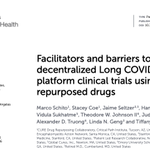
ALT Screenshot of study headline in frontiers in Public Health reading "Facilitators and barriers to decentralized Long COVID platform clinical trials using repurposed drugs"

ALT Screenshot of paper headline from Scientific Reports reading, "Characterizing plausible causal pathways between COVID-19 reinfections and symptom trajectories in long COVID and ME/CFS patients using digital health data"
ALT Design graphic for PLRC's year-end webinar titled: Clinical Trials, Biomarkers and Equitable Care in Long COVID. The graphic also features head shots of the participating speakers.

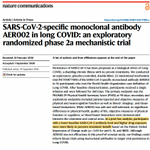
ALT Screenshot of paper headline and summary in Nature Communications that reads: SARS-CoV-2-specific monoclonal antibody AER002 in long COVID: an exploratory randomized phase 2a mechanistic trial


ALT Screenshot of the header of a published paper: Studies in History and Philosophy of Science Patient's knowledge, doctor's ignorance: The production of knowledge about myalgic encephalomyelitis Chloé de Canson


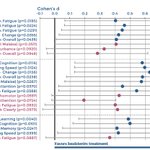
ALT The summary “forest chart” chart shows only those endpoints that reach statistically significant or are trending, and the charts for all endpoints can be found in the full data announcement presentation that was discussed during BioVie's conference call.

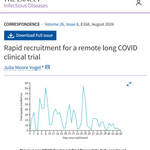
ALT Screenshot of The Lancet Infectious Disease article titled "Rapid recruitment for a remote long COVID clinical trial" by Julia Moore Vogel. Graph with text below that reads, "Figure Long COVID Treatment Trial Tirzepatide daily enrolment"

ALT Screenshot of a study headline in International Journal of Molecular Sciences reading: "Haptoglobin Phenotypes Stratify Post-Exertional Cognitive Dysfunction Associated with Altered Cerebral Oxygenation and Metabolic Signatures in Long COVID"


ALT Your support helped 50,000 people access treatment information

ALT Earlier this year PLRC released the Long COVID Treatment Guide to help patients discuss potential treatment options with their clinicians. This was developed over the course of a year in collaboration with RTHM Clinic; the treatment guide includes 24 prescription medications, as well as a handful of other procedures and supplements.

ALT Three Research Projects PLRC Can Finish With Your Help.

ALT 1. Mapping research needs in myalgic encephalomyelitis prodrome disease. Why: The prodrome is a phase of non-specific signs and symptoms lasting months to years before diagnostic criteria are met. ME prodrome characterization has been seldom documented, including in Long COVID. What: Our patient-led review aims to map existing characterizations, research gaps, and healthcare implications of the ME prodrome. Impact: Understanding the myalgic encephalomyelitis (ME) prodrome could improve clinical and self-management and help prevent functional decline.

ALT PLRC is currently fundraising for two projects that will improve clinical trials and biomarkers.

ALT 1. At-home biomarkers of post-exertional malaise (PEM) Why PEM is one of the most debilitating components of Long Covid, and one of the hardest states to measure. What A decentralized study of at-home PEM biomarkers — using wearable devices measuring relevant markers like lactate, cerebral blood flow, glucose, and muscle oxygenation — to test whether PEM can be detected and quantified. Impact A biomarker for PEM offers researchers an objective clinical trial endpoint, and additionally flags when PEM is confounding other tests or imaging results.
