

We're proud to be one of the top 10 pediatric hospitals & research centers in the US!
- Tweets18.3K
- Following1K
- Followers61.7K
- Likes24.1K







ALT A person and a child are in a kitchen setting. The person is using a glucose monitor on the child's arm. The countertop has various items, including a fruit plate. The image includes a text overlay promoting the "Early T1D Program" for delaying Type 1 Diabetes before symptoms appear.


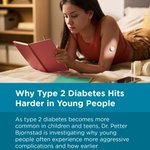
ALT A person sitting on a bed reads a notebook. A medical sensor is visible on the arm. Text on the image reads: "Why Type 2 Diabetes Hits Harder in Young People. As type 2 diabetes becomes more common in children and teens, Dr. Petter Bjornstad is investigating why young people often experience more aggressive complications and how earlier interventions could help protect their long-term health.


ALT A model of a human brain is placed on a table next to a baby lying on a white blanket. Text below announces that Seattle Children’s received the 2026 AWS Imagine Grant for pediatric epilepsy research using AI and clinical data.

ALT A person in a white coat with glasses and a bow tie stands next to a sleeping infant. The infant has an image of a brain superimposed on their head. Accompanying text discusses Seattle Children's advancements in pediatric neuroscience and research led by Dr. Carlos Castillo Pinto and the Center for Integrative Brain Research.


ALT A model of a human fetus in the womb is displayed next to a model of a brain. Below, a text reads: "What can preterm birth teach us about the developing brain?" followed by information about a study co-led by Dr. Vittorio Gallo on cerebellar development and neurodevelopment.

ALT Image of a person in a gray suit and glasses standing confidently with a blurred office background. Below is a quote: "We are no longer looking at prematurity as an injury-related state of the brain, but as a state of altered developmental timing." - Vittorio Gallo, PhD, Chief Scientific Officer, Sr. Vice President.

ALT A person in athletic attire is receiving a medical examination, with their eyes closed and a hand gently touching their head. The text on the image reads: "Can Movement Speed Concussion Recovery? New research highlights a promising approach to helping teens recover from concussion symptoms.

ALT Two people are examining brain scans. The text describes a study on virtual exercise and concussion recovery, highlighting research led by Dr. Sara Chrisman published in JAMA Pediatrics. The study involved over 200 adolescents across four states.

ALT A child is asleep in a car seat, wearing a pumpkin costume. The child holds a small bag with a pumpkin face on it. An orange text box contains tips about managing bedtime routines during the fall time change and Halloween. A "Parent Trusted 1907" logo is in the top right corner.

ALT A newborn lies in a hospital setting, covered with a bright pink blanket. The infant is wearing a yellow knit hat with frog-like eyes and is swaddled in a colorful blanket adorned with various buttons.

ALT A newborn resting on a bright pink background, dressed in a costume resembling Baby Yoda from "The Mandalorian," featuring a green cap with large ears and wrapped in a striped blanket.

ALT A baby dressed in a fluffy blue costume resembling a butterfly with heart patterns lies on a soft yellow blanket. Medical tubes and monitoring wires are attached. Nearby, there's a small pumpkin decoration and a light‑blue item with the words “Lisa Blue”.

ALT Two babies are dressed in Costco Employee and A Costco Hot Dog costumes. They have tiny tubes attached, likely for medical purposes, and are resting on a pink fabric.

ALT A person in an orange coat is standing outdoors, smiling with greenery in the background. Text on the image reads, "Support Seattle Children’s Uncompensated Care Fund. Buy the Seattle Children’s Guild 2027 Calendar.


ALT Two children wearing colorful costumes and face masks in a room decorated with Halloween-themed items. One child is dressed as a unicorn with a purple wig and unicorn headpiece, while the other wears a blue owl-themed outfit. A Dracula mask and other spooky decorations are visible in the background.

ALT A person is seated at a table covered with a Halloween-themed tablecloth. On the table, there are containers of colorful playdough, Halloween masks, and packs of crafting materials. The individual is holding a Halloween mask and appears engaged in crafting activities.

ALT A group of people stand in a hallway with modern art on display. They are lined up in front of a wall featuring paintings with abstract and colorful designs. The surrounding decor includes images of trees and a squirrel.

ALT A group of people standing in front of a white van parked outside Seattle Children's Hospital. The hospital's sign is visible above them.

ALT Exterior of Seattle Children's Hospital with text overlay explaining an increase in wait times due to a surge in viral illnesses and high demand for mental and behavioral health care during fall and winter months.

ALT Informational poster with sections about seeking medical care for viral illnesses like flu or COVID-19. Highlights the importance of visiting a primary care doctor or urgent care. Includes information on appropriate care settings and emphasizes the Seattle Children’s Emergency Department's readiness for emergencies. Ends with a note to call 911 if a child's illness or injury is life-threatening.

ALT For mental and behavioral health support, the image provides information on resources available if a child is not in immediate danger. It suggests calling or texting the 988 Suicide & Crisis Lifeline or visiting a psychiatric urgent care for in-person or virtual appointments in Washington for ages 4-17. It also advises contacting a primary care provider or school-based mental health professional. It emphasizes calling 911 or going to an emergency department for immediate emergencies. The image includes photos of individuals in counseling sessions and a person on the phone.

ALT The image shows the exterior of Seattle Children's Hospital with a modern glass building and a sign for "Forest Parking." A message at the bottom thanks the viewer for trusting the hospital with child care, assuring prompt attention in the ED. The Seattle Children's Hospital logo is displayed prominently.

ALT Three children sit at a table working on a craft project with colorful felt sheets and a paint palette. The setting appears to be a school hallway, with backpacks hanging on hooks in the background.

ALT A person is sitting in a room, wearing glasses and a "Blazers Athletics" T-shirt. They are cutting a green sheet of material with scissors. A set of drawers is visible in the background.

ALT Two people are engaged in a craft activity at a table. One is holding a sheet of colorful stickers, while the other, whose face is painted, looks on. There are craft supplies, including Elmer's Glue, on the table.
