




Before the first tree grew, sharks were already here. They've been around for more than 400 million years, compared with about 385 million for trees. Let's keep them here. 🦈
Source: Natural History Museum; Stein et al., Nature (2007)
Video by @reefsupport
#sharks
1
29
Follow @abc4explore to see sharks the way Rob did: graceful, curious and essential to a healthy ocean.
Sources: Georgia Straight (2018), DIVERNET
#Sharkwater #SharkConservation #RobStewart

From scientists, filmmakers and conservationists, women around the world are helping change the way we understand & protect sharks.
Swipe through to meet 4 of them, and to read about more women making a difference, visit our full article at Sharkwater.com/news


Manta rays are among the ocean's most extraordinary animals.
They can recognize themselves in mirrors, form social relationships, and travel vast distances across our oceans all while feeding on some of the smallest organisms in the sea.


2
56
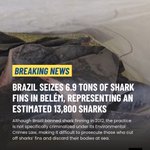
A major win for shark protection, but also a reminder of how much work remains.
Sharks are worth far more alive than as a pile of fins.
More: latintimes.com/brazil-arrest…

28
Sharks rely on their tails to generate most of their forward thrust, while their other fins are primarily used for steering, stability, and controlling their movement through the water. Moving backwards simply isn’t something most shark bodies are built to do.

2
54
Their colour isn’t just beautiful, it helps them blend into their open-ocean surroundings as they move through different depths.
#BlueShark #Sharks #Sharkwater #SaveSharks #SharkFacts #RobStewart

1
43
Meet the Port Jackson shark, one of Australia’s most distinctive sharks.
Found along Australia’s southern coast, they spend much of their time around rocky reefs and kelp beds, where their muted colouring helps them blend into their surroundings.
Footage: @liamswebb
The decision undermines global efforts to protect vulnerable shark populations already devastated by overfishing and the shark fin trade.
Read the full investigation from Mongabay Latam.
es.mongabay.com/2026/10/peru…

1
32
Did you know? Basking sharks are the second-largest fish in the world, after whale sharks!
Similar to whale sharks, basking sharks are filter feeders, swimming with their enormous mouths open to collect tiny plankton from the water.
#WorldBaskingSharkDay

30
From engaging more than 3,500 students in sustainability initiatives to expanding educational opportunities for over 4,300 refugees, Yazan is helping build a more sustainable and equitable future.
Congratulations, Yazan!

24
Sharks can detect the electrical activity produced by a heartbeat, even through the surrounding water.
Another reminder that sharks experience their underwater world in ways we can barely imagine.

1
41

Hidden among frozen sardines, Brazilian authorities uncovered shark fins from an estimated 5,700 sharks, including endangered species. The company faces R$50 million in fines, exposing the scale of the global shark fin trade and the urgent need for stronger protections.

30
A magnificent Zebra Shark swimming gracefully in Australian waters.
🎥 @jacintashackleton
6
81


Through powerful First Nations storytelling, Ganibarra challenges the way we see Australia's dingoes, highlighting their deep cultural significance and the importance of protecting wildlife and living in harmony with nature.
#RobStewart #RobStewartLegacy #Ganibarra

47
