

Official Twitter account of the World Health Organization in Nigeria
Abuja, Nigeria
Joined March 2017
- Tweets6.2K
- Following226
- Followers375K
- Likes2.2K
To keep antibiotics effective for everyone, avoid these common mistakes:
❌ Don’t use antibiotics for colds, flu, or most sore throats. They do not work against viruses.
❌ Don’t share antibiotics with others.
❌ Don’t save leftover antibiotics for future use.
Using antibiotics responsibly helps slow the spread of antimicrobial resistance and protects these life-saving medicines for future generations.
Learn more: bit.ly/4t7nyVV
#AntimicrobialResistance #AMR

Bringing Service Delivery Closer to Every Nigerian 🇳🇬
Nigeria’s National Telemedicine Guidelines 2026 mark an important step towards Universal Health Coverage.
Connecting people to quality care, overcoming distance, and accelerating progress in maternal, child and other priority health outcomes.
WHO is proud to have supported this milestone.
The real success will be measured in better health outcomes and lives saved.
#WHONigeria #Telemedicine #UHC #HealthForAll
Every AMR story starts somewhere.
“When I went for the re-surgery, I was placed on a heavy dose of antibiotics post-surgery. And that was the beginning of my story.”
— Masood
His experience is a reminder that antimicrobial resistance is not just a health issue. It's a human one. Together, we can protect the medicines that save lives by using antibiotics responsibly.
#AntimicrobialResistance #AMR #WAAW2026
Misusing antibiotics affects us all.
Antimicrobial Resistance (#AMR) occurs when bacteria, viruses, fungi, and parasites no longer respond to medicines, making infections harder to treat and increasing the risk of disease spread, severe illness, and death.
Let’s use antibiotics responsibly and help preserve their effectiveness for future generations.
Learn more: bit.ly/WAAW2026
#AntimicrobialResistance #AMR

Ever wondered what happens when antibiotics stop working?
Antimicrobial Resistance (#AMR) is making once-treatable infections harder, and sometimes impossible, to cure.
The consequences are real:
🔴 Dangerous infections become harder to treat
💰 Medical care becomes more expensive
📉 Illness can lead to loss of income and productivity
🖤 Families may experience pain, suffering, and grief
Use antibiotics responsibly. Only take them when prescribed by a qualified health professional and always follow the prescribed instructions.
#AMR #AntimicrobialResistance #UseAntibioticsResponsibly #OneHealth #WAAW
WHO Nigeria retweeted
"Out of 18 antibiotics tested, only one was effective to the infection that I acquired while undergoing a surgery."
- John
bit.ly/WAAW2026
#AntimicrobialResistance #AMR
Advancing Equitable Health Care for All Nigerians
The 67th National Council on Health (NCH) began this week, bringing together key stakeholders from across Nigeria's health sector to strengthen collaboration, review progress, and accelerate action towards a healthier nation.
Under the theme, "From Commitments to Results: Delivering Quality and Equitable Health Care for All Nigerians," the Council serves as a platform for the Federal and State Governments, development partners, and health stakeholders to translate policy commitments into tangible improvements in health service delivery.
The technical session, chaired by the Permanent Secretary of the Federal Ministry of Health and Social Welfare, Daju Kachollom, mni, was opened by His Excellency, the Deputy Governor of Nasarawa State, Dr Emmanuel Agbadu Akabe. The session commenced with a review of the proceedings of the 66th National Council on Health and an assessment of the implementation status of previous resolutions.
Discussions will focus on strengthening health systems, advancing Universal Health Coverage, improving access to quality essential health services, addressing health inequities, and ensuring sustainable health financing.
WHO continues to work closely with @Fmohnigeria and partners to support the implementation of these policies and advance health for all Nigerians.
#NCH67 #HealthForAll #UHC


Every Child Protected: Gavi Alliance High-Level Mission Highlights Immunization Gains in Kaduna State
Every child deserves access to lifesaving vaccines and quality primary health care, no matter where they live.
In Kaduna State, strategic investments in immunization and primary health care are helping protect children, support families and bring essential health services closer to the communities that need them most. Recently, a joint high-level mission led by Gavi, the Vaccine Alliance (@gavi), alongside the World Health Organization (@WHO / @WHONigeria), UNICEF (@UNICEF_Nigeria), the Gates Foundation @gatesfoundation, the National Primary Health Care Development Agency (@NphcdaNG) and other partners, visited Kaduna State to assess progress and identify opportunities to further strengthen primary health care delivery.
Between January and September 2026, targeted interventions and community outreach across all 23 Local Government Areas (LGAs) have delivered measurable results:
•Expanding Routine Immunization: A total of 343 697 children have been reached with routine immunization services, reflecting steady gains in vaccination coverage across the state.
•Strengthening Cold-Chain Systems: Around 74% of health facilities offering routine immunization (765 out of 1 037 facilities) are now equipped with functional cold-chain infrastructure to safely store and transport potent vaccines.
•Improving Vaccine Availability: Vaccine stock-outs have dropped sharply from 83% to 25% following the rollout of the DRIVE initiative, ensuring uninterrupted immunization services at the facility level.
•Building Workforce Capacity: 1 ,020 health workers have been trained across two batches to deliver high-quality immunization and integrated primary health care services.
•Reaching Every Community: All 23 LGAs have received dedicated support for optimized outreach sessions—conducting at least one outreach per health facility each week—bringing essential health services directly to 1 245 underserved communities.
•Protecting Adolescent Girls: 5 832 girls have received the human papillomavirus (HPV) vaccine, providing critical, lifelong protection against cervical cancer.
•Closing the Zero-Dose Gap: Focused tracking and outreach efforts have reduced the number of zero-dose children by 5,048 children, ensuring more infants receive their critical first doses on time.
Strong immunization systems save lives, prevent disease outbreaks and help children grow up healthier. By bringing services closer to home, these efforts reduce missed opportunities for vaccination and build lasting community trust in local health facilities.
Through technical guidance, disease surveillance, vaccine management and health system strengthening, WHO continues to work alongside government authorities and partners to improve the quality, availability and equity of primary health care, particularly for hard-to-reach populations.
With vital funding from Gavi, the Vaccine Alliance, and close collaboration with NPHCDA, UNICEF , Gates Foundation and the Kaduna State Government, these joint investments are building a more resilient health system. By celebrating milestones, addressing operational gaps and reinforcing accountability, partners remain united in ensuring that every child is protected and every community has access to quality health care.
Learn more about WHO’s work in Nigeria: afro.who.int/countries/niger…
#VaccinesWork #Immunization #PrimaryHealthCare #HealthForAll #Nigeria


It's World Antimicrobial Resistance Awareness Week.
Did you know that misusing antibiotics can lead to drug resistance, making infections harder to treat, and can also cause harmful side effects?
Learn more about Antimicrobial Resistance (#AMR) and how you can help prevent it: bit.ly/WAAW2026
#AntimicrobialResistance #WAAW2026 #AMR

Type 1 diabetes can develop at any age, and symptoms often appear quickly. Delayed diagnosis can be life-threatening.
Seek medical advice immediately if you notice: 🔹 Rapid weight loss
🔹 Excessive thirst
🔹 Extreme tiredness
🔹 Frequent urination
🔹 Blurred vision
Learn more: bit.ly/2026WorldDiabetesDay
🎨 Visual by @miss__diabetes
#Diabetes #WorldDiabetesDay

Leveraging partnerships for improved health outcomes.
WHO Nigeria, led by WHO Representative Dr Pavel Ursu, held a bilateral meeting with Mr Arash Irantalab, Counsellor and Head of Development Cooperation at Global Affairs Canada @CanHCNigeria, to exchange perspectives on Nigeria’s evolving health priorities and explore opportunities for deeper collaboration.
Discussions highlighted the importance of strengthening health security and epidemic preparedness, advancing health equity, reinforcing primary health care, and building sustainable and resilient health systems.
The exchange also explored how Canadian expertise and technical cooperation could contribute to stronger epidemic intelligence and alert management, institutional capacity and more effective use of health-equity data to ensure that interventions reach those most in need.
WHO Nigeria will continue to work with partners to connect technical expertise, investment and country priorities to practical solutions that strengthen Nigeria's health system and deliver better health outcomes.
Learn more: afro.who.int/countries/niger…
#Partnerships #HealthSecurity #HealthEquity #PrimaryHealthCare #WHONigeria


Strengthening preparedness today protects lives tomorrow.
At #JAR2026, WHO joined national and international partners to discuss how Nigeria can further advance health security through stronger surveillance, a skilled health emergency workforce, effective laboratory networks, and sustained investment in preparedness.
WHO Representative in Nigeria, @DrPavelUrsu, highlighted the amended International Health Regulations (IHR) and the IHR Monitoring and Evaluation Framework as critical instruments for building, assessing, and continuously improving national and subnational capacities to prevent, detect, and respond to public health emergencies.
The discussion reinforced a shared commitment to translate preparedness into action and results across Nigeria, including by mobilizing domestic resources and ensuring that public health threats are detected, assessed, reported, and responded to rapidly and effectively to protect communities and strengthen health security.
Learn more: afro.who.int/countries/niger…
#HealthSecurity #Preparedness #IHR #WHOinNigeria #JAR2026


WHO Nigeria retweeted
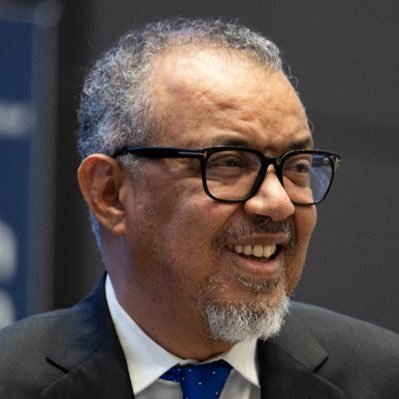
A positive milestone in #Nigeria’s #Ebola response: all 62 identified contacts of the case reported on 20 October have completed 21 days of monitoring, with no secondary transmission detected.
As the second half of the 42-day countdown begins, @WHO maintains its support and heightened vigilance.
My congratulations to the government, health workers and responders for their success in preventing the spread of the Bundibugyo virus.

More families displaced by conflict in north-east Nigeria are gaining access to vital malaria prevention and treatment services closer to home.
For vulnerable communities, especially children under five and pregnant women, timely malaria diagnosis and treatment can save lives. Across Adamawa, Gombe and Yobe States, an estimated 460,000 internally displaced persons have been identified as requiring essential malaria services, including women, girls and children under five.
In Adamawa, Gombe and Yobe States, WHO Nigeria, working with state governments, the Global Fund and partners, is helping to strengthen community-based malaria prevention, surveillance, early diagnosis, treatment and awareness among internally displaced persons and underserved host communities. Through these efforts, community outreach and engagement activities are bringing essential malaria services closer to vulnerable populations, with over 311,000 people screened or treated for malaria.
To sustain progress, health authorities and partners recently met in Gombe State to review implementation, address challenges and identify priority actions to strengthen community-based malaria services for those most at risk and ensure that these gains are maintained.
By strengthening the capacity of community-level health workers, improving community-based disease reporting, supporting access to malaria commodities and promoting early care-seeking behaviours, WHO and partners are helping to ensure that displacement does not prevent families from receiving lifesaving healthcare. These efforts are also strengthening community participation, coordination and the continuity of malaria services in displacement-affected communities.
With support from the Global Fund, state governments, and implementing partners, WHO remains committed to ensuring that no family is left behind in the fight against malaria.
🔗 Learn more about WHO's work to combat malaria in Nigeria: afro.who.int/countries/Niger…
#WHONigeria #Malaria #EndMalaria #LeaveNoOneBehind


Every road crash changes a family forever, yet road traffic deaths are preventable. Nearly 1.2 million people die on the world's roads every year.
At the commemoration of African Road Safety Day and the World Day of Remembrance for Road Traffic Victims in Abuja, WHO Representative in Nigeria, @DrPavelUrsu, called for stronger collective action to make roads safer and prevent avoidable deaths.
Road users, families and communities across Nigeria stand to benefit from stronger road safety measures that help prevent injuries, save lives and reduce the social and economic impact of road crashes.
Working with the Government of Nigeria, the Federal Road Safety Corps (FRSC) and partners, WHO is supporting evidence-based road safety policies, stronger crash data systems, safer road infrastructure, and improved emergency and trauma care. Together, government institutions, FRSC and development partners are strengthening road safety coordination, enforcement and awareness efforts to protect lives on Nigeria's roads.
These actions contribute to the global target of reducing road traffic deaths and injuries by at least 50% by 2030, helping ensure safer journeys for everyone.
Everyone has a role to play. Obey speed limits, wear a seat belt or helmet, avoid distracted or impaired driving, and follow traffic rules to help make roads safer for all.
Learn more about road traffic injury prevention: who.int/news-room/fact-sheet…
#RoadSafety #SafeRoads #AfricanRoadSafetyDay #Nigeria #HealthForAll


Nigeria's health sector has begun its 3rd Joint Annual Review (#JAR2026) under the theme "Together to Higher Ground", bringing together key stakeholders from government leadership, development partners, private sector innovators, civil society, and frontline health workers to assess progress in strengthening the health system, expanding access to quality healthcare, and protecting millions of people from the financial burden of illness.
The JAR serves as a collaborative platform for stakeholders to analyse performance data down to the state and facility levels, enabling the health sector to learn from recent trends and strategically sustain operational gains.
Through the Nigeria Health Sector Renewal Investment Initiative (NHSRII) and the Sector-Wide Approach (@SWApGov), several notable achievements were highlighted over the past three years:
Over 3500 Primary Healthcare Centres revitalised, with 900 more underway.
₦249 billion disbursed to states through the Basic Healthcare Provision Fund between 2023 and Q3 2026, compared with ₦74 billion cumulatively over the preceding 10 years.
· More than 100 million children vaccinated against measles and rubella.
· More than 19 million adolescent girls vaccinated against HPV to prevent cervical cancer.
· 24 million people covered by health insurance, up from 16 million.
· Approximately 20,000 skilled birth attendants recruited across 22 states.
· 10 world-class diagnostic centres completed and operational.
· An 80% reduction in dialysis costs for more than 5,000 patients.
@DrPavelUrsu noted: "Success will be measured in communities, through better services and progress towards universal health coverage and health security targets, and ultimately in healthier lives and lives saved"
@muhammadpate highlighted that "national ownership and international cooperation work together when roles are clear and results reach our people."
WHO, together with the UN, reaffirmed its commitment to supporting Nigeria's journey towards a stronger, more equitable, and resilient health system.


Every hour counts when cholera strikes.
With support from WHO and the Global Task Force on Cholera Control (GTFCC), Nigeria is strengthening its ability to detect and respond to cholera outbreaks faster.
✅ More than 1,047 healthcare workers have been trained across 18 states since 2025.
✅ An additional 547 frontline health workers in Lagos, Kano and Cross River strengthened their skills in surveillance, laboratory testing, specimen management and infection prevention and control.
As these skills are shared across health facilities, communities benefit from earlier detection, faster response and better protection against cholera outbreaks.
Protect yourself and your family:
✅Drink safe water
✅Wash hands regularly with soap and clean water
✅Eat thoroughly cooked food
✅Seek care immediately for acute watery diarrhoea
Learn more about cholera prevention: afro.who.int/countries/niger…
Supported by @WHO, @SecGTFCC, @NCDCgov and state health authorities.
#Cholera
#EndCholera
#HealthSecurity
#WHONigeria


When health workers are prepared for Ebola, every patient, family and community is safer.
Ebola can spread quickly and place health workers, patients and families at risk. Strong infection prevention and control systems are critical to keeping communities safe.
To strengthen readiness in the Federal Capital Territory, 78 health workers and infection prevention and control (IPC) focal persons from 38 health facilities including private health facilities are participating in a three-day Training of Trainers led by @NCDCgov with technical support from WHO, UNICEF and partners.
Through practical and hands-on training, participants are strengthening skills to:
✅ Detect suspected Ebola cases early
✅ Safely screen and isolate patients
✅ Prevent infections in health facilities
✅ Train additional colleagues across the FCT
As trainers, participants will cascade these skills to other healthcare workers, expanding Ebola preparedness across health facilities and strengthening protection for patients, health workers and communities.
Early detection and safe care can help prevent transmission, protect frontline workers and reduce the risk of outbreaks spreading.
If you develop symptoms following possible exposure, call @NCDCgov toll-free on 6232before visiting a health facility.
Learn more: afro.who.int/countries/NIger…
Share trusted informationand Follow @NCDCgov, @FMoHNigeria and WHO Nigeria for verified updates.
#Ebola #OutbreakPreparedness #HealthForAll #WHONigeria


