

The Business of Robotics and Physical AI. Research & Podcast. https://nitter.cf/t.co/aanMm8guOj
Joined June 2026
- Tweets59
- Following21
- Followers465
- Likes9






Pinned Tweet
Core Matter studies the business of Physical AI.
We publish research on robotics costs, supply chains and deployment, plus interviews with the people building the stack.
Follow for research, charts and interview clips.
Start here in the reply.
How do you spot someone new to robotics?
Yogesh Ghaturle (@yogesh_origin), Co-founder & CEO of Origin (@origin_autonomy), says they talk about the model layer and stop there.
His list of what a robotics company has to be good at
• Models
• Hardware
• Manufacturing
• Supply chain
• Deployments
• Selling customers on why they should adopt robots
On day one in New York, sun glare stumped the wall-finishing robot from Origin (@origin_autonomy).
• The robot was finishing walls around a window on the 19th floor of a west-facing building
• At sunset, glare hit the wall it was evaluating, and the model gave up
• The team put the scenario into training data
• Yogesh Ghaturle (@yogesh_origin), Co-founder & CEO, says field deployments keep surfacing cases like this one
1
2
101
"A customer does not care about a robot. Customer cares about their work getting delivered."
Yogesh Ghaturle (@yogesh_origin), Co-founder & CEO of Origin (@origin_autonomy), on what the first job sites taught his team.
• Origin's customers are subcontractors who answer to general contractors
• A robot has to hit high completion rates, human quality and a throughput that pays back
• Yogesh says large-scale adoption depends on hitting the 3 together
4
74
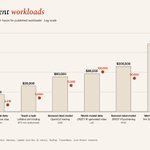
Training a general robot model takes a small share of the compute behind a large language model.
Rented GPU time for published robot workloads:
• 𝗡𝗩𝗜𝗗𝗜𝗔'𝘀 𝗚𝗥𝟬𝟬𝗧 𝗡𝟭 𝗽𝗿𝗲𝘁𝗿𝗮𝗶𝗻𝗶𝗻𝗴 𝘂𝘀𝗲𝗱 𝗮𝗯𝗼𝘂𝘁 𝟱𝟬,𝟬𝟬𝟬 𝗛𝟭𝟬𝟬-𝗵𝗼𝘂𝗿𝘀. That is about $200,000 at rental rates, and @Meta's Llama 3.1 405B used about 600 times more.
• 𝗢𝗽𝗲𝗻𝗩𝗟𝗔 𝘁𝗿𝗮𝗶𝗻𝗲𝗱 𝗼𝗻 𝟲𝟰 𝗔𝟭𝟬𝟬 𝗚𝗣𝗨𝘀 𝗳𝗼𝗿 𝟭𝟰 𝗱𝗮𝘆𝘀. That is about 21,500 A100-hours, on 970,000 robot trajectories.
• 𝗧𝗲𝗮𝗰𝗵𝗶𝗻𝗴 𝗮 𝘁𝗮𝘀𝗸 𝗰𝗼𝘀𝘁𝘀 𝗹𝗲𝘀𝘀. The @LeRobotHF shirt-folding project used more than 5,000 GPU-hours across dozens of training attempts, and its best result was 90% success across 20 rollouts.
• 𝗚𝗲𝗻𝗲𝗿𝗮𝘁𝗶𝗻𝗴 𝘁𝗿𝗮𝗶𝗻𝗶𝗻𝗴 𝘃𝗶𝗱𝗲𝗼 𝗰𝗼𝘀𝘁𝘀 𝗺𝗼𝗿𝗲. For GR00T N1, @NVIDIARobotics generated about 827 hours of video using about 105,000 L40 GPU-hours.
• 𝗪𝗼𝗿𝗹𝗱-𝗺𝗼𝗱𝗲𝗹 𝘃𝗶𝗱𝗲𝗼 𝗮𝗱𝗱𝘀 𝘂𝗽 𝗳𝗮𝘀𝘁 𝗮𝘁 𝘀𝗰𝗮𝗹𝗲. Producing 1mn @odysseyml Odyssey-3 videos with best-of-8 sampling takes about 947,000 GPU-hours, about $2.8mn at $2.95 per GPU-hour.
• 𝗖𝗼𝗺𝗺𝗲𝗿𝗰𝗶𝗮𝗹 𝗽𝗿𝗼𝗴𝗿𝗮𝗺𝘀 𝗮𝗿𝗲 𝗺𝘂𝗰𝗵 𝗹𝗮𝗿𝗴𝗲𝗿. @Figure_robot's initial compute commitment with @nscale is $3.5bn, with up to 100,000 NVIDIA Vera Rubin GPUs planned.
The full cost breakdown is in The Economics of Robot Brains.


4
131
The same robot model responds about 4 times faster on NVIDIA's Jetson AGX Thor than on Jetson Orin.
@NVIDIARobotics ran one GR00T N1.7 policy, with the same inputs, on 3 computers using its baseline TensorRT pipeline:
• 𝗝𝗲𝘁𝘀𝗼𝗻 𝗢𝗿𝗶𝗻 𝗶𝗻 𝟯𝟬𝗪 𝗺𝗼𝗱𝗲 𝘁𝗼𝗼𝗸 𝗮 𝗺𝗲𝗱𝗶𝗮𝗻 𝟯𝟭𝟮.𝟮 𝗺𝗶𝗹𝗹𝗶𝘀𝗲𝗰𝗼𝗻𝗱𝘀. That is the time to produce the next set of actions.
• 𝗝𝗲𝘁𝘀𝗼𝗻 𝗔𝗚𝗫 𝗧𝗵𝗼𝗿 𝗶𝗻 𝟭𝟮𝟬𝗪 𝗺𝗼𝗱𝗲 𝘁𝗼𝗼𝗸 𝟳𝟳.𝟲 𝗺𝗶𝗹𝗹𝗶𝘀𝗲𝗰𝗼𝗻𝗱𝘀.
• 𝗔𝗻 𝗛𝟭𝟬𝟬 𝟴𝟬𝗚𝗕 𝗱𝗮𝘁𝗮 𝗰𝗲𝗻𝘁𝗲𝗿 𝗚𝗣𝗨 𝘁𝗼𝗼𝗸 𝟮𝟮.𝟵 𝗺𝗶𝗹𝗹𝗶𝘀𝗲𝗰𝗼𝗻𝗱𝘀.
• 𝗣𝗼𝘄𝗲𝗿 𝗹𝗶𝗺𝗶𝘁𝘀 𝗱𝗶𝗳𝗳𝗲𝗿 𝗮𝗰𝗿𝗼𝘀𝘀 𝘁𝗵𝗲 𝟯 𝘀𝗲𝘁𝘂𝗽𝘀. So do price and size.
• 𝗦𝗽𝗲𝗲𝗱 𝗼𝗻 𝘁𝗵𝗲 𝗿𝗼𝗯𝗼𝘁 𝗰𝗮𝗺𝗲 𝘂𝗽 𝗿𝗲𝗽𝗲𝗮𝘁𝗲𝗱𝗹𝘆 𝗮𝘁 𝗖𝗼𝗥𝗟 𝟮𝟬𝟮𝟲. NVIDIA's GR00T 2 Turbo plans 1.6 seconds of motion about once a second on a Jetson AGX Thor.
The Jetson price and performance comparison is in The Economics of Robot Brains.

In one robot training test, 10,000 hours of glove recordings beat 2mn hours of web video.
Beijing startup @liberai_robot ran the test for its Liber-0 model, released the week before CoRL 2026:
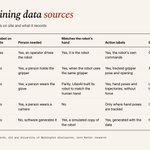
• 𝗘𝗮𝗰𝗵 𝗱𝗮𝘁𝗮 𝘀𝗼𝘂𝗿𝗰𝗲 𝗴𝗼𝘁 𝗮 𝗳𝗮𝗶𝗿 𝘁𝗲𝘀𝘁. LiberAI pretrained separate models on 5 data sources, then gave each the same robot post-training and the same 76 tasks.
• 𝗪𝗲𝗯 𝘃𝗶𝗱𝗲𝗼 𝗮𝘁 𝟮𝗺𝗻 𝗵𝗼𝘂𝗿𝘀 𝘀𝗰𝗼𝗿𝗲𝗱 𝟲𝟰.𝟲 𝗮𝗻𝗱 𝟱𝟭.𝟮. The first score is pick-and-place and the second is harder manipulation, on a progress score from 0 to 100.
• 𝗚𝗹𝗼𝘃𝗲 𝗿𝗲𝗰𝗼𝗿𝗱𝗶𝗻𝗴𝘀 𝗮𝘁 𝟭𝟬,𝟬𝟬𝟬 𝗵𝗼𝘂𝗿𝘀 𝘀𝗰𝗼𝗿𝗲𝗱 𝟲𝟳.𝟵 𝗮𝗻𝗱 𝟱𝟵.𝟵. The glove measures the hand's motion alongside the video.
• 𝗧𝗵𝗲 𝗴𝗮𝗽 𝘄𝗮𝘀 𝘄𝗶𝗱𝗲𝘀𝘁 𝗼𝗻 𝗵𝗮𝗿𝗱𝗲𝗿 𝗺𝗮𝗻𝗶𝗽𝘂𝗹𝗮𝘁𝗶𝗼𝗻. On tasks such as folding and opening, glove data kept improving as hours grew.
• 𝗖𝗼𝗺𝗯𝗶𝗻𝗶𝗻𝗴 𝗯𝗼𝘁𝗵 𝘀𝗰𝗼𝗿𝗲𝗱 𝗵𝗶𝗴𝗵𝗲𝗿 𝘀𝘁𝗶𝗹𝗹. Liber-0's full mix of 2.2mn hours scored 83.6 and 73.8.
• 𝗡𝗩𝗜𝗗𝗜𝗔'𝘀 𝗚𝗥𝟬𝟬𝗧 𝟮 𝘁𝗮𝗸𝗲𝘀 𝗮 𝘀𝗶𝗺𝗶𝗹𝗮𝗿 𝗮𝗽𝗽𝗿𝗼𝗮𝗰𝗵. It labels its human video with tracked 3D hand poses.
For anyone buying robot training data, how the motion is recorded matters as much as how many hours it covers.

The robot AI stack is splitting in two. CoRL 2026 showed it clearly.
(1) A planner decides what to do, and (2) a fast model, the actor, does the hands-on work.
@OpenAI's GPT-6 Astra planned while @nvidia's GR00T 2 handled the manipulation, and the pair succeeded in 97 to 98 of 100 toy assembly trials. @GoogleDeepMind used the same split on Mercedes-Benz lines.
5 key takeaways from CoRL 2026:
1. The planner layer is getting cheaper. Luma AI's open 27bn-parameter model matched Astra at $0.29 per task, against $4.87.
2. Training data is getting cheaper. GR00T 2 trained on about 92% human video and about 5% robot teleoperation.
3. How the motion is recorded matters more than raw hours. In LiberAI's test, 10,000 hours of glove recordings beat 2mn hours of web video.
4. Deployment data compounds. Russ Tedrake called mid-training data "commoditized" and said deployment data is something "you have to earn."
5. Touch is the next frontier. @robbyant_brain open-sourced LingBot-Touch, a tactile model pretrained on nearly 5,000 hours of real tactile data.
Full #CoRL2026 recap on @CoreMatter_: read.corematter.com/p/corl-2…

Is any robot training data still hard to find?
Oliver Cameron (@olivercameron), Co-founder & CEO of @odysseyml: "Not anymore."
• Odyssey stopped sending people out with camera backpacks
• It buys from 10 to 12 data vendors
• For an unusual request, 3 of them would start the next day
• Next, Oliver expects world models to become training environments and data generators for other AI
INSIDE @odysseyml, the $1.45bn world model lab, w/ Co-founder & CEO Oliver Cameron (@olivercameron)
Compute deals agreed on a handshake disappeared the next day.
"Deals that we had handshaken were the next day disappearing."
Odyssey raised a $310mn Series B in June, with @amazon and @AMD in the round. It trains across @nvidia, @awscloud Trainium and AMD chips.
"I think there's equally a case to be made that it will actually get dramatically worse, that compute will become more scarce, will become more expensive, more constrained."
We cover:
› How @OpenAI and @AnthropicAI raising huge rounds squeezed compute for smaller labs
› Why the Series B became a search for compute partners
› How coding agents make models portable across chips
› Robot data is abundant now. 3 of Odyssey's 10 to 12 vendors would start an unusual request the next day
› World models as training environments and data generators
› The Voyage lesson: solve the hardest version of the problem first
TIMESTAMPS
00:00 What is Odyssey-3, a foundation world model?
02:05 Why task-specific robot data hits a ceiling
04:50 Driving in India: one researcher, results of a 500-person team
06:57 20 hours of blocky simulation vs 30 hours of real driving
09:21 Flexion, post-training and why robot companies stop building everything
11:45 Poke & Wiggle (@pokeandwiggle): real-robot evals as a test suite
15:15 World models vs language models: 14B parameters vs a 5T rumor
18:48 What it takes to scale world models
21:37 Egocentric video and the data mixture
23:33 Is any robot data still hard to find?
25:26 World models as the ultimate RL environment
27:30 When compute became existential
29:29 Fundraising as a compute partnership search
31:44 A hybrid fleet: NVIDIA, Trainium and AMD
33:13 Coding agents and CUDA lock-in
34:18 What is a robot company's moat?
36:17 A short memory for pain
37:55 The Voyage lesson: solve the hardest thing first
2
158
The missing piece in US reindustrialization: machines that build the machines
Who builds the machines that build the machines?
I went down the rabbit hole of US machine tools:
Imagine the Russian Doll of Physical AI bottlenecks: It's the machines that cut, grind and shape the parts inside aircraft, turbines and robots.
• The US imported about half of the machine tools it used in 2025, $5.8bn out of $11.4bn. US output would need to grow 63% to 83% to replace imports with domestic machines.
• Precision machine tools are a key area of import dependence. Imported gear grinders help make the small gears inside robot joints and aerospace gearboxes.
• US orders for metalworking machinery rose to the highest value since 1998, up 45% in Jan to Sep 2026, reaching $5.76bn.
The full piece maps what the US builds, what it imports and what expanding domestic production takes, with Section 232 as the backdrop.
It also introduces our first @CoreMatter_ industry model, with US machine tool demand broken down by end market.
read.corematter.com/p/sectio…

3
120
Robot training data is moving from robots to people to software.
The cost of an hour of training data now depends on where it comes from:
• 𝗥𝗼𝗯𝗼𝘁𝘀 𝗰𝗮𝗺𝗲 𝗳𝗶𝗿𝘀𝘁. In 2022, Google's RT-1 took 13 robots and 17 months to collect 130,000 demonstrations.
• 𝗧𝗲𝗹𝗲𝗼𝗽𝗲𝗿𝗮𝘁𝗶𝗼𝗻 𝗶𝘀 𝗻𝗼𝘄 𝘀𝗼𝗹𝗱 𝗯𝘆 𝘁𝗵𝗲 𝗵𝗼𝘂𝗿. Chinese data factories sell robot teleoperation data at Rmb500 to Rmb1,000 ($70 to $141) per hour.
• 𝗣𝗲𝗼𝗽𝗹𝗲 𝘄𝗶𝘁𝗵 𝗵𝗮𝗻𝗱𝗵𝗲𝗹𝗱 𝗴𝗿𝗶𝗽𝗽𝗲𝗿𝘀 𝗮𝗿𝗲 𝗳𝗮𝘀𝘁𝗲𝗿. Japan's AIRoA had 179 people record 8,434 hours in a little over 2 months, with no robots involved.
• 𝗛𝘂𝗺𝗮𝗻 𝘃𝗶𝗱𝗲𝗼 𝗶𝘀 𝗰𝗵𝗲𝗮𝗽𝗲𝗿 𝘀𝘁𝗶𝗹𝗹. Mercor pays businesses $12 to $18 per approved hour of workplace footage, and @NVIDIARobotics' GR00T 2 trained on 402,730 hours of human video.
• 𝗦𝗶𝗺𝘂𝗹𝗮𝘁𝗶𝗼𝗻 𝗰𝗼𝘀𝘁𝘀 𝘁𝗵𝗲 𝗹𝗲𝗮𝘀𝘁. The @allen_ai MolmoB0T team estimates $2 to $5 per hour of simulated robot data.
Robot teleoperation was about 5% of GR00T 2's pretraining hours.

The robot AI stack is splitting in two. CoRL 2026 showed it clearly.
(1) A planner decides what to do, and (2) a fast model, the actor, does the hands-on work.
@OpenAI's GPT-6 Astra planned while @nvidia's GR00T 2 handled the manipulation, and the pair succeeded in 97 to 98 of 100 toy assembly trials. @GoogleDeepMind used the same split on Mercedes-Benz lines.
5 key takeaways from CoRL 2026:
1. The planner layer is getting cheaper. Luma AI's open 27bn-parameter model matched Astra at $0.29 per task, against $4.87.
2. Training data is getting cheaper. GR00T 2 trained on about 92% human video and about 5% robot teleoperation.
3. How the motion is recorded matters more than raw hours. In LiberAI's test, 10,000 hours of glove recordings beat 2mn hours of web video.
4. Deployment data compounds. Russ Tedrake called mid-training data "commoditized" and said deployment data is something "you have to earn."
5. Touch is the next frontier. @robbyant_brain open-sourced LingBot-Touch, a tactile model pretrained on nearly 5,000 hours of real tactile data.
Full #CoRL2026 recap on @CoreMatter_: read.corematter.com/p/corl-2…
1
2
104
Robots are being built in 3 layers, and each layer works on a different clock.
Tsinghua professor Hang Zhao, co-founder of Galaxea, described this framework in his CoRL 2026 keynote, and @NVIDIARobotics built GR00T 2 the same way.
• 𝗦𝘆𝘀𝘁𝗲𝗺 𝟮 𝗽𝗹𝗮𝗻𝘀 𝗼𝘃𝗲𝗿 𝘀𝗲𝗰𝗼𝗻𝗱𝘀 𝘁𝗼 𝗺𝗶𝗻𝘂𝘁𝗲𝘀. @OpenAI's GPT-6 Astra and @GoogleDeepMind's Gemini Robotics-ER work at this layer.
• 𝗦𝘆𝘀𝘁𝗲𝗺 𝟭 𝗵𝗮𝗻𝗱𝗹𝗲𝘀 𝗱𝗲𝘅𝘁𝗲𝗿𝗶𝘁𝘆, 𝘁𝗿𝗮𝗰𝗸𝗶𝗻𝗴 𝘁𝗵𝗲 𝗵𝗮𝗻𝗱 𝗮𝗻𝗱 𝘁𝗵𝗲 𝗼𝗯𝗷𝗲𝗰𝘁 𝘁𝗲𝗻𝘀 𝗼𝗳 𝘁𝗶𝗺𝗲𝘀 𝗽𝗲𝗿 𝘀𝗲𝗰𝗼𝗻𝗱. VLAs and world action models such as GR00T 2 compete here.
• 𝗦𝘆𝘀𝘁𝗲𝗺 𝟬 𝗿𝗲𝗮𝗰𝘁𝘀 𝘁𝗼 𝗰𝗼𝗻𝘁𝗮𝗰𝘁 𝗮𝗻𝗱 𝗳𝗼𝗿𝗰𝗲 𝗵𝘂𝗻𝗱𝗿𝗲𝗱𝘀 𝗼𝗳 𝘁𝗶𝗺𝗲𝘀 𝗽𝗲𝗿 𝘀𝗲𝗰𝗼𝗻𝗱. NVIDIA's SONIC whole-body controller sits here.
• 𝗡𝗩𝗜𝗗𝗜𝗔'𝘀 𝘀𝘁𝗮𝗰𝗸 𝘀𝗵𝗼𝘄𝘀 𝘁𝗵𝗲 𝗰𝗹𝗼𝗰𝗸𝘀. GR00T 2 Turbo plans 1.6 seconds of motion about once a second on a Jetson AGX Thor, and SONIC sets joint targets 50 times a second.
• 𝗦𝗽𝗲𝗲𝗱 𝗰𝗵𝗮𝗻𝗴𝗲𝘀 𝘁𝗵𝗲 𝗿𝗲𝘀𝘂𝗹𝘁𝘀. In Zhao's simulated kitchen test, 4 approaches completed over 60% of tasks when thinking time was free. Once thinking time counted toward a 50-second deadline, a policy calling a frontier model completed 15%.
Roboticist Benjie Holson called System 1 "the big challenge for robotics in the next 6 months."

The robot AI stack is splitting in two. CoRL 2026 showed it clearly.
(1) A planner decides what to do, and (2) a fast model, the actor, does the hands-on work.
@OpenAI's GPT-6 Astra planned while @nvidia's GR00T 2 handled the manipulation, and the pair succeeded in 97 to 98 of 100 toy assembly trials. @GoogleDeepMind used the same split on Mercedes-Benz lines.
5 key takeaways from CoRL 2026:
1. The planner layer is getting cheaper. Luma AI's open 27bn-parameter model matched Astra at $0.29 per task, against $4.87.
2. Training data is getting cheaper. GR00T 2 trained on about 92% human video and about 5% robot teleoperation.
3. How the motion is recorded matters more than raw hours. In LiberAI's test, 10,000 hours of glove recordings beat 2mn hours of web video.
4. Deployment data compounds. Russ Tedrake called mid-training data "commoditized" and said deployment data is something "you have to earn."
5. Touch is the next frontier. @robbyant_brain open-sourced LingBot-Touch, a tactile model pretrained on nearly 5,000 hours of real tactile data.
Full #CoRL2026 recap on @CoreMatter_: read.corematter.com/p/corl-2…
Gift guide curated for the robotics and physical AI community. Let us know which ones are your favorites!
The holidays are around the corner. Inspired by @lennysan, I'm releasing the first Core Matter Holiday Gift Guide!
The list is tailored for the hardware builders, the robot deployers, the Physical AI-curious software engineers, parents with kids who love robots, and even your suppliers in Shenzhen.
It ranges from $20,000 to $14. From practical, professional tools, to wellness, delightful things that bring a smile to my face.
Thanks to everyone who replied to the polls, including @alexembodied, @darthur, @benbeerengineer, @dcsan, @liminalsunset_, @TouficJrab, @boxcardavid, @_baldtires, @MikeAHFerguson, @Joyingeth, @RohitSatyaV, @reticente07, @LiamTal and @lasermatts.
No affiliate links, so I'm not benefiting from recommending these products.
Full guide here: read.corematter.com/p/roboti…

74
Core Matter retweeted

The holidays are around the corner. Inspired by @lennysan, I'm releasing the first Core Matter Holiday Gift Guide!
The list is tailored for the hardware builders, the robot deployers, the Physical AI-curious software engineers, parents with kids who love robots, and even your suppliers in Shenzhen.
It ranges from $20,000 to $14. From practical, professional tools, to wellness, delightful things that bring a smile to my face.
Thanks to everyone who replied to the polls, including @alexembodied, @darthur, @benbeerengineer, @dcsan, @liminalsunset_, @TouficJrab, @boxcardavid, @_baldtires, @MikeAHFerguson, @Joyingeth, @RohitSatyaV, @reticente07, @LiamTal and @lasermatts.
No affiliate links, so I'm not benefiting from recommending these products.
Full guide here: read.corematter.com/p/roboti…
When you watch @Tesla Optimus handle an object, look at how the thumb meets the fingers and what keeps the grasp stable.
Prensilia (@prensilia) Managing Director Francesco Clemente offers a crash course in how hand designers work backward from everyday tasks:
- Start with the grasp. A cylindrical grip, a pinch grip and a lateral grip use the hand differently.
- Study which grasps people use. Francesco describes looking at grasp taxonomies to understand the hand shapes needed in daily activities.
- Design around the task. The useful set of movements depends on the work the hand needs to perform.
- Consider manufacturing complexity. A hand with many motors can perform many movements, but Francesco explains why scaling that design becomes difficult.
- Choose coverage deliberately. Prensilia studies how a simpler mechanism can cover commonly used grasps while keeping cost and complexity manageable.
Watch Prensilia’s managing director explain how those choices shape a robot hand.
122
Following @1x_tech’s NEO and the push toward robots in the home?
In San Francisco, people can pay $60 for two @taurobots robots to clean their home for an hour.
During a @CoreMatter_ visit:
- They completed about 80% of one floor. Tasks included tidying, wiping surfaces, vacuuming, mopping and cleaning the toilet.
- Each robot had a remote human operator. Staff also handled delivery and pickup.
- Delicate tasks took more time. Moving objects to clean underneath them and handling soft items were difficult.
- Batteries needed swapping after about an hour. A longer booking would need a plan for that turnaround.
- The visit also supplied training data. Data collection was accepted as part of the booking to help train the robots.
Would you let robots clean your home?

2
122
Building hardware at @Apple and ordering your first small production run are different jobs.
Seeed Studio (@seeedstudio) founder Eric Pan (@256ericpan) describes what changes when experienced corporate hardware teams become startup founders:
- Order volume changes the relationship. A startup may bring demanding specifications while placing a small order with a small supplier.
- Corporate methods need adapting. Eric describes founders with @Apple or @Microsoft experience discovering that the approach from their former employer does not fit the new situation.
- Collaboration becomes central. He encourages a more agile, relationship-based way of working with manufacturers, with room to discuss constraints and adjust together.
- Requirements need context. The question is what this supplier can deliver for this product at this volume, with the resources available.
For a founder making that transition, which part of your manufacturing approach would you change first?
Watch Seeed Studio’s founder explain the shift.
1
90

A farm machine carrying 18 desktop computers caught Bonsai Robotics (@bonsairobotics) CEO Tyler Niday (@niday_tyler)’s attention.
The machine came from Blue River Technology, which later became part of John Deere (@JohnDeere).
Reflecting on his early work at Blue River, he recalls:
- A specific job: the tractor thinned lettuce while moving through the field, with the computers mounted on its back.
- A later computing platform: the team used @nvidia’s TX1 with YOLO-based deep learning as its work evolved.
- A practical perception problem: distinguishing green weeds from green crops so the machine could tell them apart.
Watch Bonsai Robotics’ cofounder recount the work.
1
1
81
Full conversation with Tyler Niday, CEO of Bonsai Robotics: youtu.be/EeLUwoukj8g

64
A humanoid’s knee and wrist need different actuator properties. They perform different jobs inside the same robot.
Our actuator graphic maps typical choices across joint groups.
- Legs manage changing loads and repeated ground contact.
- Wrists need precision within limited packaging space.
- Weight near the arm’s end adds another design constraint.
Start with the joint’s job, then examine its actuator. The graphic shows typical trade-offs across designs.

2
2
94
