

Striving to promote knowledge and respect in communities. ای خدایه عقل راکړه ای خدایه پوهه راکړه زړګې مضبوط راکړه او سینه لویه راکړه
Afghanistan
Joined May 2020
- Tweets138
- Following705
- Followers623
- Likes222


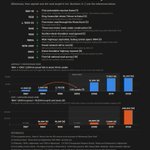


Why has Afghanistan lagged in industrial and technological development?
Conflict, political instability, weak institutions, limited investment, and poor infrastructure have all contributed.
Gap has persisted, from the first Industrial Revolution to today’s digital age. 🇦🇫
30
افغانستان ولې له صنعتي او ټکنالوژیک پرمختګ څخه وروسته پاتې شو؟
کمزوري بنسټونه، اوږدې جګړې، سیاسي بېثباتي، محدودې پانګونې او کمزورې زېربناوې د دې وروستهوالي مهم عوامل دي.
دا انفوګرافیک ښيي چې دغه واټن له لومړي صنعتي انقلاب څخه تر ننني ډیجیټلي عصر پورې څنګه دوام کړی.

1
5
158
افغانستان پخوا له یو بل سره کم نښلول شوی و، او لسیزو جګړو شته زیربناوې هم ویجاړې کړې؛ تر ۲۰۰۲ کال پورې یوازې شاوخوا ۵۰ کیلومتره پاخه سړکونه د استفادې وړ پاتې وو. په راتلونکو ۲۰ کلونو کې زرګونه کیلومتره سړکونه بیا ورغول او پاخه شول او هېواد یې تر بل هر وخت ډېر سره ونښلاوه.

3
95
Afghanistan was once poorly connected, and decades of war devastated what infrastructure existed, leaving only ~50 km of paved roads usable by 2002. Over the next 20 years, thousands of kilometers were rebuilt and paved, connecting the country as never before.

1
56
In 1950, life expectancy in Afghanistan was just 28 years. Today, it’s nearly 67.
But the graph tells a painful story too: years of war are visible in how long people lived.
If Afghanistan had known peace, where might that number be today?


2
64
په ۱۹۵۰ کې د افغانانو د ژوند منځنۍ تمه یوازې ۲۸ کاله وه؛ نن نږدې ۶۷ کاله ده.
خو ګراف یوه ترخه کیسه هم لري: د جګړو کلونه د خلکو په عمر کې هم ښکاري.
که افغانستان جګړې نه وای لیدلې، نن به دا شمېره څو وه؟


2
78
په افغانستان کې د حکومتولۍ په اړه یوه مهمه تګلاره: له ۲۰۰۶ تر ۲۰۱۹ پورې د فساد په اړه د خلکو اندېښنه له ۷۳٪ څخه ۹۱٪ ته لوړه شوه، په داسې حال کې چې په وزیرانو باور کم شو. دا شمېرې د هغه وخت د خلکو جدي اندېښنې څرګندوي.

1
50
Important reflection on Afghanistan’s governance challenges: by 2019, 91% of Afghans reported corruption as a problem in daily life, while 44% expressed confidence in government ministers. These figures capture the serious governance concerns citizens were expressing at the time.

1
38
A powerful reminder: In 2019, 87% of Afghans supported equal education for women and 76% supported women working outside the home. Important context for understanding public attitudes toward women’s education and employment in Afghanistan today.

1
69
Imagine living every day fearing for your family’s safety. In Afghanistan, this fear rose from 40% in 2006 to 75% in 2019. Constant insecurity takes a heavy toll on mental health’ fueling stress, anxiety, and trauma.
Source: The Asia Foundation Surveys
#Afghanistan #MentalHealth

2
88
In 2006, 44% of Afghans said the country was moving in the right direction.
By 2019, only 36% said the same, while 58% believed Afghanistan was moving in the wrong direction.
How public confidence changed in the years before 2021.
The Asia Foundation, Survey of the Afghan People.

1
42
In the 1970s, about 85% of Afghans lived in villages.
Rural areas had much higher child mortality and far lower literacy, especially among women.
A striking snapshot of Afghanistan before decades of war.

په ۱۹۷۰مو کلونو کې شاوخوا ۸۵٪ افغانان په کلیو کې اوسېدل.
په کلیوالو سیمو کې د ماشومانو مړینه لوړه او د سواد کچه—په ځانګړي ډول د ښځو—ډېره ټیټه وه.
د جګړو له لسیزو مخکې د افغانستان یو مهم انځور.

په افغانستان کې د ۵ کلونو څخه کم عمره ۴۲.۸٪ ماشومان ټيټ قد نظر عمر ته لري.
کلي ۴۵.۱٪ vs ښار ۲۹.۵٪
بېوزله ۴۹.۷٪ vs شتمن ۲۶.۷٪
بې تعلیمه سرپرست ۴۵.۹٪ vs لوړې زده کړې ۲۰٪
سوېل ۵۶.۲٪ vs مرکزي ۳۰.۷٪
محدودې تغذیوي سرچینې باید لومړی چېرته ورسېږي؟

Nearly 1 in 2 Afghan children under 5 are stunted: 42.8% nationally.
Rural 45.1% vs urban 29.5%
Poorest 49.7% vs richest 26.7%
No caregiver education 45.9% vs >secondary 20%
South 56.2% vs Central 30.7%
Where should limited nutrition resources go first?
AHS 2025

3
137
Half a century ago, nearly 1 in 3 Afghan children died before age five.
1972–74: 335 per 1,000
2003: 172
2018: 50
Despite decades of war, Afghanistan made remarkable progress—particularly during the Republic years.
A legacy worth remembering.

یو وخت په افغانستان کې نږدې له هرو ۳ ماشومانو یو تر پنځه کلنۍ مخکې مړ کېده.
د ۱۹۷۲–۷۴ سروې: ۳۳۵ په ۱۰۰۰ کې
۲۰۰۳: ۱۷۲
۲۰۱۸: ۵۰
د جګړو او ستونزو باوجود، په ځانګړي ډول د جمهوریت په کلونو کې لوی بدلون راغی.
ستاسو په نظر، د دې پرمختګ تر ټولو مهم لامل څه و؟

له هرو ۱۰ افغان ماشومانو څخه شاوخوا ۴ یې د خپل عمر په پرتله ټیټ قد لري.
دا یوازې یوه شمېره نه ده؛ دا زموږ د ماشومانو د روغتیا او راتلونکي خبره ده.
ستاسو په فکر، ولې لا هم دومره افغان ماشومان له سالمې ودې بېبرخې دي؟
او د تېرو ۲۱ کلونو دې بدلون ته په کوم نظر ګورئ؟ 👇

6
132
په افغانستان کې پولیو یو ځل بیا د زیاتېدو په حال کې ده: په ۲۰۲۶ کال کې ۵۰ پېښې، د تېر کال د ۲۱ پېښو په پرتله.
افغانستان او پاکستان لا هم د نړۍ یوازیني دوه هېوادونه دي چې وحشي پولیو پکې پاتې ده؛ خو پاکستان سږ کال یوازې ۷ پېښې لري.
ولې افغانستان شاته پاتې دی؟
#پولیو #افغانستان
