

Relatos de terror cada noche a las 3:00 🕯️ Leyendas de España y Latinoamérica. Si lees esto de noche, ya sabe que estás despierto.
Detrás de ti
Joined November 2026
- Tweets300
- Following75
- Followers26
- Likes422

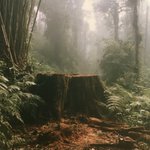


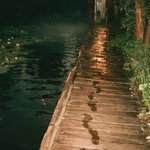


En 1692, en los juicios por brujería de Salem, un granjero de ochenta años llamado Giles Corey se negó a declarar ante el tribunal. Como castigo, lo tumbaron en un campo junto a la cárcel, le pusieron una tabla encima y fueron cargándola de piedras, una a una, durante dos días. Cuenta la tradición que, cada vez que le preguntaban si iba a hablar, solo respondía: «Más peso». Murió el 19 de septiembre. Desde entonces se dice en Salem que su fantasma se deja ver poco antes de cada gran desgracia de la ciudad.
En junio de 1914, Thomas Healy tenía cincuenta y ocho años y llevaba más de veinte cuidando el cementerio de Howard Street, el que linda con el terreno donde aplastaron a Corey. Cortaba la hierba, enderezaba lápidas y cerraba la verja al anochecer. Era un hombre metódico. Apuntaba todo en un cuaderno de tapas negras: el tiempo, los entierros, las lápidas rotas.
En la entrada del 22 de junio escribió que, al cerrar, había visto a un anciano sentado en el suelo junto al muro del fondo. Ropa vieja, muy vieja, de otro siglo. Respiraba con mucha dificultad, «como si tuviera algo encima». Healy le dijo que el cementerio cerraba y el anciano no contestó. Se dio la vuelta para coger el farol y, cuando volvió a mirar, no había nadie. La hierba donde estaba sentado seguía aplastada.
En la entrada del 23, la letra tiembla. El anciano estaba en el mismo sitio, a la misma hora. Healy se acercó con el farol y esta vez le vio la cara. Tenía el pecho hundido, aplastado hacia dentro, y las costillas le asomaban rotas por la camisa. La lengua, hinchada y negra, le colgaba fuera de la boca. Los ojos estaban reventados de sangre. Healy escribió que el anciano levantó la mano, lo agarró de la muñeca con unos dedos fríos como piedra mojada y le dijo con una voz que sonaba a huesos crujiendo: «Más peso».
Healy se soltó de un tirón y corrió hacia la verja con el farol bailando en la mano. Detrás oía algo que se arrastraba por la hierba, despacio pero sin pararse, y un ruido de piedras que chocaban entre sí, como si alguien las llevara encima. La verja estaba cerrada con su propio candado, y la llave seguía en su bolsillo. Saltó el muro y se rompió dos dedos al caer. Desde la acera oyó, al otro lado de la piedra, una respiración que silbaba y una voz que repetía, cada vez más cerca del muro: «Más peso. Más peso».
Le quedaron cuatro marcas moradas en la muñeca durante semanas.
La entrada del 24 es solo una línea: «No he ido a cerrar».
El 25 de junio de 1914, a la una y media de la tarde, empezó un incendio en una fábrica de cuero de Boston Street. El viento lo empujó por media ciudad. Ardieron más de mil trescientos edificios y unas veinte mil personas se quedaron sin casa. Es el Gran Incendio de Salem, y figura en todos los libros de historia del estado.
El cuaderno de Healy no tiene más entradas. Pidió que lo relevaran del cementerio aquel verano y se mudó con su hija a Lynn. Su hija contó años después que su padre dormía sentado, apoyado en almohadas, porque tumbado decía notar un peso en el pecho que no lo dejaba respirar. Y que algunas noches, medio dormido, preguntaba en voz baja si ya había terminado.


Una moneda de cobre brillaba en la acera. La recogí, me vi en ella y sonreí. Llevo una semana sin dejar de sonreír. Mi cara ya no me obedece.
In March 1979, a crew of six men climbed into a ravine outside Aguadas, in Colombia's coffee region, to clear the forest for a new coffee plot. It was a steep, damp slope covered in giant bamboo and ferns, with a creek at the bottom you could hear from the top. In the middle stood a huge, ancient tree, so wide that three men couldn't reach around it.
The old-timers had warned the landowner that nobody touched that tree. That it was the home of the Madremonte, the mother of the forest, the one they call Marimonda on the coast, and that she never forgave anyone who harmed her woods. The foreman, Efraín Ospina, a man who wasn't afraid of anything, laughed about it in front of everyone and cut the tree down himself with the chainsaw.
That same afternoon, around four, Efraín stepped into the brush to relieve himself, about twenty yards from the group. He never came out.
They searched until dark with flashlights and machetes, shouting his name across the ravine. The men who were there always told it the same way: the strange part wasn't that he didn't answer. It was the silence. Not a single animal on the whole slope. No crickets, no frogs, no birds. Just a heavy smell of wet leaves and turned earth, like after a storm, though it hadn't rained.
On the second night, Arnulfo Giraldo, the youngest of the crew, pointed his flashlight up the slope and froze. Among the bamboo stood a figure almost ten feet tall, covered in moss and in roots that hung like hair, its face hidden behind a tangle of branches. Between the branches, two green lights, perfectly still, watching him. It was holding Efraín by the hand. He walked beside it like a child, barefoot, eyes wide open, not blinking.
Arnulfo screamed his name. The figure turned its head toward him, slowly, and the whole forest cracked at once, as if a thousand branches were snapping. The flashlight died in his hand.
Arnulfo ran blindly down the slope. Behind him the bamboo snapped, stalk after stalk, closer and closer, and long branches clawed at his back and wrapped around his neck like fingers. He fell into the creek and ducked under the water, holding his breath, while something enormous stopped on the bank right above him and sniffed the air.
When the others came running, there was no one. Only a thick smell of rotting leaves and, in the mud, enormous footprints that didn't belong to any animal.
On the third day a fourteen-year-old boy found him sitting in the creek, water up to his waist, shaking with fever. His clothes were covered in moss and his arms were scratched by vines. He had no idea how much time had passed. He just kept saying that a very tall woman had led him by the hand through the forest all night, that her face was covered in branches, and that she wouldn't let him sit down to rest.
Efraín never worked again. He spent months in bed and died in 1983, thin and silent, at his sister's house.
Arnulfo stopped talking for months. One morning in 1981 he left his house at dawn, barefoot, heading for the forest, and never came back. His mother said that the night before she had heard him in the hallway talking to someone who answered in a voice like wind through leaves.
They planted coffee in the ravine, but it never grew right. Today it's thick forest again. The men who still work in that area take off their hats before stepping in among the trees and say "excuse me" under their breath. Nobody laughs about it. And nobody goes in alone.


La Sayona is one of the most feared spirits of the Venezuelan llanos, the vast tropical plains that stretch across Apure, Barinas, Guárico and Portuguesa and on across the Arauca River into Colombia. Kids in Caracas know her name. But the people who really fear her live out on the plains: on the dirt roads between cattle ranches, along the creeks, by the moriche palm swamps, on nights with no moon.
The most common version is about a young woman called Casilda (in some places she's Melisa), married to a good man, with a baby only a few months old. She was as beautiful as she was jealous. She used to bathe in the river, and a man who watched her from the bushes, bitter because she never gave him a second look, told her a lie: her husband was cheating on her. And the other woman was her own mother.
Casilda didn't ask a single question. That night she waited until her husband fell asleep with the baby beside him, and she set fire to their house of mud walls and palm thatch. Then she went to her mother's with a machete. Wounded and dying, the old woman swore it was all a lie, and with her last breath she cursed her daughter: she would wander the roads forever, without rest, punishing men.
The name comes from the saya, the long white gown she appears in. Others say it comes from sayal, the coarse cloth of colonial times, because some versions place her long before the ranches and the highways.
She appears to men who travel alone at night, especially womanizers and men coming home from seeing someone they shouldn't. At first she's a tall, slender, stunning woman with black hair down to her waist, standing by the side of the road. She says good evening and asks him to walk with her. If he's on horseback, the horse panics and no spur will make it go on. If he's on foot, she walks beside him, half a step behind, and he can never quite see her face.
Plainsmen say the first thing you notice is the smell, wet ash and burnt flesh. Then that her feet make no sound. And that the faster the man walks, the closer she gets, until he feels her cold breath on his ear.
When he finally turns around, her face is no longer a face. It's a skull with skin stretched tight over the bone, huge bloodstained teeth and two red eyes glowing like coals. Some versions say she grows taller than the palm trees and lets out a laugh you can hear across the whole savanna.
Some men are found at dawn lying on the road, burning with fever, unable to speak. Others are found dead, without a scratch, their faces twisted. And some are never seen again.
That's why on the plains they say you never give a ride to a woman waiting alone on a road at night. And if you do see her, you pray the Creed without missing a single word, or you curse at her until she leaves, because they say she can't stand either one.
She has relatives all over Latin America: La Llorona in Mexico, La Patasola in Colombia, La Tulivieja in Panama. All of them women who did something unforgivable out of love or jealousy, and were left to wander.
Out on the llanos there are still people who swear they know someone who saw her. It's always an uncle, a compadre, a ranch hand from the next farm over. And the story almost always ends the same way: he swears he never went out at night again, and his wife says that, after that, he didn't need to.


En noviembre de 1984, Julián Mendoza conducía un camión de ganado entre Calabozo y San Fernando de Apure, en los llanos venezolanos. Tenía treinta y dos años, una esposa en Calabozo y fama, en todas las paradas de la ruta, de no volver nunca directo a casa.
La noche del 22 salió tarde de una fiesta en un caserío cerca de Camaguán. Era una carretera recta, sin luz, con la sabana a los dos lados y el olor a monte quemado de la temporada. Pasada la medianoche vio en el arcén a una mujer sola, alta, con un vestido blanco largo y el pelo negro suelto hasta la cintura. Le hizo una seña con la mano.
Julián paró. Ella no subió. Caminó delante del camión, despacio, por el borde de la carretera, y cada tanto se giraba lo justo para que él viera que sonreía, pero nunca lo suficiente para verle bien la cara. Él la siguió a paso de hombre con las luces largas. Luego se bajó y la siguió a pie, porque ella se había metido por un camino de tierra hacia un palmar.
Los llaneros conocen esa historia. Hablan de la Sayona: una mujer que, engañada y loca de celos, quemó su casa con su propia madre dentro, y a la que la madre, antes de morir, maldijo a vagar para siempre detrás de los hombres infieles. Se les aparece hermosa, los lleva lejos y, cuando por fin se da la vuelta, tiene cara de calavera, dientes enormes y ojos de candela.
Julián no se fijó en que las reses habían dejado de mugir en la caja del camión. Ni en que en todo el palmar no cantaba un grillo. Solo cuando ella se paró, de espaldas, a cincuenta metros de la carretera, notó el olor: a ceniza mojada, a casa quemada. Ella se rio bajito, una risa de muchacha. Y se dio la vuelta.
Julián echó a correr hacia las luces del camión, a través del palmar. Detrás de él sonaban unos pasos que no eran de mujer: algo que corría a cuatro patas, rápido, golpeando el suelo con los huesos. La risa le sonaba ya en la nuca, y con ella un aliento caliente que olía a carne quemada. Lo alcanzó a cien metros de la carretera. Lo derribó de un zarpazo en la espalda y lo arrastró por los tobillos, boca abajo, de vuelta hacia la oscuridad, mientras él se agarraba a la tierra con las uñas y la oía decir su nombre, Julián, Julián, con la voz de su esposa.
Uno de los vaqueros de un hato cercano, Ramón Sosa, había salido antes del alba a buscar un becerro y vio el final. Contó que, de lejos, le pareció una muchacha de blanco inclinada sobre un hombre tirado en un caño seco, como cuidándolo. Se acercó al trote. Ella levantó la cabeza.
La cara era una calavera con la piel pegada al hueso, gris, rajada. Tenía los dientes enormes, largos como de caballo, y manchados de sangre. Los ojos eran dos brasas rojas. Lo miró fijamente, soltó una carcajada aguda que espantó a los caballos y se deshizo en la oscuridad como humo, mientras la risa seguía sonando por todo el palmar.
Ramón encontró a Julián boca abajo en el caño, a casi dos kilómetros de la carretera. Estaba vivo. Tenía la camisa hecha tiras, arañazos largos y hondos en la espalda, las uñas arrancadas de tanto agarrarse a la tierra y la mirada fija en el suelo. El camión seguía en la carretera, con las luces encendidas y la puerta abierta. Dos de las reses estaban muertas en la caja, sin una herida.
Julián tardó semanas en volver a hablar. Cuando lo hizo, solo dijo que ella le había susurrado al oído el nombre de cada mujer con la que había estado, una por una, y que la última era su propia esposa.
Dejó la ruta y vendió el camión. Vivió muchos años más en Calabozo, con la misma esposa, sin salir de noche. Los vecinos recuerdan una costumbre suya que nunca explicó: si iba por la calle y oía a una mujer reírse detrás de él, no se volvía. Se paraba en seco, cerraba los ojos y esperaba a que la risa pasara de largo.


In August 1997, Ramiro Salgado had been working as a night watchman for eleven years at a plant nursery in Xochimilco, on the edge of the Cuemanco canal, south of Mexico City. His shift ran from ten at night to six in the morning. He had a tin shack with a bare bulb, a plastic chair, a battery radio and two stray dogs that had decided to live there.
He was a practical man. He laughed at his mother for lighting candles and said the only scary thing on the canals was drunks on the party boats.
On the night of the 14th, a little after three in the morning, he heard a woman crying across the water. Not screaming. A low, worn-out kind of crying, like someone who had been at it for a long time. He figured some girl had been left behind after a party, grabbed his flashlight and walked down to the dock.
The dogs didn't follow him. They crawled under the shack and wouldn't come out.
The beam ran over black water, water lilies, the floating gardens on the other side. Nobody. But the crying went on, and now it sounded closer, as if it were coming from his side of the canal. Then closer still. Ramiro said later that this was the moment he understood: he wasn't hearing anyone's footsteps. Whatever was coming was coming through the water.
He ran down the boards. Beside him the canal churned as if something were swimming along the edge of the dock, matching his speed, and the crying followed him right at his ear, so close he felt an icy breath on the back of his neck that smelled like mud. Something wet grabbed his ankle. He fell flat, kicked himself free and crawled the last few yards to the shack.
He bolted the door. Through the little window, he saw her.
A woman in white, standing on the water, six feet from the dock. Not floating. Standing, as if there were ground beneath her. Her soaked dress clung to a body that was too thin, too long. Black hair covered her whole face and dripped down to her waist. She was crying with her head down.
Then she stopped.
She lifted her face slowly. Through the wet strands Ramiro saw she had no eyes, just two dark holes full of canal water. Her mouth opened far wider than a mouth can open, and out came a scream, "¡Ay, mis hijos!", so loud the bulb in the shack burst.
Ramiro spent the rest of the night in the dark, on his knees, praying what little he remembered. For hours he heard something scraping the tin from outside, back and forth, slowly, looking for a way in.
At six his boss found him pale and silent. On the boards of the dock there were wet footprints. Bare feet, small, a woman's. They came out of the canal, went up to the door of the shack, turned around and went back into the water. With the sun already up, they still hadn't dried. The outside of the shack was covered in long scratches, at the height of a face.
That same night, in the Caltongo neighborhood, half a mile away, a woman woke up to find her window open and her two-year-old's crib empty. The sheets were wet and smelled like the canal. They searched the canals and floating gardens for a week. They never found him.
Ramiro quit that week and never went back to Xochimilco. His family says that for the rest of his life, whenever one of his grandchildren cried at night, he was always the first one up to soothe them. He said you had to quiet them fast. In case someone out there heard them and thought they were hers.


La Sayona es uno de los espantos más temidos de los llanos de Venezuela. Se cuenta desde hace generaciones en Apure, Barinas, Guárico y Portuguesa, y también al otro lado del río Arauca, en los llanos de Colombia. La conocen hasta los niños de Caracas, pero donde de verdad se le tiene miedo es en el campo: en los caminos de tierra entre un hato y otro, en las orillas de los caños y en los pasos de los morichales, las noches sin luna.
La versión más repetida habla de una mujer joven llamada Casilda (en otros sitios la llaman Melisa), casada con un hombre bueno y madre de un niño de pocos meses. Era tan hermosa como celosa. Tenía la costumbre de bañarse en el río, y un hombre que la espiaba desde el monte, despechado porque ella nunca le hizo caso, le contó una mentira: que su marido la engañaba. Y que la otra era su propia madre.
Casilda no preguntó nada. Esa noche esperó a que su marido se durmiera con el niño al lado y le prendió fuego a la casa de bahareque y techo de palma. Después fue a casa de su madre con un machete. La vieja, ya herida, le juró que todo era mentira, y antes de morir la maldijo: vagaría para siempre por los caminos, sin descanso, castigando a los hombres.
El nombre viene de la saya, la bata blanca y larga con la que se aparece. Otros dicen que viene del sayal, la tela basta de la época colonial, porque hay versiones que la sitúan mucho antes de los hatos y las carreteras.
Se les aparece a los hombres que andan solos de noche, sobre todo a los mujeriegos y a los que vuelven de ver a otra. Al principio es una mujer alta, delgada y bellísima, con el pelo negro hasta la cintura, de pie a un lado del camino. Saluda y pide que la acompañen. Si el hombre va a caballo, el animal se espanta y no hay espuela que lo haga avanzar. Si va a pie, ella camina a su lado, un paso por detrás, y él nunca consigue verle bien la cara.
Los llaneros dicen que lo primero que se nota es el olor, a ceniza mojada y a carne quemada. Que no hace ruido al pisar. Y que cuanto más aprisa camina el hombre, más cerca la tiene, hasta notarle el aliento frío en la oreja.
Cuando él por fin se gira, la cara ya no es una cara. Es una calavera con la piel pegada al hueso, unos dientes enormes y manchados de sangre y dos ojos rojos que brillan como brasas. Algunas versiones cuentan que crece hasta ser más alta que las palmas y que suelta una carcajada que se oye en toda la sabana.
A unos los encuentran al amanecer tirados en el camino, con fiebre y sin poder hablar. A otros, muertos, sin una herida y con la cara retorcida. Y de algunos no se vuelve a saber nada.
Por eso en el llano se dice que a una mujer que espera sola en un camino de noche no se la recoge. Y que, si uno la ve, hay que rezar el Credo sin equivocarse en ninguna palabra o gritarle groserías hasta que se vaya, porque dicen que no soporta ninguna de las dos cosas.
Tiene parientes en todo el continente: la Llorona en México, la Patasola en Colombia, la Tulivieja en Panamá. Todas son mujeres que hicieron algo imperdonable por amor o por celos y se quedaron vagando.
En el llano todavía hay quien asegura conocer a alguien que la vio. Siempre es un tío, un compadre o un peón de otro hato. Y la historia casi siempre acaba igual: él jura que no volvió a salir de noche, y su mujer dice que desde entonces no hizo falta.


Todos los espejos de la casa estaban tapados con sábanas cuando llegué. —Es por tu abuelo —dijo mi madre—. No debe vernos. La sábana del salón se movía desde dentro.
18
🕯️ LEGEND · Colombia 🇨🇴
At the Barranquilla Carnival, people dress up as the marimonda and laugh. In the mountain forests of Antioquia, nobody laughs. There, the Marimonda, also called Madremonte, "Mother of the Forest", owns the woods. And she does not forgive.
She is impossibly tall, covered in moss and vines, her face hidden behind branches. Nobody sees her coming. First the birds go quiet. Then the crickets. Then the river stops making a sound. And the air starts to smell of wet earth.
She takes the ones who cut trees without asking, who hunt too much, who steal land, and unfaithful husbands. Some are found days later, feverish, repeating that something was watching them from the trees. Others are never found.
The old ones say never look into her eyes. They glow green, like embers, between the branches.
So if tonight your house goes strangely silent and you smell wet leaves… don't look at the window. 🕯️
En agosto de 1997, Ramiro Salgado llevaba once años trabajando de velador en un vivero de Xochimilco, a la orilla del canal de Cuemanco. El turno iba de las diez de la noche a las seis de la mañana. Tenía una caseta de lámina con un foco pelón, una silla de plástico, un radio de pilas y dos perros callejeros que se habían quedado a vivir allí, el Chato y la Güera.
Era un hombre práctico. Se reía de su madre cuando ponía veladoras y decía que lo único que asustaba en los canales eran los borrachos de las trajineras.
La madrugada del 14, poco después de las tres, empezó a oír a una mujer llorando del otro lado del agua. No gritaba. Era un llanto bajo y cansado, de alguien que ya lleva mucho rato llorando. Ramiro pensó que sería alguna muchacha que se había quedado tirada después de una fiesta, cogió la linterna y bajó al embarcadero.
Los perros no lo siguieron. Se metieron debajo de la caseta y no hubo forma de sacarlos.
La linterna alumbraba el agua negra, los lirios, las chinampas de enfrente. No había nadie. Pero el llanto seguía, y ahora sonaba más cerca, como si viniera del mismo lado del canal donde estaba él. Luego sonó más cerca todavía. Ramiro contó después que en ese momento entendió algo: no estaba oyendo los pasos de nadie. Lo que se acercaba venía por el agua.
Echó a correr por las tablas. A su lado, el agua del canal se agitaba como si algo nadara pegado al borde del embarcadero, a su misma velocidad, y el llanto lo seguía a la altura del oído, tan cerca que notó en la nuca un aliento helado que olía a lodo. Algo mojado le agarró el tobillo. Cayó de bruces, se soltó a patadas y se arrastró a gatas los últimos metros hasta la caseta.
Echó el cerrojo. Por la ventanita de mica la vio.
Una mujer de blanco, de pie sobre el agua, a dos metros del embarcadero. No flotaba: estaba de pie, como si debajo hubiera suelo. El vestido empapado se le pegaba al cuerpo, que era demasiado delgado, demasiado largo. El pelo negro le tapaba la cara entera y le chorreaba hasta la cintura. Lloraba con la cabeza baja.
Entonces dejó de llorar.
Levantó la cara despacio. Entre los mechones mojados, Ramiro vio que no tenía ojos: solo dos huecos oscuros, llenos de agua del canal. La boca se le abrió mucho más de lo que se puede abrir una boca, y de ahí salió un alarido, «¡Ay, mis hijos!», tan fuerte que el foco de la caseta reventó.
Ramiro pasó el resto de la noche a oscuras, de rodillas, rezando lo poco que recordaba. Y durante horas oyó algo arañar la lámina por fuera, de un lado a otro, despacio, buscando por dónde entrar.
A las seis llegó el encargado y lo encontró pálido, sin hablar. En las tablas del embarcadero había huellas mojadas de pies descalzos, pequeños, de mujer. Salían del canal, subían hasta la puerta de la caseta, daban la vuelta y volvían al agua. A esa hora, con el sol ya fuera, seguían sin secarse. La lámina de la caseta tenía rayones largos por fuera, a la altura de una cara.
Esa misma madrugada, en el barrio de Caltongo, a un kilómetro de allí, una mujer se despertó con la ventana abierta y la cuna de su hijo de dos años vacía. Las sábanas estaban mojadas y olían a canal. Lo buscaron una semana entera por los apantles y las chinampas. Nunca lo encontraron.
Ramiro dejó el trabajo esa misma semana y nunca volvió a Xochimilco. Su familia cuenta que, hasta que murió, cada vez que uno de sus nietos lloraba de noche, él era el primero en levantarse para calmarlo. Decía que había que callarlos pronto. No fuera que alguien, allá afuera, los oyera y creyera que eran suyos.


🕯️ LEYENDA · Colombia 🇨🇴
En el Carnaval de Barranquilla la gente se disfraza de marimonda y se ríe. En el monte de Antioquia y Caldas nadie se ríe. Allí la Marimonda, también llamada Madremonte, es la dueña del bosque. Y no perdona. (1/4)
1
39
🕯️ LEGEND · Salamanca, Spain 🇪🇸
Beneath the old church of San Cebrián, in Salamanca, there was a crypt. Legend says that down there, in secret and by candlelight, the Devil himself taught the dark arts to students.
The rules were simple: seven students, seven years of study. They would learn magic, divination and necromancy. And at the end, one of them would have to stay down there forever, in the master's service.
They say the chosen one was the Marquis of Villena. But he hid inside a large clay jar and, when the Devil came for him, he managed to escape… leaving his shadow behind as payment. From then on he walked the world without one.
The cave still exists and you can visit it. They say that if you stand still inside, sometimes there's one shadow too many next to yours. Tonight, before you turn off the light, count the shadows in your room. If there's one extra, don't move. It hasn't moved either… yet. 🕯️
32
🕯️ LEYENDA · Salamanca 🇪🇸
Bajo la antigua iglesia de San Cebrián, en Salamanca, había una cripta. Cuenta la leyenda que allí, a escondidas y a la luz de las velas, el mismísimo diablo daba clases de artes oscuras a los estudiantes. (1/4)
1
24
🕯️ LEGEND · Plains of Venezuela & Colombia 🇻🇪🇨🇴
On the plains there's a whistle nobody wants to hear at night. It climbs the notes do, re, mi, fa, sol, la, ti… then drops. They call him El Silbón, "the Whistler": impossibly tall and thin, carrying a sack full of bones.
They say he was a young man who killed his own father. His grandfather tied him to a tree, whipped him, rubbed chili into the wounds and cursed him to carry his father's bones forever. Then he set the dogs on him.
Now he roams the savanna, taller than the trees, counting bones. Some nights he sits by a house and counts them one by one.
But the whistle is what you fear. If it sounds close, you're safe: he's far away. If it sounds far… he's right next to you. So if tonight you hear someone whistling in the distance… don't feel relieved. 🕯️
35
🕯️ LEYENDA · Llanos de Venezuela y Colombia 🇻🇪🇨🇴
En los llanos hay un silbido que nadie quiere oír de noche. Sube por las notas do, re, mi, fa, sol, la, si, y luego baja. Lo llaman el Silbón: un espanto altísimo y flaco que carga un saco lleno de huesos. (1/4)
1
3
52
🕯️ WITCHCRAFT · England 🇬🇧
March 1612, northern England. A young beggar, Alizon Device, meets a peddler on the road and asks him for some pins. He refuses. Minutes later, the man collapses, paralysed.
Alizon believed she had done it with her curse. She confessed. And that confession dragged in her family and her neighbours around Pendle Hill, accused of killing people with spells and clay figures.
In August, at Lancaster Castle, the trial began. Twelve accused. The most feared of them, a blind old woman called Demdike, died in her cell before it started. Of the rest, ten were hanged.
Today Pendle Hill is said to be one of the most haunted places in England. Some climb it at night and, on the way down, hear footsteps behind them the whole way, though they're alone. The locals have one piece of advice: if you hear them, don't turn around. Let them think you didn't notice. 🕯️
1
41
🕯️ BRUJERÍA · Inglaterra 🇬🇧
Marzo de 1612, norte de Inglaterra. Una joven mendiga, Alizon Device, se cruza en un camino con un vendedor ambulante y le pide unos alfileres. Él se niega. Minutos después, el hombre cae al suelo, paralizado. (1/4)
1
27
🕯️ LEGEND · Mexico 🇲🇽
In Mexico there's a cry everyone knows, even if they've never heard it: "¡Ay, mis hijos!" — "Oh, my children!" They say it echoes at night by rivers and canals.
The legend says a woman, abandoned by the man she loved, drowned her children in the river. When she realized what she'd done, she threw herself in after them. But on the other side, she wasn't let in without them.
So she wanders by the water, dressed in white, wet hair covering her face, searching. Back in colonial times, people in Mexico City shut their windows when they heard her wail.
Mothers still keep their kids away from the water after dark. So if tonight you hear a woman crying outside, don't open the window to see who it is. And whatever you do, don't say your children's names out loud. 🕯️
62
🕯️ LEYENDA · México 🇲🇽
En México hay un grito que todo el mundo conoce aunque nunca lo haya oído: «¡Ay, mis hijos!». Dicen que se escucha de noche junto a ríos, canales y acequias. Y que, si lo oyes, ya es tarde para fingir que no. (1/4)
1
13