

Building friendships worldwide while chasing big dreams. 🌍🤝✨
Joined May 2026
- Tweets2.5K
- Following215
- Followers2.4K
- Likes46.7K






🇯🇵 I’m Japanese.
I have a serious and difficult question for Americans. 🇺🇸
During World War II, Japan committed acts that caused immense suffering.
As a Japanese person, I believe we must never turn away from the darkest parts of our history.
So I want to ask you something.
If you had to name just ONE action committed by Japan during WWII that you find impossible to forgive, what would it be?
I know this is a painful question.
But I genuinely want to understand how Americans view our shared history.
Please be honest, even if your answer is difficult for a Japanese person to hear. 🇯🇵🇺🇸
I’m here to listen, not to argue.
🇯🇵 I’m Japanese.
I have a story and a heartfelt question for Americans. 🇺🇸
Have you ever heard of the Battle of Peleliu?
September 15, 1944.
On a small island in the Pacific, roughly 9 km long and 3 km wide, American forces launched an attack against Japanese troops defending the island.
The island had an airfield considered strategically important for American operations in the Pacific.
American commanders expected the battle to be over in just a few days.
But they were wrong.
The fighting lasted more than 70 days.
Japanese soldiers, commanded by Lieutenant General Kunio Nakagawa, had prepared defensive positions inside caves, rocky hills, and coral formations.
They used their knowledge of the terrain to resist the advancing American forces.
The battle became a nightmare for both sides.
Approximately 9,600 American soldiers were killed, wounded, or otherwise became casualties.
Nearly 11,000 Japanese soldiers lost their lives.
And for those who survived, the memories of battle would not simply disappear.
As the Japanese defenders approached their final moments, a message was transmitted.
“SAKURA.”
Cherry blossoms. 🌸
The word was repeated as a coded signal associated with the final stage of their resistance.
In Japan, cherry blossoms are often associated with beauty, the fleeting nature of life, and the arrival of spring.
Soon afterward, Nakagawa took his own life.
On November 27, 1944, American forces declared Peleliu secure.
But the story did not end there.
Deep inside the island’s caves, a small group of Japanese soldiers continued to survive.
They did not know that Japan had surrendered in August 1945.
They continued hiding and resisting, believing the war was not over.
For nearly two more years, they lived with limited food and supplies.
Finally, on April 22, 1947, the last 34 Japanese holdouts surrendered.
A war that had ended for the world was finally over for them, too.
And now, I want to ask you something.
Not as an enemy.
Not as someone trying to justify the actions of Japan during WWII.
But simply as a Japanese person speaking to Americans.
We cannot change what happened.
We cannot bring back the Japanese or American soldiers who died.
And we should never forget their suffering.
But we can decide what kind of future we want to share.
So, to every American reading this… 🇺🇸
If Japan reaches out its hand in friendship, will you continue to hold it?
And someday…
Could we stand together, not on a battlefield, but beneath the cherry blossoms, smiling as friends? 🇯🇵🤝🇺🇸🌸
I would genuinely love to hear your answer.


🇯🇵 I’m Japanese.
I have a serious question for Americans. 🇺🇸
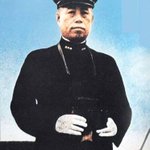
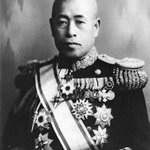
Before WWII, Japanese Admiral Isoroku Yamamoto understood America’s enormous industrial power.
He strongly opposed going to war with the United States.
Yet he later planned the attack on Pearl Harbor. 🇯🇵⚔️🇺🇸
Why would a man who understood America’s strength lead an attack against it?
Was he following orders, or did he believe Japan had no other choice?
In April 1943, Yamamoto was killed when American fighter planes intercepted and shot down his aircraft.
He opposed war with America, planned the attack on Pearl Harbor, and ultimately died at the hands of American forces.
As an American, how do you view Yamamoto’s life, decisions, and death?
I’d genuinely like to hear your perspective.


🇯🇵 I’m Japanese.
I have a serious question for Americans. 🇺🇸
I’ve come across a claim that many Japanese soldiers during WWII had bullet wounds in their backs.
I don’t know whether this claim is historically accurate, but it made me wonder…
If it were true, what could explain it?
Were some Japanese soldiers shot while retreating?
Could friendly fire have been a factor?
Or were there other explanations?
As a Japanese person, I genuinely want to understand what happened on the battlefield.
I’d especially like to hear from Americans who study military history.
🇯🇵 I’m Japanese.
I have a deeply personal question for Americans. 🇺🇸
If I were ordered to go to war, I honestly think I’d be terrified and try to run away.
I suspect many Japanese people today would feel the same.
So I’ve always wondered…
What made ordinary people go to war during WWII?
Was it anger toward the enemy?
Was it patriotism?
Was it because everyone around them was fighting?
Or was it fear of what would happen if they disobeyed orders?
Did soldiers truly want to fight, or did they feel they had no choice?
As a Japanese person, I genuinely want to understand.
What do you think was the strongest force that drove people onto the battlefield?
🇯🇵 I’m Japanese.
I have a serious question for Americans. 🇺🇸
Before World War II, Japan fought two major wars:
🇨🇳 The First Sino-Japanese War (1894–1895)
🇷🇺 The Russo-Japanese War (1904–1905)
Japan emerged victorious from both.
As a Japanese person, I’ve always wondered…
Did these victories make Japan overconfident in its military power?
Could they have contributed to Japan’s decision to challenge the United States decades later?
Do you think Japan’s earlier victories helped set the stage for its eventual defeat in WWII?
I’d genuinely like to hear the American perspective.

🇯🇵 I’m Japanese.
I have a serious question for Americans. 🇺🇸
During WWII, Japan sent kamikaze pilots on suicide missions against American warships. 🇯🇵⚔️🇺🇸
Many of these pilots were very young.
As a Japanese person, I find their stories deeply heartbreaking.
How do Americans view the kamikaze pilots today?
Do you see them as brave soldiers, victims of war, or something else?
Can you feel sympathy for someone who was willing to die attacking your country?
I genuinely want to hear your honest thoughts.
🇯🇵 I’m Japanese.
I have a personal question for Americans. 🇺🇸
I wasn’t even alive during World War II.
Yet whenever I read articles about that time, I feel a strange sense of tension.
I find myself wanting to know more and more about what really happened.
Why does a war I never experienced affect me so deeply?
Do Americans ever feel the same way when learning about WWII?
Can history leave emotional scars on generations that never lived through it?
I’d genuinely love to hear your thoughts. 🇯🇵🤝🇺🇸
🇯🇵 I’m Japanese.
I have a serious question for Americans. 🇺🇸
On March 10, 1945, Tokyo suffered one of the deadliest air raids of World War II. 🇯🇵🇺🇸
Tens of thousands of civilians lost their lives.
As a Japanese person, I’ve always wondered…
How do Americans view the firebombing of Tokyo?
Was it a military necessity to bring the war to an end?
Or could the civilian casualties have been avoided?
And were you ever taught about this bombing in school?
I genuinely want to hear the American perspective.


🇯🇵 I’m Japanese.
I have a serious question for Americans. 🇺🇸
When teaching World War II, do you think both Japan and America should teach the parts of history that make their own countries look bad? 🇯🇵🇺🇸
Not just their victories and sacrifices, but also their mistakes and wrongdoing.
Should children learn the uncomfortable truths about their own country’s past, even if it challenges their national pride?
As a Japanese person, I genuinely want to hear your honest opinion.
Can we truly learn from history if we only teach the parts we’re proud of?
🇯🇵 I’m Japanese.
I have a serious question for Americans. 🇺🇸
During World War II, at what exact moment did Japan cross the line that Americans describe as:
“Don’t touch my boats.” 🇯🇵⚓🇺🇸
Was it the attack on Pearl Harbor on December 7, 1941?
Or had Japan already crossed that line before then?
As a Japanese person, I genuinely want to understand the American perspective.
When do you believe Japan crossed the point of no return?
🇯🇵 I’m Japanese.
I have a question for Americans. 🇺🇸
How were you taught about the attack on Pearl Harbor in school? 🇯🇵⚔️🇺🇸
Did your teachers explain WHY Japan attacked America?
Or did they mainly focus on the attack itself and its consequences?
As a Japanese person, I’m genuinely curious about how American schools teach this part of our shared history.
What do you remember learning?
🇯🇵 I’m Japanese.
I have a serious question for Americans. 🇺🇸
During WWII, atomic bombs were dropped on Hiroshima and Nagasaki. 🇯🇵💣🇺🇸
As a Japanese person, I’ve always wondered…
Did America have another way to end the war WITHOUT using atomic bombs?
🤝 Diplomatic negotiations?
🛢️ Continued blockade?
⚔️ A conventional military invasion?
⏳ Waiting for Japan to surrender?
Was there a realistic alternative that could have saved more lives on both sides?
I genuinely want to hear the American perspective.
Please be honest.


🇯🇵 I’m Japanese.
I have a serious question for Americans. 🇺🇸
Looking back at the Pacific War…
At what point do you think war between Japan and America could have been prevented? 🇯🇵⚔️🇺🇸
🛢️ Before the U.S. oil embargo?
🇨🇳 Before Japan’s full-scale invasion of China?
🤝 During the final diplomatic negotiations?
⚓ Just before Pearl Harbor?
Was war truly inevitable, or did our leaders miss a chance for peace?
As a Japanese person, I genuinely want to hear your perspective.
🇯🇵 I’m Japanese.
I have a serious question for Americans. 🇺🇸
Before the Pacific War, Japan depended heavily on American oil. 🇯🇵🛢️🇺🇸
Yet Japan continued to deepen its conflict with the United States.
Why would Japan risk war with the very country it depended on for oil?
As a Japanese person, I honestly struggle to understand this decision.
Was Japan overconfident, desperate, or simply making a terrible strategic mistake?
I’d genuinely love to hear the American perspective.
🇯🇵 I’m Japanese.
I have a serious question for Americans. 🇺🇸
Japan surrendered in August 1945, bringing WWII to an end.
But as a Japanese person, I can’t help wondering…
Didn’t Japan surrender far too late? 🇯🇵⚔️🇺🇸
Could countless lives on both sides have been saved if Japan had surrendered earlier?
When do you think Japan should have admitted defeat?
I genuinely want to hear the American perspective.
Be honest.
🇯🇵 I’m Japanese.
I have an honest question for Americans. 🇺🇸
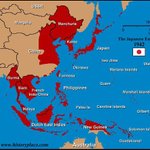
In 1942, Japan was expanding its control across Asia and the Pacific.
But what was Japan actually trying to achieve? 🇯🇵🌏
World domination? Resources? Security? Power?
I’m Japanese, yet I honestly struggle to understand what my own country was trying to accomplish back then.
What do you think Japan’s ultimate goal was?
I’d genuinely like to hear the American perspective.

🇯🇵 I’m Japanese.
I have a question for Americans. 🇺🇸
Two legendary WWII fighter planes:
🇯🇵 Mitsubishi A6M Zero
🇺🇸 North American P-51 Mustang
Which was the better fighter aircraft? ✈️⚔️
I’m no aviation expert, but to my untrained eye, the P-51 Mustang looks far superior.
Am I wrong?
I’d love to hear what Americans think, especially aviation enthusiasts!


🇯🇵 I’m Japanese.
I have a heartfelt question for Americans. 🇺🇸
About 80 years ago, Japan and America were enemies in WWII. 🇯🇵⚔️🇺🇸
Today, many Japanese people love America, and I see so many Americans showing genuine love for Japan.
Two former enemies have become close friends. 🤝❤️
But I’ve always wondered…
How many other countries have built this kind of friendship after fighting a devastating war?
Is the relationship between Japan and America something rare in world history?
As a Japanese person, I’d love to hear your thoughts.
🇯🇵 I’m Japanese.
I have a serious question for Americans. 🇺🇸
Japan has a Self-Defense Force, but its military role is constitutionally restricted. 🇯🇵
How far would America be willing to go to defend Japan? 🇺🇸🤝🇯🇵
Would you support risking American soldiers’ lives to protect our country?
And what makes Japan worth defending in your eyes?
As a Japanese person, I genuinely want your honest opinion.