







🌱 How can universities drive Kenya’s bioeconomy agenda?
On 9th November 2026, university vice-chancellors and key stakeholders gathered at Safari Park Hotel, Nairobi, for a breakfast meeting to explore opportunities for

1
1
The engagement brought together CUE, universities and the Ministry of Education to discuss curriculum integration, research collaboration and innovation for the sustainable utilisation of biological resources.


1
1
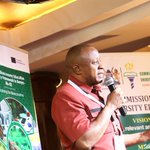
How can private universities leverage the bioeconomy to transform the country?
Here are some insights from Prof. Gideon Maina J.K. (PhD), Vice-Chancellor of Pioneer International University, during the VCs’ Sensitisation Breakfast at the Safari Park Hotel in Nairobi, Kenya.
5
What does it take to build a bioeconomy that actually works for Kenya?
Today, the National Bioeconomy Education and Policy Framework in Kenya (Bio-KE) convened a stakeholder roundtable at NACOSTI to dig into exactly

1
23
Why it matters: a bioeconomy strategy is only as strong as the people and institutions that implement it. Getting policymakers, researchers, and industry aligned early means Kenya's bioeconomy is built on shared priorities, real capacity gaps, and coordinated action not silos.
1
4
Conversations like this one are how frameworks move from paper to practice.
🔗 bio-ke.org
#BioKE #Bioeconomy #Kenya #ScienceForDevelopment
5
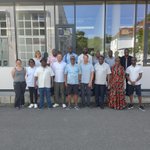
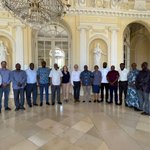
A Kenyan delegation from the National Bioeconomy Education and Policy Framework (Bio-KE) project has concluded a strategic visit to Germany at the University of Hohenheim.

1
23
Led by Kenya's Principal Secretary for the State Department for Science, Research and Innovation, Prof. Shaukat Abdulrazak, alongside the German State Secretary,
1
5
the delegation also participated in a high-level engagement focused on expanding collaboration in research partnerships, innovation ecosystems, higher education, and technology transfer between the two countries.
Read more: bio-ke.org/bio-ke-article-ho…

4


Key areas of focus included curriculum development, policy advancement, research partnerships, innovation, and enterprise growth to enhance the country's bioeconomic resilience.
Read more: bio-ke.org/bio-ke-article-dt…
This Madaraka Day, Bio-Ke celebrates Kenya’s enduring spirit of self-determination and the immense potential of the bioeconomy to power sustainable growth, drive innovation, and create shared prosperity for present and future generations.

3
21 May 2026: Productive engagements during the Bio-KE Work Package 3 (WP3) meeting at Egerton University.


1
1
5
The visit to CoELIB further reinforced the importance of linking academic curriculum development with innovation ecosystems, research, and real-world application.

1
1