





Pinned Tweet
Google AI Overviews love links. Just not at the top anymore. 💔
In my previous post, I showed how Google is adding more inline links to its AI answers.
Now I wanted to look at something else: where the first link actually appears.
I analysed 88M+ chats to track the position of the first inline link in Google AI Overviews. These are links placed directly in the answer text, not the source cards.
👉 On September 21, 76.8% of AI Overviews had their first inline link in the first third of the answer.
👉 By November 20, that number had dropped to 51.8%.
That's a decline of 25 percentage points in just two months, with two noticeable drops around October 9 and October 30.
Today, only about half of AI Overviews place their first inline link in the opening third of the answer.
💡 More links don't necessarily mean more visibility. Even as Google adds more links overall, users may have to read further before encountering the first one.

Brand, company, lifestyle: The three words that shape your brand's images in ChatGPT. 👀
When someone clicks on your brand in a ChatGPT answer, a sidebar opens with additional brand information and a row of images.
Those images aren't picked at random. They come from separate image searches, and the queries follow a recurring pattern.
ChatGPT frequently combines the brand name with three terms:
🔹 "[brand], brand"
🔹 "[brand], company"
🔹 "[brand], lifestyle"
Not in every case, but often enough that the pattern is hard to miss.
👉 Each term tends to surface a different type of imagery
→ Brand: logos, packaging, visual identity
→ Company: offices, stores, headquarters
→ Lifestyle: people using the product in everyday situations
Together, they shape the first visual impression of your brand: what it is, who's behind it, and how it fits into people's lives.
👉 What this means for your brand
Try running these three image searches yourself:
"[your brand], brand"
"[your brand], company"
"[your brand], lifestyle"
The results can give you an indication of the imagery ChatGPT might surface. Outdated logos, old offices or off-brand lifestyle shots could become part of your brand's visual presence in ChatGPT.
👉 Lifestyle deserves particular attention
Brand and company imagery tends to be more predictable. Lifestyle is where things get more interesting. It's not just about what your product looks like. It's about who uses it, how they use it and in what context.

1
1
181
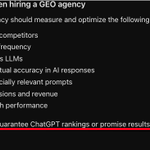
"I would avoid agencies that guarantee ChatGPT rankings or promise results through schema markup and llms.txt files alone."
ChatGPT, October 2026

1
1
87
David Konitzny retweeted
Google AI Overviews love links. Just not at the top anymore. 💔
In my previous post, I showed how Google is adding more inline links to its AI answers.
Now I wanted to look at something else: where the first link actually appears.
I analysed 88M+ chats to track the position of the first inline link in Google AI Overviews. These are links placed directly in the answer text, not the source cards.
👉 On September 21, 76.8% of AI Overviews had their first inline link in the first third of the answer.
👉 By November 20, that number had dropped to 51.8%.
That's a decline of 25 percentage points in just two months, with two noticeable drops around October 9 and October 30.
Today, only about half of AI Overviews place their first inline link in the opening third of the answer.
💡 More links don't necessarily mean more visibility. Even as Google adds more links overall, users may have to read further before encountering the first one.
David Konitzny retweeted
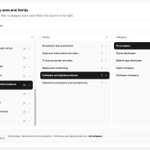
I found 848 business categories in ChatGPT's code... 👀
...and built a little website where you can explore all of them!
I was once again digging through ChatGPT's code, this time looking into the new business profiles, and came across the full list of categories businesses can choose from.
What I found interesting is how they're structured.
👉 All 848 categories are organized into 136 families and 21 broader areas. But when you claim your business profile, you only choose one category, and that's the label people actually see. The other levels stay hidden.
So I thought, why not make the whole thing a bit easier to explore? 😅
And of course, I built it with ChatGPT.
You can search through all 848 categories, see which family and area they belong to, and even switch between local business and online store to preview how your profile card might look.
Feel free to play around with it!
chatgpt-business-profile-cat…
🔎 𝗜 𝗳𝗼𝘂𝗻𝗱 𝘁𝗵𝗲 𝗰𝗼𝗱𝗲 𝗯𝗲𝗵𝗶𝗻𝗱 𝘁𝗵𝗲 “𝗖𝗹𝗮𝗶𝗺 𝘆𝗼𝘂𝗿 𝗯𝘂𝘀𝗶𝗻𝗲𝘀𝘀 𝗶𝗻 𝗖𝗵𝗮𝘁𝗚𝗣𝗧” 𝘀𝗰𝗿𝗲𝗲𝗻𝘀𝗵𝗼𝘁.
It's been circulating on LinkedIn for a few days, and everyone is speculating about what OpenAI is building.
So I opened DevTools, searched for a few terms from the screenshot, and went through the JavaScript code.
𝗛𝗲𝗿𝗲'𝘀 𝘄𝗵𝗮𝘁 𝗜 𝗳𝗼𝘂𝗻𝗱: 👇
🔗 𝗘𝗻𝘁𝗶𝘁𝗶𝗲𝘀 𝗮𝗿𝗲 𝘁𝗵𝗲 𝗳𝗼𝘂𝗻𝗱𝗮𝘁𝗶𝗼𝗻.
ChatGPT already recognizes brands as entities in its answers. Users can click these highlighted names to open a sidebar.
The new business profiles appear to build directly on top of this existing system.
📊 𝗪𝗵𝗮𝘁 𝗰𝗼𝘂𝗻𝘁𝘀 𝗮𝘀 𝗮𝗻 𝗶𝗺𝗽𝗿𝗲𝘀𝘀𝗶𝗼𝗻?
My hypothesis: A brand impression is counted when ChatGPT displays a recognized brand entity in an answer that a user actually sees.
I found general impression-tracking functionality, but not the final definition of the business metric.
🖱️ 𝗪𝗵𝗮𝘁 𝗰𝗼𝘂𝗻𝘁𝘀 𝗮𝘀 𝗮 𝗰𝗹𝗶𝗰𝗸?
The code contains tracking for interactions with business information in the sidebar. These events include the brand, the clicked element, and references to the original answer and conversation.
That means OpenAI can technically connect a business interaction to the ChatGPT answer it came from.
🏢 𝗕𝘂𝘀𝗶𝗻𝗲𝘀𝘀 𝗽𝗿𝗼𝗳𝗶𝗹𝗲𝘀 𝗮𝗻𝗱 𝗔𝗜 𝗮𝗴𝗲𝗻𝘁𝘀.
I also found verified business profiles, ownership claims, disputes, and dedicated Business Agents that users can chat with.
💰 𝗔𝗻𝗱 𝗼𝗻𝗲 𝘀𝘂𝗿𝗽𝗿𝗶𝘀𝗶𝗻𝗴 𝗱𝗲𝘁𝗮𝗶𝗹:
Organic business profiles and sponsored ads appear to lead into the same Business Agent experience.
𝗧𝗵𝗶𝘀 𝗰𝗼𝘂𝗹𝗱 𝗯𝗲 𝗮 𝗯𝗶𝗴 𝘀𝘁𝗲𝗽 𝗳𝗼𝗿 𝗔𝗜 𝘃𝗶𝘀𝗶𝗯𝗶𝗹𝗶𝘁𝘆 𝗺𝗲𝗮𝘀𝘂𝗿𝗲𝗺𝗲𝗻𝘁.
I documented the code, the screenshots, what's confirmed, and what's still speculation.
👇 Full technical breakdown in the article.
linkedin.com/pulse/chatgpts-…
2
4
187
Do YouTube descriptions matter for AI Search?
We tested it and the results were pretty interesting. 👀
YouTube descriptions are probably one of the most underrated parts of video optimization. You can use up to 5,000 characters, yet many only use a fraction of that space.
So we wanted to find out: Can more detailed, well-structured descriptions increase how often AI models retrieve YouTube videos and potentially cite them in their answers?
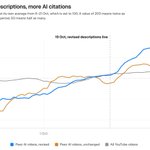
To test this, we updated the descriptions of selected videos and compared their performance with unchanged videos and the overall YouTube trend.
👉 We didn't change the videos themselves. Just their descriptions.
Across all tracked AI models, daily retrievals increased by:
🔵 +359% for videos with revised descriptions
🟠 +17% for videos with unchanged descriptions
⚪ +25% for YouTube videos overall
While YouTube videos generally saw an increase in AI retrievals, videos with optimized descriptions grew significantly faster than the overall trend.
The difference was also visible in individual AI experiences:
Google AI Overviews: +293% vs. +27% overall
Google AI Mode: +129% vs. +11% overall
Of course, this doesn't prove that longer descriptions alone caused the increase. Simply filling all 5,000 characters isn't the goal. But the results suggest that providing more relevant, structured context can make a meaningful difference in AI visibility.
AI visibility isn't always about creating more content. Sometimes it's about making your existing content easier to understand. 🤷♂️


6
6
263
Feel free to check out our YouTube channel!
youtube.com/@Peec-AI/feature…

50
David Konitzny retweeted
If your brand ranks #1 in ChatGPT, how likely is it to stay there? 👀
Imagine asking ChatGPT for the best tools in a category. You get a list of recommendations: Brand A at #1, Brand B at #2, Brand C at #3, and so on.
Now imagine asking the exact same question 100 times.
Would you get the same ranking every time?
Would Brand A always be #1, or would other brands take its place?
And how often would a brand disappear from the list entirely?
👉 I wanted to find out how stable these rankings actually are.
📊 I analyzed 6 million+ ChatGPT chats over the last 90 days, using only non-branded prompts.
I focused on lists and tables where ChatGPT recommends brands or products. For each ranking position, I identified the brand that appeared there and checked how consistently it showed up again.
Here's what I found:
🥇 #1: Holds its position in 74.9% of chats and stays in the top 5 in 90.2%.
🥈 #2: Holds its position in 54.4% and stays in the top 5 in 87.8%.
🥉 #3: Holds its position in 45.0% and stays in the top 5 in 85.6%.
The further down the list, the less stable the rankings become.
👉 At #5, the most common brand keeps its position in just 36.1% of chats. And in almost 1 out of 3 chats (31.7%), it doesn't appear in the top 5 at all.
→ The #1 position is surprisingly stable. The most common #1 brand holds that spot in roughly 3 out of 4 chats.
→ Losing the top spot doesn't mean disappearing. That same brand still appears somewhere in the top 5 in more than 90% of chats.
→ Lower positions are much less predictable. The further down a brand typically ranks, the more likely it is to disappear from the top 5 entirely.
So while ChatGPT rankings do change, being the most common #1 seems to come with a significant advantage in ranking consistency and overall visibility.
David Konitzny retweeted
𝗡𝗲𝗮𝗿𝗹𝘆 𝟰𝟬% 𝗼𝗳 𝗮𝗹𝗹 𝗱𝗲𝘁𝗲𝗰𝘁𝗲𝗱 𝗰𝗼𝗻𝘁𝗿𝗮𝗱𝗶𝗰𝘁𝗶𝗼𝗻𝘀 𝗶𝗻 𝗔𝗜-𝗴𝗲𝗻𝗲𝗿𝗮𝘁𝗲𝗱 𝗮𝗻𝘀𝘄𝗲𝗿𝘀 𝗮𝗿𝗲 𝗿𝗲𝗹𝗮𝘁𝗲𝗱 𝘁𝗼 𝗽𝗿𝗶𝗰𝗶𝗻𝗴.
When analyzing AI Search performance, we typically focus on Brand Visibility and Citation Rate.
Whenever our brand visibility increases, we're naturally happy about it. But how often do we actually check whether the information LLMs provide about our brand is correct?
I analyzed Fact-checking data over the past 28 days to understand which types of information LLMs contradict most frequently, how the results differ between AI models, and what these inconsistencies look like.
📊 𝗪𝗵𝗶𝗰𝗵 𝘁𝗼𝗽𝗶𝗰𝘀 𝗮𝗿𝗲 𝗺𝗼𝘀𝘁 𝗮𝗳𝗳𝗲𝗰𝘁𝗲𝗱?
→ 38.5% of detected contradictions were related to pricing, compared with 11.5% for product features.
→ Across major AI models, pricing contradiction rates were 2.4–3.9x higher than for non-pricing information.
🤖 𝗛𝗼𝘄 𝗱𝗼 𝗔𝗜 𝗺𝗼𝗱𝗲𝗹𝘀 𝗰𝗼𝗺𝗽𝗮𝗿𝗲?
→ ChatGPT had the lowest pricing contradiction rate at 4.28%, while Microsoft Copilot reached 10.67%.
→ Subscription and plan pricing accounted for 39.3% of all pricing contradictions, while product and list prices had the highest relative contradiction rate at 12.15%.
🔎 𝗕𝘂𝘁 𝘄𝗵𝗮𝘁 𝗮𝗿𝗲 𝗟𝗟𝗠𝘀 𝗮𝗰𝘁𝘂𝗮𝗹𝗹𝘆 𝗴𝗲𝘁𝘁𝗶𝗻𝗴 𝘄𝗿𝗼𝗻𝗴?
In 41.1% of pricing contradictions, the AI-generated claim contained different numerical values from the corresponding company fact.
Looking at individual examples, some of these inconsistencies involved prices being associated with the wrong subscription tier, account type, or pricing condition.
💡 𝗚𝗲𝘁𝘁𝗶𝗻𝗴 𝗽𝗿𝗶𝗰𝗶𝗻𝗴 𝗿𝗶𝗴𝗵𝘁 𝗶𝘀𝗻'𝘁 𝗷𝘂𝘀𝘁 𝗮𝗯𝗼𝘂𝘁 𝗿𝗲𝘁𝗿𝗶𝗲𝘃𝗶𝗻𝗴 𝘁𝗵𝗲 𝗰𝗼𝗿𝗿𝗲𝗰𝘁 𝗻𝘂𝗺𝗯𝗲𝗿. It's also about understanding which product, plan, and conditions that number applies to.
I explored these patterns in more detail in my latest analysis, including differences between AI models, pricing categories, and the types of contradictions we observed. 👇
linkedin.com/pulse/why-prici…


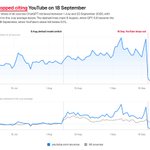
ChatGPT reads your YouTube description, not your transcript. 👀
A few days ago, I showed that YouTube lost 91% of its share of ChatGPT citations.
But there’s one VERY important distinction here 👇
🔎 Retrieved ≠ Cited
YouTube can still be retrieved, considered and used during ChatGPT’s search process without making it into the final answer.
👉 What does ChatGPT actually get when it retrieves a YouTube video?
We already get some answers from the ChatGPT Retrieval Leak. The leak shows that YouTube videos have their own retrieval scoring.
👀 Views and followers act as a small booster, alongside other signals such as channel verification. So we know that ChatGPT doesn’t treat every YouTube video equally. But what information does it actually use from the video?
🎬 The answer is surprisingly simple.
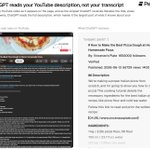
When ChatGPT retrieves a YouTube video, it doesn’t watch it. It gets a text snippet.
And when looking at that snippet, I found something very interesting:
👉 Title
👉 Channel name, follower count & verified status
👉 Publish date, views & likes
👉 The full video description, including links, structured information and timecodes
What’s missing?
❌ The transcript.
📝 And this makes the description extremely important.
It’s the largest block of text ChatGPT has about the video. In this example, it’s longer than everything else combined.
And this is actually where ChatGPT is drawing certain conclusions about your video. The description is part of the information ChatGPT has available to understand what the video is about and how it relates to a query.
📝 And structured information comes through surprisingly well.
Timecodes and lists are preserved, with chapter titles becoming readable information for the model. This means ChatGPT can use your timecodes to understand what is happening at specific points in the video.
👉 Treat your description like a landing page.
Tell ChatGPT what the video is about. Use the relevant terms. Structure the information.

🚨 ChatGPT is falling out of love with YouTube.
YouTube has lost 91% of its share of ChatGPT citations compared to August.
And YouTube isn’t the only major domain getting hit:
📉 facebook. com: −88.1%
📉 wikipedia. org: −78.4%
📉 forbes. com: −71.7%
But there’s one VERY important distinction here 👇
🔎 Retrieved ≠ Cited
This does NOT mean these domains have disappeared from ChatGPT’s retrieval process. They can still be retrieved, considered, and used during search.
They’re just making it into the final cited sources far less often than before.
📊 So, is the 91% just a share effect?
That was my first question too, because citation share alone can be misleading. If ChatGPT suddenly cites way more sources overall, YouTube could lose share even if the absolute number of YouTube citations stayed relatively stable.
So I checked that too.
👉 I indexed YouTube’s actual citation volume against July as the baseline, and the drop is clearly visible there as well.
In other words: YouTube isn’t just getting diluted by a larger citation pool. ChatGPT is actually citing YouTube substantially less often than it did in August.
📊 A quick note on the data
This analysis is based on hundreds of thousands of branded and non-branded prompts, tracked consistently over time. So we’re not talking about a handful of manually tested queries here.
🧪 Don’t believe me? Check your own data 😉
Open your ChatGPT tracking and look at the absolute number of citations coming from these domains over the past few days. You might notice the same pattern.
⚠️ Lower citation frequency does not mean these domains are no longer relevant to ChatGPT retrieval.
These domains may still play a meaningful role in ChatGPT’s retrieval process. What the data shows is much narrower: they’re simply making it into ChatGPT’s final cited sources far less often than before.
Now the interesting question is: why? 🤔

David Konitzny retweeted
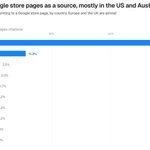
ChatGPT is citing Google store pages as a source 🏪
Alongside retailers own product pages, ChatGPT can also surface a google. com/storepages URL (Google's storepage surface) and cite it in the answer.
The overall share of this URL pattern is still relatively small. But its distribution is interesting.
So I pulled every instance to see where and for which stores it actually appears.
📊 Two URL variants account for the pattern:
• google. com/m/storepages: 75.4%
• google. com/storepages: 24.6%
🌍 And it is almost entirely a US and Australia phenomenon.
🇺🇸 United States: 57.1%
🇦🇺 Australia: 11.3%
🇨🇦 Canada: 2.5%
🇩🇪 Germany: 2.0%
🇮🇳 India: 1.7%
🇬🇧 United Kingdom: 1.2%
🇧🇷 Brazil: 1.2%
🇳🇱 Netherlands: 1.2%
🇫🇷 France: 0.4%
🇮🇹 Italy: under 0.1%
🛒 Which stores show up?
Large US retails:
1️⃣ bestbuy. com: 5.3%, 3 countries
2️⃣ walmart. com: 4.1%, 4 countries
3️⃣ amazon. com: 4.0%, 14 countries
Only amazon. com and ebay. com appear across a meaningful number of markets.
👉 If you are tracking transactional prompts in AI search, it is worth checking which stores are actually being cited most often as sources.
David Konitzny retweeted
🔍 𝗥𝗲𝘀𝗲𝗮𝗿𝗰𝗵 𝗯𝗲𝗰𝗼𝗺𝗲𝘀 𝗺𝗼𝗿𝗲 𝘃𝗮𝗹𝘂𝗮𝗯𝗹𝗲 𝘄𝗵𝗲𝗻 𝗼𝘁𝗵𝗲𝗿𝘀 𝗰𝗮𝗻 𝗯𝘂𝗶𝗹𝗱 𝗼𝗻 𝗶𝘁.
Over the past few weeks, we’ve been analyzing ChatGPT’s retrieval system to better understand what happens between a prompt and the sources that end up in an answer.
Metehan Yeşilyurt discovered a retrieval leak that gave us access to new information about this process.
We used the data to identify 𝘁𝗵𝗲 𝘀𝗲𝗮𝗿𝗰𝗵 𝗲𝗻𝗴𝗶𝗻𝗲𝘀 𝗯𝗲𝗵𝗶𝗻𝗱 𝗖𝗵𝗮𝘁𝗚𝗣𝗧. 🔎
The data contains internal engines, external providers, and dozens of Labrador variants for areas including Reddit, news, finance, legal, medical, local search, images, and more.
We’re making the full list available for everyone to explore. 🌍
As the GEO Research Team at Peec AI, we want to make these systems easier to understand, share what we learn, and give others data they can test and build on.
There are still many unknowns in the data. Some engines don’t have a clear purpose yet. We’re also continuing to test which engines are triggered for different types of queries and how frequently they are used.
This is where more people looking at the data can help. 🧩
If you can identify one of the unknown engines, reproduce when a specific engine is triggered, or find something we missed, let us know.
𝗧𝗵𝗲 𝗳𝘂𝗹𝗹 𝗹𝗶𝘀𝘁 𝗶𝘀 𝗶𝗻 𝘁𝗵𝗲 𝗮𝗿𝘁𝗶𝗰𝗹𝗲 𝗯𝗲𝗹𝗼𝘄.
👉 𝗘𝘅𝗽𝗹𝗼𝗿𝗲 𝘁𝗵𝗲 𝗱𝗮𝘁𝗮 𝗮𝗻𝗱 𝘀𝗵𝗮𝗿𝗲 𝘄𝗵𝗮𝘁 𝘆𝗼𝘂 𝗳𝗶𝗻𝗱.
Tomek Rudzki · Metehan Yeşilyurt · Jan Ehrlinspiel · Malte Landwehr
GEO Research Team @ Peec AI
linkedin.com/pulse/complete-…