

Commercial Style Fire Protection for Residential Grade Appliances • Since 2007
Charlotte, NC
Joined August 2010
- Tweets838
- Following158
- Followers100
- Likes34






Specifying cooking #fireprotection? Start with the right documentation.
Denlar's D1000 Series fire suppression #rangehood is designed for residential-style cooking equipment in limited commercial settings.

Explore Denlar’s listings and compliance information: denlarhoods.com/approvals/
In 2021, U.S. fire departments responded to an estimated 170,000 home #cookingfires, according to the U.S. Fire Administration.
For those who design and manage shared kitchens, the takeaway is clear: make cooking #fireprotection part of the planning conversation.

Explore Denlar’s fire suppression range hoods for your next project:
denlarhoods.com
What is #UL300A?
It sets testing requirements for fire suppression systems that protect residential-style stovetops.
Planning a project? #Denlar can help you find the right system for your kitchen.
Learn more: denlarhoods.com/find-your-lo…

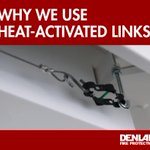
What activates a #Denlar fire suppression system? A small component with an important job: heat-activated links.
When exposed to high heat from a cooking fire, the link melts, mechanically triggering the release of a chemical fire suppressant.

Because this activation is mechanical, it doesn’t depend on electrical power—even during an outage.
See how it works: denlarhoods.com/functionalit…
Unattended cooking contributes to 29% of reported home cooking fires, according to #NFPA.
#Denlar’s fire-suppression #RangeHoods add protection in shared kitchens—from student housing to senior living.
Learn more: denlarhoods.com/

A routine meal can become a serious fire risk.
From 2017–2021, U.S. home #CookingFires caused an average of 470 civilian deaths and 4,150 civilian injuries each year, according to the NFPA.

Unattended cooking was the leading contributing factor—a reminder that safer kitchens start with everyday habits.
At #Denlar, we’re committed to helping protect the shared kitchens where people cook, gather and live.
More than 100 years of fire safety education—and a mission that matters every day.
#Denlar is proud to recognize #FirePreventionWeek, the longest-running public health observance in the United States.

From campus kitchens to senior living communities, we’re committed to helping protect people and the spaces they share.
Explore the history of Fire Prevention Week: nfpa.org/en/events/fire-prev…
Pre-engineered #rangehoods take the guesswork out of stovetop fire safety. Tested, listed, and ready to install, so you get proven security out of the box.
Learn more about #Denlar: denlarhoods.com/functionalit…

#CampusFireSafetyMonth may be ending, but fire safety is a year-round responsibility.
Thank you to the campus professionals, fire safety officials and students working every day to create safer environments.


What does campus #FireProtection look like in practice?
From installation to real-world fire events, colleges and universities have seen #Denlar fire suppression systems at work.


Hear directly from campus professionals about their experience with Denlar and protecting residential-style cooking environments.
For more information, visit denlarhoods.com/campus-fire-…
A safer campus kitchen starts with the basics. #CookingFires are a major fire safety concern in campus housing, making simple prevention practices especially important.
Check out this #NFPA resource for practical tips to help students cook safely:
content.nfpa.org/-/media/pro…
What difference does the “A” make?
UL300 and #UL300A aren't interchangeable.

UL300 addresses fire suppression for commercial cooking equipment. UL300A addresses fire suppression for residential-style cooking equipment in applicable occupancies—such as #studenthousing applications.
Knowing the difference helps you specify ideal protection for the space.