

🏴 Dad & husband | Clinical PhD Fellow, Alzheimer's Society & Exeter University | Geriatrics registrar | Rugby fan 🏉
Exeter, England
Joined November 2018
- Tweets58
- Following212
- Followers57
- Likes30



Geraint Phillips retweeted

The NHS has several ways to support you when hospitals are busy:
For ongoing or non-emergency health issues, your GP is your first port of call.
For minor illnesses, check in with your local pharmacy.
For urgent advice when it’s not an emergency, NHS 111 is available 24/7.

Geraint Phillips retweeted

Do you agree that everyone living with dementia deserves the benefits of an early and accurate diagnosis?
Become an Alzheimer's Society campaigner and help us demand that people in power make dementia the priority it needs to be: spkl.io/6018fYUvY (3/3)
Geraint Phillips retweeted

🧠 𝐃𝐞𝐥𝐢𝐫𝐢𝐮𝐦 𝐓𝐨𝐝𝐚𝐲, 𝐃𝐞𝐦𝐞𝐧𝐭𝐢𝐚 𝐓𝐨𝐦𝐨𝐫𝐫𝐨𝐰?
▶️ Multiple studies now show that delirium is a major risk factor for dementia.
⁉️ It's a puzzle why delirium is hardly mentioned in the dementia literature, including as a risk factor for dementia.
🧩 Especially given that 1 in 4 older people in hospital have delirium - & there is potential to do something about it!
🔗 bmj.com/content/384/bmj-2023…
@alzassociation @DementiaUK @DementiaGuru @alzfdn @DementiaSociety @WeAreHFC @AlzDisInt @AlzCanada @alzheimerssoc @DementiaFriends @alzfdn @alzheimersocirl @BetterResearch @USC_ADResearch @demrescommunity @beatdementia @beatdementia @jasonkarlawish @ProfRobHoward @RudyTanzi @MiiaKivipelto @LonSchneiderMD @BenedictNeuro @DementiaAus @DementiaLeague @ProfLizSampson @JKDhesi
Further info on delirium: the4at.com/deliriumguide
Image by freepik: freepik.com/

Geraint Phillips retweeted

Having started my career in basic neuroscience research, I have always understood Alzheimer disease to mean the pathophysiology associated with amyloid plaques and tau tangles. As a clinician, I appreciate that the relationship between Alzheimer disease and cognitive impairment is complex.
1. Clinically diagnosing the cause of cognitive impairment is different than diagnosing that the patient has Alzheimer disease (pathology). Many of my patients with cognitive impairment have multiple diagnoses (e.g., sleep apnea, medication-related cognitive dysfunction, depression, previous cerebral infarction), and sometimes have Alzheimer disease (based on biomarker testing). I do what I can to mitigate the effects of all of these conditions, and when Alzheimer disease is present I do not assume that it is the sole or even the primary cause of cognitive impairment. This is true across multiple potential etiologies: for example, I may diagnose someone with cerebrovascular disease and a prior infarct based on MRI findings, but determine that this condition is asymptomatic and not contributing to their cognitive impairment.
2. Given the simplicity of some biomarker tests and the difficulty of clinical assessment, there is a risk that clinicians may diagnose the etiology of cognitive impairment as Alzheimer disease without doing a full work-up. This is why appropriate use recommendations for biomarkers always mandate that biomarker results must be integrated with a clinical evaluation and not used as a “stand-alone.”
3. Alzheimer disease pathology accumulates silently for ~10-20 years before the onset of cognitive impairment. However, during this pre-clinical phase the accumulation of amyloid pathology is associated with many other biomarker changes that appear pathological (e.g., abnormal CSF synaptic biomarkers, brain atrophy, brain hypometabolism). While the brain is remarkably resilient to damage and individuals may or may not develop symptoms, the brain is sick and the pre-clinical phase is a disease state.
4. Suggesting that a disease only exists when organs are severely damaged and failing (dementia) seems counter to what we have learned in other areas of medicine. For example, patients diagnosed with hypertension or asymptomatic coronary artery disease may change their diet and medications to avoid a heart attack. Individuals with asymptomatic chronic kidney disease may or may not go on to require dialysis, but they can be monitored and sometimes treated.
5. There are valid concerns about the stigma and risks of asymptomatic individuals being labeled as having Alzheimer disease given that they may or may not develop cognitive impairment. The solution is simple—we don’t perform biomarker testing in asymptomatic individuals outside of research studies or clinical trials. Again, this has been mandated by appropriate use recommendations for biomarkers.
We can help patients by promoting accurate understanding and appropriate use of biomarkers. #EndAlz
"Our findings do not support the current common and guideline-supported practice of delaying DOAC initiation after ischaemic stroke with AF." Glad to have helped with this study as part of the @NIHRresearch Associate PI Scheme! @OPTIMAS_UCL @RoyalDevonNHS

The main OPTIMAS results paper is now available online!
Optimal timing of anticoagulation after acute ischaemic stroke with atrial fibrillation (OPTIMAS): a multicentre, blinded-endpoint, phase 4, randomised controlled trial - The Lancet
thelancet.com/journals/lance…

Geraint Phillips retweeted

Please re-Tweet if you agree: At its core, good #caregiving is about finding a way to communicate — listening, watching and empathizing — to learn and respond to what the other person wants, needs and feels.
#Alzheimers #dementia #kindness #compassion

Geraint Phillips retweeted

A massive congratulations to @GrizzlyAdams_78 & Cian Adams, and the rest of their team on completing an incredible journey from John O'Groats to Land's End! 🎉
More than 900 miles under their belts to raise vital funds towards research that will help us get ever closer to finding a cure for dementia.
If you have been inspired by their story or want to find out more, visit: justgiving.com/fundraising/F…

ALT Jordan & Cian in front of the iconic John O'Groats signpost, indicating distances to Land's End.
An eye-opening view into some of the experiences of people living with dementia, their families and their carers. Why we urgently need more dementia-focused researchers and clinicians.

'Dementia is a hard enough battle on your own. We need to understand it together.'
Brought to you by Alzheimer's Society and @Channel4, Anna Richardson: #LoveLossAndDementia.
A new documentary exploring the reality of dementia for those affected by it.
Tune in - 2 Oct, 10pm.
4
81
Geraint Phillips retweeted

"Thanks to the thousands of people who take part in dementia research, we are now at a tipping point with new Alzheimer's treatments."
Katie Puckering @AlzResearchUK explains why we need more people to take part in vital #dementia #research this #WorldAlzheimersMonth
Geraint Phillips retweeted

🚨We have a new title: BMA Residents 🚨
A long time coming, and after much hard work, junior doctors will now be called Resident Doctors.
This new title better reflects their huge range of skills and responsibilities.
Read more about the change here 👇
bma.org.uk/news-and-opinion/…

ALT Image features a junior doctor with a patient. Text reads 'From now on, junior (strikethrough) doctors will be known as resident doctors. Features BMA logo in bottom right corner.
🧠 2 brothers lost their mum at 52 to early-onset Frontotemporal Dementia & later found out they share the same FTD gene. Jordan gave an inspiring talk at ARUK conference this year about how the family are raising money for future dementia research. Please give generously 💰

We want to wish good luck to The FTD Brothers @GrizzlyAdams_78 and Cian who you may have just seen on @BBCBreakfast, as they start their epic challenge today to run the length of Britain in a month. 🏃
You were both brilliant today FTD brothers, we're so grateful for all your support. 🧡
Find out more about their amazing story here:
justgiving.com/fundraising/f…


2
72
Geraint Phillips retweeted

Most viewed in the last 7 days from @JAMANeuro:
What are the long-term clinical outcomes of endovascular thrombectomy compared with best medical treatment for patients with acute basilar artery occlusion within 12 hours of estimated symptom onset?
ja.ma/475pDqa

Geraint Phillips retweeted

On 22 August the @MHRAgovuk approved the sale of #Lecanemab for the early stages of Alzheimer’s disease @AlzSocResearch in the UK. This is a landmark event in the development of a potentially disease-modifying treatment. bgs.org.uk/policy-and-media/…

Geraint Phillips retweeted

Should blood-based biomarkers be used for cognitive assessments in the clinic? jwat.ch/3X1dZYZ
#neurology

Geraint Phillips retweeted

Delighted to have been elected as Henley and Thame’s new Liberal Democrat MP. A real privilege. I can’t wait to get stuck into my new job serving this stunning part of the country


Geraint Phillips retweeted

Today is World Delirium Awareness Day #WDAD2024
Since my PhD in #Delirium I’ve been passionate about minimising #antipsychotic use in delirium management. Here is my entry to the #idelirium #infographic contest. Next time you’re thinking about using APs think SAFE & LOW.

Geraint Phillips retweeted
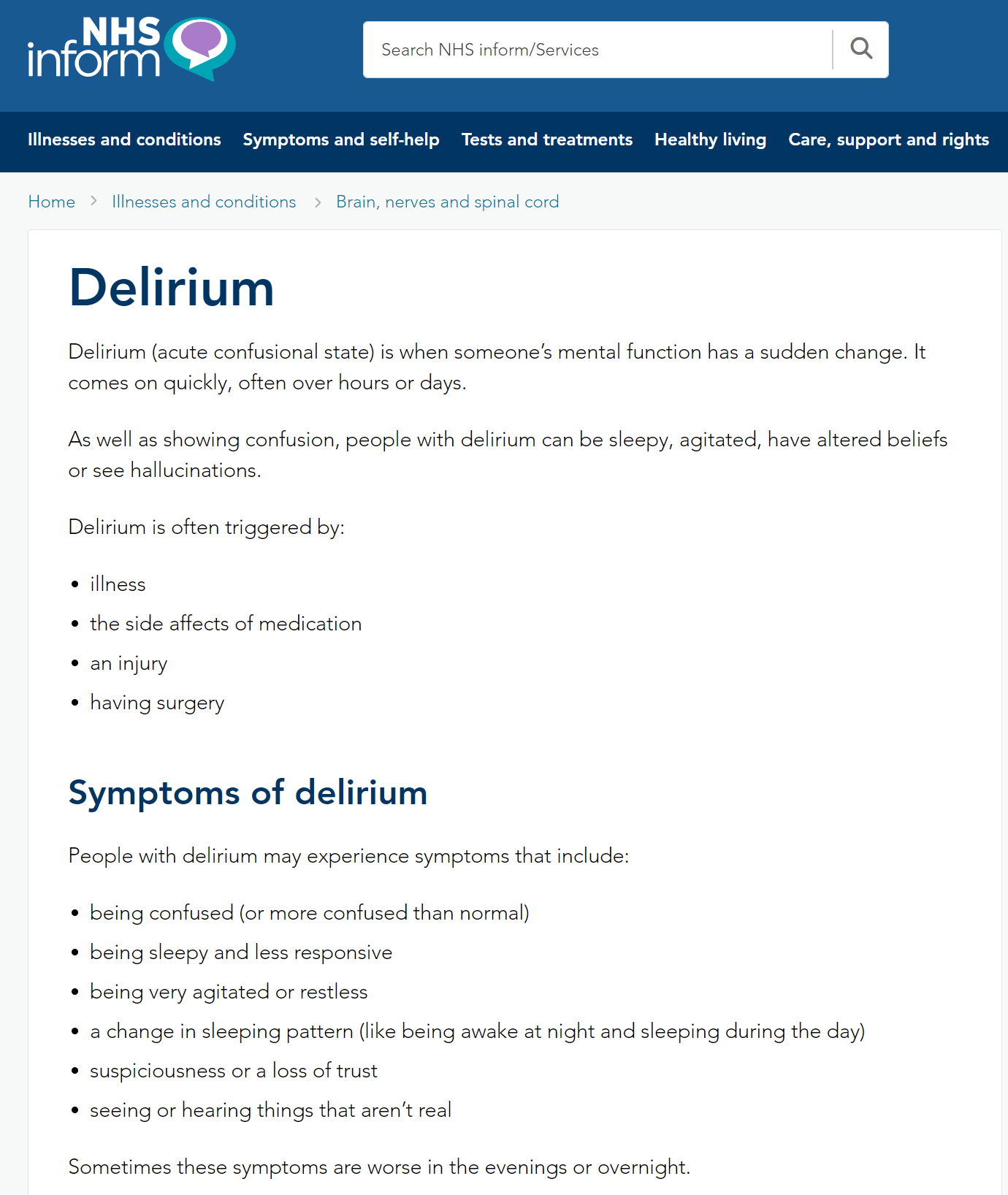
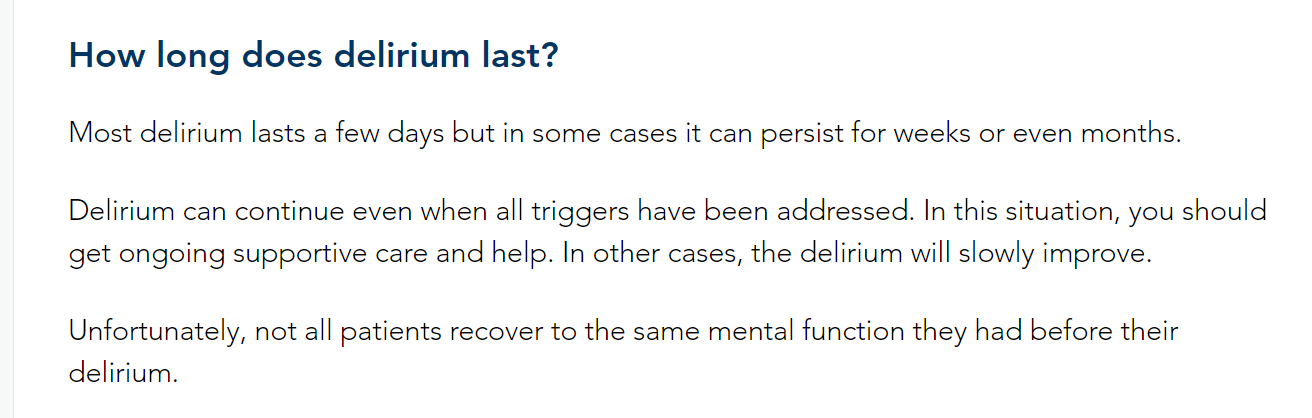
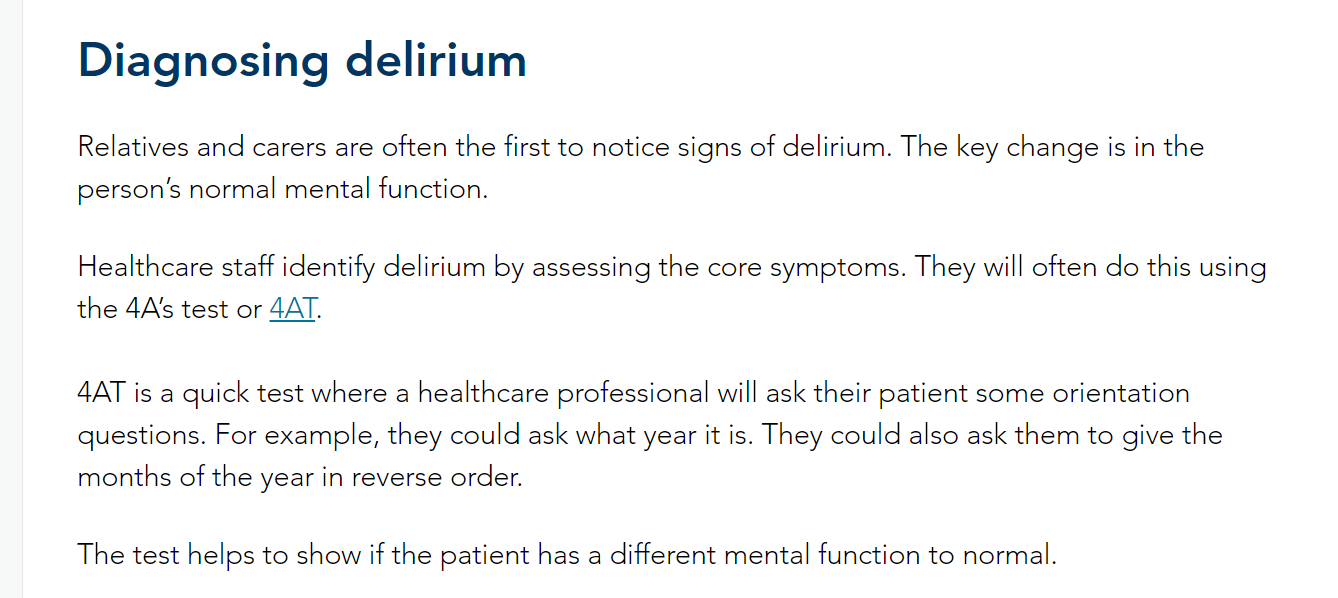
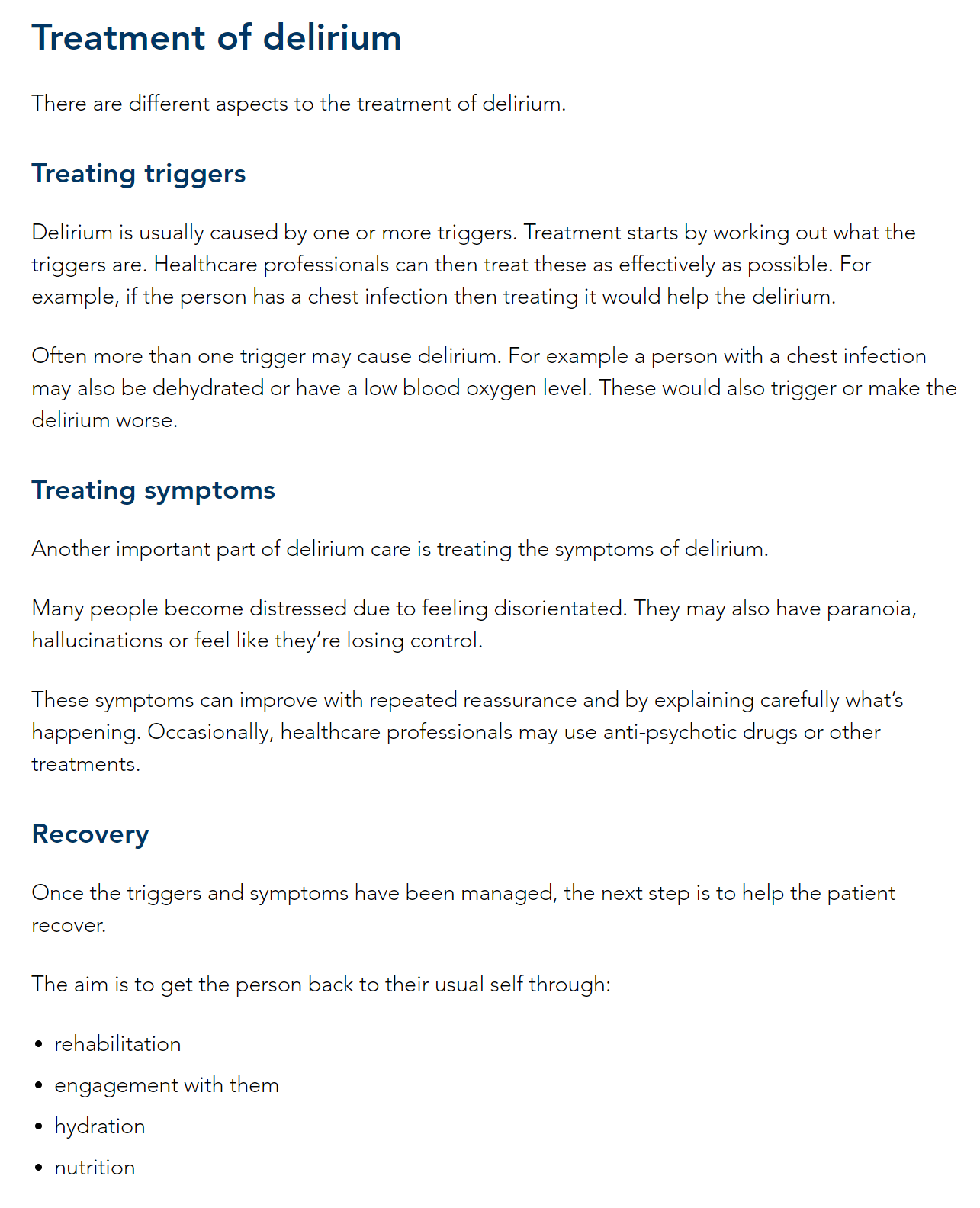
🧠 New NHS Inform patient info website on #delirium
📖 All on 1 webpage
👍 Checked for simplicity & clarity
🔗 nhsinform.scot/delirium
➡️ Please retweet & share
#WDAD2024

Geraint Phillips retweeted
This week marks 9 years of us matching studies with volunteers.
Thank you to the more than 7,000 people who have taken part in #dementia #research with us in the last year alone.
If you are not yet part of our community, join us today! joindementiaresearch.nihr.ac… #JDRbirthday

ALT More than 7,000 people have taken part in a study with Join Dementia Research in the last year
Geraint Phillips retweeted

Know anyone living with dementia who'd like to take part in research?
Register interest here (healthy volunteers wanted too)
joindementiaresearch.nihr.ac…
@GeriSoc @NIHRresearch