
Retired neurologist with special interest in vertigo and dizziness. Having suffered from vestibular neuritis myself, I know people with vertigo need help.
Baton Rouge, La
Joined May 2021
- Tweets375
- Following52
- Followers101
- Likes6




Is It BPPV or Vestibular Migraine?
Vestibular migraine (VM) is a common cause of vertigo and dizziness, characterized by recurrent episodes of vestibular symptoms accompanied by migraine features. Vestibular manifestations vary widely among individuals, and a single patient may experience more than one type of vertigo over the course of the disease, including spontaneous, positional, visually induced, and head motion-induced vertigo/dizziness. Benign paroxysmal positional vertigo (BPPV) is characterized by paroxysms of vertigo and nystagmus triggered by changes in head position.
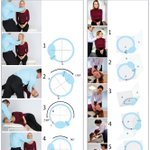
Dizziness or vertigo when turning over in bed is usually associated with BPPV. However, this is not absolute. Vestibular migraine can also cause positional vertigo, known as vestibular migraine with positional features (VMwPV). Other features, such as the pattern, latency, intensity, and duration of the observed eye movements, along with migraine history and associated symptoms, help distinguish these two conditions.
A new study* showed no significant differences in gender or age between patients with VMwPV and those with BPPV. In contrast to demographic factors, a history of migraine, phonophobia, and photophobia was more frequently observed in patients with VMwPV. Among 101 patients with VMwPV and 219 with BPPV, nystagmus lasting less than one minute occurred in 92.2% of BPPV cases versus 23.8% of VMwPV cases. BPPV produced faster positional nystagmus. Positional nystagmus lasting <1 min was the second most important feature for differentiating VMwPV from BPPV.
Spontaneous and vertical-component nystagmus were more common in migraine. Pure vertical or otherwise atypical positional nystagmus should not be attributed to migraine alone; central causes still require consideration.
What This Means for You: Vertigo when turning in bed is not automatically BPPV. The pattern, latency, intensity, and duration of the observed eye movements, along with migraine history and associated symptoms, matter.
If you haven’t yet, please consider reading “Vertigo and Dizziness: A No-Nonsense Approach,” now available on Amazon.
* Diagnostics, 16(21), 3699. doi.org/10.3390/diagnostics1…

15
Does Vestibular Rehabilitation Therapy Really Help?
Sometimes people wonder if vestibular rehabilitation really helps. Therapy takes time and commitment, so this is a reasonable question.
Interestingly, animal experiments on monkeys and cats in the early 1980s showed that vestibular exercises improved recovery from experimental vestibular damage. This finding was not confirmed in humans until 1998, in a study by Stubb and others. In this study, about 80 people with vestibular neuritis were split into control and experimental groups. These patients all had vertigo, distressing imbalance, and nystagmus. The study measured the time course of recovery of three system-specific variables: the vestibulo-ocular system, perception, and postural control. The patients in the control group did not perform specific vestibular exercises. Both groups, however, received identical encouragement to engage in regular daily activities. The patients in the therapy group received, in addition, intensive physiotherapy (approximately 30 minutes three times daily) following hospital inpatient therapy for 5 to 7 days.
The key elements of the home exercise program were:
Visual, ocular motor, and optokinetic systems exercises
Postural and habituation exercises for the somatosensory system.
Although both the control and therapy groups improved over time, the therapy group showed greater improvement and improved more quickly. These findings have since been confirmed in additional studies.
From a clinical perspective, these findings strongly support the use of vestibular exercises to improve balance function, which is important for the rehabilitation of patients with vestibular neuritis and similar conditions. Therapy should begin as early as possible after symptom onset.
*doi.org/10.1212/WNL.51.3.838
11
Benign Paroxysmal Positional Vertigo Not So Benign
A long-term study* published in May 2026 demonstrated that benign paroxysmal positional vertigo (BPPV), the most common cause of vertigo, continues to affect patients significantly even years after successful initial treatment. Among 361 patients followed for seven years, nearly half (47.1%) experienced at least one recurrence, more than a third (37.6%) reported persistent residual dizziness, and nearly one in five (18.9%) suffered a fall.
BPPV is caused by displaced calcium crystals (otoconia) in the inner ear and is typically treated with repositioning maneuvers. At least 80% of cases involve displacement of crystals into the posterior semicircular canal. Although these maneuvers, when performed correctly, are highly effective in the short term, this study showed that BPPV carries meaningful long-term consequences for both clinicians and patients.
These findings align with key recommendations in the AAO-HNSF Clinical Practice Guideline (CPG) update on BPPV**. The CPG emphasizes canal-specific repositioning maneuvers as first-line therapy—the same approach used in this study—and addresses patient education, vestibular rehabilitation, and follow-up for patients who do not fully resolve after initial treatment.
Additionally, the long-term fall risk documented in this study underscores the importance of reducing fall risk among older adults, particularly those with any issues with balance and equilibrium.
With BPPV prevalence nearly seven times higher in adults over 60, access to appropriate care from an ENT or neurologist is essential for older adults.
What This Means For You: Even though a treatment maneuver may relieve your BPPV-related vertigo, residual symptoms often remain, requiring therapy, follow-up care, and safety education.
#Vertigo #Dizziness #VestibularNeuritis #VestibularDisorders #DrCavalierOnVertigo
*Martin-Sanz, E., Chaure-Cordero, M., Fernández-Navarro, C., Solis-Fesser, A. and Riestra-Ayora, J. (2026), Long-Term Benign Paroxysmal Positional Vertigo: Recurrence, Residual Symptoms and Risk of Falls. Otolaryngol Head Neck Surg. doi.org/10.1002/ohn.70257
**Guidelines can be found at:
journals.sagepub.com/doi/ful…

23
The Burden and Impact of Vertigo (REVERT Study) *
I’m going to discuss something many of you already know. Vertigo is often much worse than people without it realize. The recent REVERT study, a large multinational patient registry, reinforced this view.
Vertigo is defined as a perceived movement, in the absence of actual physical movement, of either one’s own body, such as swaying or rotation, or of the environment. Secondary symptoms include cold sweating, nausea, and vomiting. Vertigo and dizziness are most often caused by vestibular disorders, such as benign paroxysmal positional vertigo (BPPV), Meniere’s disease (MD), and other vertigo of peripheral vestibular origin, such as vestibular neuritis. Causes of vertigo can be multifaceted and due to dysfunction of the peripheral or central vestibular system.
Although often perceived as a mild physical disorder with low morbidity, vertigo can have a substantial impact on an individual’s lifestyle and behavior. For example, research suggests that patients have had to quit, change, or modify their jobs due to their symptoms, indicating a considerable impact on quality of life.
The Registry to Evaluate the Burden of Disease in Vertigo (REVERT) was designed to help estimate the burden of vertigo from a multi-country perspective.
The registry included 4,294 patients across 618 centers in 13 countries. The cohort was 65.4% female. The most common diagnosis was “other vertigo of peripheral vestibular origin” (37.2%), followed by BPPV (26.9%), peripheral vestibular vertigo of unknown origin (20.5%), and MD (15.4%). At Visit 1, clinicians classified 43% of patients as “moderately ill,” 22.2% as “mildly ill,” 20.0% as “markedly ill,” 7.4% as “borderline ill,” and 4.1% as “severely ill.”
Of the 4,105 patients analyzed, only half were employed. Among this working patient population, 69.8% had reduced their workload, 63.3% had lost working days, 4.6% had changed jobs, and 5.7% had quit their jobs due to vertigo symptoms. Use of healthcare services among patients was high, including frequent use of emergency services, primary care consultations, and specialist consultations. A mean of 2.0 ± 5.4 days/patient was also spent in the hospital due to vertigo.
Beyond the negative impact on patients from a humanistic perspective, vertigo also significantly affects work productivity and healthcare resource use.
What This Means for You: Many people do not realize the significant impact of vertigo on the individual or on society. As a result, some people may not take your symptoms and disability as seriously as they should.
* Benecke H, Agus S, Kuessner D, Goodall G and Strupp M (2013) The Burden and Impact of Vertigo: Findings from the REVERT Patient Registry. Front. Neurol. 4:136. doi: 10.3389/fneur.2013.00136
1
2
68
Chiari Malformation and Dizziness
A Chiari malformation (also known as an Arnold Chiari malformation) is a congenital abnormality of the lower and back parts of the brain and the junction between the brain and spinal cord. The abnormality includes a downward elongation of the brainstem and cerebellum. The cerebellar tonsils protrude through the foramen magnum into the upper part of the spinal canal. The bones of the lower skull are sometimes abnormal. (See the diagram below.) There are three types of Chiari malformations based on the extent of the abnormality. A type 1 Chiari malformation is the mildest form and is characterized by the cerebellar tonsils extending >5mm below the foramen magnum.
Recently, I have often seen questions on social media about cervical dizziness and Chiari 1 malformation. We now know that as many as 1% of adults have a Chiari 1 abnormality. The great majority of these are asymptomatic and cause no problems. These are frequently discovered on a lateral view of an MRI of the brain or spinal cord.
Symptoms, when they occur, usually begin in the late 20s or early 30s. The most common symptom, occurring in about 80% of people, is a headache. The headache is localized to the back of the head and upper neck and worsens with coughing, sneezing, or a Valsalva maneuver. About a third of people have some form of visual symptoms. A fourth of people experience dizziness or difficulty with balance, but true vertigo is rare. Other symptoms or clinical signs of brainstem, cerebellar, or lower cranial nerve abnormalities may be present. Downbeat nystagmus is often observed.
The treatment of Chiari 1 is controversial. At times, symptoms resolve or can be adequately managed with medications. Surgical treatment is also controversial and involves decompression of the lower brain and cerebellum.
Chiari malformations types 2 and 3 are much more severe abnormalities and are beyond the scope of this discussion.
What This Means for You: A few people with possible cervical dizziness will have a Chiari 1 malformation detected on an MRI. This may or may not be responsible for the symptoms. Expert evaluation by a neurologist, ENT specialist, and perhaps a neurosurgeon is necessary.
If you haven’t yet, read about the causes of Vertigo and Dizziness in the book available on Amazon: Vertigo and Dizziness: A No-Nonsense Approach.
🤖 Made with AI

24
Meniere’s Disease vs Vestibular Migraine
Among the ENT doctors I know, I’ve heard several say that distinguishing between Meniere’s Disease (MD) and Vestibular Migraine (VM) in clinical practice can be difficult. I’ve also seen this issue discussed online. A 2023 review paper* highlighted some useful differences between these conditions.
MD typically includes recurrent vertigo, fluctuating and progressive sensorineural hearing loss, tinnitus, and ear fullness. VM is a disorder with a wide array of clinical presentations, including migraine with or without aura and vestibular symptoms. As an emerging disease entity, VM patients tend to be misdiagnosed as MD by otorhinolaryngologists, even though VM is 5~10 times more common than MD in the general population.
The overlap between VM and MD is considerable, suggesting greater caution when differentiating the two conditions and establishing the final diagnosis.
Family history (FH) and past medical history are essential features that should not be ignored in diagnosing MD and VM. A majority of people with VM have a FH of migraine. In addition, FH and a history of motion sickness are more closely related to VM.
The main symptom of VM is a headache with or without aura. Many VM patients experience intense, pulsating, one-sided headache, particularly during a typical VM attack. However, in nearly 30% of VM patients, vertigo can occur without headache. In some people, vertigo and headache may not coexist. Migraine is a core symptom of VM and helps distinguish it from MD.
Both VM and MD patients may complain of vertigo. However, the duration of vertigo varies. In MD, vertigo is often hours long, whereas in VM, it can last from seconds to days. Another study confirms that VM patients' vertigo attacks can last from a few seconds to many hours, and occasionally even for several days.
MD patients present with a clinical pattern dominated by fluctuating hearing loss. Research has concluded that the most sensitive and distinctive sign of MD is a history of progressive hearing loss. The absence of auditory symptoms, particularly hearing loss, usually indicates VM, whereas audiometrically documented hearing symptoms and hearing loss are indicative of MD. Conspicuous and progressive hearing loss, presented either as clinical signs or audiographic abnormalities, is the major symptom of MD rather than VM.
Bedside oculomotor tests are important for diagnosing vertigo/dizziness, especially at the first visit, and can help differentiate MD and VM. Imaging studies of the inner ear are also useful. The frequency and location of endolymphatic hydrops (EH) differ between VM and MD. In MD patients, MRI frequently detects both vestibular and cochlear EH, whereas EH is rare in VM.
In summary, clinical history, hearing tests, MRI scans, and oculomotor testing can all help distinguish MD and VM. The cited study is thorough; for more information, consult the article.
*Chen JY, Guo ZQ, Wang J, Liu D, Tian E, Guo JQ, Kong WJ, Zhang SL. Vestibular migraine or Meniere's disease: a diagnostic dilemma. J Neurol. 2023 Apr;270(4):1955-1968. doi: 10.1007/s00415-022-11532-x. Epub 2022 Dec 23. PMID: 36562849; PMCID: PMC10025214.
🤖 Made with AI

1
39
Vestibular Migraine and Calcitonin Gene-Related Peptide (CGRP)
Calcitonin gene-related peptide (CGRP) is a key protein that transmits pain signals and dilates blood vessels in the brain. In the trigeminal nerve complex and in blood vessels, CGRP drives inflammation during a migraine attack. CGRP concentrations spike in the blood and brain during active migraine. The protein acts on the trigeminal nerve pathways to trigger neurogenic inflammation and widen blood vessels in the meninges (the tissue covering the brain).
Modern migraine treatments block CGRP or its receptors to prevent or stop migraines. Monoclonal antibodies are large molecules that neutralize CGRP or its receptor. Examples include erenumab (Aimovig), fremanezumab (Ajovy),
galcanezumab (Emgality), and eptinezumab (Vyepti). These are given by injection. Other oral medications, such as rimegepant (Nurtec), ubrogepant (Ubrelvy), and atogepant (Qulipta), are small-molecule drugs that block the CGRP receptor.
A recent study* examined the efficacy of CGRP-related medications for vestibular migraine. One major finding was that the diagnosis of vestibular migraine continues to rely primarily on clinical diagnostic criteria rather than validated diagnostic tests. Vestibular migraine is fundamentally a clinical diagnosis based on symptom history and the Bárány Society and International Classification of Headache Disorders (ICHD-3) criteria.
Data indicate that these medications are effective for the prevention and treatment of VM. Clinical improvement was consistently observed across multiple outcome measures. Significant reductions in vertigo frequency, monthly dizziness days, and headache frequency were reported. A substantial proportion of patients achieved a ≥50% reduction in symptoms. Beneficial effects were also observed in vestibular disability and psychological distress, with improvements in quality of life.
What This Means for You: If you have vestibular migraines that are not well controlled on older medications, you should ask your health care provider about newer calcitonin gene-related peptide antibodies and receptor blockers. The data indicate that these medications may help with vestibular symptoms as well as headaches.
If you haven’t yet, consider reading Vertigo and Dizziness: A No-Nonsense Approach, available on Amazon.
* Alabood S, Aldokhail L, Alotaibi E, Alsaqr M, Alshehri A and Bakry E (2026) Contemporary diagnosis and management of vestibular migraine: a systematic review of conventional and CGRP-targeted therapies. Front. Neurol. 17:1951810. doi: 10.3389/fneur.2026.1951810

17
Seasonal Variation of BPPV
Benign paroxysmal positional vertigo (BPPV) is the most common cause of vertigo encountered by health care providers. Although the mechanism of BPPV is known, the triggers for crystal detachment remain unclear. In recent years, attention has increasingly focused on environmental factors. A number of small, limited studies have shown seasonal variations in the occurrence of BPPV, though some findings are contradictory. A recent large-scale study* from Taiwan evaluated associations between seasonality, atmospheric pressure, air pollution, and the incidence of BPPV from 2002 to 2021.
This study found an increase in BPPV incidence between 2002 and 2021. Higher environmental temperature and atmospheric pressure were significantly and positively correlated with BPPV. In addition, exposure to nitrous oxide (NO2), a marker of air pollution, was significantly associated with an increased risk of BPPV. Seasonal analysis further showed that spring was associated with a significant increase in BPPV, and summer showed a smaller but still significant rise.
The seasonal predominance of BPPV in spring likely reflects an interplay of metabolic, environmental, and inflammatory mechanisms that destabilize otoconia (crystals) and compromise vestibular stability. Allergic inflammation, common during the pollen season, may involve the Eustachian tube and middle ear, disrupting pressure regulation and labyrinthine microcirculation. These effects are often compounded by frequent springtime fluctuations in barometric pressure and temperature, which perturb endolymphatic pressure balance and increase mechanical stress on the inner ear.
What This Means for You: If you have recurrent episodes of BPPV, you may notice more symptoms in the spring and summer. If you’re experiencing allergic sinus symptoms, consider antihistamines. Discuss this with your healthcare provider.
* doi.org/10.1038/s41598-026-5…

33
Vestibular Paroxysmia
Vestibular Paroxysmia (VP) is an uncommon cause of recurrent vertigo. The symptoms are quite different from those of more common types of vertigo. People with VP experience recurrent short episodes of spinning or non-spinning vertigo. The episodes last from a few seconds to a minute, rarely longer. People may experience dozens of episodes daily. In some, attacks are brought on by head movement, but this is not common. In a few people, the attacks are accompanied by tinnitus (ringing in the ears) or hearing changes. Between these brief attacks, most people are otherwise normal.
Three cranial nerves are very close together at the bottom of the brain. First is the vestibulocochlear nerve (8th nerve), which connects the brain to the inner ear. Next is the trigeminal nerve, which is involved in facial sensation. Lastly, the facial nerve (7th nerve) enables movement of the facial muscles. Blood vessels run adjacent to these nerves. If the blood vessels touch or irritate the nerves, the nerves can generate abnormal signals and discharges. Vestibular Paroxysmia occurs if this irritation affects the 8th nerve. An analogous situation with the 5th nerve is severe facial pain called trigeminal neuralgia. With the 7th nerve, a person may experience hemifacial spasm, a twitching of the facial muscles.
The treatment of VP is usually medical, with administration of either carbamazepine or oxcarbazepine. These medications are highly effective but can have side effects. In severe cases where medication is ineffective, surgery may be an option.
HOW THIS MAY AFFECT YOU: If you have multiple brief episodes of vertigo each day, ask your health care provider whether Vestibular Paroxysmia is a possibility.
If you haven’t yet, consider reading my book, “Vertigo and Dizziness: A No-Nonsense Approach,” available on Amazon.
🤖 Made with AI

15
Benign Paroxysmal Positional Vertigo – Treatment Options
Benign paroxysmal positional vertigo (BPPV) is characterized by recurrent, brief episodes of spinning vertigo provoked by lying down or turning over. Sometimes attacks occur when bending the head backward and looking up. Benign paroxysmal positional vertigo results from crystals (otoconia) moving out of their normal location in the utricle into one of the semicircular canals. Most often (80-90%), this is into the posterior canal.
At present, the therapy of choice for posterior canal BPPV is the Epley repositioning maneuver. This is the maneuver most people are familiar with and most often used for treatment. The Epley maneuver, when performed correctly, has a very high success rate. However, particularly in older individuals, the displaced crystals can be stubborn. The Epley maneuver might not work as well or may need to be repeated several times. A slightly more complicated maneuver, the Semont maneuver, has equal efficacy to the Epley.
A recent study published in JAMA Neurology reports that a new procedure, the Semont-plus, is more likely to be effective on the first treatment and to last longer. Some people, in the range of 25%, with BPPV undergoing either procedure will need retreatment. BPPV will also recur in some patients. Both procedures are safe, although they can cause some nausea.
WHAT THIS MEANS TO YOU – If you are older and have BPPV, have had the Epley maneuver fail, or have had recurrent bouts of BPPV, ask your vertigo health care provider whether they are familiar with the Semont-plus and would consider trying it. Also, ask to be taught how to perform these maneuvers at home.
#Vertigo #Dizziness #VestibularNeuritis #VestibularDisorders #DrCavalierOnVertigo

1
36
Vestibular Migraine – New Migraine Treatment Guidelines
Vestibular Migraine (VM) is the most common cause of spontaneous episodic vertigo in adults. On any given day, 15.8% of the world's population may be experiencing a headache. Between 9% and 30% of migraine patients have VM. Criteria for diagnosing VM include:
At least 5 episodes with vestibular symptoms.
Current or previous diagnosis of migraine with or without aura (per the International Classification of Headache Disorders).
At least 50% of the vestibular events include one or more migraine features.
Preventive medications for migraine are recommended based on frequency and disability. These medications reduce the overall headache burden and improve patient-reported quality of life (QOL). Yet only one-third of people with migraine who should be considered for these treatments use them. Unfortunately, there are no specific recommendations for VM, but many people with VM experience improvement in their headaches with migraine treatment.
A recent review of the medical literature provides updated information on the use of medications for migraine prevention in adults to inform a new joint American Academy of Neurology (AAN) and American Headache Society practice guideline. *
The review divides the information into episodic migraine with fewer than 15 headache days per. Months and chronic migraine with more than 15 headache days per month.
Below is a table showing which medications reduce the number of headache days.
This information is based on over 200 controlled studies and will be incorporated into clinical guidelines. Guidelines help health care providers decide which medications to try for patients. Although a medication with low confidence may help an individual patient, higher-confidence medications are more likely to help. An individual’s medical history, allergies, other medications, and intolerances are also important in choosing a medication. This chart lists the generic (pharmacological) names of medications as they appear in the report. You may recognize some of these better by their commercial names.
Always consult your health care provider before changing or stopping any medications.
#Vertigo #Dizziness #VestibularNeuritis #VestibularDisorders #DrCavalierOnVertigo
*doi.org/10.1212/WNL.00000000…

2
53
A Few Personal Experiences
I had vestibular neuritis (VN) about 5 years ago. As a neurologist, my first concern was a stroke, but I was fairly certain of the diagnosis. After a few days in the hospital, I began a long course of vestibular rehabilitation. I consider myself lucky, about 90% back to normal. A few activities, however, still sometimes remind me to be careful. None of these happen all the time, but they are frequent enough to keep me alert.
When I bend down to pick up my dog’s food bowl, I sometimes almost fall forward.
Walking down the center of my driveway to get the mail, I’m likely to end up on the lawn without realizing it.
When I look up to change a light bulb or reach for something on a shelf, I may experience very brief dizziness.
When I have to navigate a busy airport, it really bothers me. Grocery stores, which you read about especially with PPPD, are OK, however.
Busy New York City sidewalks are challenging.
I’ve been on several cruises and have been fortunate to be fine.
When I get up from the sofa, I may start to fall backward and take a little double step.
Standing on one leg while I put on my pants doesn’t go well.
Walking down the hall, if I remember I left something, I may suddenly try to reverse direction and stumble.
These come to mind, so they must happen with some regularity. I’m sure there are others. None of this truly limits or stops me from doing what I want. I continue to do home exercises, but being human, not as often as I should.
I’d like to know whether you relate to these or have your own reminders that you’re not 100%.
If you haven’t yet, please consider buying my book on Amazon, “Vertigo and Dizziness: A No-Nonsense Approach.”
1
37
Persistent postural–perceptual dizziness (PPPD) Study
Persistent postural–perceptual dizziness (PPPD) is a functional disorder marked by dizziness, unsteadiness, or nonspinning vertigo occurring on most days for at least 3 months. Symptoms worsen with upright posture, active or passive movement, and exposure to moving or complex visual stimuli. PPPD typically develops after an inciting balance-related event, such as an episode of vestibular vertigo. It has been hypothesized that PPPD may arise from a discrepancy between the conscious perception of body motion and actual postural sway. PPPD can cause substantial distress and functional impairment, negatively affecting patients' quality of life.
In a recent study,* investigators examined whether people with PPPD overestimate their body sway relative to objectively measured sway, and whether a quantitative assessment of this sway misperception using posturography could differentiate PPPD from other peripheral balance disorders. In the study, people presenting with balance disorders underwent standard stabilometric testing under eyes-open and eyes-closed conditions. A posturographic assessment of sway misperception (PASM) was routinely added to the assessments. In simpler terms, first the postural sway of people was determined, and it was compared to how much they thought they swayed. In two types of measurements, people with PPPD perceived more sway than they actually had, compared with people with other balance disorders.
Although this was a small study, the results are important for three reasons. First, it confirms that the misperception of sway is significant in PPPD. Second, it may provide an objective test for PPPD. Third, it opens a pathway for exploring treatment of PPPD.
*Y. Maeda, H. Kudo, T. Yamaguchi, et al., “ Posturographic Assessment of Sway Misperception Accurately Identifies Persistent Postural–Perceptual Dizziness in Neurotologic Patients,” Laryngoscope Investigative Otolaryngology 11, no. 5 (2026): e70591, doi.org/10.1002/lio2.70591.

103
Cause of Meniere’s Disease (MD) – New Theories
Meniere’s Disease (MD) is a chronic, disabling inner ear condition characterized by recurrent episodes of vertigo, fluctuating hearing loss, ringing in the ears (tinnitus), and a sensation of fullness in the affected ear. Although MD typically begins as a unilateral condition, bilateral involvement may develop over time. The most distressing symptom, vertigo, can last from 20 minutes to several hours and is often accompanied by sensorineural hearing loss that may eventually become permanent.
Although numerous theories have been proposed, the exact cause of MD remains elusive.* Traditionally, MD has been associated with endolymphatic hydrops, a condition marked by the abnormal accumulation of endolymph within the cochlea and vestibular system. However, emerging research suggests that MD may involve additional factors, including genetic predisposition, vascular abnormalities, and autoimmune mechanisms. Notably, growing evidence indicates that immune dysregulation plays a central role in driving the onset and progression of MD.

Emerging evidence increasingly implicates immune dysregulation in the development of MD, particularly in a subset of patients who are resistant to conventional therapies. Abnormal activation of immune pathways, including circulating autoantibodies and immune cell infiltration in the endolymphatic sac, suggests an underlying autoimmune or autoinflammatory mechanism. Accordingly, immunomodulatory therapies are increasingly recognized as a promising approach to alleviate symptoms and potentially alter the disease course in MD.
Corticosteroids, administered systemically or via intratympanic injection, remain the cornerstone of immune-based treatment for MD. Beyond corticosteroids, biologic therapies targeting specific immune mediators are under investigation. Betahistine, though not classified as an immunotherapeutic, is commonly prescribed for MD and may indirectly influence immune mechanisms. Despite recent progress, well-designed human studies remain essential to assess the safety, effectiveness, and sustainability of immune-based treatments for MD. Advancing research efforts will benefit from
combining immunophenotyping, genomic analysis, and patient-centered data to improve treatment strategies and identify new therapeutic opportunities.
Please consider reading my new book, Vertigo and Dizziness: A No-Nonsense Approach, now available on Amazon.
*Yuan VG, Xia A, Santa Maria PL. Immunological mechanisms in Meniere’s disease. Front Immunol, Volume 16, 2025.
doi.org/10.3389/fimmu.2025.1…

21
Vitamin D and Vertigo
BPPV (benign paroxysmal positional vertigo) is the most common cause of recurrent vertigo. Research suggests that vitamin D deficiency may be linked to BPPV, and that taking vitamin D supplements might help some people reduce their risk of recurrent episodes. BPPV is a mechanical problem in the inner ear. Calcium carbonate crystals, called otoconia, are embedded in the utricle. If some of these crystals become dislodged and move into the semicircular canals, they disrupt normal fluid movement in the canals, resulting in vertigo. Recurrent episodes of BPPV are relatively common.
Vitamin D plays a key role in maintaining calcium balance in our bodies. It helps us absorb calcium and is important for bone mineralization. We obtain vitamin D from sun exposure, a few foods (e.g., fatty fish, fish liver oils, fortified milk, egg yolks, some mushrooms), and supplements. Research has also confirmed that vitamin D receptors are found on calcium channel transport systems in the labyrinth and help regulate proper calcium balance in the inner ear. Vitamin D could affect the otoconia ‘crystals’ of our inner ear through its role in calcium regulation.
Vitamin D deficiency is a risk factor for BPPV and for recurrent episodes of BPPV. Emerging high-quality research supports a potential role for vitamin D supplements in preventing recurrence of BPPV.
Data from a number of studies show that in people who have BPPV and vitamin D deficiency, vitamin D supplementation can 1) decrease the number of people who experience recurrence of BPPV, and 2) decrease the number of relapses each person experiences.
Vitamin D levels are not typically included in routine blood work. 25-hydroxy vitamin D is the test used to evaluate vitamin D status. 25-hydroxy vitamin D should be above 75 nmol/L. (Different laboratories report vitamin D levels in different units.) One study showed that 400 international units of vitamin D and 500 milligrams of calcium, taken twice daily, reduced the recurrence of BPPV by almost 50% in those with low vitamin D levels.
These studies clearly indicate that vitamin D levels should be monitored in anyone with BPPV, and that those with lower-than-normal levels should take vitamin D supplements.
Remember to consult with your health care provider before starting or altering any medications, including vitamins.
25
Using a Cane When Necessary
Vestibular neuritis (VN), vestibular migraine (VM), persistent postural-perceptual dizziness (PPPD), Meniere’s disease (MD), Mal de Débarquement syndrome (MdDS), and other vestibular disorders often cause imbalance and difficulty walking. No one wants to fall. Falls cause injuries and embarrassment. Something people often don’t consider is that walking with disequilibrium and imbalance is exhausting, increasing fatigue and draining energy you could use for other activities. Sometimes, using a cane is the answer.
Walking with a cane offers numerous benefits for individuals who need extra support and stability. Whether you're recovering from an acute event like VN or dealing with a chronic condition such as VM, a cane can greatly improve your mobility and confidence.
Improved Balance and Stability: A cane provides an additional point of contact with the ground, enhancing your balance and stability while walking. With improved stability, you can navigate uneven surfaces and obstacles more easily and safely.
Reduced Fatigue and Anxiety: By providing support and taking some weight off your legs, a cane can help alleviate fatigue and anxiety. By improving balance and providing additional support, you are able to walk for longer periods safely.
Increased Independence: Walking with a cane helps you regain your independence and maintain an active lifestyle, giving you the confidence to engage in daily activities without relying on others.
To use a cane safely, you need the right cane, the correct height, and proper technique. Most cane users hold the cane on the stronger side. This may seem counterintuitive. However, using the cane on the side opposite your weaker or injured leg helps distribute your body weight more evenly, providing additional support and reducing the load on the affected limb. An exception is if you are falling toward one side. In this case, hold the cane on the side you are falling toward. The cane provides a stable point of contact with the ground, enhancing balance.
Mastering proper techniques for walking with a cane is essential for a safe, confident gait. Follow these step-by-step instructions to improve your stability and reduce strain on your body:
1. Proper Posture: Stand straight with your head up, shoulders relaxed, and your back slightly arched. Avoid leaning on the cane for support.
2. Gait Rhythm: Coordinate your steps with the cane’s movement to maintain balance and stability.
3. Obstacle Navigation: Use the cane to test an obstacle’s stability and height before stepping over it.
There are a number of different types of canes and handles. These are shown in the graphic below. For people with vestibular disorders, a height-adjustable standard cane usually works well. In my experience, people often have their canes too short and tend to lean into them. Work with your therapist to select the proper cane for you, make the correct adjustments, and learn the proper technique for walking with a cane.
With a vestibular disorder, you may only need a cane during the early part of your rehabilitation. Some people will only need a cane intermittently, depending on their environment. Think of your cane as an accessory that provides safety and improves your independence. You can even shop around online and find very attractive, fashionable canes.
Please consider buying my book, available on Amazon: Vertigo and Dizziness: A No-Nonsense Approach. Health care providers and people with vertigo have found it extremely informative and helpful.
🤖 Made with AI

124
Does Vestibular Rehabilitation Therapy Really Help?
Sometimes people wonder if vestibular rehabilitation really helps. Therapy takes time and commitment, so this is a reasonable question.
Interestingly, animal experiments on monkeys and cats in the early 1980s showed that vestibular exercises improved recovery from experimental vestibular damage. This finding was not confirmed in humans until 1998, in a study by Stubb and others. In this study, about 80 people with vestibular neuritis were split into control and experimental groups. These patients all had vertigo, distressing imbalance, and nystagmus. The study measured the time course of recovery of three system-specific variables: the vestibulo-ocular system, perception, and postural control. The patients in the control group did not perform specific vestibular exercises. Both groups, however, received identical encouragement to engage in regular daily activities. The patients in the therapy group received, in addition, intensive physiotherapy (approximately 30 minutes three times daily) following hospital inpatient therapy for 5 to 7 days.
The key elements of the home exercise program were:
Visual, ocular motor, and optokinetic systems exercises
Postural and habituation exercises for the somatosensory system.
Although both the control and therapy groups improved over time, the therapy group showed greater improvement and improved more quickly. These findings have since been confirmed in additional studies.
From a clinical perspective, these findings strongly support the use of vestibular exercises to improve balance function, which is important for the rehabilitation of patients with vestibular neuritis and similar conditions. Therapy should begin as early as possible after symptom onset.
*doi.org/10.1212/WNL.51.3.838

1
1
36
Feelings of “Going Crazy” with Vertigo and Dizziness
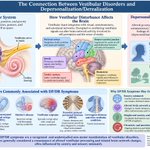
Many people with vestibular disorders and dizziness sometimes feel like they are “going crazy.” Often, they are told, “It’s just anxiety.” New research* shows the story is more complicated. Many people who feel this way actually have Depersonalization/Derealization Disorder or its symptoms. Let’s just call it DDD. I’ll explain why there’s a connection between these symptoms and vestibular disorders such as BPPD, vestibular neuritis, PPPD, and bilateral vestibular hypofunction.
Depersonalization is a feeling of unreality and detachment from your body’s thoughts, sensations, and actions. It’s like observing yourself from the outside. Often, time feels distorted, as if things are moving slowly or rapidly. Derealization is a detachment from the environment, as if you’re in a dream or looking through a mirror. DDD can occur as an independent disorder, but it often is a “tag-along” symptom of a medical disorder, as is the case with vestibular disorders.
Of the 23 studies reviewed in this meta-analysis, 20 (86.9%) reported increased DD symptoms in patients with disturbed vestibular function. DD symptoms were also associated with higher levels of anxiety and spatial disorientation.
We can speculate about how vestibular disorders cause symptoms of DD. Vestibular information is transmitted from the inner ear to the vestibular nuclei in the brainstem. From these nuclei (cell clusters), information is further relayed to brain regions important for spatial orientation and movements related to gravity, awareness, and the external environment. These important brain areas include the parietal and cingulate cortices and the hippocampus.
Unfortunately, there is no specific treatment for DDD or its symptoms. It helps to understand that these symptoms are not “craziness” but part of the vestibular disorder. Cognitive behavioral therapy (CBT) and hypnotherapy have helped some people with DD symptoms. Treating the underlying vestibular disorder remains the primary treatment.
* Cento S, Gammeri R, Zavattaro C, Cirillo E, Serra H, Ricci R. The role of the vestibular system in depersonalization and derealization: Evidence from a systematic review. Journal of Vestibular Research. 2026;36(5):326-351. doi:10.1177/09574271251412707
🤖 Made with AI

63
Do I Have Vestibular Neuritis?
I have seen the question, “How do I know if I have vestibular neuritis?” several times.
In 2022, the Barany Society published diagnostic criteria for vestibular neuritis (VN). The Barany Society is an international academic organization devoted to the study of vestibular disorders. These criteria were developed in collaboration with several other professional associations and are now widely accepted. To diagnose VN (also called acute unilateral vestibulopathy), each of the following criteria must be met.
1. Acute or subacute onset of spinning or non-spinning vertigo that is intense and lasts at least 24 hours.
Peripheral vestibular nystagmus (involuntary eye movements) is most often horizontal-torsional.
Reduced function of the vestibulo-ocular reflex (VOR).
No central nervous system symptoms, hearing loss, ear pain, or tinnitus.
No signs on examination of central nervous system abnormalities.
No diagnosis of another disease or disorder that better explains the situation.
I have paraphrased these slightly, so I refer you to the original article*, which also includes criteria for “probable vestibular neuritis.”
Up to 25% of people experience some vertigo lasting up to a few hours during the 2 days prior to the severe acute onset.
You can read more about VN and other causes of vertigo and dizziness in Vertigo and Dizziness: A No-Nonsense Approach, available from Amazon.
🤖 Made with AI

1
42
Persistent postural-perceptual dizziness (PPPD) – New Research
Persistent postural-perceptual dizziness (PPPD) is a chronic vestibular disorder characterized by persistent dizziness, unsteadiness, or non-spinning vertigo, with symptoms exacerbated by upright posture, active or passive motion, and visually complex environments. The condition is considered “functional” because the anatomy and physiology appear intact, yet vestibular function is disrupted. The Barany Society has established specific diagnostic criteria for PPPD.
A recent research paper* provides an excellent and extensive review of PPPD and new insight into designing therapy. Rather than all being the same, people with PPPD fall into five broad categories of symptom predominance.
1. The visually dominant or visually dependent phenotype, whose hallmark is symptom aggravation in visually busy or visually dynamic environments, such as supermarkets, shopping malls, traffic, patterned floors, escalators, or screens.
2. The active motion–postural phenotype is characterized by self-motion, gait, turning, head and body movement, and the maintenance of upright postural control.
3. The mixed or multisensory phenotype refers to patients in whom neither single exacerbating domain clearly predominates.
4. The affective-anxious/hypervigilant phenotype, in which symptom persistence and disability amplification are strongly shaped by anticipatory threat, body vigilance, avoidance, and maladaptive illness beliefs.
5. The migraine-overlap/VM–PPPD interface phenotype lies at the clinical borderland between PPPD and VM.
In PPPD, the core assessment remains fundamentally clinical, although a variety of assessment tools exist that can be helpful.
Across phenotypes, several treatment goals remain constant.
1.Reduction of disability
2.Restoration of tolerance to the key provoking factors: upright posture, self-motion, and visually complex environments
3.Reduction of maladaptive avoidance, threat monitoring, and safety behaviors.
4.Active treatment of relevant comorbid drivers. These may include VM, residual vestibular hypofunction, panic symptoms, depressive burden, sleep disturbance, or fear of falling.
Therapy should include the following components and be weighted based on the phenotype presentation.
1.Therapeutic communication.
2.Graded vestibular rehabilitation therapy.
3.Psychological care and cognitive behavioral therapy.
4.Selective serotonergic pharmacological therapy.
5.Treatment of comorbid contributors
I have tried to accurately summarize a great deal of information from this excellent review.
For more information about the causes and treatments of vertigo and dizziness, please consider my new book available from Amazon, Vertigo and Dizziness: A No-Nonsense Approach.
*Rey-Berenguel M, Vallecillo-Zorrilla J, Jimenez-Campos A and Espinosa-Sanchez JM (2026) Persistent postural-perceptual dizziness: a phenotype-oriented approach to practical management. Front. Neurol. 17:1879813. doi: 10.3389/fneur.2026.1879813
1
168