

Educational Psychologist / Hopeful Disruptor | Specific interest in Attachment, Trauma and Loss | Advocate for lifelong learning | Happiest in water! |
Dublin
Joined January 2016
- Tweets27
- Following212
- Followers190
- Likes134
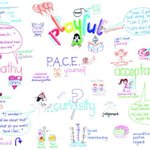


Fantastic new initiative from a skilled, innovative colleague. Would highly recommend her accessible and affordable service to schools and families looking for creative solutions to sticky problems #thepsychologycollaborative
This Post is from an account that no longer exists. Learn more
1
Supporting the increasing levels of anxiety in schools can feel overwhelming. This is an excellent resource, outlining simple evidence-based strategies to support wellbeing. Daily interactions hold the power to prevent, and to cure. Which strategy will you try today?

How can you create an inclusive environment in your school?
Find out strategies on how to create a sense of belonging in your classroom in our new resource created in collaboration with @TheEIFoundation. Download for free here: crowd.in/2O41t5 #Classroomwellbeing

2
We know that behaviour policies that rely on suspensions and expulsions are ineffective and shame-inducing for students who have experienced trauma. Given the universality of trauma within the human experience, wouldn’t all students benefit from a relational approach in schools?
2
Looking after the self relies on both self-care and ‘other’ care; having others in your life who can offer care to you. Asking for help from our social support system is an essential component of wellbeing, particularly during stressful times. Who will you reach out to today?
4
“A serious mental health intervention needs to look at the school system and how it creates problems”
This is an excellent reflection on how our current education system is contributing to demotivation and increased anxiety in CYP.
Thanks for sharing @DrMckeating


A common theme emerging across all of my schools is a significant increase in anxiety. We need to create safe, predictable school systems that offer choice, autonomy, trust, and time for play for all staff and students. How can we make this the foundation of our education system?
It is so easy to fall into a cycle of defensive responding when working with CYP who have experienced trauma. PACE is a way of being that can help us out of this cycle; creating space within relationships for the child to begin to heal #RelationalRepair

Reflecting on how to improve my practice of consultation for the year ahead, and I am wondering if #TwitterEPs could work together to collate a bank of psychologically informed questions that have the power to move a sticky conversation forward?
Dr Ailbhe Costelloe retweeted

How are #TwitterEPs explaining consultation to families and schools?
Just been talking with @EdPsychAlly and we're particularly interested in things which help avoid the EP being framed as the expert...
If appropriate, it would be great to see EGs of documents or wording.
In times of high pressure, the inclusion of a pupil report alongside my psychological report becomes a sporadic ‘bonus’, rather than standard practice. How can EPs make this essential, to ensure CYP have the same access and understanding as the adults around them? #TwitterEPs
Curiosity and desire of mastery are naturally emerging aspects of healthy child development. How can we create an 'irresistible invitation to learn' in our classrooms? I believe that a focus on relationships and the voice of the child is non-negotiable in this regard #EdChatIE
Small changes can have a big impact for CYP who have experienced trauma: prioritising time for connection, depersonalising challenging behaviour, providing safe spaces to process big emotions, and even just greeting CYP in the mornings. Fab piece! @catrionaotoole

Nurture rooms and care spots: How schools are responding to trauma irishtimes.com/news/educatio…

Dr Ailbhe Costelloe retweeted

“Consistent #attunement grows our capacity to feel safe in a relationship.”—@LindsayBramanMA

The ability to self-regulate can only develop following repeated experiences of co-regulation with a trusted, attuned adult. Affective synchrony and interactive repair supports CYP to develop more positive ways of relating #ConnectionBeforeCorrection time.com/3404701/discipline-…

2
Emotion Coaching is an ‘in the moment’, relational approach that generates teaching opportunities from moments of difficult behaviour and builds trusting relationships. No manual, timetabling or equipment required to teach skills of emotional regulation @EmotionCoachUK

A practical, evidence-based strategy to enhance nurturing connection between teachers and students. It is so important to remember that you don’t need to be a therapist to be therapeutic; active listening, genuine interest and empathy are the best tools in your toolkit @kimschon

"Children do not 'witness' domestic abuse, it is experienced as a physical and emotional threat" An incredibly important distinction to make when considering the impact of DV on CYP @sharonlambert0 #WhereTheLightEnters
Parents and guardians are a valuable resource in teaching their child about relationships and sexuality. Tackling these subjects may be daunting, but providing appropriate education can keep CYP safe, allow them to make informed choices, and minimise shame #InformationIsPower
2
