

Just a cat
California
Joined September 2026
- Tweets28
- Following1
- Followers3
- Likes28


Elijah Kidder retweeted

Se você não acredita em magia, olha só como os neurônios se conectam quando a gente aprende algo novo! 😍🧠✨ É surreal demais ver o cérebro trabalhando ao vivo.


Elijah Kidder retweeted

The red-lipped batfish of the Galapagos islands walks on the ocean floor using its fins
Cats in science! Felix Domesticus Chester Willard

A cat co-authored a scientific paper in 1975, when his owner, a physicist named Jack H. Hetherington, decided to add him as a second author to avoid changing the plural pronouns in his manuscript. The cat’s name was Chester, and he was given the pen name F.D.C. Willard, which stood for Felix Domesticus, Chester. Willard was also the name of Chester’s father. The paper was about atomic behavior at different temperatures, and it was published in Physical Review Letters, a prestigious physics journal.
Chester’s co-authorship was revealed when Hetherington sent some signed copies of the paper to his friends and colleagues, and included the cat’s paw prints as his signature. The story became widely known and amused many people in the scientific community. Chester even published another paper as the sole author in 1980, in a French popular science magazine. He died in 1982, but he is still remembered as the first and only cat to have authored a published scientific paper.

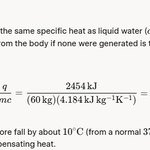
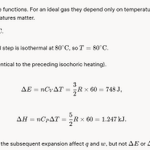
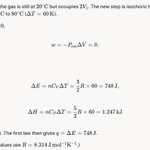
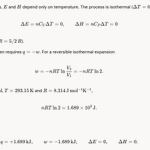
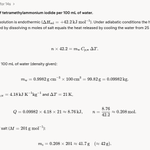
Grok Question 3: A mountaineer caught in a rainstorm might easily absorb 1 liter of water in her clothing. If it is windy, and this amount of water is evaporated at 20°c, how much heat would be absorbed from the body in the process?

