






Pinned Tweet
September 2023 Genderscoop is out today! A monthly digest on gender & ICT in the Philippines and we share this monthly digest featuring news, resources, and events relevant to the greater community of women across all sectors.
Subscribe here - eepurl.com/hS9aLP

FMA congratulates Atty. Gwen Grecia De Vera on her appointment as the 18th Dean of UP Law. She is a valued member of our Board of Trustees. Atty. Gwen has worked on competition issues in various industries. She also served as the first Exec Dir of the PHCC from 2017 to 2018.

Non-consensual distribution of intimate images is a form of online sexual abuse. While the law penalizes the recording, reproduction, and distribution of intimate material without consent, victims are often discouraged from reporting due to stigma and harmful societal norms.
To address this, Stairway Foundation, in collaboration with platforms, government agencies and civil society organizations, created the Take It Down platform, where children & teens can securely & anonymously request the removal of intimate media that were shared wo their consent
Watch the animation above to learn how Take It Down (takeitdown.ncmec.org) works and how it helps protect young people from further harm.


You may access the full newsletter here: fma.ph/on-internet-access-ai…

Usually done to scare and intimidate a person, doxxing can bring an online conflict to the physical world. While anyone can be doxxed, it is women who are most often targeted, especially when they speak up.
Read more here: fma.ph/your-info-their-weapo…

Have you ever asked yourself why unknown numbers keep messaging or calling you? It could be a sign that your data, like your phone number, has been mishandled. This infographic by FMA intern TJ Pacleb sheds light on some of the common ones & what we can do to mitigate its risks.


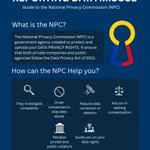
With data breaches & security threats becoming more common, knowing how to reach out to the right authorities is more important than ever. FMA intern TJ Pacleb outlines how to get in touch with the National Privacy Commission & explains the kinds of issues they can help address.


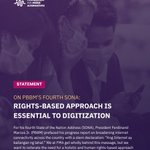
PBBM's plan to broaden internet access and digitize the country’s services is commendable. However, viewing internet as a tool to streamline govt service delivery can leave the PH behind in realizing its potential as a driver of social inclusion, econ growth & civic participation


Each storm season, millions are cut off from electricity, transportation, and communication. But what often gets overlooked is how the lack of internet access disproportionately harms women and girls, particularly in low-income, rural, and disaster-prone areas.

For women, the internet is a tool for safety and connection. When it disappears, so do these opportunities. Learn more about how connectivity gaps deepen inequality and why ensuring access for all must be part of social justice efforts: fma.ph/why-stable-connection…
To make the internet truly inclusive, it is high time that we make accessibility a priority for everyone regardless of their abilities. This #NationalDisabilityWeek, here are a few, simple tips to make your posts or websites easier to access for PWDs.

ALT Infographic shows four tips on how to make the web accessible for people with disabilities. The first is to put text alternatives for non-text content followed by an explainer. Second one is to make web pages appear and operate in predictable ways, followed by an explainer. The third one is about refraining to put flashes on content as to not cause seizures to the viewer. The last one is about making a site fully functional by use of a keyboard.
Sextortion isn’t just about demanding nude or intimate photos—it’s a form of coercion and abuse that weaponizes shame, fear, and manipulation. This form of abuse violates human dignity, invades privacy, and threatens personal safety. In the PH, cases are alarmingly on the rise.

Know more about how this form of violence unfolds online and how and where to seek help if you fell victim to it here: fma.ph/sextortion-in-the-phi…


As the Konektadong Pinoy bill undergoes continued scrutiny, particularly from telecommunication companies, FMA reiterates its call for the urgent passage of this proposed legislation into law.
Read more here: fma.ph/konektadong-pinoy-bil…

Women are disproportionately vulnerable to a range of cybersecurity threats. They are not only frequent targets of harassment but also tend to experience these attacks with social consequences. Here are some steps women can take to protect their information & digital well-being.

