

https://nitter.cf/t.co/eiTefBwgLE Entrepreneur | Searcher | CEO | Acquired & scaled a 45-year business | Building the first franchise built by a Searcher, for Searchers™
Joined June 2023
- Tweets451
- Following497
- Followers222
- Likes401



Pinned Tweet
𝗙𝗶𝗻𝗱 𝗮𝗻𝗼𝘁𝗵𝗲𝗿 𝗳𝗿𝗮𝗻𝗰𝗵𝗶𝘀𝗲 𝘄𝗵𝗲𝗿𝗲 𝘁𝗵𝗲 𝗽𝗲𝗼𝗽𝗹𝗲 𝘀𝘁𝗮𝗻𝗱𝗶𝗻𝗴 𝗯𝗲𝗵𝗶𝗻𝗱 𝘆𝗼𝘂 𝗵𝗮𝘃𝗲 𝗺𝗼𝗿𝗲 𝘁𝗼 𝗹𝗼𝘀𝗲 𝘁𝗵𝗮𝗻 𝘄𝗲 𝗱𝗼.
𝗕𝗲𝗰𝗮𝘂𝘀𝗲 𝘄𝗵𝗼’𝘀 𝗽𝗲𝗿𝘀𝗼𝗻𝗮𝗹𝗹𝘆 𝗶𝗻𝘃𝗲𝘀𝘁𝗲𝗱 𝗶𝗻 𝘆𝗼𝘂𝗿 𝘀𝘂𝗰𝗰𝗲𝘀𝘀 𝗺𝗮𝘁𝘁𝗲𝗿𝘀 𝗷𝘂𝘀𝘁 𝗮𝘀 𝗺𝘂𝗰𝗵 𝗮𝘀 𝘄𝗵𝗼’𝘀 𝗽𝗿𝗼𝗺𝗶𝘀𝗶𝗻𝗴 𝘁𝗼 𝘀𝘂𝗽𝗽𝗼𝗿𝘁 𝘆𝗼𝘂.
In 2024, I completed a self-funded search and acquired Tommy Pollina, a business with over 40 years of operating history.
I personally guaranteed a multimillion-dollar SBA acquisition loan.
I bought a real operating business with employees, customers, equipment, financial obligations, and a reputation built over decades.
Now we’re taking that business national through franchising.
Here’s who’s standing behind our franchisees.
𝗝𝗼𝗲 𝗣𝗼𝗹𝗹𝗶𝗻𝗮: The original founder, with 45 years of his life’s work, expertise, reputation, and family name tied to this business. He’s personally training our franchisees.
𝗦𝗮𝗿𝗮𝗵 𝗔𝗹𝗹𝗲𝗻: Our COO and franchise co-founder, who has built the systems, automation, and operational infrastructure supporting our business.
𝗔𝗻𝗱 𝗺𝗲: The corporate business owner, personally responsible for the acquisition financing, with nearly 20 years of experience building businesses and mentoring people.
We’ve funded our franchise development with retained earnings from the operating business.
𝗢𝘂𝗿 𝗼𝘄𝗻 𝗺𝗼𝗻𝗲𝘆 𝗶𝘀 𝗴𝗼𝗶𝗻𝗴 𝗶𝗻𝘁𝗼 𝘁𝗵𝗶𝘀.
Now consider how some larger franchise organizations are structured.
A holding company may own 10, 15, or 20 different brands, each with executives, franchise sales teams, and business coaches.
Those employees may be excellent at their jobs and genuinely committed to franchisee success.
𝗕𝘂𝘁 𝘁𝗵𝗲 𝗶𝗻𝗰𝗲𝗻𝘁𝗶𝘃𝗲𝘀 𝗮𝗻𝗱 𝗮𝗰𝗰𝗼𝘂𝗻𝘁𝗮𝗯𝗶𝗹𝗶𝘁𝘆 𝗰𝗮𝗻 𝗯𝗲 𝘃𝗲𝗿𝘆 𝗱𝗶𝗳𝗳𝗲𝗿𝗲𝗻𝘁.
Executives can leave. Coaches can be replaced. Leadership teams can be reorganized. Brands can be sold.
The people making decisions may have no personal financial exposure to the original business, no decades-long reputation tied to its name, and no experience actually operating it.
That’s not a criticism of the people.
𝗜𝘁’𝘀 𝗮 𝗾𝘂𝗲𝘀𝘁𝗶𝗼𝗻 𝗮𝗯𝗼𝘂𝘁 𝘁𝗵𝗲 𝘀𝘁𝗿𝘂𝗰𝘁𝘂𝗿𝗲.
Who has their personal capital invested?
Whose name and reputation are on the line?
Who takes responsibility when things get difficult?
At Tommy Pollina, there’s Joe, Sarah, and me.
We’re the people who own, operate, and built the business and franchise system.
We’re directly accessible to our franchisees and personally responsible for delivering the training, mentorship, and support we’ve promised.
𝗧𝗵𝗲𝗿𝗲’𝘀 𝗻𝗼 𝗰𝗼𝗿𝗽𝗼𝗿𝗮𝘁𝗲 𝗽𝗼𝗿𝘁𝗳𝗼𝗹𝗶𝗼 𝗳𝗼𝗿 𝘂𝘀 𝘁𝗼 𝗵𝗶𝗱𝗲 𝗯𝗲𝗵𝗶𝗻𝗱.
Our money. Our careers. Our reputations. Our names.
We’re not simply selling territories. We’re building a franchise system around an operating business we’ve invested our financial futures and professional lives into.
𝗕𝗲𝗳𝗼𝗿𝗲 𝘆𝗼𝘂 𝗯𝘂𝘆 𝗮𝗻𝘆 𝗳𝗿𝗮𝗻𝗰𝗵𝗶𝘀𝗲, 𝗮𝘀𝗸 𝘆𝗼𝘂𝗿𝘀𝗲𝗹𝗳: 𝗪𝗵𝗼’𝘀 𝘀𝘁𝗮𝗻𝗱𝗶𝗻𝗴 𝗯𝗲𝗵𝗶𝗻𝗱 𝗺𝗲, 𝗮𝗻𝗱 𝘄𝗵𝗮𝘁 𝗱𝗼 𝘁𝗵𝗲𝘆 𝗽𝗲𝗿𝘀𝗼𝗻𝗮𝗹𝗹𝘆 𝗵𝗮𝘃𝗲 𝘁𝗼 𝗹𝗼𝘀𝗲 𝗶𝗳 𝘁𝗵𝗲𝘆 𝗱𝗼𝗻’𝘁 𝗱𝗲𝗹𝗶𝘃𝗲𝗿?

Apparently, owning your property doesn’t mean you get to decide what happens on it. Just look at what this homeowner was forced to do.
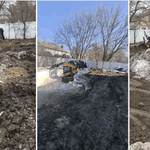
This homeowner had a 30-year-old swimming pool they wanted GONE.
And I don’t blame them.
Old pools can be a nightmare. Constant maintenance, expensive repairs, and thousands of square feet of backyard space taken up by something you don’t even use anymore.
They just wanted their backyard back.
But removing this pool was no easy job.
We were dealing with 14-inch-thick concrete that had been sitting there for 30 years.
We brought in New Holland and Bobcat equipment with massive hydraulic jackhammers to break through it.
And then, HALFWAY through demolition, the village shut the entire project down.
Everything stopped.
The project was delayed an additional MONTH AND A HALF.
Imagine looking out your window in the middle of summer at a half-demolished swimming pool, knowing you can’t do anything with your own backyard.
That’s exactly what this homeowner had to deal with.
By the time we were finally allowed to finish, they’d lost a huge portion of the summer they were supposed to spend enjoying their new outdoor space.
After 45 years in landscaping, we’ve dealt with just about every type of municipal requirement imaginable.
And while many regulations serve important purposes, situations like this can be incredibly frustrating for everyone involved.
𝗪𝗵𝗮𝘁’𝘀 𝘁𝗵𝗲 𝗺𝗼𝘀𝘁 𝗿𝗶𝗱𝗶𝗰𝘂𝗹𝗼𝘂𝘀 𝘁𝗵𝗶𝗻𝗴 𝗮 𝘃𝗶𝗹𝗹𝗮𝗴𝗲, 𝗰𝗶𝘁𝘆, 𝗼𝗿 𝗺𝘂𝗻𝗶𝗰𝗶𝗽𝗮𝗹𝗶𝘁𝘆 𝗵𝗮𝘀 𝗲𝘃𝗲𝗿 𝗺𝗮𝗱𝗲 𝗬𝗢𝗨 𝗱𝗲𝗮𝗹 𝘄𝗶𝘁𝗵 𝗼𝗻 𝘆𝗼𝘂𝗿 𝗼𝘄𝗻 𝗽𝗿𝗼𝗽𝗲𝗿𝘁𝘆?

Learn more about the journey and how we got here at tplcsystems.com/about

642
Want to see who's standing behind our franchisees? Take a look at the journey at tplcsystems.com/about
84
Has ChatGPT convinced homeowners that literally anything can be built?
One customer brought us an AI-generated Christmas idea that most contractors wouldn't even attempt.
We've worked with this customer on some pretty incredible projects.
They tore down an existing house, built a brand-new one, and hired us to handle the entire outdoor system that involved over 15 different trades.
It all started with drainage engineering, managing water around the property, and addressing potential hydrostatic pressure against the new foundation.
From there, the project expanded with the Tommy Pollina Flywheel - where we solve the hard problem, build trust, and the customer wanted us to do everything after that
– Drainage
– Grading
– Custom Timber Hydrostatic Retaining Walls
– Concrete Walkways and Driveway with stone borders
– Concrete Patio
– Stone retaining walls
– Customer Porcelain Walkway
– Custom Buechel Stone Pillars
– 35+ Landscape Lights Under retaining walls and pillars
– Sod
– Plant material : Trees, Shrubs, Perennials, Mulch
So when they came back to us for holiday lighting this year, we already had a great relationship.
But this time, they had a pretty crazy idea.
They went on ChatGPT and generated an image of a massive Santa Claus climbing the chimney on the front of their house.
They showed me the rendering and asked if we could build it.
I took one look and said, "Absolutely. We'll make it happen."
The only problem? This wasn't something you could just order online.
It required custom metal fabrication, welding, neon-style lighting, and a whole lot of problem-solving.
And the finished product came out absolutely stunning.
An eight-foot-tall, custom-fabricated, fully illuminated Santa Claus.
This thing is MASSIVE. The pictures barely do it justice.
It's currently at our facility, and we're getting ready to install it on the front of their house.
The first photo is what ChatGPT imagined.
The second is what we actually brought to life.
And I can't wait to see what it looks like climbing their chimney.
Follow along for the final installation.
AI is making it easier than ever for homeowners to dream up things that never existed before.
But somebody still has to figure out how to actually build them.
What's the most ridiculous request a customer has made because ChatGPT convinced them it was possible?

Learn more about the journey and how we got here at tplcsystems.com/about
1
311
Why would I turn down two easier ways to grow a 45-year-old business?
Because neither one gave me the one thing I wasn't willing to compromise on.
When I acquired Tommy Pollina, I knew we had something worth expanding.
A 45-yr old company with decades of proprietary knowledge, intellectual property for solving drainage problems that nobody has (I have yet to find someone who has what we have in the "Drainage 18") an extremely strong reputation, a premium, trusted brand, a great team, and more demand than we could (or wanted to) handle in our existing market.
The question was HOW to expand.
Option 1: Open corporate locations.
Hire general managers, invest in trucks, equipment, labor, and materials.
Then I asked myself: Do I really trust an employee with no ownership or meaningful financial upside to build an entirely new location from scratch, protect our reputation, and treat every dollar like it's their own?
I didn't.
That option went out the window.
Option 2: Roll up landscaping companies.
This was probably the easier path.
Buy established businesses, acquire their employees, equipment, trucks, and customers, and jam them into the Tommy Pollina brand.
But why would I pay an acquisition multiple for things I can build or acquire myself?
I can buy trucks. I can buy equipment. I can hire employees.
And customers? We already turn away an enormous number of leads because we don't have the capacity to service them.
More importantly, why would I take businesses with less experience, less sophisticated operations, and more commoditized services and jam them together with a brand that took 45 years to build?
I wasn't willing to dilute the Tommy Pollina name or put my reputation at risk just to grow faster.
So that went out the window, too.
That left us with franchising.
Not because franchising was the easiest path. It was the hardest
Because I wanted people who think like I do.
People willing to bet on themselves.
People with real skin in the game.
People who are competitive, driven, passionate, and personally invested in building something they own.
And here's where it became personal for me.
I've spent nearly 20 years building businesses, leading sales and marketing teams, running operations, navigating turnarounds, and hiring, training, coaching, and mentoring hundreds of people.
Of everything I've done professionally, developing people into exceptional salespeople, leaders, and business operators is what I've always loved most.
Franchising gives me the opportunity to combine a 45-year-old operating business with what I'm most passionate about: developing people who want to become successful business owners.
I don't want an employee running a new market because it's their job.
I want an owner running it because it's their future.
That's why we chose franchising.
If you were expanding a successful business, would you rather hire managers, acquire competitors, or partner with owners who have their own money on the line?

Learn more about the journey ahead at tplcsystems.com/about
87
Contractors: What would you do if a homeowner used your company to get a building permit approved without ever hiring you? Because that's exactly what we discovered this morning, and the timing makes this story even more unbelievable.
Earlier this year, we visited a homeowner, to evaluate a failed drainage system beneath an existing hardscape installation.
The homeowner paid our standard $250 site evaluation and proposal fee.
We assessed the problems, developed a proposed solution, and provided a general scope of work.
Just over a month ago, the homeowner asked us to return and refine the scope.
We went back in good faith, reevaluated the project, and provided an updated proposal.
The project involved lifting existing hardscape, replacing a failed underground drainage system, and restoring the hardscape.
Fast-forward to this morning.
We logged into the city's permitting portal.
There it was. An APPROVED building permit.
Issued Friday, November 13th.
And guess whose company was listed as the contractor?
Ours. Tommy Pollina Landscape.
Except there's one pretty significant problem.
The homeowner never hired us.
The homeowner filed for the permit themselves, listing our company as the contractor without our authorization.
Meanwhile, our proposal tracking system shows the homeowner continuing to view our proposal multiple times, including this morning.
Here's where this gets interesting.
Tommy Pollina is the most experienced and trusted name in drainage and outdoor infrastructure throughout Chicagoland for decades.
45+ years in business. Over 11,000 drainage installations. A guarantee to get it done right
So when someone tries to use our expertise to get the job done elsewhere, it's actually pretty flattering.
But there's a reason we don't provide detailed construction blueprints until a customer signs and pays the 50% deposit.
Our proposals provide a very general description of the intended outcome, not the construction methods, technical specifications, or detailed plans required to achieve it.
We deliberately protect that expertise.
And we've seen what happens when someone tries to replicate our work without Tommy Pollina doing the work
We get called back to rip it out and do it right.
You can copy our proposed outcome.
You can't copy 45 years of knowing how to achieve it.
But using our company's name to obtain a building permit without authorization? That's a different story.
We're addressing that directly with the city.
Contractors, builders, and home service business owners: If a homeowner used your company's name to obtain a permit without hiring you, what would you do?

Follow the journey at tplcsystems.com/about
3
837
Check out this five minute presentation we did at MIT’s Sloan College Of Management a few weeks ago
youtu.be/OstEXqIjPak
184
What if one word almost everyone in ETA uses is fundamentally wrong?
I think it reveals a much bigger problem with how we approach buying businesses.
That word is “searcher.”
I think we should replace it with “Operator in a Search.”
Because that’s what you really are. Or at least, that’s what you should be.
You’re not searching for a business to become a professional searcher.
You’re searching for a business to become an operator.
Yet so much of the ETA community is focused on the search itself.
Finding deals. Negotiating LOIs. Raising capital. Securing financing. Getting to closing.
And don’t get me wrong. Searching is incredibly difficult.
But after acquiring a 45-year-old business in 2024, I’ve learned something.
Searching is actually the easier part.
The real challenge begins the morning after closing.
Now you’re responsible for employees, customers, payroll, cash flow, hiring, firing, and solving problems you never even knew existed during diligence.
There’s no seller to negotiate with. No deal to walk away from.
And unlike searching, operating doesn’t have a finish line.
Searching is temporary. Operating is the entire point.
You might spend two years searching for a business - or five
But you could spend the next 10 or 20 years operating it.
That’s why I think this is more than just a change in terminology.
It’s a change in mindset.
And I’ll take it one step further.
If you’re uncomfortable calling yourself an “Operator in a Search,” maybe you should reconsider whether you should be searching for a business in the first place.
Because buying a business isn’t the accomplishment.
Successfully operating it is.
Should we retire the term “searcher” and start calling people “Operators in Search”?
7
1
187
Would you buy the house next door just to tear it down? What these homeowners did with the empty lot is pretty unbelievable.
After the neighboring house was demolished, our crew got to work.
- 30 yards of topsoil and mushroom compost to build up the base
- more than 800 rolls of sod
- Green Giant arborvitae for privacy, plus aspens and magnolias
- perennials and shrubs, from hydrangeas to catmint and lilacs
- Unilock pathways, river rock, steel edging and a drainage system underneath it all
They didn't buy the neighboring house to renovate it, rent it out, or build something bigger.
They bought it to turn two residential lots into one enormous backyard.
Something you almost rarely see in Chicago.
If you could buy the house next door, would you keep it or turn it into yard?

Daniel Katz retweeted

Tommy Pollina has been fixing drainage and landscapes on Chicago's North Shore since 1982
In 2024, @InvestmentTier1 bought it
Met him today for what was supposed to be an hour coffee. We ended up talking for 3 hours. One of the most passionate entrepreneurs I've ever met.
He saw what the ETA gurus don't post about:
- Inflated SDE
- Sellers who quit investing to pump the number
- Brokers running the process
- Buyers closing on businesses they had no business buying
Too many grifters. Too many people getting hurt. So Dan built the alternative
He took 45 years of drainage experience and turned it into a franchise
The first one built by a searcher, for searchers
A real brand, a real playbook and a niche almost nobody else is franchising
He wants you to diligence him hard
If you're around Chicago, he'll coach and mentor you himself
This is beyond personal to him. He's not going to let you fail.
Give him a follow!

Should homeowners have to pay more when their contractor discovers unexpected problems that weren’t in the contract?
Sometimes, the biggest problems are the ones nobody could see before construction began.
We recently took on a complete exterior renovation that included replacing an old brick paver driveway, installing new concrete walkways and patios, rebuilding a retaining wall, and restoring the landscaping.
But when our crew started removing the old driveway, we discovered something unexpected.
There was no proper stone base underneath it. Just sand.
And you can’t simply pour a new concrete driveway over an inadequate foundation and expect it to last.
So before we could move forward, we had to build a properly compacted stone base to support the new concrete.
The finished project included over 1,700 square feet of new concrete, decorative paver borders, a rebuilt retaining wall, and new landscaping.
But the most important work might be the part nobody will ever see.
If a contractor discovers a hidden problem that wasn’t included in the original estimate, who should pay for it?

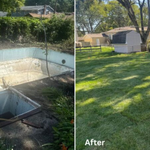
Would you pay someone to remove a perfectly good swimming pool?
This family in Mount Prospect had a pretty good reason.
Our crew demolished the existing pool and surrounding concrete, prepared the area for drainage, and regraded the backyard.
After that, the crew:
- backfilled the pool and finished the top 4 to 5 inches with topsoil
- cleared out overgrown bushes and small trees
- regraded the yard and put river rock in by the shed
- poured a new concrete patio and sidewalks on a stone base with wire mesh
- built a small Quarry Stone retaining wall out front
Their kids had grown up, the pool wasn't getting the same use it once did, and the homeowners decided it was time to reclaim their backyard.
The goal was a backyard the homeowners can actually use, without the pool.
Would you ever get rid of a pool? Or is that crazy talk?

ALT Backyard in Mount Prospect before and after: the swimming pool removed and replaced with lawn, a new concrete patio and sidewalks.