

📊 Real-time job market intelligence. 🌍 Global hiring trends, skills data & workforce insights. 💼 Built for recruiters, HR leaders & economists. 🔗 jobspikr.c
- Tweets3.3K
- Following157
- Followers257
- Likes263






ALT Diagram showing adjacent skills as the cheapest upskilling path from existing capabilities


ALT Card listing three questions to ask a provider about skills taxonomy maintenance


ALT Short video describing three stages in which an emerging skill becomes mainstream in job postings


ALT Diagram showing skills connected by co-occurrence in job requirements


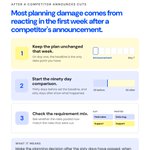
ALT Most planning damage from a competitor announcement comes from reacting inside the first week. Set the ninety day comparison running, check the requirement mix rather than the volume, and decide after the window closes.


ALT Timeline chart of job postings at one company over ninety days, with a layoff announcement marked at day 30. The sixty days after the announcement are highlighted. News coverage lasts about one week, while the hiring pattern runs for the full ninety days.


ALT Chart comparing job posting volume and requirement mix in the thirty days before and after a workforce reduction

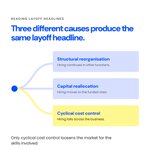
ALT Diagram showing three distinct causes producing the same layoff headline


ALT Graphic comparing an internal job description against current market postings for the same role


ALT Graphic showing a job role absorbing additional skill requirements over eighteen months