

Chief Executive of The Night Time Industries Association / Chairperson of UK Door Security Association / Chair of IPSA
Sevenoaks, South East
Joined January 2009
- Tweets2.3K
- Following1.7K
- Followers754
- Likes334





Pinned Tweet
The people who make our night time economy, hospitality and drinks sectors thrive are also the people who often face some of the toughest challenges behind the scenes.
That’s why we’re proud to be supporting Walk It Together 2026 alongside Ask For Clive and The Drinks Trust.
This September, hospitality professionals, operators, suppliers, venues and supporters will come together to walk 14 miles of purpose, raising vital funds for The Drinks Trust and the incredible work they do supporting people across our sector.
📍 Manchester – 25th September 2026
Whether you work in hospitality, nightlife, events, drinks, entertainment or simply want to support an industry that brings people together every day, we’d love you to join us.
Our sectors are built on community, connection and looking after one another. This is an opportunity to do exactly that.
💛 Walk with colleagues
💛 Raise funds for an important cause
💛 Show your support for the people behind our industry
💛 Be part of something bigger
Spaces are limited, so don’t leave it too long. 🔗 buff.ly/PLQnbfO
#WalkItTogether #DrinksTrust #NTIA #AskForClive #Hospitality #NightTimeEconomy #Nightlife #Community #Wellbeing #Fundraising #TogetherWeCan


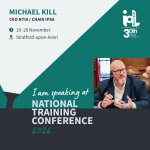
Looking forward to speaking at the National Training Conference 2026 in Stratford-upon-Avon this November, bringing the night-time economy into the conversation and sharing insights with industry colleagues from across the country. Hold the date 18–20 November - Crowne Plaza Stratford-upon-Avon - #NTC2026 #NightTimeEconomy #NTIA

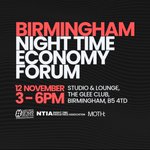
NTIA's Birmingham Night Time Economy Forum in partnership with @Ask for Clive
If we want a night time economy that actually works for the people running it, we need to be in the room where decisions get made.
NTIA and Ask For Clive are launching a Birmingham Night Time Economy Forum. We’re bringing together operators, local authorities, industry leaders, and policing partners to cut through the noise, address the real pressure points on the ground, and lay out where our city’s nightlife is headed.
Thursday, 12th November 2026 | 3:00 PM – 6:00 PM
The Glee Club, Birmingham, B5 4TD
Free to attend, but space is limited and booking is essential. Make sure your voice is in the mix.
Reserve your spot today via the link: buff.ly/ylykpGZ
#NTIA #NightTimeEconomy #NTE #Hospitality #UKCulture

What if the most imaginative night out begins with a bicycle, basketball or swim?
In Cali, Colombia, the city’s June 2026 Ciclovida Noche en Movimiento opened linked routes after dark for cyclists, skaters, runners and walkers, with music and recreation alongside sport. The street became a shared evening destination for families and friends, showing how night time activity can be social beyond conventional venues.
Madrid took a different route in September. Its fourth Noche del Deporte turned central plazas into outdoor places to try up to twenty five sports, with dance, fencing and gymnastics among the displays. The value lies in making familiar civic spaces usable at an hour when many residents are free to explore them.
In Scotland, Gourock Outdoor Pool’s Starlight Swims extended a heated saltwater pool into the evening. The 2026 season has ended, with the programme due back in spring 2027. A leisure facility thus becomes a distinctive experience without losing its purpose.
Events alone cannot build that choice permanently. Western Australia’s Club Night Lights programme backs floodlighting for community sports facilities, allowing more use after sunset. Its current funding round is closed, but the underlying idea matters: invest in the conditions that make evening participation possible.
Together, these approaches suggest a broader test for night time policy. Can people move, gather and play as well as eat, drink and dance? Streets need management, venues need programming, and facilities need lighting and staff. A richer night time economy gives residents more ways to belong after dark.

Today, I’ll be taking the NTIA’s perspective into stakeholder research and live radio, alongside conversations with promoters and venue teams.
First, I’ll catch up with Chris Wright on business states and what it means for the industry . I’ll then have a separate call with Ed Barker own a new initiative, before getting together with our marketing team later in the morning.
Next, I’ll take part in Thinks’ stakeholder research for Ofgem. That will be a chance to contribute the NTIA’s perspective to the research. I’ll then speak live with BBC Norfolk, taking the conversation beyond our own industry channels.
Around midday, I’ll join Luke Richards and Connor for our weekly National Promoters Society and NTIA meeting. Our wider work to establish a grassroots promoter network will give that regular catch up real context. I’ll keep the people creating those opportunities for music and audiences at the heart of how we approach it.
In the afternoon, I’ll catch up with Sara and Shahzad Ali from OnSiren on the amazing tech innovation which has now been launched across the UK.
I’ll speak separately with Lyle Bignon, alongside Silvana, on our upcoming Birmingham NTE Forum..
Later, I’ll catch up with Wambui Kinyua from Nairobi, Kenya. Our connection will sit within the wider work around developing a nighttime economy group in Nairobi and more broadly across Kenya.
I’ll finish with the Love Affair Basement team and Councillor Sam Mathys. After the research, radio and wider sector conversations, I’ll be back in a discussion with a venue team, where I’ll keep the focus on listening to the people behind the business.

Morning from NTIA. Yesterday’s Budget has put business rates at the centre of the nightlife conversation. From April 2027, pubs, social clubs and all but the largest live music venues in England are due an extra 20 percentage points of relief, taking the total to 35%. The Budget also raises small business rates relief thresholds for qualifying hospitality and leisure properties and caps eligible rates bill increases at inflation for two years. Nightclubs are outside the specific pub and live music venue scheme, so eligibility matters.
The cost picture remains mixed. Alcohol duty will rise with inflation from February 2027, and minimum wage rates will rise 3.9% from April 2027. From January 2027, up to 20 million eligible households in England are due a £100 energy payment. That is household support, not a payment to venues. Global energy pressures linked to conflict in the Middle East remain a concern. From today, sales of vapes and nicotine pouches to under 18s are banned across the UK.
Westminster is now scrutinising the Budget’s impact on living standards and the funding of future defence commitments. Abroad, ministers report progress in UK and EU talks over European supply chains, but no deal has been announced. Israel’s vote count still points to no clear governing majority.
For the businesses that bring our high streets and nights to life, the detail will make the difference.

🚨 A positive step forward for the UK's private security industry.
As CEO of the Night Time Industries Association (NTIA), I am always encouraged to see innovation that recognises the vital role security professionals play in keeping our venues, businesses and communities safe.
The launch of OnSiren, a new UK-wide network connecting verified SIA-licensed security officers in real time, is a welcome development.
Security officers are often the first line of response when incidents occur, particularly across our night-time economy. Yet many operate in challenging environments where communication, access to information and support from colleagues can make a real difference.
OnSiren is looking to address that challenge through technology, offering push-to-talk communication, nearby officer alerts and AI-powered shift briefings, all within a free platform for SIA licence holders.
For me, this is about something much bigger than technology. It's about connectivity, collaboration and recognising the professionalism of those working on the front line.
A safer night-time economy depends on strong partnerships, effective communication and ensuring the people responsible for public safety have the tools and support they need.
Congratulations to the OnSiren team on going live. I look forward to seeing how the platform develops and contributes to a more connected and resilient security sector.
🔗 onsiren.com
Michael Kill
CEO | Night Time Industries Association (NTIA)
#OnSiren #NTIA #NightTimeEconomy #PrivateSecurity #SecurityIndustry #PublicSafety #Innovation #SIA

Looking forward to speaking at the National Training Conference 2026 in Stratford-upon-Avon this November, bringing the night-time economy into the conversation and sharing insights with industry colleagues from across the country. Hold the date 18–20 November - Crowne Plaza Stratford-upon-Avon - #NTC2026 #NightTimeEconomy #NTIA

A great night out is built before doors open. Small venues need sound equipment, organisers need skills, and neighbourhood groups need money to test ideas. Three funding models show the layers.
In the North East of England, a £2.2 million mayoral Small Venues Fund is preparing its first application round for November. Grants from £3,000 to £100,000 can support business development and physical improvements. The eligible uses range from mentoring, websites and marketing to lighting, sound, accessibility and greener energy. It includes theatres, concert halls and mixed creative spaces as well as music stages.
New York City’s Office of Nightlife has taken a neighbourhood route. Its first grants, announced in November 2025, funded nonprofit organisations working with commercial corridors. A 2026 city report describes projects including technical mentoring for queer nightlife workers in East New York, venue safety support in Sunset Park and paid training pathways through Nightlife United. The city is investing in organisations that connect operators, workers and communities.
Across Australia, the Visa Vibe programme awarded eight grants of $25,000, one in each state and territory. Its funded ideas include free creative workshops in Canberra, shared low cost food experiences in Hobart and a winter festival at a Melbourne cemetery. These grants funded projects, with economic outcomes still to be assessed.
The common lesson is that nightlife investment needs more than a single show. Equipment, skills, accessible space and trusted local partnerships are part of the product. Back them deliberately, and the next night out has stronger foundations.

Join us Today - What does the Budget Mean?
What will the Government’s Budget mean for hospitality and the night time economy?
Join the NTIA and Institute of Hospitality for a special webinar the day after the Budget, bringing together industry leaders to discuss the impact on taxation, operating costs, employment, investment and business confidence.
Hosted by Michael Kill, CEO of the NTIA, alongside a panel of hospitality experts.
Drop ijn and Join us tomorrow for a full overview on the Chancellors first budget! Register here: buff.ly/Pcq0alj

Today, I’ll be getting into what the Budget will mean for nightlife and hospitality, with conversations that will take us from national policy to individual venues.
First, I’ll turn to the On Trade copy deadline. I’m hoping to catch up with Martin Page, then I’ll speak with Sarah Noble.
Later in the morning, I’ll meet Paul Kohler MP for our NTE APPG discussion. Bringing the sector’s perspective into that conversation will be an important part of the day.
Next, I’ll catch up with Joe Heys at GMCA for our monthly meeting. I’ll also have a separate conversation with Grainne Hurst from the Betting and Gaming Council.
Around midday, I’ll join the Institute of Hospitality’s post Budget webinar. The NTE Round Up will follow, asking what the Budget will mean for nightlife. We’ll get into the implications for the businesses behind the headlines, without losing sight of the people running them.
In the afternoon, I’ll speak with Jack Henry about NTES 2027. Then I’ll join the conversation around Brighton’s LGBTQ+ venues submitting their proposal to the council. Later, I’ll meet the Mobile Locker team at London Bridge, with the Propel deadline also coming up.
This evening, I’ll join Jay Chan at the Holborn Union Society for a panel on the Budget, economic policy and where the nighttime industries sector will go next. We’ll open it up to questions from the floor too, so there’ll be room for a wider discussion about where we go from here

Morning from NTIA. Yesterday’s Budget has put business rates at the centre of the nightlife conversation. From April 2027, pubs, social clubs and all but the largest live music venues in England are due an extra 20 percentage points of relief, taking the total to 35%. The Budget also raises small business rates relief thresholds for qualifying hospitality and leisure properties and caps eligible rates bill increases at inflation for two years. Nightclubs are outside the specific pub and live music venue scheme, so eligibility matters. What is clear is its not enough and without doubt challenging future..
The cost picture remains mixed. Alcohol duty will rise with inflation from February 2027, and minimum wage rates will rise 3.9% from April 2027. From January 2027, up to 20 million eligible households in England are due a £100 energy payment. That is household support, not a payment to venues. Global energy pressures linked to conflict in the Middle East remain a concern. From today, sales of vapes and nicotine pouches to under 18s are banned across the UK.
Westminster is now scrutinising the Budget’s impact on living standards and the funding of future defence commitments. Abroad, ministers report progress in UK and EU talks over European supply chains, but no deal has been announced. Israel’s vote count still points to no clear governing majority.
For the businesses that bring our high streets and nights to life, the detail will make the difference.

Quick question: When someone shouts abuse at a stranger on the street, do they check their faith first?
No. They decide who you are from how you look.
That's why police count racially and religiously aggravated crimes together. Last year religious hate crime rose 13%. Offences against Muslims rose 15% and against Jewish people rose 10%.
Where victim ethnicity was recorded, about a third of victims were Asian and a quarter were Black. (It's under half of cases, so take it as a guide, not gospel.)
Racism and religious hatred are rarely separate. If you spot it, you can help stop it.
Click the link to find out more about National Hate Crime Awareness Week : buff.ly/lXdz4JO
#NationalHCAW #AskForClive #Everyoneiswelcome

NTIA's Birmingham Night Time Economy Forum in partnership with @Ask for Clive
If we want a night time economy that actually works for the people running it, we need to be in the room where decisions get made.
NTIA and Ask For Clive are launching a Birmingham Night Time Economy Forum. We’re bringing together operators, local authorities, industry leaders, and policing partners to cut through the noise, address the real pressure points on the ground, and lay out where our city’s nightlife is headed.
Thursday, 12th November 2026 | 3:00 PM – 6:00 PM
The Glee Club, Birmingham, B5 4TD
Free to attend, but space is limited and booking is essential. Make sure your voice is in the mix.
Reserve your spot today via the link: buff.ly/ylykpGZ
#NTIA #NightTimeEconomy #NTE #Hospitality #UKCulture

One Budget cannot undo years of damage to the night-time economy.
While the latest Budget offers some welcome measures for pubs, clubs and music venues, the reality is that businesses across nightlife and hospitality have spent years dealing with rising costs, reduced consumer spending and mounting financial pressure. For many operators, survival has taken priority over growth, and the support announced will need to make a real difference on the ground.
As Michael Kill, NTIA CEO, makes clear, preventing further damage is not the same as repairing what has already been lost. Without more meaningful action on VAT, employer National Insurance and the wider cost of running a business, many venues will continue to face difficult decisions about their future.
The industry needs more than breathing space. It needs the right conditions to recover, invest and keep its doors open.
Read the full NTIA response on the Budget and what it means for the future of nightlife and hospitality 🔗 buff.ly/eV4VqIx
#NTIA #NTE #Budget #Hospitality


Who gets to decide what a city feels like after dark? That choice shapes whether policy protects venues, respects neighbours’ sleep and includes people too often missing from licensing debates.
Camden in London offers one approach. Its citizens’ assembly brought together 47 randomly selected people who lived, worked or ran businesses in the borough. They developed principles and recommendations that helped shape the council’s evening and night time strategy. The strategy goes beyond pubs and clubs, proposing inclusive early evening experiences, support for grassroots venues and an evening and night panel. The assembly met in 2023, but its work remains a useful test of whose expertise counts.
Albany, New York, has taken another route this year. A mayoral Advisory Council on Nightlife Economy includes DJs, dance instructors, hospitality professionals, artists, business owners, residents and public servants. Its brief is to assess cultural and economic impact, hear from workers and operators, and recommend policy to the city. Its value will depend on what happens to those recommendations.
Buenos Aires is asking a different question: which night, and where? Its BA 24H programme uses a dedicated nightlife survey, neighbourhood mapping and channels for residents’ complaints. The city frames night life around resting, working and enjoyment. That makes tensions visible at the scale of streets and districts, rather than treating every area as identical.
These examples point to a practical principle. Creative nights need decisions that hear artists, hospitality workers and neighbours. Participation should reach the design table before the rules are settled.

What will the Government’s Budget mean for hospitality and the night time economy?
Join the NTIA and Institute of Hospitality for a special webinar the day after the Budget, bringing together industry leaders to discuss the impact on taxation, operating costs, employment, investment and business confidence.
Hosted by Michael Kill, CEO of the NTIA, alongside a panel of hospitality experts.
Drop ijn and Join us tomorrow for a full overview on the Chancellors first budget! Register here: buff.ly/Pcq0alj

“The Price of a Night Out Has Reached Its Limit”: NTIA Issues Budget Warning as Consumer Spending Rises 34%
The Night Time Industries Association (NTIA) has warned the Chancellor that consumers have reached an affordability ceiling, as new CGA by NIQ research reveals spending on nights out has risen 34% since 2020.**
Average spending per head in pubs, bars and restaurants has increased from £20.95 in 2020 to £28.06 in 2026. However, growth has slowed sharply to just 2.1% over the past year, while London spending has effectively plateaued.
The NTIA warns that rising expenditure does not signal greater prosperity but reflects escalating operating costs, including employment, energy, taxation and business rates, increasingly passed on to consumers.
Michael Kill, CEO of NTIA, said:
“This Budget comes at a defining moment for British nightlife. Businesses cannot afford to absorb further costs, while customers cannot afford to keep paying more.
“The consumer cannot be the industry's financial shock absorber indefinitely.
“Consumers have reached their ceiling. Operators have reached theirs. The Chancellor must recognise that the sector has nowhere left to pass the pressure.”
The NTIA is urging meaningful action on business rates, employment costs and taxation to prevent further venue closures and protect the accessibility of nightlife.
Without intervention, the association warns that rising costs threaten businesses, jobs, cultural spaces and the vitality of towns and cities nationwide.
**The message is clear: nightlife cannot remain sustainable if consumers and operators are pushed beyond their financial limits.**

The Budget will be central to today’s work, with time set aside for media and our release. I’ll keep the realities facing nightlife businesses and their teams at the heart of how we communicate.
First, I’ll speak with Freek Wallagh about the Global Nightlife Movement, with Michael Rodrigues potentially joining us. Looking across borders will help put our own experience into a wider conversation about the night.
As the morning moves into Budget media work, I’ll also catch up separately with Graeme Park.
Then I’ll speak with Satia Rai for our IPSA catch up. The people working in security are part of the fabric of our venues, and maintaining that connection will remain important to the wider NTIA picture.
Early in the afternoon, I’ll join our monthly NTIA catch up with HMRC. On a day centred on the Budget, that regular relationship will sit alongside the public conversation about the pressures and practicalities of running a business.
Later, I’ll meet Councillor Daniel Dream from Lewisham. I’ll bring the perspective of nightlife into that local conversation, where the experience of venues, communities and culture needs to be heard.
I’m also hoping to catch up with Social Scene later in the afternoon.
The day will close with Deborah and Jono from bar.made. I’ll take the same approach into that final conversation: listening closely to the people behind the businesses as we look ahead.

Morning from NTIA. Budget day puts the cost of doing business firmly in focus. Chancellor John Healey speaks at 12.30 pm, with energy bills, tax and wages all in the spotlight. The Treasury has announced plans to remove gas standing charges for around 23 million homes by moving fixed costs into unit rates. It has not announced equivalent relief for venues.
Reports of higher alcohol duty and minimum wages are still predictions ahead of the speech. The Liberal Democrats have called for lower VAT on hospitality, but that is an opposition proposal. For pubs, clubs and live music spaces, the crucial detail will be what the Budget actually does for operating costs, jobs and customers’ spending power.
Beyond Westminster, Ukraine’s President Zelenskyy has urged the UK to accelerate defence spending. In Israel, exit polls point to no clear election winner, with coalition talks likely. Conflict in the Middle East remains a concern for energy prices. We will look closely at the published Budget and independent forecasts before judging the impact on our sector.

When someone speaks up about abuse, how we respond matters.
The NTIA supports the Government’s Respond campaign and its message to Listen. Believe. Support. By raising awareness, challenging harmful behaviours and helping create safer, more supportive environments, we all have a role to play in tackling violence against women and girls.
Find guidance and support through the ENOUGH campaign via the link in our bio.