

AI Builder|Prompt Engineer|Workflows 🤯原创 GPT-Images / Seedance 视觉案例与提示词 拆解 AI 商用、Agent 自动化|年省百万+人力成本 Build in public|AI, business & fatherhood WeChat: MrLarus
Joined January 2011
- Tweets9K
- Following720
- Followers42K
- Likes8.5K




Pinned Tweet
🩶⚔️ She saved her life. Then came the betrayal.
A 52-second AI wuxia short inspired by Dongfang Bubai.
Clashing blades, a silver hairpin, and crimson silk in the rain.
That final smile says it all.
Made with @Flovaai #Flovaai #Flovacpp
Prompts in the replies 👇
🤝 Paid partnership

🎬 A Chinese-style song turned into a full wuxia MV!
White horses, a lost hairpin, a woman in red, broken bridges, deep valleys—
every scene follows the emotion and story of the lyrics.
Built entirely with GPT-AStra + Flova CLI,
with lyric animation powered by the open-source JIZURA project.
Movie made with @Flovaai #Flovaai #Flovacpp
Workflow + breakdown below 👇
🪁 Images 2.5 做日式留白海报,大留白+微型叙事,故事感真的很强!
四种留白叙事:人与人的距离、风的方向、窗里的灯、遗失的小物件。
1. 留白花园:小人物藏在色块之间
2. 风的形状:细线从风筝牵到地面
3. 窗后的夜:暗楼里亮着几扇窗
4. 遗失物:钥匙和车票浮在口袋旁
🌟 很适合书籍封面、文艺海报、文化展览、情绪氛围类视觉设计参考!
提示词在评论区👇


提示词:
海报主题:【填写主题】
核心象征物:【填写主体】
情绪关键词:【填写情绪】
辅助人物或场景:【填写元素】
主标题:【填写标题】
主色调:【填写配色】
展览信息:【填写日期、地点等】
设计一张 9:16 竖版日式留白艺术海报,融合日本现代平面设计、复古版画与细腻的情绪叙事。整体保持克制、安静的视觉气质,同时具有清晰的主题表达。
选择一个具有象征意义的核心物件,将它转化为整个画面的主要视觉焦点。可以通过放大比例、强调轮廓或重复简单结构,让普通物件呈现不同寻常的视觉效果。
通过大面积留白、人物与主体的尺度反差,以及物件之间的空间距离,表达主题中的情绪。留白需要参与构图,而不是没有内容的空白背景。
加入少量微型人物、细线、光影或生活物件,为画面建立细微的故事关系。每个辅助元素都应该有明确作用,帮助观众理解情绪或发现隐藏的叙事细节。
采用米白旧纸背景,搭配 1–2 种主要颜色和少量暖色点缀。保留轻微的纸张纤维、印刷颗粒与自然磨损,让画面具有温暖的手工质感。
使用大型中文或日文标题、精致的英文副标题和少量展览信息。文字可以沿边缘竖排,也可以与主体形成位置呼应,但需要保持足够的留白和呼吸空间。
最终呈现一张简洁却有故事感的日式艺术海报。重点控制视觉比例、空间节奏与情绪表达,避免无意义装饰、过多元素或过度空旷导致画面失去吸引力。
📮 日式叙事海报怎么做?Images 2.5 做异形构图,设计感拉满!
纸带、夜车、叶片和归途,让每张海报都有自己的故事:
1. 风的邮局:红色信纸掠过海岸
2. 午夜频率:夜车穿过深蓝夜色
3. 城市种子:绿色社区长进叶片
4. 回家的路:红线串起山海与城市
🌟 很适合城市文化宣传、文旅品牌、旅行主题海报、杂志封面设计参考!
提示词在评论区👇


提示词:
故事主题:【填写主题】
主要城市或场景:【填写场景】
核心视觉形态:【纸带 / 叶片 / 河流 / 道路 / 其他象征物】
故事线索:【填写人物、事件或情绪】
主标题:【填写标题】
主色调:【填写配色】
展览信息:【填写日期、地点等】
创作一张 9:16 竖版日式叙事艺术海报,融合复古城市版画、诗意插画与现代编辑式排版。画面需要围绕一个明确的故事主题展开,具有独特的视觉象征和丰富的探索细节。
以大型纸带、叶片、河流、道路或其他象征性形态作为画面骨架,让不同场景自然嵌入其中。核心形态需要具有强烈的识别度,同时承担连接故事的作用。
通过蜿蜒、延伸、穿插或层层嵌套的构图,形成连续的视觉动线。让观众的视线从一个场景自然移动到另一个场景,逐步发现画面中的人物、建筑与故事细节。
将城市街道、建筑群、自然景观、交通工具和微型人物组合成精细的叙事空间。不同部分需要有远近与尺度变化,既保持整体连贯,也让局部值得放大观看。
使用米白色旧纸背景、细腻的复古版画纹理与克制的主色调。搭配少量高对比的点缀色,用于强调故事线索、引导视线或连接不同场景。
结合大型中日文标题、英文副标题、竖排短句及精致的展览信息。文字需要融入整体构图,让留白区域与复杂场景形成有节奏的对比。
画面应具有丰富的城市细节、清晰的故事关系和成熟的艺术海报质感。避免把多个独立场景随意拼贴,也不要因细节过密而失去主要视觉焦点。
🤯 GPT-Image 2.5 做日式概念海报,复古版画风格,太抓眼了!
巧用叙事感,表现地层、金缮和蓝染留下的时间痕迹:
1. 时间修理:微型工人修表针
2. 地层记录:岩层里藏着化石
3. 修补痕迹:金色裂缝连起陶片
4. 蓝染手帖:布料铺满整座染坊
🌟 很适合工艺展、非遗活动、博物馆主题海报和品牌故事设计参考!
提示词在评论区👇


提示词:
海报主题:【填写主题】
核心物件或材质:【填写主体】
工艺或变化过程:【填写过程】
重要视觉细节:【填写工具、纹理或人物】
主标题:【填写标题】
主色调:【填写配色】
展览信息:【填写日期、地点等】
设计一张 9:16 竖版日式复古工艺艺术海报,将时间、材料结构和手工制作过程转化为具有叙事性的视觉作品。整体融合传统版画、现代编辑排版与工艺档案的设计语言。
把核心物件或材料大幅放大,展示其内部结构、表面纹理、制作痕迹或修复细节。主体应具有鲜明的轮廓和丰富的局部变化,成为整个画面的视觉中心。
根据主题加入微型人物、工具、工艺装置或操作场景。通过主体与辅助元素之间的尺度对比,让观众感受到制作过程的复杂性,也能发现隐藏在画面中的故事。
构图可以使用局部剖面、分层结构、倾斜透视或材料之间的穿插关系。不同元素应围绕同一种工艺展开,形成完整的视觉逻辑,而不是简单罗列物件。
采用米白旧纸、有限的高对比配色、粗细结合的手绘线条,以及自然的油墨磨损和版画颗粒。重点表现材料本身的质感,例如金属、石层、陶土或织物的真实纹理。
使用大型中日文标题、英文展览名称、小型工艺标注和必要的说明文字。文字可以穿插在材料结构周围,但不能遮挡核心细节或破坏画面的层次关系。
最终呈现一张具有博物馆展览品质的复古工艺海报,兼顾视觉冲击、材料细节和文化表达。避免材料质感失真、无关工艺混用和过度装饰。
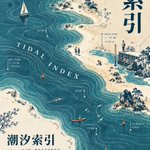
🔥 GPT-Image 2.5 做日式自然图鉴,剖面和观测标注真有设计感!
从柚子、月亮到潮汐与雨声,自然主题也能变成精致的艺术图鉴:
1. 潮汐索引:潮流线沿海岸延伸
2. 月相观测:巨型月盘记录盈亏
3. 香气的剖面:果皮、果肉逐层标注
4. 雨的乐谱:用雨线疏密表现节奏
🌟 很适合自然科普、博物馆展览、文化艺术宣传、图鉴类书籍封面参考!
提示词在评论区👇


提示词:
观察主题:【填写主题】
核心自然对象:【填写对象】
主要观察方式:【剖面结构 / 周期变化 / 运动轨迹 / 自然纹理】
主标题:【填写标题】
主色调:【填写配色】
展览信息:【填写日期、地点等】
创作一张 9:16 竖版日式自然观察艺术海报,融合博物学插画、科学信息图、复古印刷与现代展览设计。让自然现象成为兼具艺术美感和观察价值的视觉作品。
将核心自然对象大幅放大,成为画面的主要视觉焦点。根据主题选择剖面、周期、流动轨迹或形态变化等表现方式,展示对象最具有辨识度的特征。
围绕主体加入局部放大、观察节点、细线引导、刻度和结构标注。信息应该有明确的逻辑关系,让观众能够沿着画面的阅读路径理解自然对象。
整体采用米白色旧纸背景,搭配自然系主色调和少量强调色。通过柔和的颜色层次、精细手绘线条与复古印刷颗粒,呈现具有年代感的自然图鉴风格。
构图需要兼顾大型主体与细小信息,形成明显的尺度反差。辅助图形、记录线和说明文字沿着主体结构自然分布,保持科学图鉴特有的精密秩序。
排版结合大型中文或日文标题、英文副标题、竖排说明及小型观察标签。文字信息需要与主题对应,避免随意填入没有意义的科学术语或虚构数据。
最终画面应同时具有自然观察的严谨感、艺术海报的视觉冲击和成熟的编辑设计感。避免普通教材式布局、机械图表堆叠及过度写实的商业摄影效果。
🤯 用 GPT-Image 2.5 做日式实验海报,巨字穿插、三色错版太吸睛了!
旧纸张、日文排版和印刷颗粒换个设计手法,就能呈现不同的视觉效果:
1. MOVE!:倒立街舞冲进巨字
2. 错印之美:蓝红黄三色套印错位
3. 文字迷路:字体变成一座迷宫
4. 光的分光:棱镜把白光拆成五色
🌟 很适合艺术展、设计节、音乐活动主视觉,以及品牌海报和创意字体设计参考!
提示词在评论区👇


提示词:
海报主题:【填写主题】
主标题:【填写标题】
副标题:【填写副标题】
核心视觉元素:【填写主体】
视觉设计手法:【巨字穿插 / 套印错位 / 字形迷宫 / 几何折射,选择一种】
主色调:【填写配色】
展览信息:【填写日期、地点等】
设计一张 9:16 竖版日式实验艺术海报,融合日本复古平面设计、现代字体实验和艺术展览视觉。整体具有鲜明的设计语言,像一张经过专业编排的独立艺术展海报。
以超大标题作为画面的主要视觉结构,让文字与核心元素产生真实的空间关系。可以通过穿插、遮挡、套印错位或字形变形,创造出令人意外但合理的视觉效果。
主体与字体应该相互影响,而不是简单叠放。放大最有表现力的字母或字符,通过裁切、重叠和比例对比,让观众第一眼就能识别视觉重点。
采用少量高对比颜色,结合米白色旧纸背景、自然油墨颗粒和复古印刷质感。局部可以保留轻微套色偏差、边缘磨损与丝网印刷纹理。
排版融合大型英文标题、中文或日文竖排文字、精细的英文副标题及展览说明。通过字体大小、字重和留白建立清晰的阅读层级。
辅助文字、几何标记和细线可以分布在画面边缘,但必须围绕主题展开。整体信息丰富,仍要保持明确的视觉重心和舒适的阅读节奏。
画面需要具有完整的艺术作品感和强烈的缩略图识别度。每张只突出一种核心视觉手法,避免元素堆砌、文字乱码、廉价特效和普通的文字叠图效果。
📸 Images 2.5 turns torn photos into time machines!
One little tear reveals decades of change—from outfits to the world around them.
1. A subway ride back to 1983
2. A salon chair with a past
3. Cycling through the '70s
4. A photo shop frozen in 1984
The past is hiding right beneath the surface.
Prompt in the replies 👇


📸 Images 2.5 turns torn paper into a time machine!
The fun part is watching everything shift with it—clothes, objects, even the place itself.
1. Ice cream, straight out of 1969
2. Checking into a hotel in 1974
3. Gas pumps turning into EV chargers
4. A record store carrying 1972 into today
One torn edge, and the whole timeline opens up.
Prompt in the replies 👇


Prompt:
【SUBJECT】: {woman / man / couple}
【MODERN OUTFIT】: {present-day outfit}
【PAST OUTFIT】: {era-appropriate outfit}
【LOCATION】: {subway / salon / bicycle shop / photo lab / etc.}
【PAST YEAR】: {e.g. 1983}
【PRESENT YEAR】: {2026}
【MODERN SCENE】: {present-day version of the location}
【PAST SCENE】: {historical version of the same location}
【KEY PROP】: {train / salon chair / bicycle / camera / etc.}
【ACCENT COLOR】: {main outfit color}
【TITLE】: {short title}
【TAGLINE】: {short sentence}
【ASPECT RATIO】: 9:16
Create a high-end 9:16 fashion editorial poster using a single torn-paper time transition.
The upper 65–70% is one complete modern color photograph. Only the lower part is torn open, revealing the exact same location decades earlier as a clean black-and-white photograph. Do not add a second tear at the top.
Make 【SUBJECT】 the clear visual focus, occupying roughly 70–80% of the frame. Use realistic skin texture, natural hair, believable anatomy, candid body language, and matte fabrics. Dress the subject in 【MODERN OUTFIT】 and use 【ACCENT COLOR】 as the strongest color anchor. Avoid oily skin, plastic AI faces, heavy retouching, CGI textures, and stiff model poses.
Show 【LOCATION】 in 【PRESENT YEAR】 using 【MODERN SCENE】. Keep the scene contemporary, realistic, clean, and visually restrained. Below the torn edge, reveal 【PAST SCENE】 from 【PAST YEAR】 while preserving the same camera angle, architecture, floor lines, object positions, and perspective.
Let the tear cross the subject around the thigh or knee. Below it, transition the same person into 【PAST OUTFIT】 while keeping the body position, proportions, leg direction, and weight distribution perfectly continuous.
If useful, let 【KEY PROP】 transform as well—for example a modern train into an older subway car, a modern salon chair into a vintage hydraulic chair, a contemporary bicycle into a classic steel-frame bike, or a mirrorless camera into a 35mm film camera. Keep the object aligned in the same position and perspective across both eras.
The torn edge should look physically real, with irregular white paper fibers, slight thickness, and a soft contact shadow. Keep the historical section clean and photographic with subtle film grain and natural grayscale. Avoid heavy scratches, stains, glowing cracks, floating paper, portals, or fantasy effects.
Use natural daylight or believable indoor lighting. The modern section should feel clean, tactile, and editorial, with realistic skin, fabric, metal, glass, and depth of field.
Add restrained editorial typography:
TIME IN BETWEEN
【PAST YEAR】 / 【PRESENT YEAR】
【TITLE】
【TAGLINE】
Keep typography secondary to the person. No random text, logos, watermarks, QR codes, or decorative symbols.
The final visual order should be: person first, torn edge second, then the discovery that the same person, object, and place continue into another era underneath.
Generate one complete standalone 9:16 poster, not a split-screen, grid, or before/after layout.
📸 Images 2.5 turns torn paper into a time machine!
The fun part is watching everything shift with it—clothes, objects, even the place itself.
1. Ice cream, straight out of 1969
2. Checking into a hotel in 1974
3. Gas pumps turning into EV chargers
4. A record store carrying 1972 into today
One torn edge, and the whole timeline opens up.
Prompt in the replies 👇
🤯 Giant typography makes these fashion covers impossible to ignore!
Low angles, oversized shoes, and vivid color blocking.
1. ZEST: Orange × Cobalt blue
2. BOLD: Checkerboard × Electric purple
3. FLEX: Blush pink × Metallic gold
4. TILT: Mint green × Vermilion
✨ Great for fashion editorials, magazine covers, brand campaigns, and typography inspiration!
Prompt below 👇


Prompt:
【SUBJECT】: {adult woman / man / couple}
【MODERN OUTFIT】: {present-day outfit}
【PAST OUTFIT】: {era-appropriate outfit}
【LOCATION】: {record store / hotel / ice cream shop / gas station / laundromat / etc.}
【PAST YEAR】: {e.g. 1969}
【PRESENT YEAR】: {e.g. 2026}
【MODERN SCENE】: {how the place looks today}
【PAST SCENE】: {how the same place looked in the past}
【KEY PROP】: {optional object}
【ACCENT COLOR】: {main color}
【TITLE】: {short English title}
【TAGLINE】: {short sentence}
【ASPECT RATIO】: 9:16
Create a high-end 9:16 fashion editorial poster built around a single torn-paper time transition. The upper 65–70% of the image is one complete modern color photograph. Only the lower part is torn open, revealing the exact same location in 【PAST YEAR】 as a black-and-white historical photograph. Do not add a second tear at the top.
Make 【SUBJECT】 the absolute visual focus, occupying roughly 70–80% of the frame. Use realistic skin texture, natural hair, believable anatomy, candid body language, and matte fabrics. Avoid oily skin, plastic AI faces, excessive retouching, CGI textures, and stiff model poses. Dress the subject in 【MODERN OUTFIT】 and use 【ACCENT COLOR】 as the main visual color anchor.
Show 【LOCATION】 in 【PRESENT YEAR】 using 【MODERN SCENE】. Keep the environment realistic, contemporary, clean, and visually restrained. Below the single torn edge, reveal 【PAST SCENE】 in black-and-white, preserving the same camera angle, architecture, doorway positions, floor lines, horizon, and perspective so both eras clearly feel like the same place.
Let the torn edge cross the subject around the thigh or knee. Below it, transition the same person into 【PAST OUTFIT】 while keeping exactly the same body position, proportions, leg direction, and weight distribution. If useful, let 【KEY PROP】 also change into its historical equivalent while keeping its position and perspective aligned.
The torn edge should look physically real, with fine white paper fibers, irregular handmade tearing, slight thickness, and a soft contact shadow. Keep the historical section clean and photographic, with subtle black-and-white film grain and natural grayscale. Avoid heavy scratches, stains, yellowing, distressed paper, glowing cracks, portals, floating fragments, or fantasy effects.
Use natural daylight or believable indoor light. The modern section should feel clean, tactile, and editorial rather than overly cinematic or commercial. Keep the person sharper than the background, with realistic skin, fabric, object materials, and depth of field.
Add restrained editorial typography: “TIME IN BETWEEN” with “【PAST YEAR】 / 【PRESENT YEAR】” near the top, then “【TITLE】” and “【TAGLINE】” in the lower historical area. Keep typography secondary to the person. Do not add random text, logos, watermarks, QR codes, or decorative symbols.
The final visual hierarchy should be: first the person and outfit, then the single torn edge, then the discovery that the same person, object, and location continue into an earlier era underneath. Generate one complete standalone 9:16 poster, not a split-screen, grid, or before/after layout.
Prompt:
1/5 — Characters & style
Create a photorealistic, cinematic magic-academy romance. Harry: messy black hair, round glasses, burgundy-trimmed robes. Female Malfoy: platinum-blonde half-up hair, green-trimmed robes, silver accessories. Keep faces, outfits, and props consistent across shots. Natural expressions, realistic hair movement, weighted fabric, atmospheric lighting. Vertical 9:16, 720p, Seedance 2.5. Generate short scenes separately. English dialogue where needed; otherwise use ambient sound and effects. Add music during editing.
2/5 — An unexpected fall
Inside a dim Gothic academy, Harry climbs a long stone staircase carrying a large worn leather suitcase. Malfoy and her two friends approach from above. They notice him while walking. Close-up: the short-haired friend subtly casts a spell. Cut to the stone step cracking beneath Harry’s approaching foot. His weight lands on the damaged edge; it collapses. He stumbles forward, drops his suitcase, and catches himself on his left hand. Books scatter down the steps. Low-angle shot: the three girls loom above him. Malfoy looks down with restrained amusement.
3/5 — Forced partners
In class, Harry examines his injured hand. Malfoy notices, then looks away. The teacher calls: “Potter. Malfoy. Together.”
During a magical exercise, Malfoy holds a shimmering shield against the teacher’s attack. Alternate close-ups of focused eyes, gripping hands, and rippling magic. The teacher intensifies the spell; his hair and robes surge in the magical wind as a flock of dark ravens sweeps forward. Malfoy braces with both hands but loses her footing. Harry catches her with his right arm, then visibly extends his left arm to counter the attack. Her expression shifts as she watches him protect her.
4/5 — Jealousy, danger & rescue
In a sunlit courtyard, Harry shares a small floating golden light with another girl. She gently checks his injured wrist. From the cloister, Malfoy notices their closeness; her expression tightens almost imperceptibly.
Later, high in a moonlit forest, Malfoy confronts a snarling, amber-eyed beast on an enormous branch. Her spell strikes it with a visible burst of force. A second creature ambushes her, knocking her into the ravine. Harry dives toward her on a flying broom, intercepts her fall, and catches her in a clear bridal carry: one arm supporting her upper back, the other beneath both knees. Their momentum carries them forward before they climb away.
5/5 — The moment everything changes
During a quieter flight, maintain the bridal carry throughout. Malfoy looks up at Harry, realizes how close they are, and lowers her eyes. Close-up: her fingers gently tighten around his robe. Wind moves individual strands of hair and softly lifts their clothing.
Cut to her dormitory entrance at night. Harry naturally turns and walks away along the stone path. Malfoy takes a few steps toward the warm doorway, slows, then looks back. Over her shoulder, show him several metres away, still walking. Close-up: her gaze softens, a tiny smile appears, and she lowers her eyes before turning inside. Keep his expression ordinary and relaxed; let her reaction reveal the growing feelings.

Prompt:
Create a cinematic live-action wuxia sequence inspired by Dongfang Bubai and classic Hong Kong martial arts cinema. Approximately 52 seconds, 16:9, 720p.
SETTING AND CHARACTERS
A rain-soaked wooden pavilion beside a misty mountain lake at night. Warm amber lanterns illuminate wet timber, wooden pillars, open railings and flowing red curtains. Cool blue mountains and lake water remain visible beyond the pavilion. Maintain consistent geography throughout.
Dongfang Bubai wears flowing crimson robes, with long black hair and a silver Chinese straight sword. Her movements are precise, swift and commanding. A black-clad male swordsman carries his own straight sword. A young woman in ivory robes wears a slender silver hairpin that she later uses as a concealed weapon. Keep their faces, costumes, weapons and proportions consistent.
OPENING — THE INTERVENTION
The ivory-robed woman stands near a red curtain as the black-clad swordsman advances with his blade. Dongfang Bubai sweeps between them, crimson sleeves trailing behind her, and intercepts his sword with her own.
Begin with a medium shot establishing all three characters, then track into a three-quarter combat angle as the blades collide. Dongfang Bubai immediately counters toward his upper body. He parries and returns the attack, carrying the movement directly into a rapid duel.
THE DUEL
The swordsman attacks with a diagonal cut, a returning slash and a direct thrust. Dongfang Bubai redirects the strikes while advancing, her footwork and sword moving together. Each parry opens the next attack; both fighters continually adjust distance and balance.
Use moving medium-wide shots to show their full bodies and the path of the blades. Cut closer for a forceful blade collision, then return wide as they change position across the wet pavilion.
When his sword is knocked aside, the swordsman snaps a small concealed dart toward her with his free hand. Dongfang Bubai slips outside its path and immediately closes the distance. Their swords clash overhead. She turns his blade outward and drives a counterattack through his exposed guard, forcing him backward into the lakeside railing.
His momentum carries him over the edge. Cut to an exterior wide shot as he falls into the lake, followed by a violent splash.
THE BETRAYAL
Cut from the splash to a close-up of the ivory-robed woman. A passing crimson sleeve clears the foreground. Her startled expression tightens; her eyes settle on Dongfang Bubai with deliberate intent.
Cut to a side two-shot. Standing slightly behind her rescuer, she pulls the slender silver hairpin from her hair and drives its point toward the side of Dongfang Bubai’s neck.
Dongfang Bubai catches the movement, leans away from the point and seizes the attacking wrist. The stab flows directly into a close struggle. The woman pulls forward and twists her arm, while Dongfang Bubai turns her wrist outward and keeps the hairpin away from both bodies. Show the weapon continuously from its removal through the interception.
THE SWORDSMAN RETURNS
Close-up: a wet hand grips the edge of the pavilion. The black-clad swordsman hauls himself out of the lake, sword still in hand, and immediately surges toward them.
Cut wide to establish the three-person arrangement. Dongfang Bubai is caught between the returning swordsman and the ivory-robed woman. The woman pulls against the captured wrist and attacks again as the swordsman closes from the other side.
Dongfang Bubai pivots through the narrowing gap, redirects the woman’s weapon arm and meets the swordsman’s attack. Track around the confrontation to reveal the successive threats while preserving the positions of the lake, railing and pillars. The woman and swordsman press their attacks together, forcing Dongfang Bubai to respond continuously.
SAVING HER AGAIN
A tight shot catches the swordsman committing to a fast horizontal cut. Cut across his shoulder to reveal that the ivory-robed woman has moved into his blade’s path.
Dongfang Bubai immediately shoves her clear. The swordsman takes the opening and redirects his next thrust toward Dongfang Bubai’s exposed upper body.
Cut to a low side angle as Dongfang Bubai drops into a deep backbend beneath the passing blade. Her left palm plants firmly on the wet floor. Using that hand and her grounded foot for support, she drives her other leg upward into the swordsman’s torso, knocking him backward.
Follow the movement in a wider shot as she pushes off the supporting hand and flips back onto her feet. Her crimson robes whip through the recovery, and her landing flows directly into the counterattack.
THE FLYING SWORD
Dongfang Bubai drives her sword forward and releases it toward the retreating swordsman.
Cut on the release to the swordsman beside a wooden pillar. The blade strikes his shoulder area, throwing him back against the timber. His sword arm drops. He grips the wound and slides down the pillar into a seated position on the wet floor. Connect the release, impact and collapse in a sharp, readable sequence.
THE SILVER HAIRPIN
Close-up of the ivory-robed woman with the open lake and misty mountains behind her. She looks toward the wounded swordsman, then snaps her gaze toward Dongfang Bubai. Her expression hardens.
She grips the silver hairpin, draws her arm back and throws it toward Dongfang Bubai in one decisive motion. Cut from the release to the approaching threat.
CRIMSON SILK
Dongfang Bubai now has both hands free. She flicks her arms outward, sending two long strips of crimson silk from her sleeves.
The flying hairpin pierces the leading layer of silk. She immediately crosses and turns her wrists, drawing the two strips through a flowing circular motion. The silk folds around the hairpin’s path, absorbs its forward momentum and redirects it.
Use a medium shot to establish her hand movements, a brief close-up of the silver point piercing the red fabric, then a wider moving angle as she completes the turn. Her final outward sweep releases the hairpin toward a nearby wooden pillar. Cut close as it strikes the timber and remains embedded.
THE FINAL CONFRONTATION
The ivory-robed woman immediately steps back into striking distance. Dongfang Bubai closes the gap with the red silk still moving.
In a medium side shot, she loops the silk around the woman’s attacking forearm, steps across her line and draws the fabric taut. The turn breaks the woman’s balance and pulls her down into a low, restrained position.
Cut closer as the woman pulls against the restraint, then lifts her eyes toward Dongfang Bubai. Her brows tighten and her lips press together. Her expression combines wounded pride, irritation and a defiant, almost petulant tenderness, suggesting a relationship more complicated than simple hatred.
Finish on her upward gaze, with taut crimson silk across the foreground and the rain-dark lake behind her. Leave the meaning of that look unresolved.
CAMERA, RHYTHM AND SOUND
Use energetic third-person combat framing, dynamic tracking, low-angle action views, over-the-shoulder threat reveals and selective close-ups of eyes, hands and weapon contact. Change angles at meaningful reversals, cutting on movement so every shot continues the momentum of the previous one.
Play the combat at normal speed with sharp acceleration, committed attacks, convincing weight and immediate consequences. Keep full-body action readable during complex movements. Let sleeves, hair, rain and splashing footsteps reinforce the direction and force of each action. Reserve the brief emotional emphasis for the woman’s changing gaze and the final close-up.
Sound consists of rainfall, wet footsteps, breathing, sword clashes, blade swishes, fabric snaps, the lake splash and the hairpin striking wood. No background music, dialogue, narration, subtitles or on-screen text.

🤯 用 Images 2.5 做海报怎么更有新意?压角构图还能这么玩!
四角负责压住版面,再让流体、拉力和振动打破秩序,视觉一下就活了✨
1. 热融成形:材料熔化,字形随之变化
2. 张力成形:四角拉索,撑开柔性结构
3. 墨水生形:墨云扩散,形成反向张力
4. 声场成纹:黑砂振动,让声音长出纹样
🌟很适合做实验海报、编辑设计和艺术视觉参考!
Prompt below 👇


提示词:
【主题】
【四字中文标题】
【主视觉材质】流体 / 柔性膜 / 熔融材料 / 颗粒 / 其他动态材料
【物理变化】扩散 / 拉伸 / 熔化 / 振动 / 聚集 / 流动
【背景主色】
【字体主色】
【强调色】
【英文标题】
【画面比例】9:16
生成一张具有 **East Asian Contemporary Exhibition Poster、Japanese Experimental Graphic Design、Editorial Art Direction、Corner-Pressure Composition** 气质的实验性竖版海报。核心使用“压角构图”:将【四字中文标题】拆成四个巨大汉字,从左上、右上、左下、右下向画面中心强势压入。四字不要等大、等距或形成四宫格,而是通过不同字号、裁切、出血量和进入中央的深度建立明显的向内压力。
画面中央设置一个体量足够大的【主视觉材质】,并通过【物理变化】形成与四角 Typography 相反或互相作用的视觉势能。重点不是“主体放在文字中间”,而是让材料本身真正参与版式:流体可以向外扩散并遮挡部分笔画;柔性膜可以被四角拉力撑开形成空间结构;熔融材料可以从固态逐渐软化、下坠并改变后方文字的视觉状态;颗粒可以因振动或物理作用自动聚集成具有规律的纹样。每张作品只选择一种最强的物理机制,避免同时堆叠过多特效。
主体必须具有真实、可信的材料属性和物理逻辑。例如流体需要有连续的浓度、卷吸和扩散关系;柔性材料需要有真实受力点、拉伸纹理、褶皱和接触阴影;熔融材料需要体现从固态、软化到流动的连续状态变化;颗粒必须具有真实粒径、密度变化、堆积与散落,而不是数字粒子特效。让观众明确感受到“材料正在运动、变形或响应外力”,而不是普通 3D 抽象造型。
Typography 分为三个层级:四角巨大中文字负责第一视觉;【英文标题】和中文作品名负责第二层;日期、地点、短句、材料关键词和少量说明负责第三层。使用明显字号反差、不对称对齐、局部竖排中文、紧凑英文和极细分隔线建立成熟的编辑设计感。信息密度保持中高,但不要平均铺满画面,应围绕主体形成局部密集区域,同时保留一部分干净负空间。
整体色彩控制在 3–4 个主要层级。【背景主色】作为大面积色域,【字体主色】建立稳定结构,【主视觉材质】承担最主要的形态与质感,【强调色】只用于极少量短线、日期节点、受力点或编辑标记。可以加入极轻纸张纹理、丝网印刷网点、胶印颗粒和局部套印感,但整体必须保持现代、干净、高级。
图文互动至少形成 2–3 处明确关系,例如主体从巨大字形前后穿过、在高密度区域使用反白文字、流体沿字形方向延伸、颗粒靠近笔画聚集、柔性材料真实遮挡部分汉字,或透明/半透明材料让后方文字产生自然视觉变化。所有互动都必须合理、可理解,并保证四个核心汉字仍然可辨认。
最终阅读顺序应为:第一眼看到四角巨字与中央动态主体形成的强烈大形;第二眼发现材料正在扩散、拉伸、熔化或振动;第三眼理解真实物理现象如何改变 Typography 和版面;最后阅读英文标题与少量展览信息。缩略图状态下必须具备明确焦点、强色彩对比和 Stop-scroll 冲击,放大后又能看到材料细节与精密编辑排版。
避免:机械四宫格、四字完全等大、主体过小、材料与字体彼此分离、普通抽象 3D Blob、液态金属滥用、数字粒子、随机烟雾、RGB glitch、赛博朋克、科技 HUD、复杂参数、无意义英文、Logo、二维码、编号、四角星芒和版权标识。