
Interventional Cardiologist at @TridentHealthPR. Trained @WeillCornell @MountSinaiNYC @GUMedicine #radialfirst #TAVR Not medical advice. Views my own.
Charleston SC
Joined March 2014
- Tweets3.5K
- Following1K
- Followers1.3K
- Likes22.8K


Pinned Tweet
We will demand that everyone admitted to the hospital has quality measures checked. Their blood pressure will be measured at 4 am! Blood thinners for all! Everyone will starve after midnight!
Will that help the patients, sir?
Patrick M Looser MD retweeted

I’m a cardiologist who started practicing in the years right before the ACA passed. At the time, I assumed the health policy professionals knew what they were doing and would design a system that improved things for patients and physicians.
I was wrong.
Watching the revisionism from the health policy class about what actually happened after passage has been something to behold.
Anyone who still claims the Affordable Care Act lowered the federal deficit or made health care more affordable cannot be taken seriously on this topic. They may believe it in good faith, but a credential plus that belief does not entitle them to more say on future health policy than a random person on the street.
The strongest positive claim one can make is narrow: a small group of previously uninsurable patients (roughly 3% of the population) gained access to insurance. Policymakers took a real problem affecting a small minority and used it to fundamentally redesign the entire health care system. The result made things worse for the other 97%.
That is not a hypothetical.
In practice, the law created a mechanism to funnel large sums of taxpayer money to insurance companies and Medicaid managed-care middlemen—on the order of $800 billion in subsidies for ACA plans and another $800 billion in federal dollars to states for Medicaid expansion. The CBO scored this as paid for primarily through higher taxes and reduced Medicare payments to hospitals.
Because the ACA mandated essential health benefits and community rating, and because insurers knew government subsidies would kick in, premiums rose sharply even as deductibles on these plans reached thousands of dollars. Individuals were then required to buy one of these products or pay a penalty.
For physicians, the law built the first major penalty-based quality-reporting apparatus. This added overhead and cost for a set of largely clinically meaningless metrics, which contributed to many doctors retiring early or selling their practices to hospitals.
On the fiscal side, the tax increases and Medicare payment cuts covered a portion of the new spending on paper. What the CBO did not adequately account for was the fraud and waste incentives created by a 90/10 federal match on expansion populations. When the state and managed-care organizations receive 90 cents on the dollar for every enrollee, the incentive to rigorously verify eligibility is weak. When federal dollars are flowing into home care, learning centers, and similar services that boost the local economy, states have little reason to aggressively pursue fictional or inflated claims.
Medicaid spending is now roughly 20% higher than earlier projections. Any serious attempt to slow that growth is met with academic preprints and media coverage warning that large numbers of people will die.
Helping a small number of previously uninsurable patients did not require redesigning the entire health care system around subsidies, mandates, community rating, and penalty-based reporting. That redesign raised costs, accelerated consolidation, and created spending dynamics that are now treated as untouchable. The results are visible. The revisionism is not.

An extremely narrow field of view from Fiedler on Obamacare :
1. Actual Medicaid spending has far outstripped early projections. CMS reports tens of billions in improper payments annually. Independent analyses put millions of expansion enrollees as likely ineligible—ghosts and fraud CBO never fully scored.
2. Medicare payment cuts didn’t magically create free savings. Hospitals consistently report Medicare/Medicaid underpayments. The gap was just shifted onto commercial insurers and the uninsured. It isn’t an accident that hospital Private rates run 200-250% of Medicare. Those “savings” Fiedler is pumped about just became higher premiums for everyone else.
3. Essential health benefits + community rating (and a healthy dose of consolidation driven by the ACA) produced major premium increases for people buying coverage on their own. Benchmark premiums rose ~75% from 2014–2024 (and more for older enrollees)—roughly double the growth in employer plans. That’s a large, unaccounted-for tax on families
Bottom line: If the goal was deficit reduction, raise taxes. Don’t pair the tax increases with a massive new spending entitlement and a regulated individual market that has driven large premium inflation.
Patrick M Looser MD retweeted

👉Statin + Ezetimibe: Better Together
More real-world evidence supporting combination lipid-lowering therapy.
New study in European Heart Journal – Cardiovascular Pharmacotherapy.
1️⃣ 309,371 patients with dyslipidemia included in a nationwide Korean target trial emulation.
2️⃣ 13% lower risk of myocardial infarction with statin + ezetimibe versus statin monotherapy in early cardiovascular–kidney–metabolic (CKM) risk (HR 0.87; 95% CI 0.81–0.95).
3️⃣ 12% lower risk in patients with more advanced CKM risk (HR 0.88; 95% CI 0.79–0.98).
4️⃣ Greater LDL-C reductions with combination therapy, particularly relevant when comparing moderate-intensity statin regimens.
5️⃣ Higher prescription coverage with fixed-dose combination therapy, suggesting a potential advantage for treatment persistence.
☝️ The message is clear: targeting complementary cholesterol pathways may improve cardiovascular prevention.
☝️ Why wait to intensify treatment when we can achieve greater LDL-C reductions from the start?
🔗 🔓doi.org/10.1093/ehjcvp/pvag0…
@society_eas

Perhaps the AMA should also attempt to reign in costs of medical schools. It should not cost $400,000 to educate a physician after an undergraduate degree.

Patrick M Looser MD retweeted

60s M ➡️ rural ER w/ “seizures”. Mentally challenged and nonverbal at baseline but lives ok in home with guardian. ER rightly gets EKG and head CT (nml). ER is 90 nautical Mi away. ➡️TNK Plavix 300, UFH, ASA ➡️ 🚁 . Here’s the reason for the post: IVUS ; relatively low plaque burden. How to manage? Thrombectomy 1st strategy should be encouraged often? Who would stent vs DCB vs other? @agtruesdell @TWilsonMD @AlanLumsdenMD @SripalBangalore @sbrugaletta @adityadoc1 @DocSavageTJU @DrJayMohan @evandrofilhobr @AntoniousAttall @Hragy @PenVascular @aspergian1 @jedicath @nyalborgesmd @DrSiyabMD @PLooserMD @timir_paul @realarainmd @SVRaoMD @ShariqShamimMD

Patrick M Looser MD retweeted

many things wrong with this article
- functional dyspepsia is not that complex of a diagnosis to make
- great that AI figured it out but tbh this isn’t evidence that AI is solving medicine in ways that are revolutionary
- NEJM letting the CMO of Humana have a platform for something like this feels like the wrong use of an academic journal (humana.gcs-web.com/managemen…)
we should be better than this come on now

A 37-year-old woman with 10 years of abdominal pain.
—The AI makes the diagnosis and recommends a successful treatment.
—The physician "diagnosed a patient with a condition I had never diagnosed before and started treatment largely on the basis of the output of a chatbot."
In today's @NEJM
nejm.org/doi/full/10.1056/NE…


Patrick M Looser MD retweeted

Here are my initial thoughts on Lp(a)HORIZON. This is targeted to the people to whom it matters the most, my wonderful PATIENTS over the years in my Lp(a) Clinic. I have done my best to keep you healthy, and for the most part it worked. And I think this is reflected in the results of the Lp(a)HORIZON trial. This is also for those with elevated Lp(a) that been carrying significant anxiety and concern over their elevated levels.
1- Big picture: I do not see Lp(a)HORIZON as a failure, like many Monday morning quarterbacks out there who claim to have known the results all along after all. I see it as a MAJOR SUCCESS for our patients.
2- Why? Because we learned that there may be an alternative to reduce Lp(a) mediated risk: which is to: a) keep LDL-C below 65 or lower; b) keep blood pressure at 120 or lower; c) control all other risk factors as best as possible; d) take your medicines that have proven efficacy regularly.
3- I have called Lp(a)HORIZON testing the “Lp(a) Hypothesis”. Which means we did not know if lowering Lp(a) would benefit patients. If we knew Novartis would not have spent >1 billion dollars to do the trial and the FDA would have approved the drug simply on Lp(a) lowering.
4- Why did we not see a benefit in specifically lowering Lp(a) in Lp(a)HORIZON? I think we need to go back to “first principles” in how Lp(a) causes atherothrombosis. It is a minor contributor to atherosclerosis. It is a major contributor to inflammation, via OxPL. It is also anti-fibrinolytic- NOT pro-thrombotic. That means it contributes to vulnerable plaques but not to “plaque burden”. And it contributes to a blood clots enlarging and occluding blood vessels if clots are already made, but not in making blood clots per se.
5- So if one is intensively treated to remove the nidus for vulnerable plaques and clot formation, like the patients in HORIZON (and in the ongoing trials), then Lp(a) may become quiescent.
6- In my Lp(a) Clinic, this is my summary of how I treat my patients: 75% on statin, 50% of ezetimibe and 50% (!!) on PCSK9i, along with judicious use of aspirin in primary prevention and universal use in secondary prevention. This double/triple/quadruple combo is highly effective. If I see no coronary calcium or evidence of atherosclerosis, I am not aggressive with therapy if otherwise not indicated for another reason.
7- That being said, 1 out of 8 people still had an event in Lp(a) HORIZON. So, we need to figure out why beyond classical lipids and blood pressure. I am already thinking 10 yrs ahead and will have new concepts for this issue in near future.
8- I do not think the Lp(a)HORIZON results apply to Aortic Stenosis, as this is not affected by LDL-C or for the most part aspirin, but is more @OxPL_apoB driven in people with high Lp(a).
I think we owe a huge debt of gratitude for the Lp(a)HORIZON trial, to @novartis and to @ionispharma for leading the Lp(a) field.
And to circle back to people with elevated Lp(a): Lp(a)HORIZON has now armed us with actionable (and inexpensive) knowledge to help people with elevated Lp(a). Take a big breath and sigh of relief, Lp(a) risk can be managed. Treat it like you do other risk factors and your prognosis will be good, like many of my Lp(a) Clinic patients. We do need to do more work to figure out, among those with elevated Lp(a), who are highest risk, and target those in future studies,
I will provide more scientific comments at a later time and will be publishing my thoughts in a journal in the future.
With all that said, we still don't know the physiological function of Lp(a), if any, and why >99.99% have some circulating Lp(a) and why 1 in 5 have very high levels. Knowing this may give us the ultimate answer on Lp(a) and it role not only in CV disease but also in life and longevity. Along with my collaborators, we will have something on this also in near future.
Thank you all for following Lp(a)'s journey in these pages. The story is actually in the middle not at the end...a few more chapters are in the works.
Patrick M Looser MD retweeted

Proud to have performed the first-in-USA case with the Paraclose (@AbbottNews) PVL occluder @HMHNewJersey. A purpose-built device after years of off-label options is a big step for our patients.
Case details below with @ryankaple, @PWengrofskyMD
#StructuralHeart #PVL #CardioTwitter

Patrick M Looser MD retweeted

The Keto CTA study is back on my feed today, and the authors are reiterating that it was retracted at their request.
That’s fine. I’m actually open to the idea that the Cleerly data was flawed.
My much, much larger problem is with the way the science was communicated. As they say, “Trust takes years to build, seconds to break, and forever to repair.”
At launch, the message was “no association of ApoB with plaque” and “most participants showed NO OR MINIMAL progression.” (Pictures below.)
But when the authors requested the retraction, the exact same data was suddenly the problem. Plaque progression was so high and so one directional, that it was said to be statistically implausible.
So what is it? No or minimal progression or progression so consistent and so bad that the data must be flawed?
Second, it’s worth remembering how science is supposed to be communicated. Plaque progression was the PRIMARY OUTCOME cited for the Keto CTA study.
But plaque progression was not reported.
The authors later apologized (which, to their credit, is good!) for not including the number in the graph they provided.
But while putting the number in the figure would have been nice, that is not how you DISCUSS your primary outcome in the DISCUSSION of a paper.
Let’s compare this to how @BradStanfieldMD discussed the primary outcome of his Rapamycin study, a study he put a tremendous amount of reputation behind and, quite literally put a second mortgage on his house to get over the finish line:
“4.1 Principal Findings
This randomised, double-blind, exploratory trial evaluated whether once-weekly sirolimus (rapamycin) 6 mg, timed to avoid peak training windows, could enhance functional adaptations to a 13-week resistance and endurance programme in sedentary older adults.
Contrary to the ‘cycling hypothesis’ derived from preclinical models, we found no evidence of benefit. Instead, sensitivity analyses (complete-case and per-protocol) revealed a statistically significant blunting of functional gains in the sirolimus arm. Specifically, participants taking the drug performed fewer chair-stand repetitions and showed non-significant trends toward reduced walking distance and grip strength compared with placebo. Safety monitoring identified a higher burden of minor AEs and one serious infection (pneumonia) in the treatment arm.”
He was clear. The study did not meet his primary endpoint, and instead, the intervention appeared to have worsened it. That is how science is communicated.
I asked Grok to write the Discussion the Keto CTA should have had for its primary endpoint, had it been written the way Dr Stanfield did. Here is what Grok wrote:
"Discussion
Principal Findings
This prospective, single-arm observational study evaluated whether long-term exposure to elevated LDL-C and ApoB (in the lean-mass hyper-responder phenotype on a ketogenic diet) was associated with progression of noncalcified coronary plaque over one year, as quantified by coronary CT angiography. The pre-specified primary endpoint was change in noncalcified plaque volume (NCPV).
Contrary to the hypothesis that these elevations would not drive measurable plaque progression in this metabolically healthy cohort, we observed a median increase in NCPV of 18.9 mm³ (IQR 9.3–47.0 mm³), corresponding to a 42.8% relative change. The mean change was 31.5 mm³ (SD 31.5 mm³), reflecting substantial inter-individual heterogeneity. Most participants showed an increase in NCPV."
That is how you discuss your primary endpoint. It’s not supposed to be a number on a chart (which was omitted anyway).


We, the authors, retracted the paper, @Drlipid
This was due to the anomalous @Cleerlyhealth dataset they provided us alongside their repeated refusal to quality control check their work.
Study participants have since resubmitted their scans and have gotten results far more in line with the other independent analyses from Heartflow and QAngio.
So yes, understandably, we moved to withdraw the paper leading to its retraction.
(This has been known for over half year now.)
nitter.cf/realDaveFeldman/status…

Patrick M Looser MD retweeted

Time to reconsider “nailing the ostium“. Ostial vs Left Main Crossover Stenting in Isolated Ostial LAD Stenosis @JSCAI jscai.org/article/S2772-9303… @mmamas1973 @SandeepNathanMD @mirvatalasnag @Hragy @aymanka @realarainmd @agtruesdell @sbrugaletta @SVRaoMD @SripalBangalore @SCAI
Patrick M Looser MD retweeted

The death penalty is inadmissible because it is an attack on the inviolability and dignity of the person. The common good can be safeguarded and the requirements of justice can be met without recourse to capital punishment: effective systems of detention have been developed that protect citizens while at the same time do not completely deprive those who are guilty of the possibility of redemption. #NoDeathPenalty
I’d like to see AI hold the hand of a dying patient or tell the family their loved one won’t be coming home for dinner.

Patrick M Looser MD retweeted

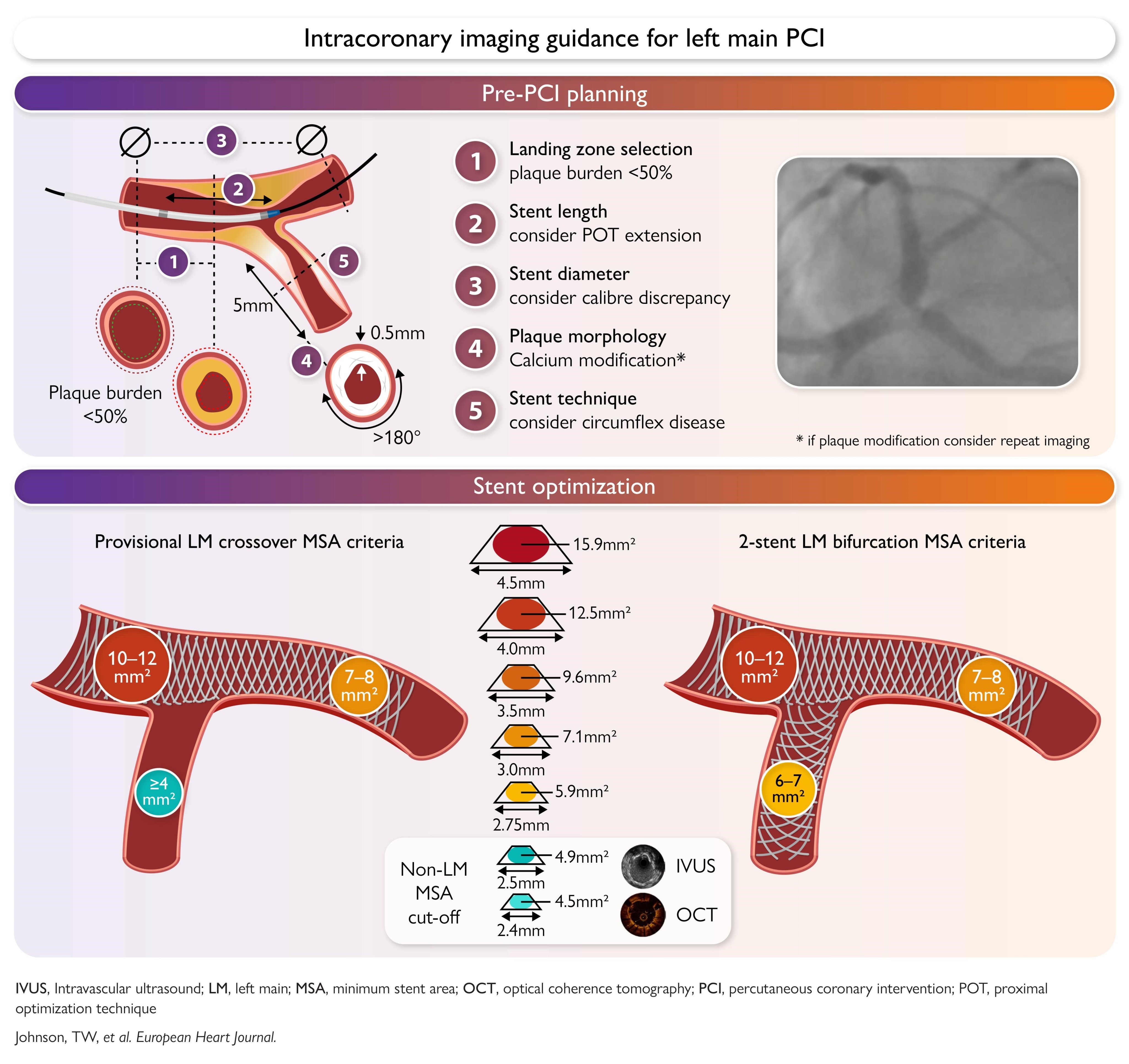
2026 EHJ - Intracoronary imaging for left main percutaneous coronary intervention: a clinical consensus statement of the European Association of Percutaneous Cardiovascular Interventions (EAPCI) of the ESC and the European Bifurcation Club (EBC)
academic.oup.com/eurheartj/a…
Patrick M Looser MD retweeted

New title…entrepreneur and founder. Medicine has changed (for the good…and not so good) and it’s not going to change back. Many docs are looking for ways to augment their lives. Going to use this account to showcase my changing world both in the hospital and out.
Stay Tuned!
Once a week I get a consult for shortness of breath. And once a week I downtitrate or stop a beta blocker and the breathlessness stops.
Patrick M Looser MD retweeted

(l-r) Rod Whiting, @TridentHealthPR; Joe Boykin, Charleston County Council; and @JamesMcbri43743, Charleston City Council at today’s Johns Island Clean Up. We appreciate their support of our soon-to-open @HCAhealthcare Johns Island ER.


Patrick M Looser MD retweeted

#CarotidRevascularization 2026 comprehensive review
Hot off the press & Free for 45 days
We summarized the most important aspects of #CarotidArteryDisease management for your quick review
kwnsfk27.r.eu-west-1.awstrac…
@timir_paul @MichaelMegalyMD @zghouzi @BaylorCardio @BinitaShahMD @SCAI @SripalBangalore @DougDrachmanMD @mirvatalasnag @fjsawaya @kerrigjl @samitshahmd @DrAmirKaki @agtruesdell @Babar_Basir @sanjum @monteleoneMD @sahilparikhmd @ACCinTouch @Pooh_Velagapudi @aayshacader @EricSecemskyMD @KardiologieHH @SVRaoMD @Allison_Dupont @piccoloraf @vascularIR @SDhandMD @AnkurKalraMD @chrisme43177172 @AntoniousAttall @adityadoc1 @djc795 @DrJayMohan @adnanalkhouli @JayMathewsMD @DrLouMDPhD @JGrapsa @cardiojaydoc02 @DLBHATTMD @kmadass @PLooserMD @AaronFrittsMD @DrDamluji @jaygirimd @hvanspall @mmamas1973 @venkmurthy @t_intheleadcoat


Patrick M Looser MD retweeted

My questioning of lipids began in PA school in 2016, when a physician gave our class a lecture on evidence-based medicine. He showed us mortality data on statins. When you look at mortality alone, the number needed to treat can look underwhelming. He also explained relative risk reduction in a way that made it feel, to me at the time, like a Big Pharma manipulation of data.
That lecture planted a seed. I adopted the paradigm that LDL elevation was overblown. More importantly, I convinced myself that I was the exception: lean, fit, insulin-sensitive, weight training, eating “clean,” and therefore somehow protected from the overwhelming evidence linking ApoB-containing particles to cardiovascular disease.
After graduation, I kept studying lipids. In 2019, I became fascinated with arguments built around Eskimo, ancestral, and prehistoric populations. Looking back, I can see how selectively I interpreted that material. I focused on evolutionary narratives and ignored the obvious limitation: many of those populations died young, before modern atherosclerotic disease had decades to develop.
Around the same time, I discovered the Quest Diagnostics Cardio IQ panel. It was still early in its life cycle, and I was excited by advanced lipid testing. I became the primary of a patient who found me at the mom and pop urgent care and somehow knew that I was open to alternative thinking and who wanted to use the same test because, like me, he was lean, fit, and a weightlifter. Neither of us wanted to believe that someone who looked metabolically healthy could still be at risk for myocardial infarction, stroke, or vascular disease.
Then came 2020.
During the pandemic, my questioning of medical authority intensified. I studied the disease as it moved through Asia, then Europe, and by the time it reached the United States, I felt prepared. I worked in urgent care and treated thousands of patients. I wrote to local mayors and sheriffs, pleading with them not to lock us down. I became part of the anti-lockdown resistance, protesting on the streets and am proud of that. That period changed how many of us viewed institutions, public health messaging, and medical authority.
But that skepticism came with a cost.
In 2021, I published a YouTube lecture on the Quest Cardio IQ test. At the time, very few clinicians were talking publicly about these advanced lipid panels. The lecture received thousands of views. In 2022, I found the Labcorp NMR panel and made another lecture. That one also reached thousands of people. I was not just studying this material anymore. I was teaching it.
From 2021 through 2024, I listened to nearly every countercultural medical authority I could find. It started with keto physicians like Gary Fettke and low-carb advocates on social media. Then came the carnivore movement, organ-meat influencers, alternative medicine conferences, and the online war between lipid denialists and lipid-lowering advocates. I even met Shawn Baker at an alternative medicine conference in 2023. The movement reached peak absurdity, in my mind, with the rise and fall of Paul Saladino and Liver King. I learned that they both sourced their supplement line from a manufacturer from a businessman in the supplement industry. I had a decision to make. Do I go full in on this and make millions selling supplements and become such an absurd online personality. I recognized for the first time the meaning of grift. The carnivore influencers had capitalized on a growing health conscious and skeptical market with a “natural” supplement. It was fancied as science perhaps with loose inspiration derived from the anthropological studies of a dentist Weston A Price who found less tooth decay in ancestral populations that at a traditional meat based diet.
I started Iron Direct Primary Care in 2021 as an alternative healthcare home for patients who wanted something outside the conventional system. For years, I cared for many patients who did not believe elevated lipids mattered. We ordered everything: MPO, homocysteine, hs-CRP, omega-3 testing, IL-6, Lp-PLA2, and thousands of NMR panels. Desperately searching for an answer to cardiovascular disease other than LDL and APO B burden.
The pattern was always the same.
Patients had elevated LDL particle number and elevated ApoB, and we often kicked the can down the road. We focused instead on insulin sensitivity, clean diet, seed-oil avoidance, exercise, nitric oxide supplements, methylated vitamins, inflammation markers, and metabolic optimization.
On Instagram, X and podcasts, the lipid battle raged. I listened to lipid skeptics like MD Tro and ex-carnivore MD Paul Saladino, some were compelling. Some were charismatic. Some wore white coats and spoke with absolute confidence. I thought some of them were brilliant. I even referred patients into that ecosystem.
Then reality started to break through.
In 2024 and 2025, I began seeing heart attacks and strokes in my own patient population. That floored me. These were not the stereotypical patients people imagine when they think of cardiovascular risk. These were patients who avoided seed oils, lifted weights, ate clean, took nitric oxide boosters, optimized methylation, and followed the advice of wellness influencers.
Yet they still had events.
There are carnivore FB groups that Carnivorecringe on instagram screenshots and posts revealing a toxic subculture. These self-help groups will gaslight patients who suffer from keto and carnivore with absurd claims like “they weren’t eating enough fats” or “they didn’t give carnivore long enough.”
One patient had a stroke and left my practice to pursue high-priced “natural cardiology” advice form Wolfson for $7,000. Another patient pursued an alternative cardiology path by surgeon Philip Ovadia for also $7,000 and later required triple bypass surgery. These cases forced me to confront something uncomfortable: if I continued to minimize ApoB and LDL particle burden, I might be helping patients feel reassured while their arteries continued accumulating risk.
So I re-read the data.
This time, I looked at the totality of evidence instead of the cherry-picked fragments that confirmed what I wanted to believe. I looked at Mendelian randomization, familial hypercholesterolemia, randomized trials, plaque regression imaging, PCSK9 biology, ezetimibe, statins, and the simple fact that lifetime exposure to ApoB-containing particles is causal in atherosclerosis.
That does not mean inflammation, insulin resistance, blood pressure, smoking, sleep, strength, or diet are irrelevant. They matter. But they do not make ApoB disappear. They do not make LDL particles magically harmless. A lean body and a good fasting insulin do not give the artery immunity from particle exposure.
I have now delisted my older YouTube lectures that were influenced by this lipid-denial ecosystem. I no longer want to contribute to the confusion.
One of the most common patterns I now see online is a medical influencer who has moved away from ordinary patient care, sells supplements, lives in another country (likely to avoid legal consequence) sells expensive diet consults, or gives generalized advice under the protection of “no doctor-patient relationship.” Many of these figures profit from the fear and distrust that exploded during the COVID era. That distrust is real. Some of it was earned. But bad institutional behavior does not make bad science true.
The people most affected by this misinformation are often conservatives. These are my people. They are skeptical of the system, suspicious of pharmaceutical companies, and deeply motivated to take responsibility for their health. I respect that. But skepticism without correction becomes a trap. A recent literature on the political polarization of health outcomes suggests that health and mortality are increasingly diverging along political and ideological lines, favoring better health in liberals.
My mission now is to stop the preventable damage.
I went from lipid denialist to lipid-lowering advocate because my patients, my data, and the broader evidence forced me to change. I still believe in strength training. I still believe in metabolic health. I still believe in nutrition, sleep, sunlight, and personal responsibility. But I no longer believe those things cancel out ApoB.
The new message is simple:
ApoB matters. LDL particle exposure matters. Prevention matters. And changing your mind when the evidence demands it is not weakness. It is clinical maturity.
I was wrong before.
Now I am trying to make it right.
Further readings:
Ference et al., 2017 — “Low-density lipoproteins cause atherosclerotic cardiovascular disease”
This is probably the single best paper for the intellectual foundation of my reversal. It integrates epidemiology, Mendelian randomization, genetic disorders, and randomized trials. The authors conclude that the totality of evidence establishes LDL/ApoB-containing particles as causal in ASCVD, with risk depending heavily on magnitude × duration of exposure.
Read the full open-access paper
Borén et al., 2020 — the mechanistic follow-up EAS consensusThis is the one to read for how atherosclerosis happens: entry, retention, and accumulation of ApoB-containing lipoproteins in the arterial intima and the subsequent inflammatory response. It helps resolve the false choice of “cholesterol versus inflammation” both matter, but ApoB particle retention is upstream in the atherosclerotic process.Read the full open-access paper
Cohen et al., NEJM 2006 — PCSK9 loss-of-function mutationsThis is one of the most persuasive natural experiments. Genetically lower LDL from PCSK9 variants produced dramatically lower coronary disease risk. In one population, roughly a 28% lifelong LDL reduction was associated with an 88% reduction in CHD; in another, a ~15% LDL reduction was associated with ~47% lower risk.Read the NEJM paper
Ference et al., JACC 2012 — lifelong genetically lower LDLExtremely important because it explains why short drug trials can make LDL lowering look unimpressive compared with lifelong exposure. Genetic randomization allows us to ask what happens when LDL is lower beginning early in life.Read the PubMed article and access the full text
CTT Collaboration, Lancet 2010 — 170,000 participants / 26 randomized trialsThis is an excellent paper to revisit for objection about statin statistics. Rather than focusing on one mortality NNT, it looks at outcomes per absolute LDL reduction across a huge randomized dataset.Read the complete paper free on PMC
CTT Collaboration, Lancet 2012 — statins even in lower-risk populationsThis one is particularly relevant to “NNT ≈100” arguments. One important distinction: an NNT around that range can describe major vascular events in relatively low-risk people over a limited follow-up period, but it is not a universal “statin mortality NNT.” Absolute benefit necessarily looks smaller when baseline short-term risk is low.Read the paper / abstract
My original skepticism was not irrational—the mistake was extrapolating a modest short-term absolute benefit in low-risk people into the conclusion that lifetime ApoB exposure was unimportant.
FOURIER — Evolocumab cardiovascular outcomes, NEJM 201727,564 patients with ASCVD. PCSK9 inhibition lowered LDL dramatically and reduced cardiovascular events on top of statin therapy. This is important because it dismantles the argument that the benefit is some peculiar “pleiotropic statin effect.” Different mechanism, same direction: reduce ApoB/LDL exposure → fewer events.Read FOURIER in NEJM
ODYSSEY OUTCOMES — Alirocumab, NEJM 2018Another PCSK9 inhibitor, another randomized trial, another reduction in ischemic events. Primary endpoint: 9.5% versus 11.1% after ACS.And yes. Events were lower in the alirocumab arm. Lipid denialists will say mortality wasn’t reduced enough. But these were patients already managed and in the system able to get emergency care to save from death. Primary composite (CHD death, nonfatal MI, ischemic stroke, or unstable angina hospitalization):903 patients (9.5%) vs 1,052 patients (11.1%).All-cause death:334 patients (3.5%) vs 392 patients (4.1%). That is 149 fewer first primary events and 58 fewer deaths over a median 2.8 years. The relative reduction on the primary endpoint was 15% and met the pre-specified significance threshold.Read ODYSSEY OUTCOMES
IMPROVE-IT — Ezetimibe + statin, NEJM 2015Also philosophically important: lower LDL using a nonstatin mechanism, and cardiovascular outcomes improve further. Again, it is difficult to sustain a hypothesis that the benefit is merely a special property of statins.Read IMPROVE-IT
GLAGOV — Evolocumab and actual coronary plaque regressionThis was one is Anti Aging Medicine. We can reverse plaque? That is regenerative medicine!. LDL reached about 36.6 mg/dL; percent atheroma volume fell, and 64.3% of evolocumab patients demonstrated regression versus 47.3% with placebo.Read GLAGOV in JAMA
PACMAN-AMI — Alirocumab, JAMA 2022This is even more visually compelling because multimodality intracoronary imaging showed not only greater plaque regression but changes consistent with plaque stabilization: reduced lipid burden and thicker fibrous caps. Again, this is Anti Aging and Regenerative Medicine.Read PACMAN-AMI in JAMA
ApoB vs LDL-C discordance — JAMA Cardiology 2024It demonstrates how widely ApoB can vary among people with the same LDL-C or non-HDL-C and quantifies clinically important discordance.Read the JAMA Cardiology paper
There is also a 2025 systematic review of 15 discordance studies involving 593,354 people. ApoB outperformed LDL-C in all 9 studies directly comparing the two in the review. That one is particularly relevant to explaining why I moved away from obsessing over LDL subfractions/NMR toward ApoB. Read the ApoB systematic review on PubMed
And REACT is especially important
The REACT study was just published in NEJM on August 29, 2026. It examined almost 17,000 ostensibly healthy adults aged 18–70 in Denmark and Spain. Atherosclerosis was already detectable in the 18–29-year-old group—8.7% of men and 6.7% of women—and plaque prevalence and volume climbed dramatically with age.
Read the new REACT paper in NEJM
“I am young, lean and fit, therefore these lipid numbers probably do not apply to me.” REACT shows why that reasoning is dangerous: subclinical disease can already exist decades before the person looks or feels like a cardiovascular patient.
The conservative-vs-liberal mortality paper
Elder & O’Brian, Nature Human Behaviour, May 14, 2026 — “The political polarization of health outcomes in the USA.” They found that conservatives in their cohort experienced worsening health during the 2010s and higher mortality in the early 2020s, particularly from internal causes such as heart disease, cancer, and stroke.
Read the full Nature Human Behaviour article
The authors found a mortality divergence associated with political identity; they also found that changing socioeconomic composition of the coalitions, including education, income, and insurance, explained part of the difference


