

Cosmopolitan & Veridical |Content Creator |Moderator |Chat Support Agent| DeFi Researcher
Blockchain
Joined February 2015
- Tweets3K
- Following4.7K
- Followers239
- Likes1.8K




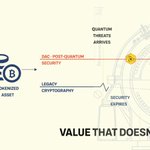

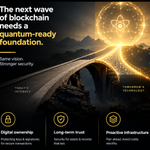
Quantum randomness can strengthen a security design, but distributing it across a decentralized network introduces another layer of complexity.
DAC's Entropy-Padded Transaction approach relies on encryption material that must be handled appropriately by the validators involved

1
⚙️ Synchronization: How does the network ensure participating validators have the correct material when processing transactions?
🌐 Resilience: What happens when a validator goes offline, joins late, or experiences a communication failure?
These aren't just technical details.
1
Great ideas are everywhere. The right infrastructure helps turn them into working products.
For developers, choosing a blockchain involves more than comparing transaction costs.
They need familiar tools, reliable execution, room to experiment, and an ecosystem
1
1
16
where their applications can grow.
@dac_chain's EVM-compatible Layer 1 provides a familiar starting point for developers already working with Ethereum-based development tools.
But the opportunity goes beyond writing smart contracts.
1
2
People notice the application, but rarely think about the infrastructure making it possible.
Behind every useful blockchain application are systems responsible for executing transactions, maintaining network operations, and keeping everything coordinated.
1
1
11
That's why infrastructure design deserves attention.
@dac_chain is building an EVM-compatible Layer 1 with an architecture that considers developer accessibility, network operations, and evolving security requirements.
1
A blockchain is defined by more than the technology it launches with. It's also defined by the decisions behind its design.
How should developers build on it?
How should network operations be supported?
How should security evolve as technology advances?
1
1
5
These questions shape the experience long after launch day.
@dac_chain brings several of these considerations together through its EVM-compatible Layer 1, dual-token economy, and quantum-focused security research.
1
1
Owning something digitally means little if the information supporting that ownership can't be trusted.
As more assets and business activities move on-chain, verification becomes increasingly important.
Who owns the asset? Is the information authentic? Can its history be traced?
1
3
These questions matter just as much as the technology representing the asset itself.
@dac_chain's focus on real assets and trusted data speaks to this important part of blockchain adoption.
The goal is to create infrastructure where digital ownership
1
1
Blockchain security shouldn't be an afterthought.
As digital assets, institutional applications and on-chain financial activities become more sophisticated, infrastructure must evolve to address increasingly complex security challenges.
1
6
This is where @dac_chain quantum-resistant ambitions become particularly interesting.
However, the real test of any security-focused blockchain isn't just its technical promises. It's the quality of implementation, independent evaluation
1
5