

Weapons stuff. Polls, comparisons, discussions.
Joined January 2026
- Tweets3.3K
- Following9.5K
- Followers15.4K
- Likes1.5K





Why buy a high-end Aug or Bullpup if you still have to deal with a terrible 9-pound trigger squeeze?
You’re deployed to a remote, high-dust environment with extended field supply lines. Reliability, ergonomics, and logistics all factor in, which platform are you taking into the theater?

Precision meets intent. There’s something undeniably refined about a well-balanced suppressed platform. Tuning a setup like this isn’t just about adding attachments; it’s about dialing in balance, weight distribution, and functional acoustics on the bench.

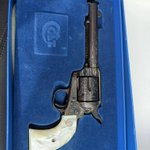
Some pieces are tools, but others are pure craftsmanship. The intricate scrollwork paired with the pearl grips on this 1873-style Single Action makes it hard to look away. It’s always fascinating seeing fine detail done right in classical firearms.

Every platform in this setup tells a completely different story. From the timeless single-action feel of the 1911 and Hi-Power to the mechanical precision of classic revolvers, right down to modern optical setups on a modern striker-fired platform. There’s something deeply satisfying about seeing decades of design evolution laid out together.
Which era of engineering speaks to you the most?

You're dropped into a 72-hour reconnaissance mission with zero re-supply in harsh, varied terrain. Which platform are you trusting to run without a hitch, and why?

Precision in long-range shooting always comes down to the balance between platform stability and clear glass. Seeing a chassis setup like this really shows how much attention went into the ergonomics and weight distribution. Getting the cheek weld and eye relief dialed in perfectly makes all the difference when you're looking for consistency at distance. Always clean setup to study.

You’re heading into an unknown grid section for a 42-hour search and reconnaissance operation, you can only run one primary platform and one sidearm from this layout. Which pairing fits your loadout strategy?

There is a raw, unspoken reality captured in wartime photography that modern lenses rarely manage to recreate.
This shot from July 10, 1943—showing men of the 51st Highland Division wading ashore during Operation Husky in Sicily—is a powerful reminder of what history actually looked like on the ground. Beyond the tactical significance of the Allied landings, what stands out most here is the sheer human grit: soldiers carrying heavy equipment, battling the surf, stepping straight into the unknown with composure and quiet resolve.
Photos like this remind us that historical milestones weren't just abstract dates in textbooks, but moments lived by real people carrying immense weight on their shoulders. A timeless piece of visual history.

You're deploying to an unknown operational zone with zero intel on the terrain, if you could equip your loadout with only one sidearm from each nation's design evolution, which three are you trusting to get you home?

Clean lines, tight lockup, and a drum mag setup that just makes sense. There’s something clean about a build where every attachment serves a clear purpose, from optic height to balance. Halloween aesthetics aside, setups like this remind me why compact PCC builds remain top-tier for maneuverability. What’s the first thing you’d tweak on this setup?

Quirky ergonomics, but there is something undeniable about the engineering behind bullpup conversions on classic platforms. The manual of arms takes some getting used to, especially with standard rock-and-lock mag inserts around that rear grip angle, but as a niche concept piece, it’s always fascinating to see how far modularity can go. Love it or hate it, you can’t ignore it.

