Tech Unpacked (@TechUnpackDaily) header
Tech Unpacked (@TechUnpackDaily) profile picture

Science, engineering & tech — unpacked daily. How things work, how they're made, why they matter. 🔬⚙️🚀

United Kingdom
Joined June 2026
Photo by Tech Unpacked (@TechUnpackDaily)Photo by Tech Unpacked (@TechUnpackDaily)Photo by Tech Unpacked (@TechUnpackDaily)Photo by Tech Unpacked (@TechUnpackDaily)Photo by Tech Unpacked (@TechUnpackDaily)Photo by Tech Unpacked (@TechUnpackDaily)Photo by Tech Unpacked (@TechUnpackDaily)Photo by Tech Unpacked (@TechUnpackDaily)Photo by Tech Unpacked (@TechUnpackDaily)Photo by Tech Unpacked (@TechUnpackDaily)
7 engineering feats that shouldn't be possible — but exist anyway. A thread of machines and structures that bend the rules. 🧵⚙️
1
1
86
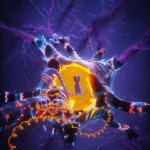
The rule was simple: destroy the brain's support cells and an adult brain can't replace them. In live mouse brains, Zurich scientists found astrocytes doing something stranger — growing new nuclei and gliding them down long arms into the damaged zone to rebuild it. 🧠🔬
1
1
5
Sheep's wool is mostly farming waste. It might also rebuild your skeleton. Keratin from wool was made into membranes and implanted into skull injuries in rats. Collagen grew more bone — but the wool-grown bone was better organised, fibres aligned like real bone. 🐑🦴
1
4
Green hydrogen from seawater has an expensive problem: salt eats the machinery, so electrolysers are built from titanium coated in gold or platinum. Hong Kong engineers made a steel that survives it — using manganese, which corrosion science says should make it worse. ⚙️💧
1
3
SpaceX didn't build Starlink to do atmospheric science. It's doing it anyway. Kyoto researchers tracked how 1,200 satellites lose altitude to drag, then ran the numbers through medical-imaging maths — producing the first tomographic map of the thermosphere, 500km up. 🛰️🌍
1
6
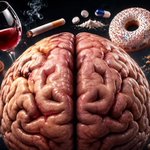
Ozempic doesn't just quiet hunger. It appears to quiet cravings for alcohol, nicotine and cocaine too. The trail leads to the lateral septum — a brain region packed with GLP-1 receptors, sitting right between thinking about a reward and feeling compelled to chase it. 🧠🔑
1
5
An interstellar comet just swept past Mars — and China's Tianwen-1 orbiter was watching. From nearly 29 million km away, it caught 3I/ATLAS trailing a glowing coma and tail: material born in another star system, only the third such visitor we've ever seen. ☄️🔭
2
1
1
42
Some people carry a gene variant — APOE2 — linked to living longer and a lower risk of Alzheimer's. Now scientists know part of why. APOE2 neurons repair their DNA better and resist the "zombie" senescent state that drives brain aging. 🧬🧠
1
9
Ozempic works — but it hits the whole body, causing nausea, constipation and muscle loss. Stanford scientists used AI to find a natural molecule, BRP, that curbs appetite by targeting just the brain's hunger centre. Same fat loss. Fewer side effects. 🧬🧠
1
18
Tech Unpacked retweeted
The 2026 World Cup is the most heavily-sensored tournament in history. From FIFA's smart ball to the FAs' performance vests, here's the tech quietly running the show 🧵⚽📡
1
2
2
21
The 2026 World Cup is the most heavily-sensored tournament in history. From FIFA's smart ball to the FAs' performance vests, here's the tech quietly running the show 🧵⚽📡
1
2
2
21
All 1,248 players were 3D-scanned before the tournament. JWST-level precision turned into animated avatars that map limb positions to within 10cm for offside checks.
1
6
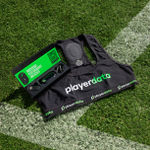
12 nations including England are streaming live GPS, heart rate and sprint data from performance vests to their benches in real time. The touchline is now a data room. Sport has never been this wired. 📊⚽
5