

Bugabeño, hijo de la maestra Margarita | Corredor de Seguros y Microempresario a punto de la ruina. https://nitter.cf/t.co/xxYTO8AvFd
Joined November 2012
- Tweets241K
- Following348
- Followers2.4K
- Likes187K


China da por perdida a España como caballo de Troya en la UE si Feijóo gana a Sánchez. elespanol.com/invertia/empre…


Jσɾɠҽ retweeted

The entire Axis of Resistance is more prepared than ever to confront and defeat the evil empire and Zionism. It stands ready for a decisive confrontation on all fronts.
youtu.be/CQUmyhxxOgg?si=mGae…

Jσɾɠҽ retweeted

Quedan 8 domingos para terminar el 2026. Que tal ha sido este año para ti si lo pones todo lo vivido en una balanza? A donde se inclina? A lo bueno o a lo malo? Medítalo y toma fuerzas para el 2027. Todo lo que viviste te sirve de experiencia. A veces lo más importante en un CV es eso.
Jσɾɠҽ retweeted

Congrats on your retirement from international football @Cristiano ⚽️🙌🏿 You made us all a fan 💫

Bolsas mundiales se tambalean tras la pérdida de US$ 2,5 billones en los mercados de EE.UU. por temores vinculados a la IA. share.google/wBlQtq63cgOLtUV…


Jσɾɠҽ retweeted

In some of the driest landscapes on Earth, people are literally harvesting water from the air. 🌫️💧
Fog collectors use large vertical mesh nets to capture tiny droplets carried by coastal fog. As the droplets gather on the mesh, they merge, flow downward into gutters, and are directed through pipes into storage tanks. In suitable conditions, a collector can provide useful quantities of water without pumps or conventional groundwater extraction.
Chile has been an important location for research and practical fog-harvesting projects, especially in arid coastal regions where fog can be frequent even when rainfall is scarce. Actual yields vary greatly with the net’s size, design, wind, season, and local fog conditions—so figures such as 15 liters per day should be understood as condition-dependent rather than a universal output.
A remarkably simple idea: catch the clouds before they disappear. 🌿
#OffGridLiving #WaterHarvesting #SurvivalSkills #SustainableLiving #FogHarvesting


Esto sería una locura de llegarse a dar.

Under pressure from Israeli prime minister Benjamin Netanyahu, the Trump administration may be within days of launching a nuclear strike on Iran. The target would be Pickax Mountain in central Iran, where Israeli intelligence claims the Iranian government has restarted its nuclear enrichment program. No conventional weapon in the American arsenal can penetrate 300 feet of solid granite to destroy the tunnels where enrichment is supposedly taking place. The only military option is a nuclear strike. Netanyahu has been pushing hard for one. “Bibi calls Trump about it every day,” says an informed observer.
Netanyahu is cornered and desperate. After last week’s election results, he can’t form a government unless Trump intervenes directly in Israeli politics and brokers a deal with other parties that gives Netanyahu 61 seats in the Knesset. Otherwise, he is out as prime minister and on his way to ignominy, investigations and possibly jail. Netanyahu must stay close to Trump. He needs this war.
To that end, he’s applied maximum pressure to his closest allies in the administration, including Secretary of Defense Pete Hegseth and CENTCOM commander Brad Cooper. Both oppose a negotiated settlement to the war they’ve so grievously mismanaged; both are pushing to restart major combat operations. Secretary of State Marco Rubio and CIA director John Ratcliffe are also following Netanyahu’s lead, as are leaders of the Democratic Party. In a recent meeting on the subject, former president Barack Obama said he opposes the current Iran peace deal being drafted in Doha.
The rest of America’s longtime allies in the Middle East are terrified by the prospect of more war. On September 27th, Netanyahu flew secretly to Abu Dhabi to enlist the UAE in his lobbying effort for a final attack on Iran. The Emiratis refused. After eight months of conflict, Gulf economies are teetering. So are global energy and fertilizer markets. They won’t recover soon. Globally, there are a total of about 850 supertankers used to transport oil from producers to the rest of the world. In October alone, 11 of them were badly damaged in Hormuz. At this pace, a global depression is imminent. A nuclear strike would radically accelerate the destruction. Fallout from a ground explosion at Pickax Mountain would contaminate the Persian Gulf, poisoning the water supply for 100 million people.
And those are just some of the immediate consequences for the region. The rest of the world is every bit as exposed. No country other than the United States has ever used a nuclear weapon in war. Some would like to. An American nuclear attack on Iran would set a new precedent. The Russians have already told at least two other governments that an American nuclear strike on Iran would free them to use nuclear weapons against Ukraine. Pakistan and India would be tempted to do the same against each other, as would North Korea against Seoul. After the first nuclear strike, World War Three is inevitable. That war would be short and final.
We’ve been sleepwalking toward this moment for months. Since February, the administration has quietly rewritten America’s nuclear doctrine to make first use of so-called “battlefield nukes” easier and therefore more likely. No one in Washington in either party seems bothered by this. Now we’re on the brink of it.
Close observers say Trump is likely to decide by next weekend whether or not to use nuclear weapons. That would be November 7, six days from now. To his credit, he’s hesitating. At the moment, Trump is listening to his vice president, JD Vance, and to his envoy and friend Steve Witkoff, both of whom argue a deal with Iran can be made.
They’re right, though it won’t be simple. The Iranians are famously frustrating to negotiate with under any circumstances, and elements of that government have become more radical since Ayatollah Ali Khamenei and his family were killed in February. After decades of isolation, even relatively moderate Iranian leaders seem confused by how decisions are made in the West. (There is a widespread belief in Tehran, for example, that the United States government controls Israel.) But overall, people who have spoken to decision-makers in Iran say there is consensus there that more war is bad for everyone and a deal is worth making.
One group that hasn’t been consulted so far is the global population — the hundreds of millions of people who will be killed along with their children if Trump is pushed by Netanyahu into launching a nuclear strike next week. Now would be the time for them to speak up.
Jσɾɠҽ retweeted
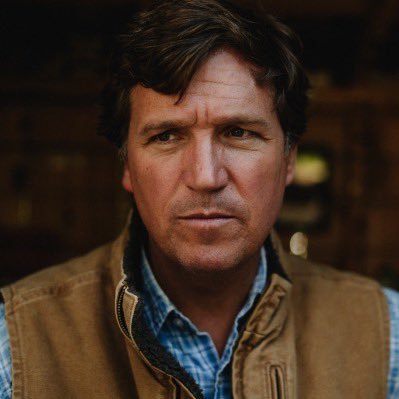
Under pressure from Israeli prime minister Benjamin Netanyahu, the Trump administration may be within days of launching a nuclear strike on Iran. The target would be Pickax Mountain in central Iran, where Israeli intelligence claims the Iranian government has restarted its nuclear enrichment program. No conventional weapon in the American arsenal can penetrate 300 feet of solid granite to destroy the tunnels where enrichment is supposedly taking place. The only military option is a nuclear strike. Netanyahu has been pushing hard for one. “Bibi calls Trump about it every day,” says an informed observer.
Netanyahu is cornered and desperate. After last week’s election results, he can’t form a government unless Trump intervenes directly in Israeli politics and brokers a deal with other parties that gives Netanyahu 61 seats in the Knesset. Otherwise, he is out as prime minister and on his way to ignominy, investigations and possibly jail. Netanyahu must stay close to Trump. He needs this war.
To that end, he’s applied maximum pressure to his closest allies in the administration, including Secretary of Defense Pete Hegseth and CENTCOM commander Brad Cooper. Both oppose a negotiated settlement to the war they’ve so grievously mismanaged; both are pushing to restart major combat operations. Secretary of State Marco Rubio and CIA director John Ratcliffe are also following Netanyahu’s lead, as are leaders of the Democratic Party. In a recent meeting on the subject, former president Barack Obama said he opposes the current Iran peace deal being drafted in Doha.
The rest of America’s longtime allies in the Middle East are terrified by the prospect of more war. On September 27th, Netanyahu flew secretly to Abu Dhabi to enlist the UAE in his lobbying effort for a final attack on Iran. The Emiratis refused. After eight months of conflict, Gulf economies are teetering. So are global energy and fertilizer markets. They won’t recover soon. Globally, there are a total of about 850 supertankers used to transport oil from producers to the rest of the world. In October alone, 11 of them were badly damaged in Hormuz. At this pace, a global depression is imminent. A nuclear strike would radically accelerate the destruction. Fallout from a ground explosion at Pickax Mountain would contaminate the Persian Gulf, poisoning the water supply for 100 million people.
And those are just some of the immediate consequences for the region. The rest of the world is every bit as exposed. No country other than the United States has ever used a nuclear weapon in war. Some would like to. An American nuclear attack on Iran would set a new precedent. The Russians have already told at least two other governments that an American nuclear strike on Iran would free them to use nuclear weapons against Ukraine. Pakistan and India would be tempted to do the same against each other, as would North Korea against Seoul. After the first nuclear strike, World War Three is inevitable. That war would be short and final.
We’ve been sleepwalking toward this moment for months. Since February, the administration has quietly rewritten America’s nuclear doctrine to make first use of so-called “battlefield nukes” easier and therefore more likely. No one in Washington in either party seems bothered by this. Now we’re on the brink of it.
Close observers say Trump is likely to decide by next weekend whether or not to use nuclear weapons. That would be November 7, six days from now. To his credit, he’s hesitating. At the moment, Trump is listening to his vice president, JD Vance, and to his envoy and friend Steve Witkoff, both of whom argue a deal with Iran can be made.
They’re right, though it won’t be simple. The Iranians are famously frustrating to negotiate with under any circumstances, and elements of that government have become more radical since Ayatollah Ali Khamenei and his family were killed in February. After decades of isolation, even relatively moderate Iranian leaders seem confused by how decisions are made in the West. (There is a widespread belief in Tehran, for example, that the United States government controls Israel.) But overall, people who have spoken to decision-makers in Iran say there is consensus there that more war is bad for everyone and a deal is worth making.
One group that hasn’t been consulted so far is the global population — the hundreds of millions of people who will be killed along with their children if Trump is pushed by Netanyahu into launching a nuclear strike next week. Now would be the time for them to speak up.
Jσɾɠҽ retweeted

Un cyber ataque a Panamá no sería gran cosa. Aqui ya estamos casi acostumbrados:
Se va la luz
Se cae la data
No WiFi
No llega el agua
Se cae el sistema en ofic públicas
Semáforos apagados
Se cae banca en línea
Sólo efectivo por favor 💵💵 ...
Chuzo, ayudándole a mi mamá con una vaina de su celular, (Huawei, más de 5 años de ella tenerlo) me percato de que es más delgado que mi Samsung a55 5g y pesa mucho menos.


El petróleo y China están a punto de provocar una nueva oleada de subidas de precios en el diésel y la gasolina según BCA Research. share.google/K8yItz04CWAT7dI…

Jσɾɠҽ retweeted

"Why Is the Media Ignoring the New Rape Allegation Against Trump?"
Legacy news outlets look the other way as Trump is hit with new Epstein-related accusations.
Read this week's Zeteo's 'Ragebait' media column, which brings receipts:
zeteo.com/p/why-is-the-media…


Jσɾɠҽ retweeted

abdul el sayed and every muslim person around him has been called a radical islamic jihadist terrorist every single day by the entire political spectrum since he won the primary and i haven’t seen a single think piece or major media interview of an arab voter abt how this makes them feel. arab and muslim voters combined make up almost 4% of the electorate. jewish voters make up 1.4% & many of those jewish voters aren’t zionists or will let israel get in the way of preserving american democracy. so we’ve heard endlessly from a tiny group of potential spoiler voters who aren’t getting their way on a deeply unpopular issue- why?

If you're trying to understand why so many Michigan Jewish Democrats are defecting, I wrote in August about it. It's not, per se, about foreign policy. theatlantic.com/ideas/2026/0…
