

Multidisciplinary 🧜🏼♀️🦋💙ARTIST💙🦋🧜🏼♀️ PAINTINGS • POETRY • PHOTOGRAPHS • VIDEOS • words • photos • artworks my own unless specified -NO DM-
Rishikesh, India
Joined July 2012
- Tweets23.3K
- Following1.2K
- Followers1.7K
- Likes45.2K
Pinned Tweet
Flowing in waters of
…wisdom and dreams
Landscapes of my eyes
…floating in dreams of
…unknown wisdom
I bathe in these realms
…and move forward in rhythm
…of this labyrinth
@asase_art
Juhee
#poetrylovers #vss365
I’m offering my art to Devi during Navratri. 80% of all donations would go to construction of Devi Temple.
#NavratriBlessings #Art #Navratri2024
Taking Her to the adobe with these two cuties. Fully immersed in Her embrace we enshrined Her in a beautiful space 🌺
#DelhiDiaries
A Devi painting I created for a Hatha Yoga Studio in Delhi. Seems like the delhi trip is finally completed.
#theme_pic_India


juheewithlove retweeted
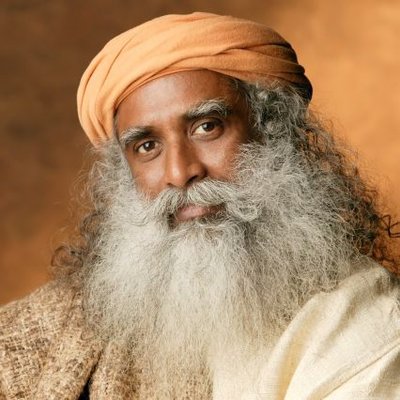
Adiyogi offered humanity technologies for wellbeing: if you are willing to strive, you can take your destiny into your hands. The month of Karthika is significant because we are now moving towards Kaivalyapada, the time to harvest the fruit of your striving. On Karthikai Deepam, allow Adiyogi's Grace to light up your life with clarity and equanimity. -Sg


juheewithlove retweeted

Happy Thrikarthika!
May the light of the Karthika Vilakku bring happiness, peace and prosperity to every home.

juheewithlove retweeted

What a stunning video of the sacred flame at #thiruvannamalai #TamizhTrails
Enshrined a Devi painting in one of the Hatha Yoga studio having Devi yantra. It was one among two of my creations for this studio space. We were in awe of Her presence on auspicious occasion of Karthigai Deepam full moon night. #theme_pic_India


Most profound shift happens by lighting an oil lamp in stillness of Brahma Muhurta.
Before the sun rises that single flame connects directly to infinite source of creation. The quiet energy of that hour & immediate grace it brings r incomparable. #theme_pic_India

juheewithlove retweeted

तुलसी विवाह (Tulsi Vivah) और वैकुंठ चतुर्दशी (Vaikuntha Chaturdashi) हिंदू धर्म के कार्तिक मास के शुक्ल पक्ष में मनाए जाने वाले दो अत्यंत पवित्र और महत्वपूर्ण पर्व हैं। ये दोनों पर्व भगवान विष्णु, माता तुलसी और भगवान शिव की भक्ति से जुड़े हैं।
🪔तुलसी विवाह (Tulsi Vivah)
तुलसी विवाह में माता तुलसी (पौधे के रूप में) का विवाह भगवान विष्णु के स्वरूप शालिग्राम जी (या भगवान कृष्ण) के साथ पूरे रीति-रिवाज से किया जाता है। यह पर्व मुख्य रूप से देवउठनी एकादशी से लेकर कार्तिक पूर्णिमा के बीच मनाया जाता है।
🪔पौराणिक कथा: शास्त्रों के अनुसार, माता तुलसी अपने पूर्व जन्म में वृंदा नाम की एक अत्यंत पतिव्रता स्त्री थीं, जिनका विवाह असुर राज जालंधर से हुआ था। जालंधर के अत्याचारों का अंत करने के लिए भगवान विष्णु को वृंदा का पतिव्रत धर्म भंग करना पड़ा। जब वृंदा को इस छल का पता चला, तो उन्होंने भगवान विष्णु को पत्थर (शालिग्राम) बन जाने का श्राप दिया। बाद में देवताओं की प्रार्थना पर वृंदा ने अपना श्राप वापस लिया और सती हो गईं। उनकी राख से तुलसी का पौधा उत्पन्न हुआ और भगवान विष्णु ने वरदान दिया कि शालिग्राम रूप में उनका विवाह तुलसी से होगा और बिना तुलसी दल के वे कोई भी भोग स्वीकार नहीं करेंगे|
🪔धार्मिक महत्व: देवउठनी एकादशी पर भगवान विष्णु चार महीने की योगनिद्रा (चातुर्मास) से जागते हैं। तुलसी विवाह के साथ ही हिंदू धर्म में विवाह और अन्य सभी मांगलिक कार्यों की शुरुआत हो जाती है। मान्यता है कि जो दंपति विधि-विधान से तुलसी विवाह करवाते हैं, उन्हें कन्यादान के समान पुण्य मिलता है और वैवाहिक जीवन सुखमय रहता है।
🪔वैकुंठ चतुर्दशी (Vaikuntha Chaturdashi)
कार्तिक मास के शुक्ल पक्ष की चतुर्दशी तिथि को वैकुंठ चतुर्दशी कहा जाता है। यह साल का एकमात्र ऐसा दिन है जब सृष्टि के पालनहार भगवान विष्णु और संहारक भगवान शिव की एक साथ पूजा की जाती है।
🪔पौराणिक कथा: एक बार भगवान विष्णु भगवान शिव की आराधना करने के लिए काशी (वाराणसी) गए और उन्होंने शिव जी को एक हजार स्वर्ण कमल के फूल अर्पित करने का संकल्प लिया। विष्णु जी की भक्ति की परीक्षा लेने के लिए शिव जी ने उनमें से एक कमल छिपा दिया। जब एक फूल कम पड़ा, तो भगवान विष्णु ने अपने कमल के समान सुंदर नेत्र (कमलनयन) को निकालकर शिव जी को अर्पित करने का निर्णय लिया। विष्णु जी के इस त्याग से प्रसन्न होकर महादेव प्रकट हुए, उन्हें सुदर्शन चक्र प्रदान किया और वरदान दिया कि कार्तिक शुक्ल चतुर्दशी को जो भी भक्त हम दोनों की पूजा करेगा, उसके लिए वैकुंठ के द्वार सदैव खुले रहे |
🪔हरि-हर मिलन और अनूठी परंपरा: इस दिन को 'हरि-हर मिलन' भी कहा जाता है। सामान्य दिनों में शिवलिंग पर तुलसी और विष्णु जी को बेलपत्र चढ़ाना वर्जित माना जाता है, लेकिन वैकुंठ चतुर्दशी के दिन भगवान विष्णु शिव जी को तुलसी दल और भगवान शिव विष्णु जी को बेलपत्र अर्पित करते हैं। यह परंपरा दर्शाती है कि शैव और वैष्णव एक ही हैं और दोनों देवताओं में कोई भेद नहीं है।
🪔मान्यता है कि इस दिन व्रत रखने और रात्रि में (निशीथ काल में) भगवान विष्णु और शिव की पूजा करने से सभी पापों का नाश होता है और मृत्यु के बाद मोक्ष (वैकुंठ धाम) की प्राप्ति होती है।
🪔इस दिन पवित्र नदियों या जलाशयों में दीपदान करने का भी विशेष विधान है।
Jai Jai Mahakal 🙏🛕
Jai Jai Shri Hari 🙏🛕
Made this colourful Buddha bowl
red rice
purple cabbage with herb tofu
sautéed salad
bell pepper salad
Basil Cherry tomato salsa
Tofu
Mint chutney
Little goat cheese
Took more red rice 😅
#theme_pic_India_foodies

Most profound shift happens by lighting an oil lamp in stillness of Brahma Muhurta.
Before the sun rises that single flame connects directly to infinite source of creation. The quiet energy of that hour & immediate grace it brings r incomparable. #theme_pic_India
My mother makes this tea with parijat flowers. What is this flower called in your language?
here are few in Bengali, Sanskrit and Hindi
Shiuli (শিউলি), Shephalika (শেফালিকা), Harsinghar (হরসিঙ্গার)
Harsingar (हरसिंगार), Parijat (पारिजात) / Parijatha


my lotus discovery with emancipated ideas getting dissolved onto self awareness. now looking at the lotuses that appear as beautiful blooms from filth is nothing short of truth revealed subtly
#theme_pic_India_flowers
Journaling with nature 🪷


Assembled and made salad sandwitch for brother as a gesture to celebrate him. His hard work and compassion to take care of the family since his childhood days. The spread was three salads bagel w goat n 🐮m chs spread but I could take only this photo.


Going around the garden my friends loved chatting with each other.
Me: hello blooms 🌸🌸🌸
Flowers on Friday.


juheewithlove retweeted
Flowing Through the Four Currents of the Mantra
When chanted slowly, with breath and awareness, each syllable unlocks a distinct energetic frequency:
ॐ (Om) — The Cosmic Pulse:
The Pranava, the soundless sound from which all galaxies and thoughts emerge. It aligns your individual breath with the vast, unhurried rhythm of the universe, dissolving the illusion that you are separate or alone.
श्री (Sri) — The Golden Radiance:
The vibration of auspiciousness, inner abundance, beauty, and divine grace (Anugraha). It softens the harshness of fear and scarcity, reminding the heart that life itself is inherently sacred and supported.
मात्रे (Matre) — The Infinite Embrace:
Spoken in the dative case ("unto the Mother"), this word is a direct, personal reaching out. Whether you envision her as Lalita, Durga, Parvati, or the quiet intelligence beating inside your own chest, Matreawakens the primal memory of being held, nourished, and fiercely protected.
नमः (Namaha) — The Art of Surrender:
Literally meaning "Na-Mama"—"not mine". It is the gentle laying down of heavy armor. In saying Namaha, the exhausted ego steps back, whispering: "I do not have to carry the weight of the world alone. I bow to the wisdom that breathes me."

juheewithlove retweeted
Before a universe was spoken into existence, before light divided from shadow or time began its steady pulse, there was a single, boundless ocean of consciousness radiant, compassionate, and poised to create. In the sacred traditions of India, that primordial threshold is greeted with four luminous syllables:
🌺Om Sri Matre Namaha🌺
More than a prayer or a greeting, this mantra is the very doorway into the heart of the Divine Feminine. To utter it is to step out of the fragmented noise of everyday life and rest in the warm, unshakeable embrace of the Cosmic Mother.
The Scriptural Roots: Where the Mantra Is Born
The spiritual weight of Om Sri Matre Namaha flows directly from its position as the opening invocation of the Sri Lalitha Sahasranamam the thousand names of the Supreme Goddess, Lalita Tripura Sundari.
🌺The Brahmanda Purana (Lalitopakhyana):
Found within the Uttara Khanda (later section) of the ancient Brahmanda Purana, this text is framed as a profound dialogue between Lord Hayagriva (the horse-headed incarnation of Vishnu, revered as the reservoir of sacred knowledge) and the great Sage Agastya. Yet, the hymn was not composed by human hands; it was spontaneously sung by the eight Vaag Devis (Goddesses of Speech Vasini, Kameshwari, Aruna, Vimala, Jayani, Modini, Sarveshwari, and Kaulini) at the direct command of the Divine Mother herself. The very first name they chose to crown the thousand names is Sri Mata “The Auspicious Mother." When transformed into a Namavali (an active mantra of salutation), it becomes Om Sri Matre Namaha.
Saubhagya Bhaskara by Sri Bhaskararaya:
In the 18th century, the legendary Sri Vidya scholar and mystic Bhaskararaya composed the Saubhagya Bhaskara, universally regarded as the most authoritative Sanskrit commentary on the Lalitha Sahasranamam. Bhaskararaya illuminates why the Vaag Devis began the entire cosmos of the Goddess's names with Sri Mata rather than "Supreme Empress" (Sri Maharajni) or "Destroyer of Evil" (Srimat Simhasaneshwari). In the grammar of the soul, a child does not first approach its mother in awe of her royal majesty or cosmic power; a child simply cries out, "Mother." Bhaskararaya explains that Sri Mata establishes the foundational Bhava (emotional and spiritual relationship) of unconditional love, trust, and intimacy.
The Sri Vidya & Tantric Agamas:
Within the esoteric traditions of Sri Vidya and Shakta Agamas (such as the Tripura Rahasya and Saundarya Laharitradition), the Divine Mother is understood as Chit-Shakti—the dynamic, conscious energy that weaves the fabric of reality. Here, Sri is not merely a polite title; it is a Bija (seed) of sovereignty, grace, and liberation (Moksha), while Matre(Ma + Tra) carries the root meaning of "She who measures out creation" (Ma) and "She who protects and ferries us across the ocean of existence" (Tra).
~•~•~•~•~•~•~•~•~•
Continued…

juheewithlove retweeted
Devi Mahatmyam is not a tale of distant celestial wars, but a mirror of the daily sadhana fought upon the battlefield of our own consciousness. Every day we sit in stillness, we invite the Divine Mother to dissolve our inner demons bit by bit so that we may walk the earth as vessels of clarity, grace, and quiet strength.
The Altar of the Everyday: Sadhana & The Devi Mahatmyam
We do not sit in daily sadhana to escape the world. We sit so that the false self may slowly die, leaving behind only what is real, luminous, and compassionate.
In the sacred verses of the Devi Mahatmyam, the great battles of the Goddess are the intimate stages of our own inner transformation:
🌺Awakening from the Slumber of Habit: Before anything can change, Mahamaya must withdraw the veil of Yoga Nidra. Daily sadhana is that sacred pause where we wake up from mechanical living and face Madhu and Kaitabha the subtle cravings and aversions born in the dark corners of our own unexamined mind.
🌺Meeting Our Shadows Without Flinching: Like Mahishasura, our ego wears a thousand shifting masks—stubborn pride, quiet resentment, and righteous anger. Sadhana is the fierce, unblinking gaze of Durga within us. It does not run from our shortcomings; it holds them in the light until their illusion breaks.
🌺Starving the Endless Loop of Desire: Every reactive thought is like Raktabija, multiplying the moment it touches the ground of our attention. Through steady, daily presence, Kali drinks those toxic tendencies before they can take root and spill into our words, our homes, and our world.
A better world is never built by loud proclamations. It is born quietly, each morning, when one human being chooses to witness their own darkness, cherish what is truly sacred, and offer a purified heart back to life.
Sarva Mangala Mangalye - May this daily dying of the ego become the birth of auspiciousness for all beings.🙏🪔
my lotus discovery with emancipated ideas getting dissolved onto self awareness. now looking at the lotuses that appear as beautiful blooms from filth is nothing short of truth revealed subtly
#theme_pic_India_flowers
Journaling with nature 🪷
A frame held steady by a friend,
catching me right where I belong.
Between the rushing water and the warmth of beautiful people,
I realized the air only smells this sweet because I am finally carrying that romance inside myself.
#theme_pic_India_nature


A frame held steady by a friend,
catching me right where I belong.
Between the rushing water and the warmth of beautiful people,
I realized the air only smells this sweet because I am finally carrying that romance inside myself.
#theme_pic_India_nature
28 years later and it felt like no time had passed. Reuniting with my college classmates brought back a rush of laughter, old stories, and memories that felt new. Best friendships never really fade they just pick up right where they left off. #reunion


juheewithlove retweeted
Every year during Chhath Puja, millions stand waist-deep in sacred waters to worship Surya Dev and Chhathi Maiya.
But who is Chhathi Maiya according to ancient scriptures like the Skanda, Devi Bhagavata, and Brahma Vaivarta Puranas?
🌳Her Divine Identity:
Chhathi Maiya is Maa Shashthi Devi. Described in the Puranas as the sixth cosmic manifestation of Mula Prakriti (primordial nature) and the mind-born daughter of Lord Brahma, she is also revered in the Skanda Purana as an extension of Goddess Katyayani and Devasena (consort of Kartikeya).
🪔The Protector of Life:
Since ancient times, Maa Shashthi has been venerated as the ultimate guardian of newborns and children. She is the benevolent mother who shields infants from ailments, blesses childless couples with progeny, and ensures the continuity and prosperity of a family’s lineage.
🥥The Legend of King Priyavrata:
Scriptures tell of King Priyavrata, whose long-awaited son was tragically stillborn. Heartbroken, the king prepared to give up his life. At that moment, Maa Shashthi appeared, touched the lifeless child, and restored his breath. That miraculous day was Kartik Shukla Shashthi—the sixth day of the lunar fortnight in Kartik marking the timeless tradition of Chhath.
🌞Surya Dev & Chhathi Maiya:
In Purvanchal, Bihar, Jharkhand, and Madhesh folklore, Chhathi Maiya is lovingly celebrated as the sister of Surya Dev. Chhath Puja is a rare cosmic alignment where solar energy (Purusha / Surya) and maternal nurturing power (Prakriti / Shashthi) are worshipped together.
🍃Pure Nature, No Idols:
What makes Chhath unique is its simplicity and purity. There are no grand temples or idols required. Devotees observe a rigorous 36-hour Nirjala (waterless) fast and offer seasonal harvests—thekua, sugarcane, turmeric, and fruits—directly to the setting and rising sun.
🪷The Essence of Chhath:
It is a festival of deep gratitude to nature’s life-givers: the Sun that sustains the earth, and Maa Shashthi who nurtures and protects every generation.
Jai Chhathi Maiya! 🙏☀️
#ChhathPuja2026
juheewithlove retweeted
The Sacred Paradox: "Tu Hi Moh, Tu Hi Maya"🌺
We often view Moh (deep attachment) and Maya (cosmic illusion) as chains that bind us to suffering and we pray to the Divine to set us free from them. Yet, the ancient wisdom of Shakta philosophy asks us to look closer and recognize a breathtaking truth: the veil itself is woven by the Mother, and the veil is the Mother.
In the very first chapter of the Devi Mahatmya, a dethroned king named Suratha and a betrayed merchant named Samadhi retreat to the forest. Despite having lost everything to the people they loved, their hearts still ache with longing and worry for those very families. Confused by their own helplessness, they ask Sage Medhas why wisdom fails to stop their emotional attachment.
The Sage answers by revealing the supreme mystery of Mahamaya:
•~•~•~•~•~•~
"Jñāninām api cetāṃsi devī bhagavatī hi sā |
Balād ākṛṣya mohāya mahāmāyā prayacchati ||
Tayā visṛjyate viśvaṃ jagad etac carācaram |
Saiṣā prasannā varadā nṛṇāṃ bhavati muktaye ||"
— Devi Mahatmya, Chapter 1 (Verses 55–56)
•~•~•~•~•~•~
Later in the same chapter, Lord Brahma praises Her directly as "Mahāmāyā" (The Great Illusion) and "Mahāmohā"(The Great Delusion/Attachment) alongside "Mahāvidyā" (The Supreme Knowledge).
🪔What does this mean for our inner journey?
🌺Compassion for our human struggle: When we feel trapped by grief, longing, or worldly ties, we do not need to judge ourselves harshly. Even the wisest minds bow before Her cosmic play.
🌺The lock and the key are one: Maya is not an enemy separate from God; it is Devi’s own creative energy keeping the universe alive and relational.
🌺Surrender over resistance: Because She is the force that binds (Samsara-bandha-hetu), She is the only force that can untie the knot (Mukti-hetu).
🌺When we whisper, "Tu hi Moh, Tu hi Maya," we stop fighting the storm and bow to the One who commands the wind. In recognizing Her face behind our attachments, the very bond that held us captive becomes the grace that sets us free.
#DeviMahatmya #DurgaSaptashati