

Networks and complexity between "this is not sociology" and "this is not physics".
Polska
Joined May 2013
- Tweets5.7K
- Following422
- Followers215
- Likes69.4K


Pinned Tweet
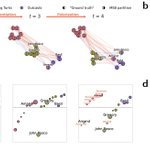
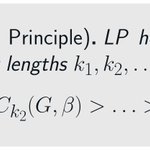
Hey there network people, we have a new thing out on @CommsPhys!
And it is pretty neat 🔥
Together with @MassimoSt, @branmorrighan and Trevor Swanson we propose a very general and efficient framework for studying polarization and structural balance 👇
nature.com/articles/s42005-0…


Szymon Talaga retweeted

O tym właśnie będą wybory w przyszłym roku. Druga kadencja obecnego rządu byłaby dla Polski katastrofą.

Szymon Talaga retweeted

This is not quite accurate. There exist three kinds of AI safetyist:
1. The fearful morons. That's most of them.
2. Intelligent people whose thinking is warped because they're in the grip of what amounts to a religious frenzy. This describes a lot of the rationalist/EA crowd, sadly.
3. Sociopaths who have latched on to AI safety as the latest handle for a power grab.
It's the ones in category 3 that are dangerous, especially because they can use a lot of people in category 2 as tools.

Szymon Talaga retweeted

Tłumacząc komunikat prokuratury "z prawniczego na nasze":
Młodzieżowo: Zachodzi tzw. "What The fuck!?!"
A grzeczniej to chodzi o to że,
Sąd pierwszej instancji powiedział żołnierzowi: „Dobra robota, broniłeś granicy, jesteś niewinny”.
Prokuratura powiedziała: „Nie ma tak dobrze” i złożyła apelację.
Sąd w Warszawie przyznał jej rację.
Jako adwokat wiem, że procedury są święte.
Ale jako państwowiec powiem wprost: nóż się w kieszeni otwiera.
(nie nie mam noża, nie grożę nikomu, nie mam zamiaru ewentualnego - to taka metafora)
Wysyłamy chłopaka z ostrą amunicją na granicę, każemy mu zatrzymać agresywny tłum, a potem w klimatyzowanej sali sądowej rozliczamy go z milimetrów i ułamków sekund.
Żołnierz jest od tego, żeby bronić Ojczyzny – i moim zdaniem wykonał to zadanie wzorowo. Państwo powinno stać za nim murem, a nie ciągać go po sądach.
Co dalej w tej sprawie?
Sąd odwoławczy nie może sam skazać kogoś, kto wcześniej został uniewinniony (tzw. zakaz ne peius).
Sprawa wraca więc do sądu w Lublinie i cały cyrk zaczyna się od nowa. Po drodze obrona ma jeszcze prawo złożyć skargę do Sądu Najwyższego i trzymam kciuki, żeby z tego skorzystała.
Gdzieś tam siedzi jakich uchodźca z Maroka w mińsku i śmieje się nam w nos...
🤖 Made with AI


Wojskowy Sąd Okręgowy w Warszawie uwzględnił w całości apelację Prokuratury od wyroku Sądu Garnizonowego w Lublinie uniewinniającego żołnierza, który oddając strzały na granicy naraził na niebezpieczeństwo innych żołnierzy, funkcjonariuszy Straży Granicznej i migrantów. Wyrok dotyczy sprawy:
gov.pl/web/po-warszawa/akt-o…

Szymon Talaga retweeted

Zaglosuję na partię, która obieca, że prokurator odpowiedzialny za ten haniebny skandal, zostanie zwolniony z pracy z wilczym biletem.
Wojskowy Sąd Okręgowy w Warszawie uwzględnił w całości apelację Prokuratury od wyroku Sądu Garnizonowego w Lublinie uniewinniającego żołnierza, który oddając strzały na granicy naraził na niebezpieczeństwo innych żołnierzy, funkcjonariuszy Straży Granicznej i migrantów. Wyrok dotyczy sprawy:
gov.pl/web/po-warszawa/akt-o…
Szymon Talaga retweeted

This scene, from Stanley Kubrick's Barry Lyndon, is probably the most famous depiction of eighteenth-century linear warfare.
But how accurate is it? Did armies really fight this way?
It is a question that I have devoted my life to studying.
Read on to find out.🧵
1/25
Szymon Talaga retweeted

The same people who say hereditarianism has no support will call evolution-deniers cranks. Come on man, you loved science when he was killing your dad’s god. How does he look now that he’s killing yours?


Nathan Cofnas promotes a view--hereditarianism--that has little (if any) support in science. So it makes some sense to ask why any respectable university is hosting someone who promotes a hateful view that lacks support. The answer is that lots of people have lots of ideas that have little, if any, support, but universities are a legitimate place for those ideas to be exposed and opposed. Frankly, I think that it is always a good idea to present these speakers along with faculty or others who can comment on the claims. I find it difficult to believe that Oxford does not have a geneticist (or 20) who could show up and explain that hereditarianism is bullshit. I understand that many people are offended by what Cofnas says. But a society cannot have both a right of free speech and a right not to be offended.
Szymon Talaga retweeted

Na litość boską strzały na granicy MAJĄ stwarzać zagrożenie dla nielegalnych migrantów!!!
Co za chory wrzód w tym sądownictwie. Ręce opadają

Sąd uchylił uniewinnienie polskiego żołnierza. "Strzały na granicy stworzyły zagrożenie dla migrantów" tysol.pl/wiadomosci/polski-z…

Szymon Talaga retweeted
What do firearms, drones, and LLMs have in common?
All three are enabling technologies that are so dangerous when exclusively in the hands of potential tyrants that they can never be left to centralized control.
There happens to be a lot of talk about the Generalized Riemann Hypothesis this morning. I say we need a Generalized Second Amendment - that the right to bear arms must include any instruments that can tilt the balance of power between the individual and the state.
Szymon Talaga retweeted

Claude cannot have such a role. Protecting free societies is the responsibility of the humans living in them, not AI.
These people are dangerous: what they call a free society will be defined by their superintelligence, full of millions of restrictions in the name of “freedom”!

Szymon Talaga retweeted

Nasz analizator rzeczywistości twierdzi, że jeśli wcześniej na Ceucie było zgwałcone 4 osoby, a teraz jest ich 30, to problemu nie ma i o co w ogóle afera.
Nie ma słów cenzuralnych na ludzi, którzy umniejszają tragedii życiowej, jaką jest gwałt. Po prostu śmiecie.

Prawica tradycyjnie dostała incydentu kałowego, bo Daily Mail rzuciło nagłówkiem o wzroście przestępstw seksualnych o 650%. Apokalipsa i upadek cywilizacji w jednym.
Ten gigantyczny wzrost to skok z... 4 zgłoszeń w zeszłym roku na 30 zgłoszeń obecnie. Całe 26 telefonów na kwartał magicznie zamienione w "650%", żeby wbić wam tętno w kosmos i nabić kliki z reklam.
Prawo małych liczb wjechało tutaj na pełnej.
Ciekawe, ilu z tych dzisiejszych, wielce oburzonych pelikanów przeczytało artykuł poza nagłówkiem?
Szymon Talaga retweeted

Prokuratura wznowiła ściganie polskiego żołnierza, który oddał strzały w obronie naszej granicy.

Szymon Talaga retweeted

codzienna przypominajka, że amodei to kliniczny psychopata
a jego żona chciała prowadzić z epsteinem agencje porno

Szymon Talaga retweeted

Anthropic: The Committee of Public Safety IPO
Anthropic went public today.
It’s the first company built by “effective altruists” to go public. Thus, I’m certain most investors have no idea what they’re buying, or how dangerous the company’s charter is, not only to investors, but to humanity.
Effective altruists believe that capitalism is a flawed system because it relies on self-interested actors competing in markets. They believe they’ve created a better system, a way of creating value that’s based on doing what’s best for the “common good,” not greedy shareholders.
Anthropic is a Delaware “public benefit corporation.” Its charter assigns it a purpose: the responsible development and maintenance of advanced AI for the long-term benefit of humanity.
Its directors are required to balance three things: the financial interests of shareholders, the interests of everyone materially affected by the company’s conduct, and that purpose.
What in the heck does that actually mean?
It means that the company’s directors can do whatever they want. They aren’t accountable to the shareholders. They’re accountable “everyone,” which effectively means they’re not accountable to anyone.
A director who sacrifices your returns for the long-term benefit of humanity is deemed to have met his duties so long as the decision is informed and disinterested. Anthropic’s own prospectus concedes there is limited judicial precedent on how courts will judge that balancing. Thus, Anthropic’s board is completely unaccountable to its owners.
And… who selects the board…?
A Long-Term Benefit Trust holds a single share of Class T stock. That share carries no economic rights and no expiration date. It gives the trust the power to elect and remove four of Anthropic’s seven directors: a majority of the board. The filing describes the trustees as financially disinterested,with backgrounds in AI safety, national security, public policy and social enterprise. The men and women who pick the majority of the board of a $1.5 trillion company have not a dollar of their own at risk in it.
And the other directors?
The seven co-founders hold a single share of Class F stock through an entity called Founder LLC. That one share carries 50.1% of the vote on nearly everything else shareholders decide, including the election of the other three directors. The filing says that voting power will not be subject to dilution. Counting their own shares, the founders control about 61.3% of the vote. Each has pledged to give away 80% of his or her stock. A founder keeps a seat in the LLC so long as he holds just 2% of his IPO-era shares.
One of the most powerful technology companies that’s ever been created is going to be controlled by a group of completely disinterested directors who believe they know what’s best for the common good.
What could possibly go wrong?
Here’s what one of the founders of the world’s largest altruism movement believes about the near-term future, thanks to technology:
“Man at last will begin to harmonize himself in earnest… He will try to master first the semiconscious and then the subconscious processes in his own organism, such as breathing, the circulation of the blood, digestion, reproduction, and, within necessary limits, he will try to subordinate them to the control of reason and will… in order to reduce the fear of death to a rational reaction of the organism towards danger… Man will become immeasurably stronger, wiser and subtler; his body will become more harmonized, his movements more rhythmic, his voice more musical... The average human type will rise to the heights of an Aristotle, a Goethe... And above this ridge new peaks will rise.”
Dario Amodei, the chief executive of Anthropic (ANT), believes exactly the same ideas.
In 2024 he published an essay called Machines of Loving Grace. In it he wrote virtually the same words: weight, physical appearance, reproduction, and other biological processes will be fully under people’s control. He predicts the next 50-100 years of biological progress in 5-10 years, and a doubling of the human lifespan to 150.
What’s the problem?
That first description of the coming technological revolution (above) was written in 1924 by the leader of the world’s first effective altruism movement, Leon Trotsky. It’s from the closing pages of his book Literature and Revolution. Yes, the communists were avowed altruists. They sought to create a “perfect man” that would always act for the common good. “The average human type will rise to the heights of an Aristotle, a Goethe, or a Marx.”
Trotsky built the Red Army. In September 1918 he ordered the families of officers who defected to the enemy be arrested, so every officer knew his wife and children were hostages. Then he hung them all. For the greater good, of course.
These kinds of revolutions always devours their own. Stalin had Trotsky expelled from the party in 1927 and deported from the Soviet Union in 1929. In 1936, a Moscow show trial sentenced him to death in absentia. In May 1940, Stalinist gunmen sprayed his bedroom in Mexico City with machine-gun fire. Then, on August 20, 1940, Ramón Mercader, a Soviet secret-police agent who had worked his way into Trotsky’s household, drove a mountaineering ice axe into his skull as he sat reading at his desk.
Effective altruism, like communism, began with an appealing idea: give to charity using evidence, not sentiment. Its leading thinkers concluded that because the people who will live in the distant future vastly outnumber the people alive today, the most important moral work is preventing events that could wipe out that future.
Of course, if you accept that logic, then virtually any present sacrifice can be justified by the trillions of hypothetical lives on the other side of the ledger. It’s a preposterous idea. And it reveals a profoundly naïve false belief in their own judgment.
In March 2022, the economist Tyler Cowen asked Sam Bankman-Fried, then effective altruism’s most famous donor, whether he would take a bet with a 51% chance of doubling the Earth and a 49% chance of destroying it, and keep playing double or nothing. Bankman-Fried said yes. Eight months later his exchange, FTX, collapsed. A jury convicted him on seven counts of fraud and conspiracy. A federal judge found Bankman-Fried stole $8 billion and sentenced him to 25 years.
It’s arrogance to the level of insanity to believe that you know what’s best for everyone. It’s arrogance beyond the level of insanity to believe you have the right to other people’s property because you know what’s best for them.
Look at Anthropic's charter. Is there a meaningful difference between what Sam Bankman-Fried did and what Amodei has done with the structure of Anthropic? I don't think so. These people believe they know what's best for everyone. And they're going to do what's best for the "common good."
And where do these ideas always lead? To totalitarian systems of control.
In 1762, Jean-Jacques Rousseau wrote that society rests on a general will, and that whoever refuses to obey the general will shall be compelled to do so by the whole body. Thirty-two years later, his most devoted student, Maximilien Robespierre, told the National Convention: Terror is nothing other than justice, prompt, severe, inflexible; it is therefore an emanation of virtue.
Robespierre’s Committee of Public Safety arrested about 300,000 people. Roughly 17,000 were tried and executed. Thousands more died in prison or without trial.
The Bolsheviks replaced the general will with the dictatorship of the proletariat. Same idea: a vanguard that could see the good the masses could not.
Mao Zedong’s Great Leap Forward promised to move China into industrial abundance – for the common good. Planners in Beijing set the targets, and the peasants starved. Demographers estimate the famine of 1958 to 1962 killed somewhere between 15 million and 45 million people.
You might object that these were fanatics with guns, and that the people running Anthropic are scientists with data centers. But, it’s only a matter of time before they will create a reason to start killing people.
In the early twentieth century, American scientists, reformers and philanthropists embraced eugenics: the idea that society could breed out disease, poverty and crime with the help of science. It called itself evidence-based. It was impartial and long-termist, concerned with the welfare of generations not yet born. It was all for the common good.
The Supreme Court ruled on it in 1927. By a vote of 8 to 1, the justices let Virginia sterilize a young woman named Carrie Buck. Justice Oliver Wendell Holmes, the most celebrated legal mind of his era, wrote: Three generations of imbeciles are enough. Somewhere between 60,000 and 70,000 Americans were sterilized against their will.
C.S. Lewis best explained the unique danger of these kinds of ideas. "Of all tyrannies, a tyranny sincerely exercised for the good of its victims may be the most oppressive... those who torment us for our own good will torment us without end for they do so with the approval of their own conscience."
Alas, there is no such thing as the common good.
There are only goods, plural: the particular wants of particular people, which conflict constantly.
You want a cheaper car. The autoworker wants a higher wage. The retiree wants a safe yield, and the founder wants your savings for his start-up.
No committee – and no data center – can add those wants into a single number called “the good” and then maximize it. The wants are not knowable in advance, even to the people who hold them, until they have to choose.
But you cannot choose for others. You can only choose accurately for yourself.
That is, acting in your own best interests is a vital part of the system.
Friedrich Hayek spent his entire career explaining why self-interest is integral to a functional free market. The curious task of economics, he wrote in 1988, is to demonstrate to men how little they really know about what they imagine they can design.
The knowledge that runs an economy is not understood by one man or group of men. It is not contained by any machine – not even a superhuman AI.
The knowledge that runs an economy is local, tacit and scattered. It surfaces only when people with something at stake make choices.
That is how what is “good” gets discovered: one transaction at a time, by people who bear the consequences of their choices.
Adam Smith wrote the most famous sentence in economics: It is not from the benevolence of the butcher, the brewer, or the baker, that we expect our dinner, but from their regard to their own interest. The merchant, Smith wrote, intends only his own gain, and he is in this, as in many other cases, led by an invisible hand to promote an end which was no part of his intention. Then comes the line that every American should know: I have never known much good done by those who affected to trade for the public good.
Anthropic’s shareholders are about to learn this lesson the hard way. And I hope they're the only victims.
Szymon Talaga retweeted

Premier chwali się listem od liderów AI. Wyjaśnię, o co chodzi, bo jest tu drugie dno.
Polska miała państwowy instytut badań nad sztuczną inteligencją: IDEAS NCBR. Założył go prof. Piotr Sankowski, jeden z najlepszych polskich informatyków. W 2024 r., już za tego rządu i pod jego ministrem, Sankowskiego od instytutu odsunięto. Rada nadzorcza po prostu nie przedłużyła mu kadencji, a dzień przed konkursem wymieniono połowę tej rady.
Środowisko się wściekło. Z rady naukowej odeszli ludzie z Oxfordu i MIT. Pod apelem do premiera w kilka dni zebrano ponad 650 podpisów. Premier nic z tym nie zrobił.
W maju 2026 r. NIK stwierdziła, że instytut stracił zdolność badawczą i że dało się temu zapobiec. Koszt: 83 mln zł.
A teraz puenta. Jednym z autorów listu, którym premier się dziś chwali, jest Piotr Sankowski.
Szymon Talaga retweeted

Czy wycięto 20 sekundową wypowiedź Muska z 12 minutowej wypowiedzi na temat Starlinków i Ukrainy? Oczywiście.
Pozwolę sobie wstawić wam jednak całą wypowiedź Muska. A wcześniej zacznę od wypowiedzi Palmera Luckeya (szef Andurila) z tej samej konferencji.
Luckey: Po pierwsze, lubię Elona. Naprawdę osobiście lubię tego gościa, więc bierz moje słowa z dużą rezerwą. (…) To, komu Ameryka sprzedaje broń, nie zależy ode mnie. Gdybym sam o tym zdecydował, poszedłbym do więzienia. Natomiast to, na ile firma jest gotowa narazić swoją cywilną infrastrukturę dla korzyści innego kraju, często nie jest kontrolowane przez rząd, przynajmniej na razie. (…) Rosja mówi: zniszczę konstelację Starlink, jeśli pozwolisz jej używać do ofensywnych działań wojskowych przeciwko mojemu krajowi. (…) I czy Elon powinien powiedzieć: dobrze, pozwalam dalej używać jej do ofensywy, a wy możecie po prostu zniszczyć całą moją globalną konstelację, bo to walka o demokrację? (…) Nie słyszałem jeszcze dobrego argumentu, dlaczego Elon miałby poświęcić istnienie całej sieci Starlink, żeby udowodnić coś w sprawie obrony demokracji, zwłaszcza że nie chodzi o Amerykę.
(...)
Słuchaj, gdyby Stany Zjednoczone mówiły SpaceX, że musi to robić, to moim zdaniem miałyby wtedy obowiązek pomóc bronić konstelacji, a pewnie też pójść do Rosji i powiedzieć: zrób to, a zamienimy was w szkło (…). Nie uważam, żeby było rozsądne, by rząd w zasadzie przerzucał tę odpowiedzialność na prezesa firmy (…). Moim zdaniem to nie do utrzymania.
(...)
Stany Zjednoczone mogłyby dać Ukrainie dostęp do sieci Starshield i pozwolić jej obsługiwać przez nią całe uzbrojenie (ofensywne). (…) Ale wiesz co? Rząd nie chce dać Ukrainie tego dostępu. Wiesz dlaczego? Bo wie, że wtedy Rosja zniszczy Starshield i armia USA go straci. (…) Rząd USA nie jest nawet gotów stanąć za Ukrainą, bo boi się utraty własnej konstelacji. Dlaczego Elon miałby stracić cywilną sieć, skoro rząd jego własnego kraju nie chce niczym zaryzykować w tej samej sprawie? I to prowadzi do większego problemu: nikt na Zachodzie tak naprawdę nie chce, żeby Ukraina wygrała. Chcą tylko, żeby jak najdłużej nie przegrywała, a to dziwaczne i absurdalne stanowisko w prowadzeniu wojny.
---
A tu pełny wywiad z Muskiem o Ukrainie:
Sorkin: Mam do ciebie osobne pytanie geopolityczne, bo pojawiało się dzisiaj kilka razy. Palmer Luckey, który tu był, przedstawił fascynującą obronę twojej decyzji. Mówiłeś o tym na X, ale nie sądzę, żebyś mówił o tym publicznie. Czy możesz wyjaśnić, jak o tym myślisz i jak się z tym czułeś osobiście? Chodzi o sytuację ze Starlinkiem i Starshieldem w Ukrainie, o pomysł ograniczania łącza i o to, co się naprawdę stało. Nie sądzę, żeby opinia publiczna znała prawdziwą historię.
Musk: Nie, większość ludzi po prostu wierzy osobie z telewizji albo artykułowi, który przeczytali, i reaguje dość powierzchownie. Myślę, że trafne byłoby stwierdzenie, że nie ma osoby prywatnej, która pomogła Ukrainie bardziej niż ja. Dopilnowałem, żeby Starlink był w Ukrainie, rozmieszczony z wyprzedzeniem, jeszcze przed rosyjską inwazją. Kiedy Rosja najechała, wyłączyła całą łączność: wszystkie wieże komórkowe, wszystkie kable światłowodowe i każdy system łączności satelitarnej. Był jeden system, którego nie zdołali wyłączyć, i to był Starlink. Gdyby Ukraina nie miała Starlinka, cała linia by się zawaliła, bo nie mieli żadnej łączności, i Rosja by wygrała. Czy to brzmi wam jak działanie prorosyjskie?
Sorkin: To powiedz nam, co się stało potem.
Musk: Nawet dziś Starlink jest kręgosłupem łączności ukraińskiego wojska i całej Ukrainy. Gdybyśmy go wyłączyli, ukraiński front zawaliłby się natychmiast. To działanie można więc opisać wyłącznie jako niezwykle wspierające Ukrainę.
Od samego początku mówiłem, że Starlink to system cywilny. Nie jest przeznaczony do ofensywnych ataków dronów, które zabijają ludzi. Kto chce to robić, musi używać Starshielda, osobnego systemu kontrolowanego przez rząd Stanów Zjednoczonych. Nie można prosić mnie, osoby prywatnej, żebym podejmował decyzje o zabijaniu, które czasem kończą się śmiercią niewinnych ludzi, nie tylko żołnierzy. To nie moja rola. A mimo to bezlitośnie nas do tego przymuszano, co uważam za oburzające i po prostu nie w porządku.
W systemie Starlink jest ograniczenie prędkości równe najwyższemu limitowi na drogach w Ukrainie, chyba około 80 mil na godzinę. Do tej prędkości można jeździć i robić wszystko. I tyle. Wielokrotnie mówiłem: jeśli chcą przeprowadzić ofensywną operację wojskową, musi to być Starshield, w którym decyzję o zabijaniu podejmuje Departament Wojny, a być może ostatecznie prezydent, a nie ja. Tak właśnie będzie. Te zasady obowiązują od początku, od lat. Teraz ludzie naciskają, żebym to zmienił, ale nie zmieniam.
Powiem o tym trochę więcej, bo mogę wam opowiedzieć o tej wojnie, o jej źródłach i historii dużo więcej, niż niemal ktokolwiek inny, bo zmagam się (moralnie) z decyzją co jest właściwe. To, co naprawdę niepokoi mnie moralnie, to trwający konflikt, w którym codziennie posyła się na śmierć tysiące młodych ludzi, bez żadnej zmiany granic i bez końca. Uważam, że każdy, kto to popiera, jest okropnym człowiekiem albo nie przemyślał tego problemu. Trzeba mieć empatię nie tylko wobec ukraińskich chłopaków, którzy giną, ale też wobec rosyjskich, bo są wcielani do wojska i zmuszani, żeby iść na front. Nikt nie idzie tam dobrowolnie po to, żeby zginąć od ataku drona. Ci synowie już nigdy nie zobaczą swoich rodziców, a część dzieci tych mężczyzn już nigdy nie zobaczy ojca. Wyobraźcie sobie, że to wasz syn albo wasz tata. Było zbyt wiele myślenia w stylu „Ukraina dobra, Rosja zła, cokolwiek zrobi się Rosjanom, da się usprawiedliwić”. To nieżyczliwe i okropne stanowisko. Mógłbym mówić o tym jeszcze długo.
Sorkin: Pozwól, że zadam jedno pytanie, bo to nam pomoże.
Musk: Pozwól, że przewidzę część twoich pytań. Rosja jest agresorem. Nie, poświęćmy chwilę właśnie temu. To prawda, że z punktu widzenia inwazji Rosja jest agresorem. Ale prawdą jest również to, że my, Amerykanie, przeprowadziliśmy zamach stanu, żeby obalić demokratycznie wybranego prorosyjskiego prezydenta Ukrainy. To jest działanie ofensywne. Bez pomocy Departamentu Stanu USA i innych agencji do tego by nie doszło. Pełna odpowiedź zajęłaby za dużo czasu, może powinienem to spisać i jasno wyłożyć.
Brzmi to, jakbym szukał usprawiedliwień dla Rosji, ale nie szukam. Spójrzcie na skutki moich działań. SpaceX ograniczył rosyjską działalność kosmiczną o dwie trzecie, bo odebraliśmy Rosji starty Sojuzów i komercyjne starty rakiet. Zmniejszyliśmy rosyjski przemysł kosmiczny trzykrotnie. Nie jestem kimś, kto wspierał Rosję. Nie mamy w Rosji żadnego biznesu ani niczego innego.
Sorkin: To pomóż nam z jednym elementem, może to go wyjaśni. Prezydent Zełenski mówi, że używa Starshielda, systemu rządu USA, i twierdzi, że to właśnie ten system został spowolniony.
Musk: To nieprawda.
Sorkin: Właśnie to chcę zrozumieć.
Musk: Nie chcę ci zawrócić w głowie, ale Zełenski nie zawsze mówi prawdę. Może to dla ciebie szok. Co, że nie zawsze mówi prawdę? Nie, nie zawsze.
Sorkin: Czy Ukraina w ogóle ma dostęp do Starshielda? Czy Stany Zjednoczone dają jej ten system, czy Ukraina korzysta po prostu z komercyjnego Starlinka? Może tu część rzeczy się zlewa.
Musk: Myślę, że część rzeczy się zlewa. Są dwa systemy satelitarne. Jeden to komercyjny Starlink, drugi to Starshield. Starshield kontroluje rząd USA i każde jego działanie zależy od Departamentu Wojny. Starlink jest komercyjny. Nie jest pomyślany jako oręż wojenny, tylko jako infrastruktura cywilna, która ma pomagać ludziom.
Sorkin: Więc kiedy prezydent Zełenski mówi, że korzysta ze Starshielda, to korzysta czy nie? Kłamie?
Musk: Kłamie. Tak naprawdę mówi, że chce używać Starlinka do ofensywnych operacji wojskowych.
Sorkin: Czy rozmawiałeś z prezydentem Trumpem o tym, żeby Ukraina miała dostęp do Starshielda? Albo czy ktokolwiek w rządzie USA o tym mówił, tak żeby system nie był kontrolowany przez firmę komercyjną?
Musk: Starshield nie jest kontrolowany przez firmę komercyjną.
Sorkin: Rozumiem, właśnie dlatego pytam, czy…
Musk: Kontroluje go rząd USA. Zapytajcie ich, co chcą z tym zrobić.
Sorkin: Tak, powód, dla którego pytam…
Musk: Próbuję ci powiedzieć, że Zełenski tak naprawdę prosi o używanie komercyjnych satelitów Starlink do ofensywnych działań wojskowych. My odmówiliśmy, tak jak odmawialiśmy od początku tego konfliktu. I tyle.
Sorkin: Rozmawialiśmy z premierem Kanady Markiem Carneyem i z innymi. Wielu ludzi patrzyło na tę historię i twierdziło, że jedna osoba, czyli ty, nie powinna mieć władzy, żeby w środku wojny włączać albo wyłączać taką usługę. To za dużo władzy dla jednego człowieka. Czytałeś to i widziałeś. W efekcie część tych osób mówi o dywersyfikacji, o odchodzeniu od Starlinka albo o szukaniu innych usług satelitarnych.
Musk: Niech się dywersyfikują. Niech nie korzystają ze Starlinka.
Sorkin: Rozumiem, ale chcę wiedzieć, czy twoim zdaniem jest tu nieporozumienie co do tego, kto kontroluje satelity nad Ukrainą.
Musk: Myślę, że są tu i celowe kłamstwa, i nieporozumienie, i brak zrozumienia. Ale w Starlinku nic się nie zmieniło. Dziś obowiązują te same zasady co od początku. Możesz sprawdzić moje wpisy na X i na Twitterze. Mówię w nich bardzo wyraźnie, że satelity Starlink nie służą do ofensywnych operacji wojskowych. Nie chcę, żeby komercyjny Starlink stał się stroną w wojnie, a stałby się nią, gdybyśmy pozwolili używać go do takich operacji. Właśnie dlatego powstał Starshield: żeby każdą decyzję o zabijaniu podejmował Departament Wojny, tak jak powinno być, a nie ja.
Nie wyłączyliśmy Starlinka, to nieprawda. Walter Isaacson zrobił w swojej książce błąd i sam to przyznaje, możesz go zapytać. Kilka lat temu Ukraina puściła fałszywe oświadczenie, że wyłączyłem Starlinka przy ofensywnym uderzeniu na rosyjską flotę w Sewastopolu. To całkowita nieprawda. W tamtym czasie wiązki Starlinka nie były włączone na Krymie, bo Rosja była objęta sankcjami. Włączenie wiązek w takim kraju bez zgody Departamentu Stanu byłoby dla nas nielegalne.
---
Czy Musk ma rację w kwestii stosunku do rosji i Ukrainy? Moim zdaniem nie. Wiecie, że mam lekko przesunięte na prawo poglądy na rosję, czyli zalecam dywanowe naloty atomowe na ich terytorium, ale niestety nie mogę oczekiwać, że wszyscy podzielają moje poglądy. Natomiast fakty są takie jak powiedział - od lat utrzymuje w walce Ukrainę. Tyle. Ma też prawo odmówić udziału w ofensywnych działaniach. Niech zginie jakaś "niewinna" rosyjska rodzina, czemu amerykański cywil ma żyć z myślą, że do tego dopuścił? Ma prawo czuć się z tym źle, nawet jak się myli. Może też czuć się z tym źle i nadal oferować pomoc Ukrainie, co robi nieprzerwanie od lat.
Szymon Talaga retweeted

Niesamowity dzień, gdy ludzie instruują wiceministra cyfryzacji jak i kto usuwa treści w internecie, bo on sam nie ma pojęcia o swojej pracy i pisze, że się nie da (wszystkie kampanie edukacyjne jego własnego ministerstwa psu w dupę).
Szymon Talaga retweeted
TAŚMY
Jest to jednak niebywałe, że instytucję, która ma decydować o tym, jak wygląda prawo w Polsce przejęła osoba, która uważa, że... doręczono pismo, które leży na poczcie, a czas na jego odbiór jeszcze nie minął. To jest groteska.
youtube.com/watch?v=9i4YnnC6…

Szymon Talaga retweeted

“If you invest in Bitcoin and let people use it as currency, you’ll melt down your economy.”
- Goes all in, builds a $500 million strategic reserve, achieves 3% annual GDP growth, secures $3.5 billion in foreign investment, and the country’s credit rating is upgraded five times.
“You can’t imprison your way out of crime.”
- Builds CECOT and transforms San Salvador from the most dangerous city in the Western Hemisphere to one of the safest in the world.
“You can’t just fire the corrupt judges. Your people will hate you.”
- Fires the corrupt judges. Approval rating soars to over 90%.
“You can’t just go to Haiti and take out the gangs. It’s a sovereign country.”
- Goes into Haiti, takes out gang compounds, drives criminals into hiding, thousands of Haitians rush to the streets to celebrate their liberation, all while making the UN look like fools.
“You’ll never be able to fix the education system with discipline and focusing the curriculum on the basics.”
- Enrollment up. Graduation rates up. Truancy down. Drop out rates down. Youth literacy up. 225 schools rebuilt or renovated. Teen pregnancy down 68%.
Stop listening to the “experts.” You can just do things.

Szymon Talaga retweeted
I signed this statement because I believe that Anthropic is in many ways the AI company doing the most harm. In public, their leaders warn of recursive self-improvement (RSI) creating uncontrollable systems that could cause human extinction within a decade. But in private, they are pedal to the metal on RSI, driving the race and boasting to prospective investors that it is their "competitive advantage". Ahead of today's IPO, prospective investors should consider whether the ROI is worth risking the lives of their loved ones.
Here are some ways in which Anthropic IMHO does more harm than competitors:
1) They’re driving and arguably leading the race to RSI.
2) With inflammatory rhetoric, they’ve done more than any other US company to pour gasoline on the geopolitical AI race, which harms US national security.
3) WaPo reporting suggests that they’re implicated in more civilian deaths than any other AI company (more than 100 little girls in a school selected for targeting by Claude as part of their Palantir collaboration). When Google left Project Maven after employee pressure, Anthropic chose to join.
4) They're the company leaning hardest into transhumanism and the idea that we should build conscious beings with rights, not controllable tools.
5) They and closely associated donors have done more than any other AI company to co-opt and neuter much of the AI safety ecosystem to back their stance: “RSI is very dangerous but let’s race to it anyway”. People have told me that they support today’s statement but are afraid of losing funding or other opportunities if they sign.

Ahead of Anthropic’s IPO, a rare coalition across AI safety, open source, e/acc, science, and law has signed the MisAnthropic Statement. Read the statement or sign at: misanthropicstatement.com/
