
I am a veteran in the oil industry, where capex allocation is critical. Project portfolio optimization, value of information, those are my fields of interest.
Rio de Janeiro, Brazil
Joined October 2015
- Tweets3.5K
- Following188
- Followers261
- Likes8.4K

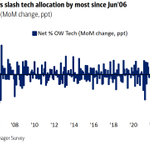


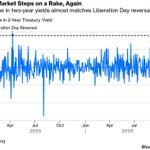


Authers-Precious metals respond negatively to higher rates. Their fall came with a steady rise in yields after the war in Iran. But the last few days’ price action possibly is because investors fear a dislocation (a credit event) in the AI trade, despite Anthropic’s IPO.

13
Authers-The Nvidia excitement probably means a gradual decline to the AI trade, which in turn will mean a period of drab US equity returns that underperform the rest of the world. The corollary, as the US is tech-dominated, is an end to US exceptionalism. But not a crisis.


13
Bloomberg-Ever since the US attacked Iran, the world has been needlessly worrying about a looming food crisis, Javier Blas writes. The reality is that food inflation is relatively muted and the truest sign of a crisis — food rioting in emerging nations — is nowhere to be seen.

20
Authers-Shifts in trend like this suggest important moves in market sentiment. Why now? Traders no longer think that a burst AI bubble could bring down US rates for them. What remains is American economy far stronger than anyone else, and the upward pressure on yields/currency.

18
Authers-default risk has more than doubled for the main players in a matter of months, with Oracle and SpaceX at very high levels. That shows the serious questions about whether the massive AI borrowing binge will ever pay off, ensures that future borrowing will be more expensive

1
13
Authers-on Nov 10, 2001 WTO’s trade ministers approved China’s accession at a Doha conference. Its trade surplus with the rest of the world continues to reach new highs. The challenge now is to find a new source of momentum at home, before limits on the old model are imposed...

22
Authers-the notional terminal rate for this cycle continues to be all over the place. Last week, the market doubted there would be even two more hikes in total; now three is regarded as a certainty. The predictable result was to upend the bond market, again.

11
Authers-Sahm Rule found that when the unemployment rate rose by 0.5 percentage points in six months, a recession resulted. In Sep/24 a swift rise in the jobless rate prodded the Fed into a “jumbo” rate cut. Now a recession is nowhere near, neither any justification for rate cuts

1
24
Authers-with the company reaping the rewards of cloud computing, you could have bought it at IPO with 365 duds and come out ahead. That logic worked three decades ago. It won’t this time. The AI wave “puts a lot of eggs in a limited number of baskets”-there’s no safety in numbers

10
Authers-LatAm stock markets are driven by foreign passive flows, which have a strong tendency to freak out at any sign of victory for candidates on the political left. This creates buying opportunities. Will this prove to be another Lula buying opportunity? In all likelihood yes

1
16
Authers-something is moving rate expectations beyond Fedspeak or the data: the bond market. If rising yields continue to alarm the administration, then the pressure on Warsh to guide the market will only intensify.

19
Authers-bond yields have surged. Over these last eight years, the safety net has been removed from under the stock market. There’s one other added risk that could arise from the elections- the populist left might get taken far more seriously, and with it the chances of tax rises.

16
Bloomberg-everything from grid infrastructure to metals and fertilizer could be in El Niño’s crosshairs. T. Rowe Price says it has models to protect its $165 billion portfolio of emerging-market debt and equities. There are now investment cases around the intense weather cycle
18
Authers-The problem is that France’s private sector is already leveraged in a way that far outstrips the US or the rest of Europe. That means that the country cannot readily raise more debt by selling to its own private sector. Investors think they see how this ends.

23
Authers-energy transition underpins demand; challenges at major mines prop up prices. New mines take years to open. If the AI buildout stalls, demand for other uses in EM would remain- prices have further room to run. Any pullback would most likely create a buying opportunity...

18
Authers-testing a level it has touched twice before in the last three months- for technical traders, this looks like a moment of truth is at hand. The immediate future of the AI trade will depend on whether growing concerns in the credit market about AI debt can be allayed.

17
Authers-that edge should prove difficult to dislodge: lower yields support domestic activity, and put downward pressure on the yuan, making exports cheaper in dollar terms. What China needs is a consumer boost to get the domestic economy moving- still not on the horizon.

21
Authers-A slim majority of fund managers once more expects longer-term rates to reduce from here, not rise, a state of affairs seldom seen in this century. But putting off the moment when share prices at last react to the tectonic shift in bonds looks far-fetched...

22
Authers-Warsh Fed has proven more hawkish. This could have been a lot worse but for structural demand driven by central banks, which has put a floor under gold. If rates stay higher for longer, it will have to contend with a stronger dollar/higher costs of holding (no income).

45
