

🎙️ I interview best-selling authors on my podcast 🎓Formerly @uniofexeter & @uniofoxford 🕊️ I recommend books on #philosophy #history
London, United Kingdom
Joined April 2021
- Tweets1.1K
- Following315
- Followers650
- Likes2.4K




Pinned Tweet
Join ‘The Odyssey’ Read—Along on my Substack.
(3000+ Readers , Three Months, One Great Epic)
open.substack.com/pub/armeni…


1
205
Vashik Armenikus retweeted
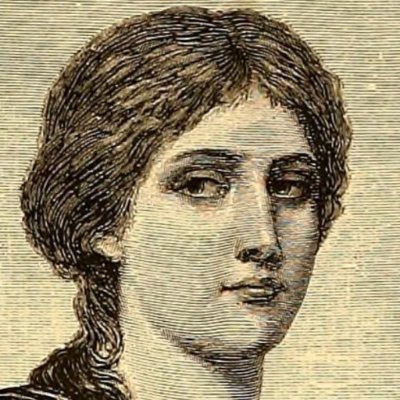
Our latest free books give-away, open to all worldwide. This time it's 8 books from the last 200 years, and 8 people will be drawn to pick their choice. Retweet this and you're in for the random draw on Sunday 11 October. Proper books these. Details to follow over next few hours!


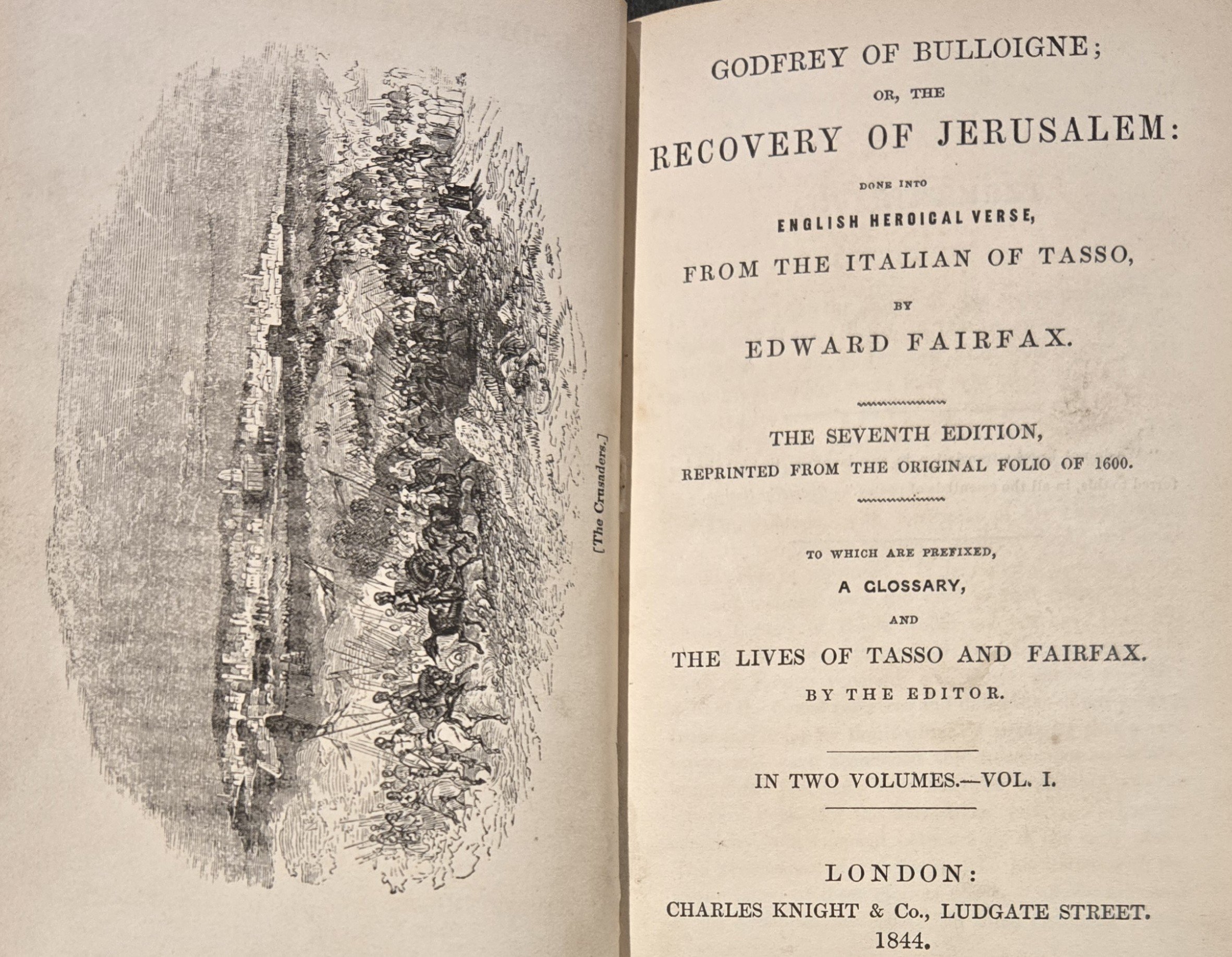

“We are all Greeks. Our laws, our literature, our religion, our arts have their root in Greece.”
— Percy Bysshe Shelley, preface to Hellas


"Of all peoples, the Greeks have dreamt the dream of life best."
– Johann Wolfgang von Goethe
Dancing Satyr of Mazara del Vallo

69
“To the Greeks we owe the discovery of the free individual, and with it the discovery of tragedy.”
— Isaiah Berlin

1
52
I am here again with commentary on The Odyssey translations, and particularly on my favourite: Fagles’ translation.
The reason I can’t stop talking about it, and why I see many others doing the same, is…
…because good translation opens up a book to you that you might never have otherwise read.
I opened Martin Hammond’s translation and Emily Wilson’s version, and postponed reading The Odyssey because their interpretations did not sound right to me.
But then I opened Fagles and fell in love.
Many talk about Wilson’s translation today because of Nolan’s film. I talk about Fagles because his talent revealed the power of Homer to me.

There’s is something terrifying about this creature. It seems at first to be a bird. I guess what scares me is what I will see when she opens her eyes.
Fernand Khnopff (Belgian, 1858-1921), 'The Sleeping Medusa', 1909

24
🚨 New podcast episode just dropped!
How to Read Homer’s The Odyssey?
What if the greatest adventure story ever written isn’t just about a hero’s journey home… but about how to read it right?
Why does it open with a son who’s never met his father?
What do the gods, the monsters, and Penelope’s quiet power actually reveal about us? And why does this 3,000-year-old poem feel more urgent today than ever?
I’m thrilled to welcome the brilliant Professor Emily Katz Anhalt (Sarah Lawrence College, author of Enraged, Embattled, and Ancient Wisdom for Polarized Times) for a masterclass in seeing The Odyssey like never before.
We go deep on the hidden psychology, the moral genius, and the ancient wisdom Homer still has for our chaotic world.
🎧 Listen now — you’ll never read (or think about) The Odyssey the same way again.
substack.com/home/post/p-197…


The term 'Orchestra' is literally Greek.
Nolan has not done any research for this film. It's embarassing.

Christopher Nolan instructed Ludwig Göransson not to use an orchestra for ‘THE ODYSSEY’ score.
“It’s not like the orchestra existed back then. It was a challenge and also an opening to try to make something unique,” says Göransson.
(Source: time.com/article/2026/05/12/…)

An ancient Greek bust of Aphrodite and Greek model Angie Karantoni (also called Andri Cartoni)

2
101
Vashik Armenikus retweeted

If you want to introduce your children to Homer, we have a better alternative to Hollywood nonsense.


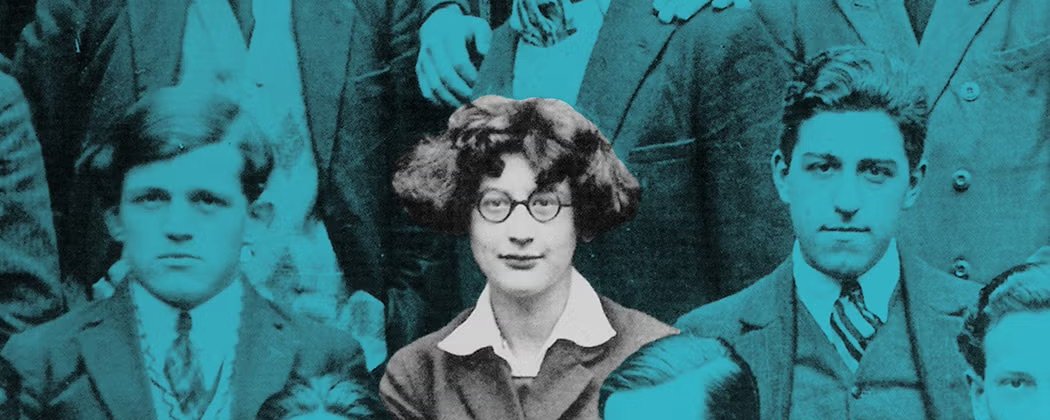
What is amazing about the reaction to Christopher Nolan’s Odyssey is people sharing great films one should watch instead.
Feel free to drop your suggestion 👇

2
63
As is so often the case with great literary figures, you never quite know whether to call them poets or writers.
A photograph of Jorge Luis Borges

95
The Abilene Paradox
In 1974, a management professor named Jerry Harvey was visiting his family in the tiny, sweltering town of Coleman, Texas. It was 104 degrees outside.
His father-in-law suggested they drive 53 miles to Abilene to eat at a cafeteria.
Everyone agreed, and they spent four miserable hours in a dust-filled car with no air conditioning, only to eat a mediocre meal and drive all the way back in the heat.
Once they were home, they made a shocking discovery: not a single person in the car had actually wanted to go.
Each person had only agreed because they thought the others wanted to go and they didn’t want to be the one to ruin the plan.
They had successfully managed to agree on a path that every single individual privately thought was a terrible idea.
This is the Abilene Paradox.
It points out a specific failure in human communication where our fear of social friction causes us to act against our own collective best interests.
We don't fail because we disagree; we fail because we are so bad at managing our agreement that we end up on a long, hot road to a destination nobody asked for.


