

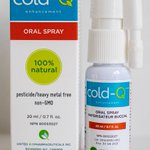
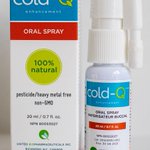
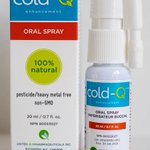
Cold-Q™ #natural #oralspray #immuneenhancing created to help your body fight colds. Use at the first signs ColdQtotheResQ
Canada
Joined August 2014
- Tweets4.1K
- Following915
- Followers439
- Likes3.4K




cold-Q retweeted

It's #NationalDiabetesAwarenessMonth! DYK: 34+ million adults in the U.S. are diagnosed with #diabetes, which puts them at high risk of the following flu-related complications:

cold-Q retweeted
We work hard every day to earn your #trustandloyalty Reviews mean the world to us and this one says it all #Believer
cold-Q retweeted

My latest for my "Unpacking It" column @greatist explores what we can expect from a potential COVID-19 vaccine. greatist.com/health/need-to-…


cold-Q retweeted

GIVEAWAY TIME!! I’m feeling all Christmassy and I’m also hearing about all the bugs circling right now. What a perfect time for @coldq1 ! It’ll help you fight those nasty colds and keep you smiling throughout the… instagram.com/p/B5yVnztAWNq/…


cold-Q retweeted
Q: How do pandemic flu viruses spread compared to seasonal flu viruses?
A: Pandemic #flu would spread the same way as seasonal flu. However, pandemic flu likely would infect more people because fewer people have immunity to the pandemic virus.
cdc.gov/flu/resource-center/…

cold-Q retweeted
How can antibiotics make us more vulnerable to flu? A new study in mice by researchers in London now suggests that antibiotic use can interfere with protein signaling in lung cells, impairing our first line of defense against flu. https://nitter.cf/t.co/smBKw2cSlM
cold-Q retweeted
#FluInReview: Do you know how people in your age group were affected by #flu this past season?
Adults age 65 and older accounted for 47% of people hospitalized from flu. Learn more about hospitalization rates during the 2018-19 #fluseason: cdc.gov/mmwr/volumes/68/wr/m…

cold-Q retweeted
Are we ready for the next severe flu pandemic?
CDC reflects on the groundbreaking work to reconstruct the 1918 pandemic flu virus and uncover its secrets to prepare for future pandemic threats: is.gd/lZCuE6 #1918flu
cold-Q retweeted
#FluFactFriday: You can still get sick with #flu in the summer when flu activity is low, but it’s much less likely than during #fluseason.
Get tips to stay healthy year-round: cdc.gov/flu/prevent/actions-… #FirstDayofSummer

cold-Q retweeted
Study shows rates of hospitalization and risk of death from seasonal #flu increase with age among people aged 65 and older. More in: cdc.gov/flu/spotlights/2018-…

cold-Q retweeted
Q: Why don’t we name #flu viruses like we name #hurricanes?
A: CDC follows an internationally accepted naming convention for flu viruses, which helps describe the flu virus type (e.g., type A, B or C), host of origin, geographical origin, and more: cdc.gov/flu/about/viruses/ty…


cold-Q retweeted
Unlike seasonal flu, a flu pandemic is a global outbreak of a new flu virus that is very different from recently circulating human flu viruses. Read more: cdc.gov/flu/resource-center/… #2009H1N1

cold-Q retweeted
#FluFactFriday: While flu viruses in people are most common during the fall and winter, they are still detected during the summer in the U.S. Read more about the timing and circulation of #flu: cdc.gov/flu/about/season/flu…

cold-Q retweeted
It wasn't the worst #flu season on record, but @CDCFlu reports indicate millions of people suffered with #flu this past season, hundreds of thousands were hospitalized and up to 61,200 died. This is what we try to avoid through vaccination. https://nitter.cf/t.co/lZGHTvXp6E #FightFlu

cold-Q retweeted
Did you guess influenza A & B? If so, you are correct! Influenza C viruses rarely cause human illness, and influenza D viruses are primarily found in cattle and are not known to infect people. cdc.gov/flu/about/viruses/ty…
