eFarming (@efarm_ing) header
eFarming (@efarm_ing) profile picture

Bridging the Curiosity Gap in Agriculture.

Earth
Joined November 2022
Photo by eFarming (@efarm_ing)Photo by eFarming (@efarm_ing)Photo by eFarming (@efarm_ing)Photo by eFarming (@efarm_ing)Photo by eFarming (@efarm_ing)Photo by eFarming (@efarm_ing)Photo by eFarming (@efarm_ing)Photo by eFarming (@efarm_ing)Photo by eFarming (@efarm_ing)Photo by eFarming (@efarm_ing)
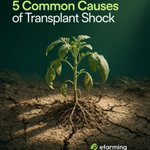
Transplanting can be stressful for young plants, especially when they are moved from the nursery to the field. Some common causes of transplant shock include: 1. Root damage during transplanting 2. Excessive heat and sunlight 3. Poor watering practices
1
4
5
28
4. Transplanting at the wrong stage 5. Sudden changes in growing conditions Proper handling and aftercare can help seedlings establish faster and reduce transplant losses. Have you experienced transplant shock in your nursery or farm?
3
9
Farming is more than planting and harvesting. It also involves making informed decisions. Proper farm record-keeping helps farmers track expenses, monitor productivity, calculate profits and losses, and plan better for future production. You cannot effectively manage what you
1
4
7
49
don't keep track of. Do you keep records of your farming activities?
11
Nigeria produces a lot of agricultural produce. Why do you think food remains so expensive?
1
5
60
Replying to @JoelSalatin
@JoelSalatin We’ve sent an email to your team and hope it has been received. We look forward to hearing your feedback. Kindly tag @JoelSalatin CC: @efarm_ing
3
4
13
413
Beekeeping is a potentially lucrative agricultural venture with opportunities beyond honey production. From beeswax and propolis to pollination services, bee farming offers several ways to generate income while contributing to environmental sustainability and food production.
1
5
8
92
However, like every agricultural enterprise, success requires proper knowledge, preparation and management.
3
20
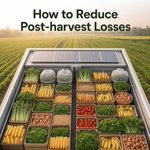
The losses farmers experience even after investing time, money and resources into crop production remain one of the major challenges facing farmers across the world. Reducing these losses requires strategic planning and proper farm management, from selecting quality inputs and
1
3
5
71
monitoring crop health to harvesting, storage and marketing. Increasing production is important, but protecting the value of what has already been produced is equally important. How can farmers better prepare to minimise losses and protect their investments?
1
16
Even oil is gotten from the soil.
What do you know about your soil?
1
6
280
What is one thing nobody told you about farming until you started? Sometimes, the reality of farming is quite different from what we imagine. Let's hear from farmers and agripreneurs. Share that one lesson you learned through experience.
2
10
56
A good harvest doesn't happen by chance. Several factors influence the quantity and quality of farm produce. Seed quality, soil fertility, water availability, weather conditions, pest and disease management, proper farm management and timely harvesting Every stage of production
1
3
10
88
matters, from planting to harvest. Which of these factors do you think has the greatest impact on harvest outcomes?
3
15
How has changing weather affected farming in your area? Weather conditions play a major role in crop growth and farm productivity. Excessive rainfall can cause flooding and root damage. Drought can lead to water stress and poor crop development. Extreme heat can affect flowering
2
4
9
65
and fruit formation. Insufficient sunlight can slow plant growth. High humidity can encourage fungal diseases. Farmers need to understand weather patterns and adjust their farming practices accordingly.
3
19
What do you know about your soil?
5
1
8
194
When that win that covers years of losses comes, I pray we live long enough to enjoy it with people who stood by us through those years.
6
5
67
1,059