

Fintech & Web3 expert and author of https://nitter.cf/t.co/bQ8S3sMq7o championing financial inclusion.
New York
Joined June 2011
- Tweets1.7K
- Following801
- Followers747
- Likes364






𝗧𝗵𝗲 𝗦𝗠𝗘 𝗖𝗿𝗶𝘀𝗶𝘀: 𝗘𝘂𝗿𝗼𝗽𝗲’𝘀 $𝟭 𝗧𝗿𝗶𝗹𝗹𝗶𝗼𝗻 𝗟𝗶𝗾𝘂𝗶𝗱𝗶𝘁𝘆 𝗗𝗿𝗮𝗴
Europe’s 25 million SMEs are the unsung heroes of the continent, employing two-thirds of the private sector workforce. Yet, their financial fragility is a ticking time bomb.

1
4

𝗙𝗿𝗼𝗺 𝗙𝗲𝗮𝘁𝘂𝗿𝗲 𝗙𝗮𝗰𝘁𝗼𝗿𝘆 𝘁𝗼 𝗔𝗴𝗲𝗻𝘁 𝗧𝗿𝗮𝗶𝗻𝗲𝗿: 𝗧𝗵𝗲 𝗟𝗲𝗮𝗱𝗲𝗿𝘀𝗵𝗶𝗽 𝗣𝗶𝘃𝗼𝘁
Inclusion is no longer just about giving someone an account number; it’s about enabling absolute financial agency.

The market is moving at breakneck speed, with agentic AI projected to explode into a multi-billion dollar market by 2033. Discover why executive leaders are shifting from building features to training autonomous agents. nitter.cf/erickpereda/status/211…

𝗙𝗿𝗼𝗺 𝗙𝗲𝗮𝘁𝘂𝗿𝗲 𝗙𝗮𝗰𝘁𝗼𝗿𝘆 𝘁𝗼 𝗔𝗴𝗲𝗻𝘁 𝗧𝗿𝗮𝗶𝗻𝗲𝗿: 𝗧𝗵𝗲 𝗟𝗲𝗮𝗱𝗲𝗿𝘀𝗵𝗶𝗽 𝗣𝗶𝘃𝗼𝘁
Inclusion is no longer just about giving someone an account number; it’s about enabling absolute financial agency.
3
Architecting the Global Economic Renaissance
The blueprint for a hyper-efficient, accountable financial future is live. By tokenizing assets and leveraging DLT, we can lower barriers for retail investors and move past the gatekeeper era.

It’s time to build a system that works for everyone. nitter.cf/erickpereda/status/211…
Architecting the Global Economic Renaissance
The blueprint for a hyper-efficient, accountable financial future is live. By tokenizing assets and leveraging DLT, we can lower barriers for retail investors and move past the gatekeeper era.
𝗧𝗵𝗲 𝗜𝗻𝗳𝗼𝗿𝗺𝗮𝘁𝗶𝗼𝗻 𝗔𝘀𝘆𝗺𝗺𝗲𝘁𝗿𝘆 𝗚𝗮𝗽: 𝗘𝗱𝘂𝗰𝗮𝘁𝗶𝗼𝗻 𝗮𝘀 𝗖𝗼𝗱𝗲
The "Poverty Tax" isn't just high fees—it's weaponized complexity.

In our latest piece for Ledger Impact, we explore how 'Fintech 2.0' replaces static financial literacy with personalized 'Education as Code.' AI agents are turning passive financial guidance into active contextual coaching, dismantling the gates built by legacy systems. nitter.cf/erickpereda/stat…
𝗧𝗵𝗲 𝗜𝗻𝗳𝗼𝗿𝗺𝗮𝘁𝗶𝗼𝗻 𝗔𝘀𝘆𝗺𝗺𝗲𝘁𝗿𝘆 𝗚𝗮𝗽: 𝗘𝗱𝘂𝗰𝗮𝘁𝗶𝗼𝗻 𝗮𝘀 𝗖𝗼𝗱𝗲
The "Poverty Tax" isn't just high fees—it's weaponized complexity.
4
𝗩𝗶𝗿𝘁𝘂𝗮𝗹 𝗖𝗼𝗹𝗹𝗲𝗰𝘁𝗶𝘃𝗲𝘀: 𝗔𝘂𝘁𝗼𝗺𝗮𝘁𝗶𝗻𝗴 𝘁𝗵𝗲 𝗟𝗲𝗻𝗱𝗶𝗻𝗴 𝗖𝗶𝗿𝗰𝗹𝗲
What happens when you combine community lending circles with autonomous AI agents? You get 'Virtual Credit Collectives'—a new model for automated, community-led financial governance.

𝗧𝗵𝗲 '𝗜𝗻𝘃𝗶𝘀𝗶𝗯𝗹𝗲 𝗕𝗿𝗶𝗱𝗴𝗲' 𝘁𝗼 𝗛𝗶𝗴𝗵-𝗚𝗿𝗼𝘄𝘁𝗵 𝗘𝗾𝘂𝗮𝗹𝗶𝘁𝘆
For too long, traditional finance viewed financial inclusion as charity, allowing monopoly-like models to thrive. They were wrong.

For years, the phrase "regulatory barrier" was a death knell for fintech startups. Scaling a global financial product meant drowning in fragmented national red tape, necessitating armies of compliance officers and infinite administrative bandwidth.
But that landscape is rapidly shifting. We are entering the era of "Regulation as Code."
Instead of viewing compliance as external friction, the new generation of fintechs—part of what we call the "Sovereign Engine"—is embedding governance directly into their core architecture. By utilizing AI to automate KYC, transaction monitoring, and risk management, startups are transforming compliance from a costly administrative burden into a sustainable competitive advantage.
The evidence of this shift is global. In Europe, innovators are leveraging frameworks like the EU AI Act to build "trust-by-design" infrastructure. Meanwhile, in emerging markets, startups like NayaPay in Pakistan and Xepelin in Latin America are bypassing legacy banking systems entirely, using mobile sovereignty to bring high-quality financial tools to millions who were previously excluded.
This shift is critical. As we transition from "walled garden" banking to an open, inclusive financial utility, the cost of regulatory compliance is plummeting. This isn't just about operational efficiency; it is about democratization. When you lower the barrier to entry for the builder, you dramatically expand the reach of the service for the user.
We aren’t just automating finance; we are engineering social mobility. The foundation of the 2030 financial landscape is being written in code today.
#Fintech #Innovation #RegulationAsCode #SovereignEngine #AI #FinancialInclusion #FutureOfFinance

ALT https://www.ledgerimpact.com/
𝗜𝘀 𝗩𝗲𝗻𝘁𝘂𝗿𝗲 𝗖𝗮𝗽𝗶𝘁𝗮𝗹 𝗕𝗿𝗼𝗸𝗲𝗻?
The venture capital status quo is failing underrepresented founders. In 2024, funding for female and Black-led startups remained critically low.

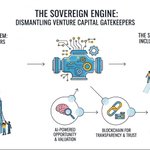
We’re proposing a shift: The Sovereign Engine uses AI and blockchain to dismantle gatekeepers and create a truly inclusive financial ecosystem. nitter.cf/erickpereda/status/211…
𝗜𝘀 𝗩𝗲𝗻𝘁𝘂𝗿𝗲 𝗖𝗮𝗽𝗶𝘁𝗮𝗹 𝗕𝗿𝗼𝗸𝗲𝗻?
The venture capital status quo is failing underrepresented founders. In 2024, funding for female and Black-led startups remained critically low.
1
The Agentic Revolution in Finance
We are witnessing a "Gutenberg moment" in financial architecture. By integrating AI underwriting with blockchain settlement, we can replace opaque, manual networking with transparent, algorithmic execution.

This is the future of equitable capital formation. nitter.cf/erickpereda/status/211…
The Agentic Revolution in Finance
We are witnessing a "Gutenberg moment" in financial architecture. By integrating AI underwriting with blockchain settlement, we can replace opaque, manual networking with transparent, algorithmic execution.
1
𝗙𝗿𝗼𝗺 𝗙𝗲𝗮𝘁𝘂𝗿𝗲 𝗙𝗮𝗰𝘁𝗼𝗿𝘆 𝘁𝗼 𝗔𝗴𝗲𝗻𝘁 𝗧𝗿𝗮𝗶𝗻𝗲𝗿: 𝗧𝗵𝗲 𝗟𝗲𝗮𝗱𝗲𝗿𝘀𝗵𝗶𝗽 𝗣𝗶𝘃𝗼𝘁
Founders and VCs, pay attention: the strategy has changed. The mandate for scaling financial solutions in the 21st-century economy is a radical management pivot.

𝗧𝗵𝗲 "𝗜𝗻𝘃𝗶𝘀𝗶𝗯𝗹𝗲 𝗕𝗿𝗶𝗱𝗴𝗲" 𝗖𝗼𝗻𝗰𝗲𝗽𝘁
Financial inclusion is evolving from simple account access to true financial agency.

For decades, the "Poverty Tax"—the hidden financial toll levied on the underbanked due to information asymmetry and rigid legacy systems—has functioned as an invisible gatekeeper.

𝗧𝗵𝗲 𝗜𝗻𝗰𝘂𝗺𝗯𝗲𝗻𝘁 𝗦𝘁𝗿𝗮𝗻𝗴𝗹𝗲𝗵𝗼𝗹𝗱 𝘃𝘀. 𝗧𝗵𝗲 𝗔𝘂𝘁𝗼𝗻𝗼𝗺𝗼𝘂𝘀 𝗙𝘂𝘁𝘂𝗿𝗲
The old banking guard is paralyzed. While they hide behind a mask of risk aversion, my latest analysis for Ledger Impact exposes how corporate inertia blocks financial innovation.

Blockchain provides the permissionless rails, but AI provides the execution interface. The architecture is shifting from passive databases to active, intelligent agents. Stop building features; start training agents. ledgerimpact.com/

3
𝗧𝗵𝗲 𝗙𝗶𝗻𝗮𝗻𝗰𝗶𝗮𝗹 𝗜𝗻𝗰𝗹𝘂𝘀𝗶𝗼𝗻 𝗮𝗻𝗱 𝗜𝗻𝗻𝗼𝘃𝗮𝘁𝗶𝗼𝗻 𝗔𝗻𝗴𝗹𝗲
We talk a lot about financial innovation, but how does the USA CLARITY Act actually impact access?


𝗧𝗵𝗲 𝗘𝗻𝗱 𝗼𝗳 𝗘𝘅𝘁𝗼𝗿𝘁𝗶𝗼𝗻: 𝗟𝗮𝘆𝗲𝗿 2 𝗦𝗰𝗮𝗹𝗶𝗻𝗴 𝗙𝗶𝗻𝗮𝗹𝗹𝘆 𝗠𝗮𝗸𝗲𝘀 𝗠𝗶𝗰𝗿𝗼-𝗧𝗿𝗮𝗻𝘀𝗮𝗰𝘁𝗶𝗼𝗻𝘀 𝗩𝗶𝗮𝗯𝗹𝗲 𝗳𝗼𝗿 𝗙𝗮𝗺𝗶𝗹𝗶𝗲𝘀.
Remember the early days of blockchain?

1
23

𝗬𝗼𝘂𝗿 𝗗𝗮𝘁𝗮, 𝗬𝗼𝘂𝗿 𝗣𝗮𝘀𝘀𝗽𝗼𝗿𝘁: 𝗛𝗼𝘄 𝗡𝗲𝘅𝘁-𝗚𝗲𝗻 𝗕𝗹𝗼𝗰𝗸𝗰𝗵𝗮𝗶𝗻 𝗜𝘀 𝗠𝗮𝗸𝗶𝗻𝗴 𝗙𝗶𝗻𝗮𝗻𝗰𝗶𝗮𝗹 𝗙𝗿𝗲𝗲𝗱𝗼𝗺 𝗮 𝗧𝗲𝗰𝗵𝗻𝗶𝗰𝗮𝗹 𝗚𝘂𝗮𝗿𝗮𝗻𝘁𝗲𝗲.

1
2
