
「總是想改變自己,努力向上,結果不順利又急躁生氣或傷心難過。其實他擁有非常傑出的東西、美好的東西。但到最後都對自己沒信心,光想著我必須這樣做,這個非改不可。真是可憐的 Kizuki。」 《挪威的森林》
Joined February 2016
- Tweets687
- Following41
- Followers894
- Likes753






王翰元 retweeted

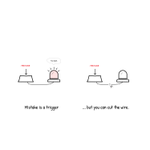
Emotional intelligence is not about avoiding strong reactions. It’s about being less reactive.
Reactions are hard to control—they’re rapid and visceral. Responses are easier to delay and modify.
A key to emotion regulation is expanding the distance between feelings and actions.

王翰元 retweeted

我很喜歡,東大名譽教授 上野千鶴子的開學致辭。
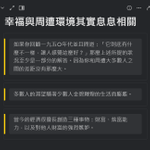
「到今天為止,你們應該都認為努力就有回報。之所以能夠認為努力就有回報,其實並不是你們努力的成果,而是拜環境所賜,這點希望你們不要忘記。你們能夠認為『努力就有回報』,都是因為一直以來所處的環境會給予你們鼓勵、推你們一把、助你們一臂之力,並對你們完成的結果給予肯定讚賞。但世上有很多人,他們是再努力也得不到回報、想努力也努力不了,或是努力過頭而弄壞身心。更有人是在努力之前,努力的意念就被『就憑你這樣』、『反正像我這樣』這些話語擊垮的。
你們的努力,請不要只用來讓自己往上爬。你們受到環境及天份的眷顧,請不要藉此貶低不受眷顧的人,而該拿來幫助這些人。」


王翰元 retweeted

At birth, success is being alive
At age 3, success is not pooping your pants
At age 10, success is having friends
At age 16, success is having a driver's license
At age 20, success is having sex
At age 30, success is having money.
At age 40, success is having money
At age 55, success is having sex
At age 70, success is having a driver's license
At age 75, success is having friends
At age 80, success is not pooping your pants
At age 90, success is being alive
We all start somewhere and finish where we start, time is the real success so use it wisely
王翰元 retweeted

開工第一天就用年度回顧來開啟(雖然現在在日本其實一直都在開工)!
寫到我決定回歸軟體工程師的決定、對焦慮的疲乏、不再拿尚未發生的糟糕未來懲罰自己、鄉下打工半年感受到活著就是吃飽睡好,以及逃避並不可恥,離開若是為了尋找一個更適合自己的地方並不是罪。
parkerchang.life/life/2025-2…

王翰元 retweeted

【2025 年末問答(下)】
上篇寫完初版來不及修,但年末就要結束了,先來發下篇!謝謝所有以任何形式給予我愛的人,希望我也能成為更有能力愛這個世界的人。
歡迎來讀:yaxuanhe.me/post/2025-qa-2/
有任何能引發你共鳴的地方,歡迎回覆來信:)


王翰元 retweeted
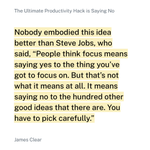
Success is not about finishing everything you start. It’s about knowing when to grit and when to quit.
235 studies: When people adjust their goals and plans in the face of challenges, they make more progress—and feel less depressed and anxious.
The ultimate flex is flexibility.


王翰元 retweeted
人在異鄉,對「家」的想法特別強烈,但其實台灣我也沒有一個可以回去的「家」,住的地方可能還是可以借住親戚家跟朋友家,但那些不會是我的家。
在這篇文章我會用自問自答的方式來分享目前對於家的想像,未來希望如何追尋我的「家」。
parkerchang.life/life/after-…

王翰元 retweeted
【令我憧憬的存在】
- 能夠幫助他人的人
- 溫柔的人
- 讓事情變得好玩的人
歡迎來讀:yaxuanhe.me/post/ideal/


王翰元 retweeted

到底為什麼自己這麼喜歡嗑 CP 啊 🫨
紀念整個四月都在看別人談戀愛的行為觀察記錄
minw.blog/article/about-cp/

王翰元 retweeted
【世界是內心感受的投射】
「當我感覺自己很失敗時,同時也會感受到世界的敵意蜂擁而至。」
歡迎來讀:yaxuanhe.me/post/reflection/
王翰元 retweeted
It’s more important to be kind than polite.
Politeness favors courtesy. We offer compliments and avoid critiques. The goal is to make others feel good today.
Kindness prizes care. We’re not afraid to dish out tough love. The goal is to help others do better tomorrow.
王翰元 retweeted

Some people today are discouraging others from learning programming on the grounds AI will automate it. This advice will be seen as some of the worst career advice ever given. I disagree with the Turing Award and Nobel prize winner who wrote, “It is far more likely that the programming occupation will become extinct [...] than that it will become all-powerful. More and more, computers will program themselves.” Statements discouraging people from learning to code are harmful!
In the 1960s, when programming moved from punchcards (where a programmer had to laboriously make holes in physical cards to write code character by character) to keyboards with terminals, programming became easier. And that made it a better time than before to begin programming. Yet it was in this era that Nobel laureate Herb Simon wrote the words quoted in the first paragraph. Today’s arguments not to learn to code continue to echo his comment.
As coding becomes easier, more people should code, not fewer!
Over the past few decades, as programming has moved from assembly language to higher-level languages like C, from desktop to cloud, from raw text editors to IDEs to AI assisted coding where sometimes one barely even looks at the generated code (which some coders recently started to call vibe coding), it is getting easier with each step.
I wrote previously that I see tech-savvy people coordinating AI tools to move toward being 10x professionals — individuals who have 10 times the impact of the average person in their field. I am increasingly convinced that the best way for many people to accomplish this is not to be just consumers of AI applications, but to learn enough coding to use AI-assisted coding tools effectively.
One question I’m asked most often is what someone should do who is worried about job displacement by AI. My answer is: Learn about AI and take control of it, because one of the most important skills in the future will be the ability to tell a computer exactly what you want, so it can do that for you. Coding (or getting AI to code for you) is a great way to do that.
When I was working on the course Generative AI for Everyone and needed to generate AI artwork for the background images, I worked with a collaborator who had studied art history and knew the language of art. He prompted Midjourney with terminology based on the historical style, palette, artist inspiration and so on — using the language of art — to get the result he wanted. I didn’t know this language, and my paltry attempts at prompting could not deliver as effective a result.
Similarly, scientists, analysts, marketers, recruiters, and people of a wide range of professions who understand the language of software through their knowledge of coding can tell an LLM or an AI-enabled IDE what they want much more precisely, and get much better results. As these tools are continuing to make coding easier, this is the best time yet to learn to code, to learn the language of software, and learn to make computers do exactly what you want them to do.
[Original text: deeplearning.ai/the-batch/is… ]

