
CSS is for girls and exceptionally smart boys.
paris
Joined April 2009
- Tweets3.4K
- Following91
- Followers79
- Likes133









(((ghazal parvati))) retweeted

O aluno: “professor, mas pra que preciso estudar Física mesmo? Vai servir de alguma coisa na minha vida?
A vaca: 👇


(((ghazal parvati))) retweeted

Mes compatriotes sont définitivement cinglés 🤡
Chaque année à Folkestone des centaines de personnes, femmes et hommes, se déguisent en Kate Bush avec robe rouge et perruque afin de recréer son tube de 1978 "Wuthering Heights" (les Hauts de Hurlevent)
❤️🇬🇧
(((ghazal parvati))) retweeted

Des dizaines de tracteurs affluent vers Bordeaux avec des citernes pour prêter main forte aux pompiers. C'est ça, la France ! ❤️🇲🇫
(((ghazal parvati))) retweeted

Nolan’s ‘The Odyssey’ sparked unexpected controversy when one of the Viking ships used during production, an authentic, hand‑built replica owned by a small maritime heritage non‑profit, was returned with significant structural damage. The vessel, normally maintained through volunteer labor and modest donations, had been loaned out under the assumption that a major studio would treat it with care and cover any repairs. Instead, the organization found cracked planks, warped ribs, and a ruined sail system that would cost more than their annual operating budget to fix.
The non‑profit reached out to the production team repeatedly, hoping for a straightforward reimbursement or at least a conversation. What they encountered instead was silence. Emails went unanswered, calls were redirected, and the studio’s representatives insisted the damage was “pre‑existing,” despite photographic documentation taken before filming. For a group dedicated to preserving Viking‑age craftsmanship, the dismissal felt not just financially devastating but deeply disrespectful.
As the story spread among local historians and maritime enthusiasts, frustration grew. Volunteers who had spent years restoring the ship felt betrayed, watching a Hollywood epic profit from their work while leaving them with a broken artifact they could no longer sail or display. The incident became a symbol of the imbalance between massive film productions and the small cultural institutions they rely on, raising uncomfortable questions about responsibility, preservation, and the true cost of cinematic authenticity.
The damaged Viking ship had actually been restored using traditional clinker‑building techniques, meaning every plank was hand‑shaped and overlapped the next, so repairing even a “small” crack requires a specialist craftsman and days of labor. That’s why the non‑profit wasn’t just upset about the cost; the damage erased work done with skills that only a handful of artisans still practice today.
#archaeohistories


(((ghazal parvati))) retweeted
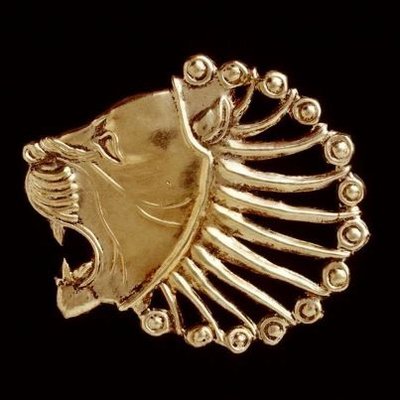
Archaeologists digging through Viking-age settlements in northern Germany kept finding cats. Not local cats.
The bones dated to somewhere between 700 and 1000 AD. But the DNA told a stranger story than anyone expected.
In 2017, a team led by Claudio Ottoni published a large genetic study of ancient cat remains from sites across Europe. When they analyzed the Viking-era specimens from northern Germany, the mitochondrial DNA pointed clearly to the Near East and Egypt, lineages that had no business being that far north at that point in history.
The most likely explanation: the cats had sailed there.
Norse seafarers kept cats aboard their vessels for the same reason every maritime culture did. A ship carrying grain is also carrying rats. A ship carrying rats loses its provisions. A ship with a good cat keeps both the grain and the crew fed.
What made these particular cats remarkable was the distance they had traveled. Egyptian and Near Eastern cats, aboard Viking longships, moving north through trade routes and raiding routes across several centuries.
And when they reached shore, they were not treated as working tools.
A number of these animals were buried with care. The skeletal record suggests they were valued, not just useful. In several sites, cat bones appear alongside human graves, which researchers read as deliberate placement, not coincidence.
Over generations, something else happened: the cats grew larger. The remains show a gradual increase in body size across the Viking age, which researchers connect to better feeding and, possibly, selective pressure aboard ship.
Some researchers have noted that these ancient imported cats may sit near the base of what eventually became the Norwegian Forest Cat: the large, thick-coated breed that Scandinavians would later call the skogkatt, the forest cat.
If that lineage holds, one of the most beloved cat breeds in the world traces part of its ancestry to Egyptian mousers who crossed the North Sea on longships more than a thousand years ago.
The Norse sagas mention wolves. They mention ravens. They mention bears.
Nobody wrote down the cats.
Would you have brought one aboard?
One thing the Ottoni study left open: whether these Egyptian and Near Eastern cats arrived in a single wave or spread gradually across multiple journeys over centuries. The genetic data points to a slow maritime dispersal, ship by ship, port by port, across the Viking world.
#drthehistories

(((ghazal parvati))) retweeted

The Joomla! Project is pleased to announce the release of Joomla 6.1.2 and Joomla 5.4.7. These are security & bugfix releases for the Joomla 5.x and 6.x series.
ow.ly/qxtf50Zkz6Z
#Joomla #CMS #OpenSource #Release

ALT Official Joomla update notification for versions 6.1.2 and 5.4.7 focusing on security and bug fixes.

(((ghazal parvati))) retweeted

📢 The June issue of the Joomla Community Magazine is out!
Featuring:
• Quiet features of Joomla 6.1
• Joomla User Groups
• Leadership interview
• And more
Practical tips, community stories, and fresh perspectives. 👇
magazine.joomla.org/issues/2…
#Joomla #JCM #OpenSource

(((ghazal parvati))) retweeted

I absolutely fckn love this 💪🏼🏴🏴🏴 nitter.cf/carolk23/status/206502…
(((ghazal parvati))) retweeted

The number of hacked Joomla sites continues to grow daily as the JCE hack continues to gather pace. Here is a graph of the number of discovered hacked sites connected to mySites.guru in the last few days - as you can see its just getting worse. If you have not already, upgrade JCE Editor, and fully audit your site for backdoor php shells - mySites.guru does this for you :-)
- mysites.guru/jce-hack/

