

Assistant Curator of Mammals | Sam Noble Museum | Assistant Professor of Biology | University of Oklahoma
Norman, Oklahoma
Joined June 2009
- Tweets742
- Following426
- Followers301
- Likes2.2K



Travel to conferences is so important for building collaborations but incredibly expensive, especially when exchange rates aren’t in your favor! Chip in a bit and help our colleagues in the global south make it to the IMC meetings this year!
This post is from an account that no longer exists. Learn more


Hey #ASMTucson students and postdocs, do you know about Meal with a Mammalogist? Sign up across from the AZ ballroom to chat with a mammalogist over breakfast or lunch.


Lots of great advice in here! As we come into summer conference season give some thought to how you are conveying information with your slides!

A thread on designing visually appealing slides. There are lots of great books/websites/videos about making slide presentations—this thread will focus on quick visual design tips that are easy to employ. Compiled by @__Matt_Carter__ . 🧵1/25

ALT "Before and After" examples of slide design
4
What do you call a squirrel? Lots of interesting history in these names!

#ICYMI we have a new blog post up! Follow the link in bio to find our website and blog page! This one is all about the etymology of squirrels around the globe and through time!
#HotSquirrelSummer #ASM2022 #squirrelblog #whatsinaname #squirrelscrolling #🐿️

1
Looking forward to hearing about cool squirrel science! @STEMSquirrels
This quoted post is unavailable.
Anyone looking for roommates for #ASMtucson?
This post is from an account that no longer exists. Learn more
2
Really excited to have this come out! In it @addisongallen uses stable isotopes and mark-recapture data to evaluate the role of competitive release in shaping community dynamics during fire succession.

New in @ESAEcology:
Competitive release during fire succession influences ecological turnover in a small mammal community
doi.org/10.1002/ecy.3733
With #OpenData in @OSFramework
#EcologicalCompetition
#DisturbanceEcology
#CollectionsAreEssential
#FireDisturbance
#Peromyscus

ALT Predicted shifts in dietary niche space of red-backed voles and deermice under optimal foraging theory, where each species exhibits a narrow dietary niche in its preferred habitat, and competitive release, where post-fire release from vole competition permits deermouse niche expansion. Vole dietary niche breadth may be reduced if deermouse populations exert competitive pressure on the remaining voles
Taxation on graduate student research grants is truly problematic, and something few institutions help you deal with well. Useful advice on how to report what is not actually income!

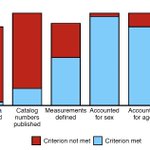
Bottom line: MOST studies of body size change are NOT repeatable and cannot be augmented without re-taking measurements (assuming that the catalog numbers have been published, which would at least allow for replication).

ALT A bar graph showing the number of studies that met criteria for repeatability when using specimens from natural history collections.

Excited for my PhD student Miranda Theriot's first paper, which focuses on the best practices for using collections to understand body size change over time. #collectionsAreEssential #anthropocene
besjournals.onlinelibrary.wi…

Excited for my PhD student Miranda Theriot's first paper, which focuses on the best practices for using collections to understand body size change over time. #collectionsAreEssential #anthropocene
besjournals.onlinelibrary.wi…
So important! #collectionsAreEssential

@STEMSquirrels Any ideas?

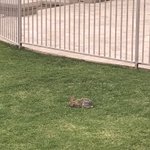
Squirrels drink nectar!? Student in our class filmed this squirrel picking flowers then biting the base of the corolla, near the nectary. Has anyone observed this behavior before?
2
Such an important point! This seemingly simple information is so critical to understanding disease dynamics.

"Here we report that North American deer mice (Peromyscus maniculatus) are susceptible to SARS-CoV-2 infection following intranasal exposure to a human isolate"
But if we consider that P. maniculatus is actually now 5 different species, the plot thickens
nature.com/articles/s41467-0…

3
And on top of all that a fantastic scientist doing cool behavioral research! We’ve been so privileged to work with @TraiSpikes_90. Well deserved!

Trai is a doctoral student in the Department of Biology. Trai has shown remarkable initiative & effectiveness in leading a change in the culture of the Department of Biology, & in science more generally at OU. Trai was central in creating a STEM Inclusion Council (SIC), an 1/6

4
@johannavarner Did your sites that burned have camera traps?
This post is from an account that no longer exists. Learn more
1