

Présent depuis 1960. Mon pseudo "imposture" est une ruine de 2004, temps héroïques des blogs, trop long à expliquer ici. Pour le reste, voir le tweet épinglé.👇
Angers après 30 ans de Paris.
Joined May 2009
- Tweets40.5K
- Following396
- Followers1.5K
- Likes28.3K




François Roque🎸🎬 retweeted
Hospitalisé depuis un mois suite à une dégradation très grave de ma maladie (ceux qui savent savent) avec de faibles chances de retour à une vie normale, un petit coucou à ceux avec qui j’ai échangé, partagé passions, ciné, réclames, musique, schnockeries et conneries toutes ces années ici.
Peut être que la vie moins pute me laissera une petite chance de vous "retrouver".
❤️ et amour à ceux qui savent.
(Et j’encule l’écriture inclusive.)
François Roque🎸🎬 retweeted

Edison conceived the idea and Dickson did most of the hands-on work, with Brown assisting him in experimentation and development.
This work took place within the broader collaborative environment of Edison’s West Orange lab, where projects such as motion picture cameras and viewing machines were emerging alongside other inventions. Modern historians generally credit Dickson as principal developer (and rightly so).
Edison, as was his habit, took the overall credit for the inventions developed under his supervision. Charles A. Brown of the Edison lab is not the same person as Harold P. Brown, the electrical engineer and anti-Alternating Currents campaigner associated with Edison’s ‘War of Currents’ era.
By 1890–1891, the lab’s earliest practical tests (e.g., the Monkeyshines series) are documented as being shot by Dickson with William Heise, not Brown. The only solid historical trace of Charles A. Brown is at the start of the commencement of motion picture R&D.


1880s-1890s
WHO WAS CHARLES A. BROWN
A NAME THAT DESERVES RECOGNITION
Charles Brown was an assistant in Thomas Edison’s research company known as Edison Manufacturing and specifically helped William K. L. Dickson on the early motion picture work at West Orange, New Jersey.
He is rarely and if ever spoken of, but sometimes cited in historical accounts of the development of the Kinetograph and Kinetoscope, where Dickson, Edison’s principal motion picture researcher, had Brown as one of his assistants during the formative period of motion picture technology in the late 1880s and early 1890s.


François Roque🎸🎬 retweeted
Il suffit d'être curieux, un peu cinéphile…
nitter.cf/AntoineGoya/status/206…


François Roque🎸🎬 retweeted
Sans oublier "Sledgehammer" accompagné d'un des clips les plus dingues des 80's, grande époque du feu d'artifice MTV.
nitter.cf/imposture/status/19152…

François Roque🎸🎬 retweeted
2017.
Quand Michel Gondry frappait encore avec sa redoutable et habituelle simplexité pour Pandora, webradio interdite depuis hors des USA.
François Roque🎸🎬 retweeted

A sprayed back and burst effect adds the perfect finishing touch to the Blood Orange finish on this Custom 24 Mango Top Limited Edition 🍊
François Roque🎸🎬 retweeted

ニャッキの伊藤有壱さんにお声掛け頂き、コマ撮りの展覧会に一作家として参加しています。私はコマ撮り分野ではない場所から活動をはじめて、デザインの視点でのコマ撮りに取り組んできましたが、今回初めてコマ撮り界の本丸の方々とご一緒でき嬉しいです。今6年目のマッチ撮影素材等を展示しています
François Roque🎸🎬 retweeted

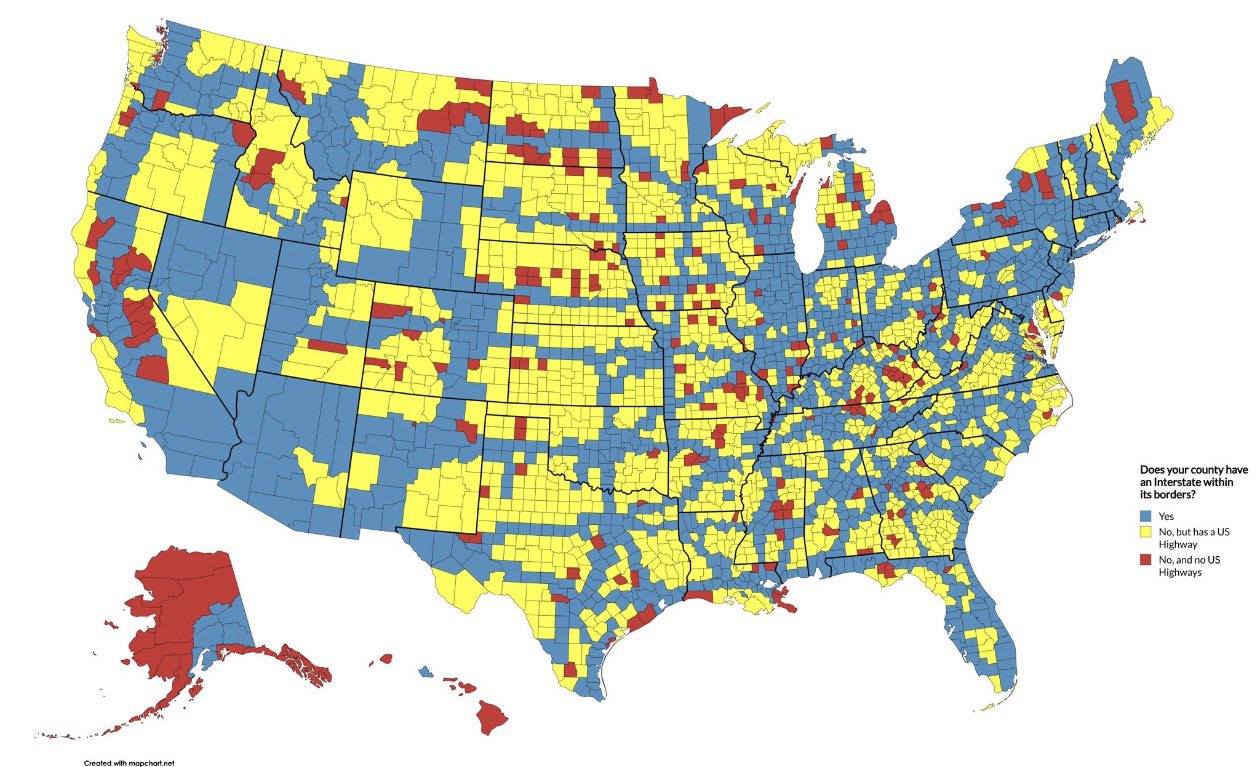
A behind the scenes photo of actor Kurt Russell & director John Carpenter on the set of ESCAPE FROM NEW YORK (1981).




François Roque🎸🎬 retweeted

Jerry Lee Lewis - Chantilly Lace/Whole Lotta Shakin’ Goin’ On
The Killer, looking even more crazed with a beard, a rock ‘n’ roll animal to his bones. Total confidence, a complete mastery of his instrument, and he never changed.
Old Grey Whistle Test. 1972.
François Roque🎸🎬 retweeted

The way the Millennium Falcon cockpit is just a B-29 bomber with some extra seats is so illustrative of George Lucas' singular genius in taking all the movie genres he loved (WW2 air combat, samurai, Western, spy thriller) and blending them together into one spicy gumbo.


