

Medical Doctor ⚕️ | Evidence over opinion | Tweets are for learning purposes | Answering your questions before you even get to ask | MedPeds
Nigeria
Joined January 2026
- Tweets10.9K
- Following620
- Followers10.7K
- Likes17.7K


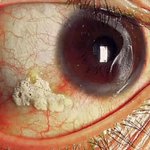


Other warning signs include:
• Kidney failure: swollen legs, reduced urine or persistent nausea.
• Severe acid reflux or ulcers: burning chest pain, abdominal pain, vomiting blood or black stools.
• Pneumonia: fever, cough, chest pain or difficulty breathing.
Have you ever had normal blood pressure at home, only for it to shoot up when you visit the hospital?
This is called WHITE-COAT HYPERTENSION.
• Imagine your body has an alarm system. Whenever you feel afraid or anxious, your brain releases chemicals like adrenaline. These chemicals make your heart beat faster and cause your blood vessels to tighten. Your blood pressure rises temporarily.
Once you leave the hospital and relax at home, the alarm switches off, and your blood pressure returns to normal.
• What should you do?
Don't panic, but don't ignore it either.
Your doctor may ask you to check your blood pressure regularly at home or wear a device that measures it over 24 hours.
If your readings remain normal outside the hospital, you may not need blood pressure medication immediately. Your doctor will assess your overall risk and decide what is best for you.
• Take-home message:
A high blood pressure reading at the hospital does not always mean you have persistent hypertension.
However, proper monitoring is important because white-coat hypertension can still carry cardiovascular risks.
Dr. Yonni retweeted

THE EVERYDAY HABITS QUIETLY DAMAGING YOUR KIDNEYS (AND HOW TO PROTECT THEM)
A thread

CETIRIZINE (sleepy sleepy):
1️⃣ Runny nose, sneezing, itching, dust allergy. Fast but sleepy.
2️⃣ Take at night with water. Avoid alcohol & driving.
3️⃣ Safety: Kidney failure, dry mouth, weight gain with long use.
LORATADINE (Awake):
LORATADINE (Awake and going):
1️⃣ Same allergies, less sleepy. Best for day, office & students.
2️⃣ Take with water, with or without food. Avoid alcohol.
3️⃣ Safety: Less drowsiness & dry mouth. Pregnancy: ask your doctor. Suitable for long term use when needed.
Just know that: Cetirizine hits hard in under 1 hour to crush sudden itching, but carries a noticeable risk of brain fog. Loratadine takes longer to kick in, but keeps you completely alert for driving or exams.
Take home: Cetirizine for fast heavy relief, Loratadine for clear headed days.
You find a 1-year-old child choking after putting a peanut in the mouth. The mother is crying. You find the child drowsy with a weak cough.
What are you doing immediately?
A. 5 rescue breaths
B. 5 back blows, then 5 chest thrusts
C. Tell the child to cough harder
D. Wait it out

Quick Steps to Take:
1) Shout for help: Have the mother or a bystander call emergency services immediately.
2) 5 Back Blows: Support the child in a head-down, prone position (across your lap or along your forearm) while supporting their jaw. Deliver up to 5 firm blows between the shoulder blades using the heel of your hand.
3) 5 Chest Thrusts: If the peanut doesn't dislodge, turn the child face-up. Provide 5 sharp downward thrusts on the lower half of the breastbone (using two fingers or the heel of your hand depending on the child's size).
4) Repeat: Keep alternating 5 back blows and 5 thrusts until the object comes out or the child becomes unresponsive (at which point you would immediately begin CPR).
We all got it right ✅️
The answer is C. Sildenafil + Nitroglycerin
Why did he faint?
Sildenafil, used to treat erectile dysfunction, and nitroglycerin, used for chest pain, both widen blood vessels.
Here is what happens:
Nitroglycerin increases a chemical called cGMP, which relaxes blood vessel walls. Sildenafil blocks the enzyme PDE-5, which normally breaks down cGMP.
When taken together, cGMP accumulates excessively, causing blood vessels to widen too much. Blood pressure can fall dangerously low, reducing blood flow to the brain and causing fainting, shock or even death.
This combination is strictly contraindicated. Never take these drugs together.
This is why your drug history matters. Always tell your doctor about every medication you take, including herbal remedies and drugs for sexual performance. A drug that seems harmless on its own can become dangerous when combined with another.
If you have erectile dysfunction, consult a doctor rather than self-medicating. It can sometimes signal underlying conditions such as diabetes or cardiovascular disease.
The right drug, taken safely, can save your life... but taking some meds wrongly can land you in serious issues.
The profile of male infertility is evolving.
He thought his wife was the cause of their INFERTILITY for years, but his occupation was a major factor. They later conceived naturally after a few months and now have 3 children.
I'm so surprised a lot of people don't know this ⬇️
The good news is that heat-related impairment of sperm production is often reversible.
Because sperm development takes approximately 74 days, recovery may take three months or longer after reducing excessive heat exposure.