

Helping people live longer, healthier lives. Views my own. ❤️Serve one another in LOVE❤️
Melbourne
Joined February 2011
- Tweets2.9K
- Following126
- Followers1.3K
- Likes1.2K



Day 9 of my one-food-a-day reading challenge:
Navy beans — a cheap, practical upgrade for gut, cholesterol & cancer-risk context 🫘
• Fibre + resistant starch feed beneficial gut bacteria
• Daily cup ↑ microbial diversity + Bifidobacterium & Faecalibacterium (BE GONE RCT)
• Linked to better markers in people with colorectal polyp/cancer history
• Regular pulse intake modestly lowers LDL cholesterol (meta-analysis)
References:
Zhang et al. EBioMedicine. 2023;98:104873. PMID: 38040541.
Kadyan et al. Nutrients. 2022;14(9):1726. PMID: 35565693.
Ha et al. CMAJ. 2014;186(8):E252-62. PMID: 24710915.

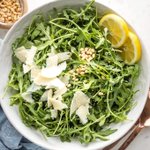
Day 8 of my one-food-a-day reading challenge: pine nuts 🌲
Today I was reading Dr. William Li’s Eat to Beat Disease. Pine nuts are one of the nuts/seeds he highlights.
A large European EPIC study (478,040 people) found that among women, those in the highest nut and seed intake group (>6.2 g/day) had a 31% lower relative risk of colon cancer compared with non-consumers (HR 0.69, 95% CI 0.50–0.95). No significant association was seen in men or in the overall population.
Next time you make a salad, pasta, or vegetable dish, sprinkle on some toasted pine nuts — they add great flavor and may offer an extra health benefit 😋.
References
- William W. Li. Eat to Beat Disease
- Jenab M, Ferrari P, Slimani N, Norat T, Casagrande C, Overvad K, et al. Association of nut and seed intake with colorectal cancer risk in the European Prospective Investigation into Cancer and Nutrition. Cancer Epidemiol Biomarkers Prev. 2004;13(10):1595–1603.

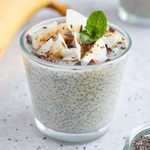
Day 7 of my one-food-a-day reading challenge: chia seeds 🌱
From Eat to Beat Disease: these tiny seeds contain dietary fiber (which feeds gut bacteria) and lignans (plant bioactives).
A 2025 meta-analysis of 8 RCTs (372 adults) found chia linked to lower BP on average vs controls: SBP ~5.6 mmHg, DBP ~7.5 mmHg.
Don’t overlook the little seeds when exploring plant foods. 🌱
#OneFoodADay #ChiaSeeds #EatToBeatDisease #ReadingNotes
References
- Li WW. Eat to Beat Disease. 2019. Grains and Seeds.
- Saadh MJ et al. Clin Ther. 2025;47(2):168-175. PMID: 39672763.

Day 6 of my one-food-a-day reading challenge: seafood 🐟
In Eat to Beat Disease, Dr. William Li connects seafood with longevity and lower cancer risk.
Key findings he cites:
🦐Singapore study (35k women): ~3 oz daily fish/shellfish → 26% lower breast cancer risk
🦐EPIC study: >80g fish/day vs <10g → 31% lower colorectal cancer risk
Sources: Gago-Dominguez et al. (Br J Cancer, 2003); Norat et al. (J Natl Cancer Inst, 2005).

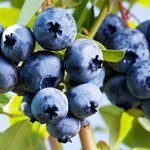
Day 5 of my one-food-a-day reading challenge: blueberries 🫐
Eat to Beat Disease highlights delphinidin — an antiangiogenic anthocyanin in blueberries.
A 2013 study of 75,929 postmenopausal women found ≥1 serving/week linked to 31% lower ER-negative breast cancer risk vs none (RR 0.69).
Fung et al., Breast Cancer Res Treat 2013.
pmc.ncbi.nlm.nih.gov/article…
#Blueberries #EatToBeatDisease #NutritionScience

Dr Mena Ning WANG, PhD retweeted

🫀 Can coronary atherosclerosis actually regress?
Our new randomized FLOWPROMOTE trial analysis, published TODAY in JAMA Cardiology, shows remarkable coronary plaque regression with intensive LDL-C lowering!
Atherosclerosis is not necessarily a one-way process.
📄 JAMA Cardiology:
doi.org/10.1001/jamacardio.2…
#Atherosclerosis #LDL #Cardiology #CCTA

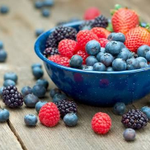
Day 4 of my one-food-a-day reading challenge: berries 🍓
A small daily handful may do more than you think. Dr. William Li’s Eat to Beat Disease highlights their antiangiogenic compounds and cites the EPIC study, which linked each extra 25 g/day to a 22% lower lung cancer risk (after calibration).
Büchner et al., Cancer Causes Control. 2010.

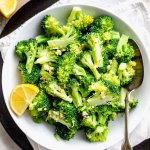
Day 3 of my one-food-a-day reading challenge: broccoli 🥦
In Eat to Beat Disease, Dr. William Li cites lower cancer risks linked to broccoli:
- non-Hodgkin lymphoma: 40%
- lung: 28%
- breast: 17%
- ovarian: 33%
- esophageal: 31%
- melanoma: 28%

image from this yummy-looking recipe: healthyseasonalrecipes.com/e…


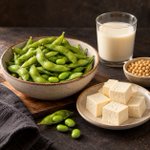
Day 1 of my one-food-a-day reading challenge: soy 🫛
In Eat to Beat Disease, Dr. William Li links soy foods with lower risks of breast cancer, prostate adenocarcinoma and coronary heart disease.
Edamame, tofu, soy milk, miso, natto… one bean, so many forms!
🤖 Made with AI

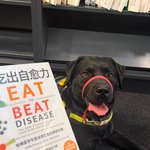
Reading Dr. William Li’s Eat to Beat Disease has me excited about food 😂 So I’m setting myself a little challenge: share one food from the book each day, with a short note on what he says about it. Starting here —with a furry witness 🌱🐾

Your LDL is creeping up again — does that mean yet more foods to avoid?
What if there are everyday foods you can eat that help lower bad cholesterol?
In this article, I looked at three of them, backed by rigorous studies, with simple, practical ways to use them in your kitchen.
Link to the article: medium.com/health-science/th…


Did you know 50% of people who die of a heart attack have no prior symptoms? 🫀
Here are my 3 key takeaways from @HillaryLinMD’s video “The Heart Attack You Won’t See Coming,” a must-watch for anyone focused on cardiovascular prevention. 👇
2️⃣ ApoB can reveal what LDL-C misses.
It reflects the number of atherogenic particles in your blood. These particles can enter and become trapped in artery walls, driving plaque buildup.
3️⃣ Build a margin of safety for prevention.
A “normal” or green result on your lab report doesn’t mean zero risk. Just as engineers build a margin of safety into a bridge to withstand an earthquake, think of lowering ApoB further as creating a buffer for your arteries: less “fuel” for plaque when stress, poor sleep, or inflammation add strain.
Work with your doctor to set personal targets early based on your overall risk. ❤️
📺 Full video: youtu.be/fX33g1zFZSo

