

🎾
Srbija, Beograd
Joined September 2022
- Tweets6.3K
- Following371
- Followers192
- Likes71.4K









FeodorTheGrand retweeted

Reconstruction of a Vyatichi woman’s attire.
The Vyatichi were an East Slavic tribal union that inhabited the Upper and Middle Oka and Upper Don river basins from the 8th to the 13th centuries, in what is now central and western Russia.
Their archaeological remains are generally associated with the Borshchevo archaeological culture.


FeodorTheGrand retweeted

⚔️13th Century Novgorodian Druzhina
A druzhina is the Slavic word for a retinue in service of a chieftain, also called a knyaz (prince).
The wealthy and well equipped Boyar in the 1st illustration would be a senior druzhinnik (single member of a the Druzhina).
The Slavic equivalent (somewhat; they were different ofc but performed very similar functions) to Western Feudal Knights, the druzhina were basically divided into the senior druzhina (influential boyars and close advisors who held top administrative and political roles) and the junior druzhina (younger warriors, guards, and household retainers).
Unlike Western European feudal knights (and this varied slightly by region and time of course) whom were generally bound to their Lord and bound by rigid oaths of fealty, druzhina members generally maintained a personal bond with the prince and could freely enter or leave service based on merit or reward.


FeodorTheGrand retweeted

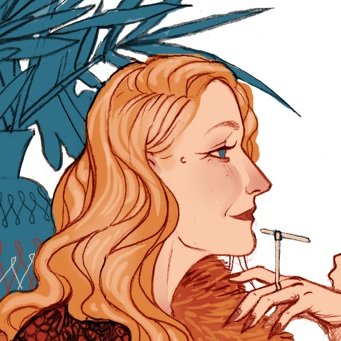
Traditional South Russian horned ornamental 'kitchka' headdresses are pretty sick.




FeodorTheGrand retweeted
Reconstruction of the traditional clothing of the ancient Slavic Vyatichi tribe (9th–11th centuries).
They inhabited areas of present-day Russia, including the Moscow, Bryansk, Kaluga, Oryol, Ryazan, Smolensk, Tula, Voronezh, and Lipetsk regions.


FeodorTheGrand retweeted
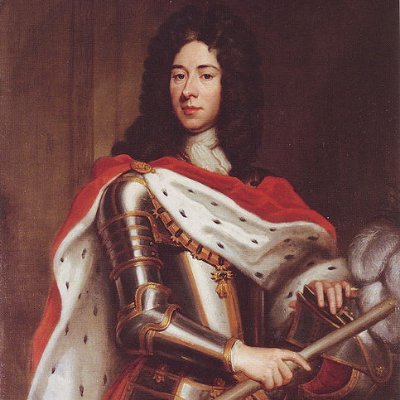
A depiction of a 17th century Russian strelets armed with a musket and a bardiche for close combat fighting.
These troops were initially formed around 1550 by Ivan the Terrible as an elite Russian professional firearm infantry.
By 17th century streltsy became a larger hereditary military caste as service became lifelong and passed down in families. They lived in special settlements (slobody) and received pay or land. However due to meager means of living they started combining their military life with trade, crafts, and farming to survive.
This dual civilian-military life gradually decreased their military effectiveness and their importance declined in 17th century as Western-style regiments expanded and took over most campaign roles, while the streltsy increasingly served as garrison and police forces. The discontent streltsy revolted twice over pay and status, and after their second revolt in 1698, Peter the Great essentially crushed them, executing and deporting many of them.
Streltsy can ultimately be seen as a transition of Russian military into early modern age.
Troops with a very interesting aesthetic that eventually outlived their purpose.





FeodorTheGrand retweeted

С днём Ивана Купалы 🌾
С 6 по 7 границы между мирами становятся тоньше и такие нечисти как Ведьмы, Колдуны, Русалки, Водяные, Лешие, Оборотни и прочая нежить бушует.В эти дни привычный мир переворачивается.
В честь этого расскажу поподробнее о райских птицах Сирин и Алконосте⬇️:

