





Pinned Tweet
"People who do not have deep down feeling of self-importance are slated for mediocracy." -Napoleon Hill
MRJGP retweeted
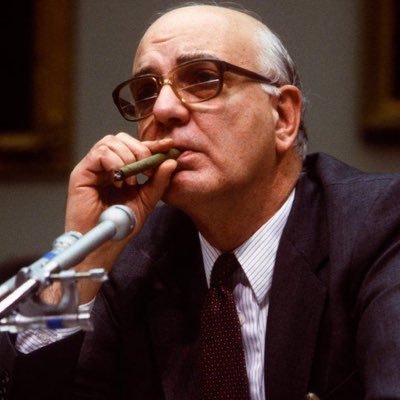
TRUMP: "Kim Jong Un used to call Joe Biden a MENTALLY RETARDED PERSON. He was so nasty to Joe, it was terrible really." nitter.cf/blondesnmoney/status/2…
Who’s going to buy Sennas first F1 car?
1984 Toleman TG183B | The Monaco Auction 2026 | RM Sotheby's rmsothebys.com/auctions/mc26…


Peloton (pton) didn’t win because of bikes.
It won because of belonging.
During COVID, Peloton turned isolation into community—live classes, instructor callouts, shared suffering through a screen. That moment is over.
Give us a lower-cost tier:
• Metrics
• Progress tracking
• Challenges
• Personal records
No classes. No instructors. Just data and accountability.
I’ve owned my Peloton since 2019.
I’ve never taken a live class.
I ride on my time, on my terms—and I know I’m not alone.
Live classes still matter—for some.
That’s what Peloton was built on.
But they shouldn’t be mandatory for everyone.
Peloton should lean into challenges, games, and AI benchmarks.
Let the screen become a scoreboard—not a stage.
The only competition that truly works is:
• You vs yesterday
• You vs your PR
• You vs the machine
Self-competition scales. Social competition doesn’t.
Peloton has a hidden problem: calibration.
Every bike is slightly different. That makes rider-vs-rider competition inherently unfair—and eventually demotivating.
That means Peloton’s future isn’t “community.”
It’s competition and progression.
But not against other people.
They want to improve quietly.
1% better every day.
On their own time.
No noise. No motivation speeches. Just progress.
It’s not classes.
It’s not instructors.
The remaining Peloton customer doesn’t want to go to the gym, doesn’t want to be coached, and doesn’t want to be on someone else’s schedule.