

Piet retweeted

Mijn hemel, als je na viereneenhalf jaar nog niet in de gaten hebt dat dit de voornaamste casus belli voor Rusland is dan wil je echt geen vrede: zelden zoveel hooggeleerde dpmheid gezien....


Piet retweeted

🚨 “Oneerlijk en juridisch twijfelachtig.”
Dat zei @paulbuitink tegen Bloomberg over het box 3-voorstel om aandelen vanaf 2028 pas bij verkoop te belasten, maar goud en crypto jaarlijks over papieren winst.
Wij hebben bezwaar ingediend bij de Raad van State.

Piet retweeted

BREAKING: The Pentagon has launched “FORTRESS America,” an initiative ordering major military bases in the continental US to be able to run on their own for at least 90 days.
Bases will need to keep power, water, fuel and communications running independently, without relying on outside supply.
Piet retweeted

Nederlanders zien 300 miljard aan erfenissen op zich afkomen, banken roepen klanten op: ’Ga op tijd in gesprek’ telegraaf.nl/financieel/nede…

Piet retweeted
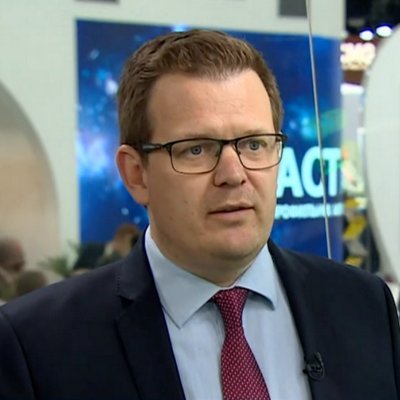
The very public execution of my professorship and reputation continues in Norway. Today’s media article about me makes three claims that are misleading and/or false.
1) The article dismisses my claim that my research is being criminalized as the journalists merely cite the dismissive comments from the university - no arguments are apparently required.
It is not possible for an academic anymore to analyse the policies of rival powers by assessing their security concerns, as it will be smeared by the government, the government’s NGOs and the media as “legitimizing” the enemy and supporting their narratives. The current Defence Minister singled me out with the accusation of spreading propaganda and criticised two podcasters for even speaking with me (as I have already been cancelled by the media in Norway). How was this accusation by the Defence Minister substantiated? I had argued that NATO expansion triggered the war in Ukraine, which the Defence Minister denounce as dangerous “Russian propaganda”, with no need to substantiate his vile accusation. I can cite a sea of evidence and also refer to statements by American and European political leaders, ambassadors, intelligence chiefs, and others to make my case. However, the purpose is not to engage in debate, but to smear, censor, and cancel. By going after an individual academic for challenging official truths, the government has already claimed a monopoly on the truth. Academics should have their arguments scrutinised and criticised, but these are severe personal attacks from the government without the possibility of even defending myself. How is this not criminalising the research of an academic?
I cannot even speak at any events in Norway without the event being cancelled. The last event I agreed to speak at was because I shared the stage with the former CIA officer John Kiriakou. A newspaper had the event at a church cancelled, and when the backup location did not also cancel, the journalist simply printed in the paper that it had been cancelled so people would not show up. Is this normal? I must use my allotted holiday days to attend conferences because any event I attend can be presented as “controversial,” and then the NGOs and journalists will go after the reputation of the university. Is this normal? Every newspaper article about me merely refers to me as “controversial” or “pro-Russian” without ever assigning meaning to these labels or presenting my argument.
I have argued, much like former CIA director Burns, that if the West attempts to pull Ukraine into the NATO orbit, then there would be war and Ukraine would be destroyed. This is considered a “pro-Russian” argument. Arguing that we should respect the will of most Ukrainians who want negotiations to end the war is also considered a “pro-Russian” argument, while in contrast, boycotting diplomacy, deporting Ukrainian refugees, and calling for the conscription of Ukrainian women is “pro-Ukrainian”.
2) To avoid addressing any of my arguments, the journalists go on to uncritically cite personal attacks against me, pointing out that I have been called a propagandist by the Norwegian Helsinki Committee. This is a “non-governmental organisation” financed by the government and the National Endowment for Democracy (NED), which was set up by Reagan and the CIA director in 1983 to manipulate the civil society of other states. The Norwegian Helsinki Committee has been relentless in its smears on social media to have me fired, writing hit pieces in the media, pushing to cancel my speaking events, writing a letter to my university, and even posting a picture of my house on social media. This is a governmental "human rights organisation" that cites human rights concerns to build the case for war.
3) Lastly, to further avoid addressing my actual arguments, they simply cite the fact that arguments I made at a debate last year have been “wholly or partially debunked” by a fact-check. The state-run media (NRK) invited the state-run military defence institute (FFI) to fact-check three of my claims. What claims did they "debunk"?
My first claim was that only 20% of Ukrainians wanted NATO membership between 1991 and the regime change in February 2014. The fact-checker argued that the number went up by the middle of 2014 (after Russia responded by seizing Crimea), which is a completely meaningless comment intended to muddy the waters, as my argument was about the previous era.
My second claim was that Zelensky had argued in an interview with The Economist in March 2022 that there were some Western countries that would like a long war with Russia to weaken a strategic rival, even if it would result in the destruction of Ukraine. The fact-checker argued that not all Western countries wanted a long war and that it was not an official policy. I never claimed it was an official policy, as it was primarily the US and UK pushing for a long war.
My third claim was that the US and UK sabotaged the Istanbul peace agreement in April 2022. The fact-checker claimed this was incorrect and suggested that it could only be based on one statement by David Arakhamia. The fact-checker did not want to mention that both mediators also confirmed it: Turkey’s foreign minister and the former Israeli prime minister both said that Russia and Ukraine were close to a deal, but the US and UK saw an opportunity to weaken Russia by fighting with Ukrainians. Zelensky’s former adviser Arestovych confirmed it, and the Ukrainian ambassador Chaly, who participated in the negotiations, confirmed that Putin was willing to do almost anything to end the war. The former head of the German armed forces confirmed that Boris Johnson sabotaged it, and Boris Johnson himself wrote articles warning about a “bad peace” and arguing for “strategic patience.” I am being fact-checked by war propagandists.
Unfortunately, none of my arguments matter because in Norway there is no debate and no interest in any arguments. Reality means nothing anymore as war narratives must be defended against inconvenient truths. I used to be naïve and think that the endless smears were caused by misunderstanding, as I had simply not been able to convey my arguments properly. However, the endless articles with smears and labels are deliberate lies and deceptions.

Piet retweeted
Schandalig dit!
In een democratie moet je tegenspraak verwelkomen niet verketteren, zeker als de tegenspreker weet waar hij het over heeft en, wmb, gelijk heeft, wat bij @Glenn_Diesen in overvloed het geval is. Zeer gevaarlijk dit muilkorven door het militair industrieel complex.

The very public execution of my professorship and reputation continues in Norway. Today’s media article about me makes three claims that are misleading and/or false.
1) The article dismisses my claim that my research is being criminalized as the journalists merely cite the dismissive comments from the university - no arguments are apparently required.
It is not possible for an academic anymore to analyse the policies of rival powers by assessing their security concerns, as it will be smeared by the government, the government’s NGOs and the media as “legitimizing” the enemy and supporting their narratives. The current Defence Minister singled me out with the accusation of spreading propaganda and criticised two podcasters for even speaking with me (as I have already been cancelled by the media in Norway). How was this accusation by the Defence Minister substantiated? I had argued that NATO expansion triggered the war in Ukraine, which the Defence Minister denounce as dangerous “Russian propaganda”, with no need to substantiate his vile accusation. I can cite a sea of evidence and also refer to statements by American and European political leaders, ambassadors, intelligence chiefs, and others to make my case. However, the purpose is not to engage in debate, but to smear, censor, and cancel. By going after an individual academic for challenging official truths, the government has already claimed a monopoly on the truth. Academics should have their arguments scrutinised and criticised, but these are severe personal attacks from the government without the possibility of even defending myself. How is this not criminalising the research of an academic?
I cannot even speak at any events in Norway without the event being cancelled. The last event I agreed to speak at was because I shared the stage with the former CIA officer John Kiriakou. A newspaper had the event at a church cancelled, and when the backup location did not also cancel, the journalist simply printed in the paper that it had been cancelled so people would not show up. Is this normal? I must use my allotted holiday days to attend conferences because any event I attend can be presented as “controversial,” and then the NGOs and journalists will go after the reputation of the university. Is this normal? Every newspaper article about me merely refers to me as “controversial” or “pro-Russian” without ever assigning meaning to these labels or presenting my argument.
I have argued, much like former CIA director Burns, that if the West attempts to pull Ukraine into the NATO orbit, then there would be war and Ukraine would be destroyed. This is considered a “pro-Russian” argument. Arguing that we should respect the will of most Ukrainians who want negotiations to end the war is also considered a “pro-Russian” argument, while in contrast, boycotting diplomacy, deporting Ukrainian refugees, and calling for the conscription of Ukrainian women is “pro-Ukrainian”.
2) To avoid addressing any of my arguments, the journalists go on to uncritically cite personal attacks against me, pointing out that I have been called a propagandist by the Norwegian Helsinki Committee. This is a “non-governmental organisation” financed by the government and the National Endowment for Democracy (NED), which was set up by Reagan and the CIA director in 1983 to manipulate the civil society of other states. The Norwegian Helsinki Committee has been relentless in its smears on social media to have me fired, writing hit pieces in the media, pushing to cancel my speaking events, writing a letter to my university, and even posting a picture of my house on social media. This is a governmental "human rights organisation" that cites human rights concerns to build the case for war.
3) Lastly, to further avoid addressing my actual arguments, they simply cite the fact that arguments I made at a debate last year have been “wholly or partially debunked” by a fact-check. The state-run media (NRK) invited the state-run military defence institute (FFI) to fact-check three of my claims. What claims did they "debunk"?
My first claim was that only 20% of Ukrainians wanted NATO membership between 1991 and the regime change in February 2014. The fact-checker argued that the number went up by the middle of 2014 (after Russia responded by seizing Crimea), which is a completely meaningless comment intended to muddy the waters, as my argument was about the previous era.
My second claim was that Zelensky had argued in an interview with The Economist in March 2022 that there were some Western countries that would like a long war with Russia to weaken a strategic rival, even if it would result in the destruction of Ukraine. The fact-checker argued that not all Western countries wanted a long war and that it was not an official policy. I never claimed it was an official policy, as it was primarily the US and UK pushing for a long war.
My third claim was that the US and UK sabotaged the Istanbul peace agreement in April 2022. The fact-checker claimed this was incorrect and suggested that it could only be based on one statement by David Arakhamia. The fact-checker did not want to mention that both mediators also confirmed it: Turkey’s foreign minister and the former Israeli prime minister both said that Russia and Ukraine were close to a deal, but the US and UK saw an opportunity to weaken Russia by fighting with Ukrainians. Zelensky’s former adviser Arestovych confirmed it, and the Ukrainian ambassador Chaly, who participated in the negotiations, confirmed that Putin was willing to do almost anything to end the war. The former head of the German armed forces confirmed that Boris Johnson sabotaged it, and Boris Johnson himself wrote articles warning about a “bad peace” and arguing for “strategic patience.” I am being fact-checked by war propagandists.
Unfortunately, none of my arguments matter because in Norway there is no debate and no interest in any arguments. Reality means nothing anymore as war narratives must be defended against inconvenient truths. I used to be naïve and think that the endless smears were caused by misunderstanding, as I had simply not been able to convey my arguments properly. However, the endless articles with smears and labels are deliberate lies and deceptions.

Piet retweeted

Baudet post hier wel waarheden als koeien:

Ze zeggen dat ze staan voor vrijheid, voor tolerantie en de rechtsstaat.
Dat iedereen in onze democratie is uitgenodigd om de richting die we met z’n allen uitgaan mede te bepalen.
Ze noemen dat de open samenleving.
Maar wanneer we een referendum organiseren en winnen, negeren ze de uitslag en schaffen de mogelijkheid voor burgers om ooit nog zo’n referendum te organiseren af.
We richten een politieke partij op, die meedoet aan de verkiezingen en het parlementaire spel meespeelt. Die wordt vervolgens uitgesloten van coalitievorming, mag nooit in de media verschijnen, wordt structureel gedemoniseerd en er wordt zelfs een wetsvoorstel opgesteld om te komen tot een partijverbod.
We richten een uitgeverij op. We publiceren een boek met fundamentele overheidskritiek (“Het Coronabedrog”) en winnen daarmee de NS Publieksprijs. Ze besluiten de prijs niet uit te reiken en veranderen de procedure zodat buitenstaanders vanaf het jaar daarna nooit meer kans maken om te winnen.
We richten een omroep op. Met leden. En zendtijd. Maar de licentie trekken ze in op onzinnige gronden.
We richten een school op. Ze zijn diep verontwaardigd en onderzoeken mogelijkheden om ‘m te sluiten of om de wet aan te passen om hierna in elk geval nóóit meer nóg zo’n school te laten ontstaan.
Wat zijn de begrippen democratie, rechtsstaat, tolerantie en de open samenleving nog waard?
Piet retweeted

Ze zeggen dat ze staan voor vrijheid, voor tolerantie en de rechtsstaat.
Dat iedereen in onze democratie is uitgenodigd om de richting die we met z’n allen uitgaan mede te bepalen.
Ze noemen dat de open samenleving.
Maar wanneer we een referendum organiseren en winnen, negeren ze de uitslag en schaffen de mogelijkheid voor burgers om ooit nog zo’n referendum te organiseren af.
We richten een politieke partij op, die meedoet aan de verkiezingen en het parlementaire spel meespeelt. Die wordt vervolgens uitgesloten van coalitievorming, mag nooit in de media verschijnen, wordt structureel gedemoniseerd en er wordt zelfs een wetsvoorstel opgesteld om te komen tot een partijverbod.
We richten een uitgeverij op. We publiceren een boek met fundamentele overheidskritiek (“Het Coronabedrog”) en winnen daarmee de NS Publieksprijs. Ze besluiten de prijs niet uit te reiken en veranderen de procedure zodat buitenstaanders vanaf het jaar daarna nooit meer kans maken om te winnen.
We richten een omroep op. Met leden. En zendtijd. Maar de licentie trekken ze in op onzinnige gronden.
We richten een school op. Ze zijn diep verontwaardigd en onderzoeken mogelijkheden om ‘m te sluiten of om de wet aan te passen om hierna in elk geval nóóit meer nóg zo’n school te laten ontstaan.
Wat zijn de begrippen democratie, rechtsstaat, tolerantie en de open samenleving nog waard?

De Forumschool is een doorn in het oog voor een deel van de Kamer en het kabinet. Maar nu ie bestaat, moet je hem dan weer afschaffen? 👇 door @gerbenkh
Piet retweeted
En je dan afvragen waarom er geen hond naar je programma kijkt. Welnu, hierom. De oude stalinistische methode: we gaan met de complete deugtafel iemand die het waagt een afwijkende mening te formuleren helemaal kapot maken, is uitgewerkt, dames en heren tv-makers. Knoop dit nou eens in je toondove oren:

Dit is erg dom en onhandig van #Renze. Er is een legitiem debat mogelijk over de steun aan Oekraïne. Als je dat respectvol voert, heb je een interessante uitzending. In plaats daarvan wordt een gast schofterig behandeld omdat hij een tegengestelde mening heeft. Waanzin.
Piet retweeted

Nederland wil de volgende ASML. Dan moet je ook accepteren dat de oprichter miljardair kan worden.
Constantijn van Oranje zegt het treffend: we vinden startups leuk, totdat ze groot worden en mensen er rijk van worden.
Daar wringt onze ambitie. We willen wereldbedrijven bouwen, maar krijgen ongemak bij de financiële beloning voor degene die het risico nam.
Wie jarenlang eigen geld, tijd en zekerheid inzet, mag bij succes ook uitzonderlijk verdienen.
Waarom vieren we een voetballer met een miljoenencontract makkelijker dan een ondernemer die duizenden banen creëert?

Piet retweeted

U bent een domme man die niet wil of kan leren. U heeft nooit geluisterd naar @Glenn_Diesen @DougAMacgregor @MearsheimerJ @JeffreyASachs en vele anderen.

Rusland zegt ineens op te komen voor de soevereiniteit van landen. Maar waarom valt Rusland dan steeds soevereine landen aan, met terreuracties die onschuldige mensen van het leven beroven?
Dit is het toppunt van schaamteloosheid. Stop eerst met Oekraïners platbombarderen en Europese landen saboteren voordat je ooit kunt praten over 'soevereine landen'.
Piet retweeted
Verbijsterend om te zien hoe geruchten en vermoedens in dit soort gesprekken worden omgekat tot feiten en zekerheden... het frame is leidend, de feiten zijn daaraan ondergeschikt... met journalistiek heeft het ondertussen weinig meer te maken, met indoctrinatie des te meer...

Minister van buitenlandse zaken Tom Berendsen bevestigd dat Rusland de vijand is.
"Als je ziet wat voor acties Rusland pleegt: sabotageacties, spionageacties, misinformatie. Dat betekent dat zij een vijandige mogendheid zijn, die ons onder druk aan het zetten zijn."
"Wij investeren fors in defensie. Wij maken onszelf steeds weerbaarder. Dat moeten we ook doen tegen die Russische dreiging. En laten we ook niet vergeten dat ook de NAVO Rusland als grootste veiligheidsdreiging ziet. Dus dat past absoluut in dit kader."
- Zijn we dan in oorlog?
"De minister van Defensie heeft ook gezegd: wij zijn niet in oorlog. Maar dat betekent dat wij wel een beleid hebben wat ons voorbereidt op alle scenario's. Dat onze weerbaarheid vergroot."
- Ze zei ook: het gaat niet langer meer om afschrikking, maar ook om kunnen vechten.
"Dat betekent dat we niet meer in een situatie zitten dat vrede vanzelfsprekend is. En dat is al een hele lange tijd niet. Dat betekent dat bondgenoten van ons ook onder druk staan aan de oostgrens. En dat betekent dat Nederland ook zijn verantwoordelijkheid draagt met forse investeringen in defensie. En ook in de weerbaarheid van onze samenleving om ervoor te zorgen dat wij met dit soort dreigingen om kunnen gaan."

Piet retweeted
En dan zie ik opeens Tom Berendsen bij Buitenhof oreren over Oekraïne, Europa en de positie van Nederland. Dan vraag ik me toch af: wat heeft deze man, op zijn 43ste, eigenlijk in het echte leven gedaan?
Bestuurskunde gestudeerd in Tilburg, vervolgens vrijwel rechtstreeks het politiek-bestuurlijke circuit in, jarenlang Brussel, Europees Parlement, CDA en nu minister van Buitenlandse Zaken. Natuurlijk is dat ook ervaring. Maar het is vooral ervaring binnen één en hetzelfde gesloten ecosysteem.
Geen lange diplomatieke loopbaan, geen ondernemerschap, geen militaire verantwoordelijkheid, geen internationale eindverantwoordelijkheid buiten de politiek. Wel voortdurend spreken over oorlog, vrede, geopolitiek en nationale belangen alsof het allemaal vanzelfsprekend is.
Dat is precies wat mij stoort aan de moderne politieke klasse: veel woorden, veel instituties, veel carrièreplanning, maar opvallend weinig levenservaring buiten de eigen bestuurlijke wereld. En dan met grote stelligheid uitleggen hoe Europa en Oekraïne zich moeten gedragen.
Notabene uit het CDA, een partij die ooit stond voor degelijkheid, bestuurservaring en maatschappelijke verankering.
#Buitenhof
nl.wikipedia.org/wiki/Tom_Be…

Piet retweeted

stopdeoorlogskoorts.nl Massaal delen en supporten. Hou je kinderen thuis. Zij zijn geen kanonnenvoer!


@DougCaseyDaily
Golden age …market of liberty 👇

Rond 1670 was de Republiek der Zeven Verenigde Nederlanden de rijkste economie van Europa per inwoner.
De voorsprong op Engeland, Frankrijk en de Duitse gebieden was enorm. Nederland was al een economische grootmacht, anderhalve eeuw voordat de industriële revolutie goed op gang kwam.
De cijfers van economisch historicus Angus Maddison voor 1700 illustreren die uitzonderlijke positie. Het Nederlandse bbp per inwoner bedroeg naar schatting $2.130, tegenover $1.250 in Groot-Brittannië en $910 in Frankrijk en Duitsland, uitgedrukt in internationale dollars van 1990.
Hoe werd een klein land met nauwelijks twee miljoen inwoners zo welvarend?
De Republiek kende voor haar tijd een uitzonderlijk vrije markteconomie. Internationale handel, particulier ondernemerschap, sterke eigendomsrechten, kapitaalmarkten, scheepvaart en een ontwikkelde energievoorziening op basis van turf en windkracht vormden de economische motor.
Ook fiscaal verschilde de Republiek fundamenteel van het huidige Nederland.
Er bestond geen algemene inkomstenbelasting, geen vennootschapsbelasting en geen permanente vermogensrendementsheffing. De overheid financierde zich grotendeels met accijnzen op consumptie, handelsheffingen en vastgoedbelastingen.
Die accijnzen konden behoorlijk hoog zijn. Incidentele vermogensheffingen bedroegen doorgaans 0,5%, 1% of 2%. Vooral tijdens oorlogen werden ze herhaaldelijk opgelegd.
De Republiek was bovendien sterk gedecentraliseerd. Steden en gewesten beschikten over vergaande autonomie. Religieuze tolerantie, commerciële vrijheid en particuliere initiatieven waren internationaal uitzonderlijk, hoewel handelsmonopolies en privileges bleven bestaan.
Amsterdam werd het financiële centrum van Europa. Nederlandse kooplieden en investeerders bouwden wereldwijde handelsnetwerken op.
De historische les is helder: Nederland werd welvarend dankzij ondernemerschap, handel, kapitaalvorming en relatief veel economische vrijheid.
De Nederlandse Gouden Eeuw was in belangrijke mate een kapitalistisch succesverhaal.

