

Founder @finshiksha , CFA, Educator, Investor IIM Calcutta, NIT Jaipur Alumnus 22 years in Finance Tweet on Macro, Markets & Cricket |
Joined July 2009
- Tweets4.3K
- Following579
- Followers7.4K
- Likes5K



Pinned Tweet
I have been in the finance education space for more than a decade now.
Through this period, have created some content that may be relevant for people who are planning to build a career in finance, or those who want to learn investing.
As there is some overlap between learning finance for career goals and learning finance for investing, a lot of the content would probably be useful for either segment
Listing down some of these in a thread. Ideally go in that order. The initial bunch of content is all free.
1/6
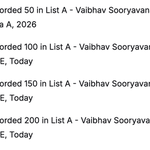
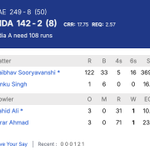
Vaibhav Sooryavanshi - 200 off 52 balls!
Team chasing 250..
I know UAE team and all.. but still
He hit 28 sixes!
168 runs in just 6s!
Unbelievable stuff..
389

28 balls for 100!
He has hit 16 sixes!!
That's 96 runs with 6s alone!
What a crazy player this kid is!


2️⃣8️⃣-ball HUNDRED 💯
Vaibhav Sooryavanshi with the fastest century ever in List A cricket 👏
Scorecard ▶️ bcci.tv/matches/6812d0db-232…
#TeamIndia | #RisingStarsAsiaCup | #INDAvUAE

1
374
Exhibit 2 - Why leveraged EFTs are useless instruments.
YTD
Nvidia down about 10%
NVidia 3x levered long down 70%
And
NVidia 3x levered short also down 80%
What crazy instruments!


Using Leveraged ETFs (the likes of KORU) for a long term investment is NOT a good idea.
They can work in strong one directional moves in the underlying, but can be a bit of a disaster in a sideways / volatile market.
Let me explain.
Imagine an underlying index or stock at 100.
Take a 3x ETF on it, and imagine the ETF is also at 100.
Now say the underlying goes up 10%
Underlying: 110
ETF: 130
Imagine if it corrects 10% now
Underlying: 99
ETF: 91
Index is down 1%.
You’d expect a 3x ETF to be down 3%, at 97.
It’s at 91.
What is happening is the ETF is reset to 3x every day, and the 3x is applied to a new base, not your original money.
Now imagine another cycle of +10% followed by -10%.
After +10%
Underlying: 108.9
ETF: 118.3
After -10%
Underlying: 98.01
ETF: 82.81
Underlying is down 2%. One would expect the ETF to be down 6%, but it is down 17%. This is called volatility decay.
Even if the underlying goes up 10% now, both the underlying and ETF will be at the same level after the upmove.
Index: 107.8 (up 7.8%)
ETF: 107.7 (up 7.7%)
After 3 upmoves and 2 downmoves, Index is up 7.8%, you would expect the ETF to give you 23-24%, and it has given nothing extra.
So if the underlying keeps chopping around, and really does nothing, the ETF keeps losing ground. And over a period, this can become too much of a problem, since then the ETF is down so much, that it can't catch up at all.
Short term - one sided moves is what one can try and play with these ETFs. Any longer term views, the leverage and the math around it pretty much ensures it becomes a problem.
Need to understand this math before one gets into such ETFs.
Exhibit 1 - leveraged ETFs are some of the most useless products. The math just kills returns, as mentioned in the post below.
These are NVidia 3x Short ETFs, which almost wound up last night!
Down 80-90% before trading was halted.

Using Leveraged ETFs (the likes of KORU) for a long term investment is NOT a good idea.
They can work in strong one directional moves in the underlying, but can be a bit of a disaster in a sideways / volatile market.
Let me explain.
Imagine an underlying index or stock at 100.
Take a 3x ETF on it, and imagine the ETF is also at 100.
Now say the underlying goes up 10%
Underlying: 110
ETF: 130
Imagine if it corrects 10% now
Underlying: 99
ETF: 91
Index is down 1%.
You’d expect a 3x ETF to be down 3%, at 97.
It’s at 91.
What is happening is the ETF is reset to 3x every day, and the 3x is applied to a new base, not your original money.
Now imagine another cycle of +10% followed by -10%.
After +10%
Underlying: 108.9
ETF: 118.3
After -10%
Underlying: 98.01
ETF: 82.81
Underlying is down 2%. One would expect the ETF to be down 6%, but it is down 17%. This is called volatility decay.
Even if the underlying goes up 10% now, both the underlying and ETF will be at the same level after the upmove.
Index: 107.8 (up 7.8%)
ETF: 107.7 (up 7.7%)
After 3 upmoves and 2 downmoves, Index is up 7.8%, you would expect the ETF to give you 23-24%, and it has given nothing extra.
So if the underlying keeps chopping around, and really does nothing, the ETF keeps losing ground. And over a period, this can become too much of a problem, since then the ETF is down so much, that it can't catch up at all.
Short term - one sided moves is what one can try and play with these ETFs. Any longer term views, the leverage and the math around it pretty much ensures it becomes a problem.
Need to understand this math before one gets into such ETFs.
2
324

Peeyush Chitlangia retweeted
March 26
Kospi : 5000
KORU (Kospi 3x ETF) : 12
Nov 26
Kospi : 4870
KORU : 5
Kospi is down 3%,
Yet its 3x leveraged ETF is down 60%
That is how this product works in a choppy market.
Using Leveraged ETFs (the likes of KORU) for a long term investment is NOT a good idea.
They can work in strong one directional moves in the underlying, but can be a bit of a disaster in a sideways / volatile market.
Let me explain.
Imagine an underlying index or stock at 100.
Take a 3x ETF on it, and imagine the ETF is also at 100.
Now say the underlying goes up 10%
Underlying: 110
ETF: 130
Imagine if it corrects 10% now
Underlying: 99
ETF: 91
Index is down 1%.
You’d expect a 3x ETF to be down 3%, at 97.
It’s at 91.
What is happening is the ETF is reset to 3x every day, and the 3x is applied to a new base, not your original money.
Now imagine another cycle of +10% followed by -10%.
After +10%
Underlying: 108.9
ETF: 118.3
After -10%
Underlying: 98.01
ETF: 82.81
Underlying is down 2%. One would expect the ETF to be down 6%, but it is down 17%. This is called volatility decay.
Even if the underlying goes up 10% now, both the underlying and ETF will be at the same level after the upmove.
Index: 107.8 (up 7.8%)
ETF: 107.7 (up 7.7%)
After 3 upmoves and 2 downmoves, Index is up 7.8%, you would expect the ETF to give you 23-24%, and it has given nothing extra.
So if the underlying keeps chopping around, and really does nothing, the ETF keeps losing ground. And over a period, this can become too much of a problem, since then the ETF is down so much, that it can't catch up at all.
Short term - one sided moves is what one can try and play with these ETFs. Any longer term views, the leverage and the math around it pretty much ensures it becomes a problem.
Need to understand this math before one gets into such ETFs.
Peeyush Chitlangia retweeted
Using Leveraged ETFs (the likes of KORU) for a long term investment is NOT a good idea.
They can work in strong one directional moves in the underlying, but can be a bit of a disaster in a sideways / volatile market.
Let me explain.
Imagine an underlying index or stock at 100.
Take a 3x ETF on it, and imagine the ETF is also at 100.
Now say the underlying goes up 10%
Underlying: 110
ETF: 130
Imagine if it corrects 10% now
Underlying: 99
ETF: 91
Index is down 1%.
You’d expect a 3x ETF to be down 3%, at 97.
It’s at 91.
What is happening is the ETF is reset to 3x every day, and the 3x is applied to a new base, not your original money.
Now imagine another cycle of +10% followed by -10%.
After +10%
Underlying: 108.9
ETF: 118.3
After -10%
Underlying: 98.01
ETF: 82.81
Underlying is down 2%. One would expect the ETF to be down 6%, but it is down 17%. This is called volatility decay.
Even if the underlying goes up 10% now, both the underlying and ETF will be at the same level after the upmove.
Index: 107.8 (up 7.8%)
ETF: 107.7 (up 7.7%)
After 3 upmoves and 2 downmoves, Index is up 7.8%, you would expect the ETF to give you 23-24%, and it has given nothing extra.
So if the underlying keeps chopping around, and really does nothing, the ETF keeps losing ground. And over a period, this can become too much of a problem, since then the ETF is down so much, that it can't catch up at all.
Short term - one sided moves is what one can try and play with these ETFs. Any longer term views, the leverage and the math around it pretty much ensures it becomes a problem.
Need to understand this math before one gets into such ETFs.
As I discuss here, these leveraged ETFs are disastrous for long term investing
nitter.cf/peeyushc/status/212402…


March 26
Kospi : 5000
KORU (Kospi 3x ETF) : 12
Nov 26
Kospi : 4870
KORU : 5
Kospi is down 3%,
Yet its 3x leveraged ETF is down 60%
That is how this product works in a choppy market.
Using Leveraged ETFs (the likes of KORU) for a long term investment is NOT a good idea.
They can work in strong one directional moves in the underlying, but can be a bit of a disaster in a sideways / volatile market.
Let me explain.
Imagine an underlying index or stock at 100.
Take a 3x ETF on it, and imagine the ETF is also at 100.
Now say the underlying goes up 10%
Underlying: 110
ETF: 130
Imagine if it corrects 10% now
Underlying: 99
ETF: 91
Index is down 1%.
You’d expect a 3x ETF to be down 3%, at 97.
It’s at 91.
What is happening is the ETF is reset to 3x every day, and the 3x is applied to a new base, not your original money.
Now imagine another cycle of +10% followed by -10%.
After +10%
Underlying: 108.9
ETF: 118.3
After -10%
Underlying: 98.01
ETF: 82.81
Underlying is down 2%. One would expect the ETF to be down 6%, but it is down 17%. This is called volatility decay.
Even if the underlying goes up 10% now, both the underlying and ETF will be at the same level after the upmove.
Index: 107.8 (up 7.8%)
ETF: 107.7 (up 7.7%)
After 3 upmoves and 2 downmoves, Index is up 7.8%, you would expect the ETF to give you 23-24%, and it has given nothing extra.
So if the underlying keeps chopping around, and really does nothing, the ETF keeps losing ground. And over a period, this can become too much of a problem, since then the ETF is down so much, that it can't catch up at all.
Short term - one sided moves is what one can try and play with these ETFs. Any longer term views, the leverage and the math around it pretty much ensures it becomes a problem.
Need to understand this math before one gets into such ETFs.
Peeyush Chitlangia retweeted

Commodity inflation is set to drop sharply after this month:
Prices of WTI Crude oil, Gasoline, Brent oil, and Heating oil are down -21.7%, -21.4%, -19.8%, and -15.3%, respectively, so far in November.
This is followed by copper, silver, and sugar prices, which are down -14.1%, -13.0%, and -11.0%.
Platinum, Aluminum, and Palladium are down -9.0%, -7.1%, and -7.1%, respectively.
Meanwhile, gold prices are down -7.6% so far this month, to their lowest level since September 2025.
Wheat and coffee prices are down -4.2% and -4.1%, respectively.
Commodities are under historic pressure.

Using Leveraged ETFs (the likes of KORU) for a long term investment is NOT a good idea.
They can work in strong one directional moves in the underlying, but can be a bit of a disaster in a sideways / volatile market.
Let me explain.
Imagine an underlying index or stock at 100.
Take a 3x ETF on it, and imagine the ETF is also at 100.
Now say the underlying goes up 10%
Underlying: 110
ETF: 130
Imagine if it corrects 10% now
Underlying: 99
ETF: 91
Index is down 1%.
You’d expect a 3x ETF to be down 3%, at 97.
It’s at 91.
What is happening is the ETF is reset to 3x every day, and the 3x is applied to a new base, not your original money.
Now imagine another cycle of +10% followed by -10%.
After +10%
Underlying: 108.9
ETF: 118.3
After -10%
Underlying: 98.01
ETF: 82.81
Underlying is down 2%. One would expect the ETF to be down 6%, but it is down 17%. This is called volatility decay.
Even if the underlying goes up 10% now, both the underlying and ETF will be at the same level after the upmove.
Index: 107.8 (up 7.8%)
ETF: 107.7 (up 7.7%)
After 3 upmoves and 2 downmoves, Index is up 7.8%, you would expect the ETF to give you 23-24%, and it has given nothing extra.
So if the underlying keeps chopping around, and really does nothing, the ETF keeps losing ground. And over a period, this can become too much of a problem, since then the ETF is down so much, that it can't catch up at all.
Short term - one sided moves is what one can try and play with these ETFs. Any longer term views, the leverage and the math around it pretty much ensures it becomes a problem.
Need to understand this math before one gets into such ETFs.
I agree with this. This leg of the fall in the AI stocks looks like people are throwing in the towel…
The world has become such that stocks price in the best case and the worst case very quickly..

Vix at 35, intraday hit 40
An area where previous market bear cycles/bouts of extreme volatility ended
A company like Google is selling for 10x NTM, 13x TTM earnings
Market seems to have overdone the AI slowdown narrative really fast
2027 buildout & most of 2028 intact

1
370
Nifty PSU Bank Index at 9700.
17% in 17 days..
I expected good performance, but even I am amazed at the speed..
9/9
PSU Bank index is around 8300. I expect it to outperform Nifty 50 and Nifty 100 over the next 2-3 years.
I think it should outperform even BankNifty, but in the very short run, private banks may also do well, since the valuations are very reasonable in most cases.
Disclaimer: This is purely my opinion. Once again, this is not a recommendation to buy or sell. Please do your own due diligence. PSU banks as a group have had risks in the past, and are a complicated sector to evaluate.
Would love to hear your thoughts on the same.
3
449
Peeyush Chitlangia retweeted
PAT growth, PAT and NPAs for all PSU Banks!
Best asset quality in 12 years..
Highest profits in years..


PSU BANKS REPORT RECORD PERFORMANCE IN H1 FY27
Aggregate net profit rises 16.9% YoY to ₹1.10 lakh crore
Operating profit jumps 13.9% to ₹1.81 lakh crore
Total business grows 15.5% to ₹301.6 lakh crore
Gross NPA declines to 1.69%; Net NPA falls to 0.33%
Retail, agriculture and MSME lending record strong growth
PAT growth, PAT and NPAs for all PSU Banks!
Best asset quality in 12 years..
Highest profits in years..
PSU BANKS REPORT RECORD PERFORMANCE IN H1 FY27
Aggregate net profit rises 16.9% YoY to ₹1.10 lakh crore
Operating profit jumps 13.9% to ₹1.81 lakh crore
Total business grows 15.5% to ₹301.6 lakh crore
Gross NPA declines to 1.69%; Net NPA falls to 0.33%
Retail, agriculture and MSME lending record strong growth