

Anthropology | aDNA | History 🏛️🇬🇷 I make maps on topics that interest me
Aegean Sea
Joined August 2022
- Tweets8.6K
- Following108
- Followers2.1K
- Likes7.8K




Pinned Tweet
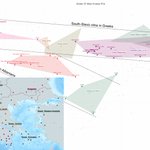
Following the population exchanges, many settlements in Greece were named with the prefix 'New' and the name of the original settlement of the displaced inhabitants. I mapped 138 such places in Greece along with their original locations.
Load the map in 4k for better clarity.


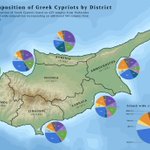
Regional and island-wide Y-DNA composition of Greek Cypriots.
Load the map in 4k for better clarity.

As the sample size grows, the same hypothesis continues to hold: albanian-mediated markers have a low prevalence among Arvanites. Of 25 individuals, only two carry subclades also found in albanians.
Even in these cases, however, the matches cannot confidently be attributed to albanians, as the respective MRCAs predate the albanian ethnogenesis by ~350 years in one case and by millennia in the other, while both also predate the historical diffusion and expansion of albanophones.
Moreover, both lineages are also present independently of albanians in neighboring populations, where they even occur at higher frequencies than in Greece.


Philoveritas retweeted

The Homeric verbs κατανεύω and ἀνανεύω (moving one's head down/up = yes/no) signify how Greeks and neighbors physically indicate agreement/disagreement.
Literally down/up-nod.
Zeus and Athena demonstrate Iliad (Iliad 1.524: assent to Thetis and 6.311: denial of Theano)

Although T-M70 was not sequenced among the sampled Maniots, two individuals from Maniatis, a village in Arcadia that may owe both its name and foundation to Maniots, belong to T-BY169449.
This lineage is directly downstream of two Bronze Age Minoans: HGC010 and HGC055.


Philoveritas retweeted

Anthony Kaldellis in his book Hellenism in Byzantium wrote that:
Emperor "Laskaris calls his nation and its soldiers Greeks; believes that they are descended from the ancient Greeks, whose paideia, language, and blood they all share; calls their land Greece and admires his ancestors’ monuments. Only religion had fundamentally changed, but Laskaris is generally silent about that. In short, none of the foundations on which the Greek nation was (re)imagined in modern times was lacking in his conception; he even had some of the same emotional reactions and archaeological fantasies."
According to Kaldellis, the emperor of the Romans Theodoris II Laskaris said that:
" ‘‘the Hellenic genos is superior to all others on account of its position and good climate and therefore in cleverness and science.’’ He offers the ancient writers themselves as proof of this superiority (those from whom he took the argument in the first place), and makes his polemical intent clear: ‘‘every kind of philosophy and knowledge was either an invention ofthe Hellenes or was improved by them . . . But you, O Italian, in whom do you boast?’’ If Hellenic logos has been quiet, he explains, that is because of circumstance and Latin aggression. The panhellenion is now free, at Nikaia at any rate, ‘‘and Nikaia is comparable to Athens . . . Go to school, if you will, and learn that philosophizing is of the Hellenes.’’ Laskaris follows this with a provocative and evocative assertion of Hellenic continuity: ‘‘the same air that was then, is now ours too; the Hellenic language is ours; and we are drawn from their blood . . . But what wisdom ever came from you to us?’’ "
Not only did Albanians actively suppress the Greek revolution, but their own independence a century later was facilitated by Greek, Bulgarian and Serbian victories that weakened the Ottomans and paved the way for them to raise their flag. They even fought against the very battles that ultimately freed them.
Their claim to have liberated us is strikingly ironic, since it was we who did the liberating, both for ourselves and for them.

Η "προσφορά των Αλβανών" στην ...απελευθέρωση του 1821!
Ακολουθεί η λίστα με τους Αλβανούς "επαναστάτες".
Ιμπραήμ πασάς, ο γνωστός σχιζοφρενής που επιχείρησε ανεπιτυχώς με τους Γάλλους επιτελείς του να σβήσει την επανάσταση, γιος του αντιβασιλέα της Αιγύπτου Μωχάμετ Άλι που ήταν Αλβανός μπέης από την Καβάλα.
Ομέρ-πασάς Βρυώνης, παλιός στρατηγός του Αλή πασά Τεπελενλή, πασάς σε διάφορες πόλεις της Ηπείρου, εκστράτευσε κατά τα έτη 1821-22 επικεφαλής χιλιάδων εναντίων των Ελλήνων επαναστατών.
Μουσταή πασάς Σκόδρας (Μουσταφάς), εκστράτευσε το 1823 με 16000 κυρίως Αλβανούς με την πλειοψηφία τους να είναι χριστιανοί και είχε σώματα ακόμα και Κροατών. Το στράτευμά του ήταν ειδικό για ορεινές μάχες και ξεκίνησε με πολλές ελπίδες που του της έκοψε ο Μάρκος Μπότσαρης κυρίως και οι άλλοι οπλαρχηγοί της Δυτικής Στερεάς που ανάγκασαν το στρατό του στη διάλυση και τον ίδιο στην εξευτελιστική φυγή και στο να μην επιχειρήσει νέα εκστρατεία.
Ισμαήλ πασάς Πλιάσσας, Αλβανός πασάς που εκστράτευσε αρκετές φορές κατά των επαναστατημένων Ελλήνων (μέχρι και στα Ψαρά το 1824).
Αχμέτ πασάς Βρυώνης, εκστράτευσε στις αρχές της επανάσταση κατά των Ελλήνων.
Ισούφ πασάς Περκόφτσαλης, Αλβανός πασάς που εκστράτευσε αρκετές φορές κατά των επαναστατημένων Ελλήνων.
Μουστάμπεης, στρατηγός του Κιουταχή (Μεχμέτ Ρεσίτ πασά, Ρούμελη Βάλεσι) είχε στήσει ενέδρα κατά την έξοδο των Μεσολογγιτών σκοτώνοντας 500, σκοτώθηκε από τον Καραϊσκάκη στην Αράχωβα το 1826 και το κεφάλι του καρφώθηκε σε παλούκι μαζί με του Κεχαγιάμπεη του Κιουταχή. Χαρακτηριστικά λέγαν γι’ αυτόν ότι ήταν τότε: «το μεγαλύτερο οτζάκι της Αλβανίας και η ψυχή του Κιουταχή και των Αλβανών». Μαζί του στην Αράχωβα σκοτώθηκαν και 1300 επίλεκτοι Αλβανοί «ο ανθός της Αλβανίας», μόνο 100 γλύτωσαν από την ενέδρα των Ελλήνων του Καραϊσκάκη.
Καρεφίλ μπέης, αδερφός του Μουστά-μπεη σκοτώθηκε και αυτός στην Αράχωβα
Αδερφός του Μπανούζη Σέβλιανη: σκοτώθηκε μαζί με τους υπόλοιπους στην Αράχωβα.
Ταχήρ Αμπάζης, στρατηγός του Αλή πασά Τεπελενλή πολέμησε από το 1821 τους Έλληνες. Τα πρώτα χρόνια της επανάστασης ήταν πολύ σημαντικός Αλβανός και για κάποιο διάστημα κατά την ανταρσία του Αλή είχε συνεργασία με τους Έλληνες.
Άγο Βασιάρης, σημαντικό στέλεχος του Αλή Πασά και του Ομέρ Βρυώνη στη συνέχεια, τον συνέλαβαν αιχμάλωτο οι Σουλιώτες του Μάρκου Μπότσαρη και τον έσφαξαν μετά για να εκδικηθούν το θάνατο του Μάρκου στο Καρπενήσι το 1823.
Μελεκ πασάς Γκέκας, έδρασε στη Λαμία το 1821.
Τελεχά μπέης Φέζον, αρχηγός Γκέκηδων ιππέων του Ομέρ Βρυώνη στην Αλαμάνα και τη Γραβιά το 1821.
Μουσταφά μπέης Καφεζέζης, αρχηγός Τσάμηδων ιππέων του Ομέρ Βρυώνη στην Αλαμάνα και τη Γραβιά το 1821.
Σιλιχτάρ Μπόδας, σημαντικός Αλβανός στρατηγός των Τούρκων σε όλη τη διάρκεια της επανάστασης.
Άγο Μουχουρδάρης, Αλβανός στρατηγός των Τούρκων πολέμησε στη μάχη του Πέτα το 1821.
Νούρκας Σέρβανης, ντερβέναγας και μουτασελίμης Καρλελίου στο Βραχώρι το 1821, φρούραρχος Άρτας μετά, σκοτώθηκε στο Τρίκερι Μαγνησίας το 1827.
Ταχήρ Παπούλιας, ντερβέναγας Κραβάρων και Αποκούρου το 1821.
Μουσταφά μπέης, Κεχαγιάμπεης (επιτελάρχης του Χουρσίτ πασά), αρχηγός των πολιορκημένων Τούρκων και Αλβανών στην Τριπολιτσά το 1821.
Αλή μπεης, αδελφός του Μουσταφάμπεη, σκοτώθηκε στη μάχη της Γράνας το 1821, έξω από την Τριπολιτσά
Ισμαήλ μπέης Βλιόρης, Τουρκαλβανός μπίμπασης (χιλίαρχος) του Κιουταχή.
Βελή μπέης Γιάτζης, Τουρκαλβανός μπίμπασης (χιλίαρχος) του Κιουταχή.
Τζάνε Μαρτολάτζης, Τουρκαλβανός μπίμπασης (χιλίαρχος) του Κιουταχή.
Μουσταφά Μαρτίνης, Τουρκαλβανός μπίμπασης (χιλίαρχος) του Κιουταχή.
Ασλάν Ντέμτζης, Τουρκαλβανός μπίμπασης (χιλίαρχος) του Κιουταχή.
Χασάν Μπιλούσης, Τουρκαλβανός μπίμπασης (χιλίαρχος) του Κιουταχή.
Μπανούζ Σέβρανης, Τουρκαλβανός μπίμπασης (χιλίαρχος) του Κιουταχή.
Γιος Σούλτζε Κόρτσα, Τουρκαλβανός μπίμπασης (χιλίαρχος) του Κιουταχή.
Κεχριμάν μπέης Γάτζης, Τουρκαλβανός μπίμπασης (χιλίαρχος) του Κιουταχή.
Ζαβαλιάνη Πρόκος, Τουρκαλβανός μπίμπασης (χιλίαρχος) του Κιουταχή.
👇

The Greek dialects spoken in the 19th-century homeland of the Pontic Greeks, and the six ecclesiastical metropolises that historically comprised it.
Pontus, in its isolation, constituted an entire Greek world of its own.

A map of the ancient Greek colonies, ports, and outposts established along the Mediterranean coast of modern France.


Verified Pontic Greek Y-DNA mapped according to ancestral locality.
Load the map in 4k for better clarity

The data was compiled from four FTDNA projects and samples were included only if they met the following criteria: the paternal ancestor was reported as Greek, a Greek surname suffix was preserved, and the place of origin was reported.
This methodology improves the sample’s representativeness by excluding both historically and recently assimilated individuals, while also providing regional data. The majority of members in the Pontic Greek project were non-Greek, including a substantial number of individuals from Russia and Georgia with foreign surnames and reported origins east of Pontus, such as Erzurum and Pasinler.

The data was nevertheless concentrated around Trapezounta (Trabzon) and Argyroupoli (Gümüşhane), resulting in a regional distribution disproportionate to the demographic composition of the Pontic Greek population in the late nineteenth century.
Comparing my map with one of Pontus proper reveals that many regions within Pontus lack samples entirely, while areas outside Pontus, such as Kars and Erzurum have. These communities east of Pontus emerged through migrations associated with the Russo-Turkish wars.
Essentially, some Pontic Greek communitied first migrated eastward before later moving west to Greece during the population exchange.

Y-DNA makeup of Cappadocian Greeks.
Small sample size, but also a small population. Cappadocians show G2/J1 dominance, though more samples are needed.
Data courtesy of @PolarisIsGreece


This old anthropological survey of the Maniot colonists in Corsica brought to mind how beautifully Coon opens his chapter on the Greeks in The Races of Europe:
“The title of this section is The Greeks, and not Greece, since from the mythical days of the Argonauts to the present, neither the peninsula of Hellas nor Ionia and the Aegean Islands have been large enough to hold the far-wandering Hellenes.”
Indeed, not even Corsica was enough

In 1890, Fallot conducted an anthropological survey of the Cargesian Maniots, presenting data on individuals of pure Maniot descent traced back four generations, as well as mixed Greco-Corsicans.
In the map below, I compare their cephalic indices with those of Corsicans measured by Livi (1896) and Maniots from Oitylo, the original hometown of the colonists, based on data from Schiff (1914).

@LeonidasDav It would be interesting to see whether Maniot uniparentals turn up in these places one day as well
1
7
1,590
Philoveritas retweeted
Which peoples produce the most elite scientists and academics relative to their population?


Regional and island-wide Y-DNA overview of Evia, Greece’s second-largest island.
Load the map in 4k for better clarity.

Attached is the complete regional data breakdown from Anagnostou (2011). Some key highlights from the combined datasets include:
- J2a exhibits high diversity
- 14 of 19 (74%) J2b carriers belong to J-L283, specifically it’s upstream branch J-M241
- I-M170 comprises 2% I1-M253 and 10% I2-M438

15
1,880
@LeonidasDav A point that stands out to me is that Shtikë and Kënetë, modeled through qpAdm as overwhelmingly Albania_BA_IA derived, belong to the IBD cluster 0_3_4_2_1 (Fig. S5.19), where earlier Thracians and Avars also belong, rather than to the Illyrian cluster 0_3_4_2_3, as per McColl et al. (2025).
If IBD is merely inferred comparatively across the entire dataset, whereas qpAdm outcomes are highly sensitive to source and outgroup selection, something explicitly acknowledged in the supplementary, is the more parsimonious explanation that the qpAdm model or the IBD clusters are incorrect? Or is there a reason why these two would not necessarily be contradictory or mutually exclusive?

Ancient DNA evidence for the history of the Albanians
nature.com/articles/s41562-0…

-> I get that IBD alone does not establish the directionality of geneflow, but in this case, Shtikë and Kënetë share an IBD cluster with IA Bulgaria, not medieval Bulgaria, so directionality seems irrelevant.
If qpAdm produces a model showing 86% continuity with BA_IA Albania and 14% East Med admixture, and the model passes with flying colors, one would expect that to also be reflected in their IBD affinities. If it’s not, that would seem to suggest some degree of outgroup bias is present in the qpAdm framework.