

Professor. Views are mine. RT not endorsement. "In matters of style, swim with the current; in matters of principle, stand like a rock," Thomas Jefferson.
Boca Raton, FL
Joined July 2014
- Tweets11.4K
- Following945
- Followers1.4K
- Likes3.5K






Pinned Tweet
I am happy to announce that today I received copies of my book: Lebanon and Turkey: Historical Contexts and Contemporary Realities.
No empire or a regional power has helped mold the socio-political and religious landscape of a country as the Ottoman Empire and its heir (the Republic of Turkey) have helped shape modern Lebanon, yet no contemporary study has examined Lebanon-Turkey relations back to Ottoman rule of Lebanon. As such, the understanding of this historic and contemporaneous relationship is deficient. This text fills this gap, examining patterns and shifts in Lebanon-Turkey relations within the context of regional and international politics from Ottoman rule to Turkey’s AKP-led governments.
This comprehensive account of Lebanon-Turkey relations—grounded in layers of cultural, political, demographic, economic, and sectarian complexities and changes across centuries—analyzes the developments and dynamics that have helped shape modern Lebanon and its confessional system and politics. It underscores the misconceptions and lessons learned from this long-term relationship, locating Lebanon-Turkey relations along a historical continuum.
The topics with which this book project is concerned with:
-Ties Ottoman rule over Lebanon with contemporaneous Lebanon-Turkey relations
-Examines the shifts and development of Lebanon’s demography and sects under Ottoman rule
-Investigates Ottoman rule over Lebanon against the background of European rivalry
-Analyzes the transition of feudalism based in tax farming under Ottoman rule to political sectarianism in independent Lebanon
-Probes Lebanon’s sectarian massacres in the nineteenth century, which led to foreign intervention and the development of the country’s confessional system
-Examines Lebanon’s Great Famine (1915–1918) within the context of the Great War
-Analyzes Turkey’s foreign policy approach towards Lebanon within the context of Ankara’s ideological and practical outlooks
-Scrutinizes Turkey’s Justice and Development party’s (AKP) interest in Lebanon
-Explores Turkey’s influence in Lebanon
Reviews of the Book:
This is a refreshing, lucid, and seasoned research-based analysis that is crucial to understanding a contemporary Eastern Mediterranean in the midst of roiling shifts, what some have called ‘the end of the Arab century.’ A discerning survey probing deeply post-Ottoman Lebanese-Turkish relations, this book is of special importance on many levels to scholars of the Middle East but also genocide studies and the still ‘hidden’ history of the Great Famine on Mount-Lebanon. An edifying book and deeply researched, it is written and presented with clarity and deliberation yielding illumination.
— Franck Salameh, Boston College
Well researched, chronicled, and argued, Dr. Rabil’s book stands out as a unique study, in so far as, to my knowledge, no other work has meticulously examined and scrutinized Lebanon’s relationship with Turkey since Ottoman rule. The book successfully weaves together the major developments, including the overlooked Great Famine, of this relationship that helped shape modern Lebanon and continues to highlight both the chronic failures of the country’s confessional system and the promise of better Lebanon-Turkey relations, against the backdrop of a fast-paced changing world order.
— Joseph Alagha, Haigazian University
Robert Rabil makes clear the complicated, conflicted, and tragic history of Lebanon and its relationship with its neighbors. This compelling, insightful, and courageous book helps us understand Lebanon’s tangled and contentious history with its neighbors, Turkey and Syria. Lebanon is a microcosm of the Middle East, and Robert Rabil masterfully shows how its current crisis is rooted in history.
— Robert J. Allison, Suffolk University, author of The Crescent Obscured: The United States and the Muslim World 1776-1820
Professor Rabil masterfully traces Turkish Middle Eastern policy from Sultan Abdul Hamid’s Ottomanism to Davutoglu’s Neo-Ottomanism and Erdogan’s realism after the defeat of Arab popular uprisings that demonstrated the limits of Ankara’s regional ambitions. Rabil’s exceptional book educates students about the influence of Turkey in shaping Lebanon’s sectarian alignments and guides researchers to its importance in understanding the significance of transnational ideas in exacerbating Arab countries’ instability. Lebanon: From Ottoman Rule to Erdogan Regime is an essential read for those who wish to understand Turkey’s history and present to predict its future.
— Hilal Khashan, American University of Beirut
Professor Rabil does an excellent job explaining how the Ottoman Empire struggled to survive by applying a policy of mass killings, starvation, and deportations in the empire’s provinces that sought to become more autonomous. It is interesting how an empire resorts to cruel methods to keep itself from falling apart. Rabil’s study is also relevant to understanding contemporary Russia’s involvement in Ukraine. The case of the Ottoman Empire can serve as a historical paradigm to analyze powers that struggle against their own decline. A brilliant and highly enlightening book.
— Luis Fleischman, professor, Palm Beach State College and co-president, Palm Beach Center for Democracy and Policy Research
Robert Rabil ‘s Lebanon-Turkey Relations: From Ottoman Rule to Erdogan’s Regime,” is a gift for those studying the history, politics, and culture of Lebanon and its important neighbor, Turkey. In recent years Turkey’s foreign policy has become an often and serious topic of analysis for Middle Eastern scholars. This book provides an important addition to that literature. It is a unique study concentrating on Turkey’s impact on the development of Lebanon from its early history to its current involvement in the country. Through archival research, and interviews abroad Dr. Rabil provides new insights into Ottoman policies leading to the Great Famine of 1915-1918, the roots of the confessional system, the growth of Arab Nationalism, the Cold War, Lebanon’s civil war and Turkey’s recent and growing involvement in Lebanon and the region. This is a key contribution to filling the missing piece of the Lebanese – Turkish relationship’s place in today’s Middle East foreign policy puzzle. It really is a must read!
— Lenore G. Martin, Professor, Emmanuel College, Middle East Center and Weatherhead Center, Harvard University
Books can be purchased from Amazon, Barnes and Nobles and others, or from publisher with 25% discount, Ebook: $25.00 and paperback: $27.00.


مقابلتي مع باتريشيا سماحة، التي تتمتع بالذكاء والحيوية، حول القمة الثلاثية (ترامب - شي - بوتين)؛ واستراتيجية الولايات المتحدة في الشرق الأوسط؛ واحتمالية نشوب حرب مع إيران؛ والعلاقات اللبنانية-الإسرائيلية؛ والسياسة الداخلية في إسرائيل وعلاقتها بإيران.
#Iran #Lebanon #Israel #USA @patriciasamaha
youtu.be/4m2QyqfllTw?si=pQsh…

Thank you Patricia!
#Lebanon #USA #Israel #Iran #islamism @ASMEASCHOLARS @FAUpresident @FloridaAtlantic @LBpresidency @Isaac_Herzog

youtube.com/watch?v=4m2Qyqfl…
في حلقة جديدة من «سقف عالي عبر الدولة»، تستضيف الإعلامية باتريسيا سماحة الدكتور روبرت رابيل، أستاذ العلوم السياسية والباحث المتخصص بشؤون الشرق الأوسط والإسلام السياسي في جامعة فلوريدا أتلانتيك، في نقاش معمّق حول مستقبل المنطقة وتوازنات القوى الدولية والإقليمية.
اعداد وتقديم: باتريسيا سماحة
اخراج: ديباك كرم
ما هي أهداف دونالد ترامب الحقيقية في الشرق الأوسط؟ وهل نحن أمام نظام عالمي جديد تقوده تفاهمات واشنطن وبكين وموسكو؟ وما السيناريوهات المحتملة للمواجهة الأميركية الإيرانية، وهل تتجه المنطقة نحو تصعيد عسكري جديد؟
كما يتناول الحوار تمدّد جماعة الإخوان المسلمين وشبكات الإسلام السياسي، وعلاقة هذه التنظيمات بإيران وتركيا وقطر، وصولاً إلى النفوذ المتنامي في لبنان.
وفي الملف اللبناني، يناقش رابيل واقع النفوذ التركي في الشمال والإسرائيلي في الجنوب، ومستقبل سلاح حزب الله، ودور الدولة والجيش اللبناني في بسط السيادة، محذّراً من أن استمرار ملف السلاح من دون حلّ قد يُبقي لبنان تحت خطر المواجهة.
حوار سياسي واستراتيجي يطرح أسئلة أساسية حول مستقبل الشرق الأوسط وموقع لبنان في خريطة الصراعات المقبلة.
@robertgrabil
#روبرت_رابيل #باتريسيا_سماحة #سقف_عالي_عبر_الدولة #ترامب #دونالد_ترامب #إيران #إسرائيل #الشرق_الأوسط #النظام_العالمي_الجديد #واشنطن #طهران #الصين #روسيا #نتنياهو #إيزنكوت #الإخوان_المسلمين #الإسلام_السياسي #تركيا #قطر #حزب_الله #سلاح_حزب_الله #الجيش_اللبناني #سيادة_لبنان #الدولة_اللبنانية #شمال_لبنان #جنوب_لبنان #النفوذ_التركي #النفوذ_الإسرائيلي #لبنان #السياسة_الدولية #تحليل_سياسي #أمن_المنطقة #اتفاقيات_أبراهام


My interview with none other than MTV star Fadi Chahwan on his youtube channel on trilateral Trump, Xi and Putin summit; Iran war; and US-Israel-Lebanon negotiations!
#Israel #Lebanon #Iran #USA @ASMEASCHOLARS @FAUpresident @FloridaAtlantic
youtu.be/fkqBXDPiz_k?si=odGV…

مشاركتي في النقاش حول الحرب الإيرانية على شاشة AlMashhad# الإماراتية #الإمارات (#UAE)، مع الإعلامية @Joumana_AlNunu
أبرز النقاط التي تناولتها:
على الرغم من أن الرئيس الأميركي دونالد ج. ترامب لا يزال يدرس إمكانية التوصل إلى حل دبلوماسي للأزمة الإيرانية، فإن واشنطن، بالتنسيق مع إسرائيل، تواصل استعداداتها لاحتمال شن عملية عسكرية واسعة النطاق ضد إيران. وقد تشمل هذه العملية ضربات مكثفة تستهدف كبار المسؤولين في النظام الإيراني، ومراكز القيادة والسيطرة العسكرية، والمنشآت العسكرية الاستراتيجية، فضلاً عن بعض منشآت البنية التحتية المدنية التي تُعد حيوية للقدرات العملياتية للنظام.
من المفارقات أنني أرى أن النظام الإيراني قد يكون يتعمد استفزاز الولايات المتحدة لدفعها إلى استئناف الحرب. وهناك عوامل عدة قد تفسر هذه الاستراتيجية التي تبدو مناقضة للمنطق للوهلة الأولى، أبرزها: تشديد الخناق الاقتصادي الأميركي على إيران، والاحتجاجات الشعبية الأخيرة التي تعكس تصاعد الاستياء الداخلي، وتصريحات كل من المرشد الأعلى والرئيس الإيراني الرافضة لاستمرار حالة «اللاحرب واللاسلم» الهشة. وقد تكون هذه التطورات مجتمعة قد دفعت النظام إلى الاعتقاد بأن استمرار حالة عدم اليقين والضغوط الاقتصادية يشكل تهديداً لبقائه يفوق خطر تجدد المواجهة العسكرية.
يبدو أن النظام الإيراني ينطلق من حسابات استراتيجية خاطئة ومحفوفة بالمخاطر. فهو يعتقد، على ما يبدو، أنه قادر على الصمود في وجه حملة عسكرية أميركية–إسرائيلية مدمرة، والخروج منها محافظاً على تماسكه السياسي، ومن ثم فرض نظام إقليمي جديد في الشرق الأوسط. وفي تقديري، فإن هذه الحسابات تنطوي على استخفاف خطير بالحجم المحتمل للعمليات العسكرية الأميركية–الإسرائيلية، وبانعكاساتها على بقاء النظام سياسياً ومؤسساتياً.
علاوة على ذلك، أعتقد أن بعض الأوساط داخل الحرس الثوري الإيراني قد تنظر إلى تجدد الحرب بوصفه فرصة لتحويل الغضب الشعبي بعيداً عن النظام وتوجيهه نحو عدو خارجي. ومن هذا المنظور، قد تتحول المواجهة العسكرية إلى أداة لتعزيز التماسك السياسي الداخلي حول النظام، ولا سيما في ظل المخاوف المتزايدة من أن تؤدي الأوضاع الاقتصادية المتردية والاستياء الشعبي المتنامي إلى اندلاع احتجاجات جماهيرية واسعة تهدد استقرار النظام وبقاءه.
في غضون ذلك، يتزايد قلق دول الخليج العربية إزاء التداعيات الاقتصادية والأمنية المحتملة لتجدد الأعمال العدائية. فقد حذر المسؤولون الإيرانيون مراراً من أن أي هجوم أميركي أو إسرائيلي جديد على إيران قد يستدعي رداً انتقامياً واسع النطاق يستهدف البنية التحتية الحيوية في دول الخليج، بما في ذلك منشآت الطاقة، ومرافق النفط والغاز، وغيرها من الأصول الاقتصادية ذات الأهمية الاستراتيجية. ومن شأن مثل هذا الرد أن يتسبب في اضطرابات خطيرة تطال اقتصادات المنطقة وأسواق الطاقة العالمية وحركة الملاحة والتجارة البحرية، ولا سيما عبر مضيق هرمز.
تقييمي الختامي:
على الرغم من تصاعد الاستعدادات العسكرية، واحتدام التوترات، وتزايد حدة الخطاب التصعيدي، فإن الرئيس ترامب لم يتخذ بعد قراراً نهائياً بشأن استئناف العمليات العسكرية ضد إيران. ولا يزال الخيار الدبلوماسي مطروحاً، لكن خطر اندلاع حرب جديدة يبقى كبيراً.
ويبقى السؤال الاستراتيجي المحوري: هل تدرك طهران مخاطر سياسة حافة الهاوية التي يبدو أنها تنتهجها، قبل أن تؤدي الحسابات الخاطئة إلى تحويل المواجهة الراهنة إلى حرب إقليمية كبرى جديدة؟
#USA #Iran #Israel @Joumana_AlNunu @potus

1
242
My participation in the debate on the Iranian war on #uae #AlMashhad TV, with anchor @Joumana_AlNunu
My main points:
• Although @POTUS continues to consider a diplomatic resolution to the Iranian crisis, Washington, in coordination with Israel, has been preparing for the possibility of a major military operation against Iran. Such an operation could involve extensive strikes targeting senior Iranian regime officials, military command-and-control centers, strategic military installations, and selected civilian infrastructure deemed critical to the regime's operational capabilities.
• Paradoxically, I argue that the Iranian regime may be deliberately provoking #USA into resuming the war. Several factors could explain this seemingly counterintuitive strategy: Washington's tightening economic stranglehold on Iran, recent popular demonstrations reflecting mounting domestic discontent, and statements by Iran's Supreme Leader and President rejecting the continuation of the precarious state of "no war, no peace." Taken together, these developments may have convinced the regime that prolonged uncertainty and economic pressure pose greater threats to its survival than renewed military confrontation.
• The regime appears to be operating under a dangerous strategic miscalculation. It seemingly believes that it can withstand a devastating American-Israeli military campaign, emerge politically intact, and subsequently impose a new regional order in the Middle East. In my assessment, this calculation seriously underestimates both the potential scale of American-Israeli military operations and their consequences for the regime's political and institutional survival.
• Moreover, I believe that elements within the Islamic Revolutionary Guard Corps (IRGC) may view renewed war as an opportunity to redirect public frustration away from the regime and toward an external enemy. From this perspective, military confrontation could serve as an instrument of domestic political consolidation, particularly amid growing fears that widespread economic hardship and popular discontent could erupt into mass demonstrations threatening the regime's stability.
• Meanwhile, Arab Gulf states are increasingly concerned about the economic and security consequences of renewed hostilities. Iranian officials have repeatedly warned that another American or Israeli attack could trigger substantial retaliation against critical infrastructure across the Gulf, including energy installations, oil and gas facilities, and other strategically significant economic assets. Such retaliation could severely disrupt regional economies, international energy markets, and maritime commerce, particularly through the Strait of Hormuz.
My concluding assessment: Despite the mounting military preparations, escalating tensions, and increasingly confrontational rhetoric, President Trump has not yet made a final decision on whether to resume military operations against Iran. Diplomacy remains an option, but the risk of renewed war is substantial. The central strategic question is whether Tehran recognizes the dangers of its apparent brinkmanship before miscalculation transforms the current confrontation into another major regional war.
youtu.be/PQN5W6UB-D8?si=e3NC…
#Israel #IRGC #usa #Iran #ASMEA @FAUpresident @FloridaAtlantic @SecRubio

113
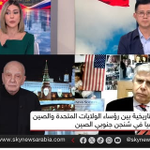
My participation in the debate on Skynews with the bright @imanelahsky on the trilateral summit in China and its significance and ramifications. The Summit, as expected, did not produce any breakthrough. Yet it laid the ground for a strategic framework among the three leaders to prevent crises and their escalations into full-scale regional or international wars!
#USA #China #Russia
youtu.be/hYZ30EtMBKw?si=PrCd…


My 45-minute, one-on-one interview with Eliana on El-Siyasah, @elsiyasa, discussing major geopolitical developments, U.S. foreign policy, the Iranian regime, and Israel’s confrontation with Hezbollah in Lebanon.
My main points:
The unprecedented trilateral meeting between Presidents @POTUS , Xi Jinping, and Vladimir Putin has not produced major breakthroughs on the Iranian and Ukrainian wars. Nevertheless, its strategic significance should not be underestimated by laying the groundwork for a broader strategic framework governing relations among the three powers, aimed at preventing crises or, at the very least, preventing their escalation into full-scale wars.
Washington and Beijing, as expected, reached an agreement on tariffs. This development underscores the willingness of both powers to manage their economic rivalry pragmatically, even as their broader geopolitical and strategic competition persists.
The Iranian regime is gravely mistaken if it believes that a Democratic-controlled Congress would effectively shackle President Trump’s hands in confronting Tehran. Although congressional opposition could complicate the administration’s policies, it would not necessarily prevent the president from exercising his constitutional authority, particularly in matters involving national security and military operations.
The Iranian regime continues to provoke the United States into renewed military confrontation, operating under two dangerously mistaken assumptions: first, that it can withstand another devastating American-Israeli military campaign without jeopardizing its survival; and second, that surviving such a confrontation would enable it to consolidate its regional hegemony, particularly over the Arab Gulf. I believe Tehran is making a profound strategic miscalculation. Should hostilities resume, Washington and Israel could launch a devastating military campaign targeting Iranian military capabilities, critical infrastructure, and senior regime officials. Such an operation could severely undermine the regime’s ability to govern and project power.
Israel is unlikely to withdraw fully from Lebanon as long as Hezbollah remains armed and poses a military threat. Senior American officials, including U.S. Ambassador to the United Nations Mike Waltz, have emphasized the importance of Hezbollah’s disarmament. Waltz’s recent meeting with Lebanese Parliament Speaker Nabih Berri further underscores Washington’s engagement with this critical issue.
Whatever understanding Washington and Tehran may eventually reach, Israel’s strategic policy toward Lebanon is unlikely to change fundamentally. Israel considers Hezbollah’s military infrastructure and capabilities an unacceptable threat to its national security. Although a full-scale Israeli invasion of Beirut may be unlikely, Israel could continue conducting military operations against Hezbollah targets throughout Lebanon. In other words, a U.S.–Iran agreement would not necessarily translate into an Israeli–Hezbollah ceasefire or a fundamental change in Israel’s security calculations.
The Lebanese government must translate its commitments into concrete actions to restore the state’s sovereignty and monopoly over the legitimate use of force. This requires implementing disarmament measures in designated pilot areas and, I would argue, extending these measures to Beirut. The government cannot indefinitely defer its sovereign responsibilities because of concerns about renewed civil conflict. Although the risks of internal confrontation must be taken seriously, I believe they are frequently overstated and used to justify political paralysis. No sovereign state can function effectively when an armed organization maintains an independent military structure and exercises authority beyond the control of legitimate state institutions.
#USA #Lebanon #Israel #Iran @LBpresidency @nawafsalam @IsraelMFA @Isaac_Herzog @FAUpresident @FloridaAtlantic @ASMEASCHOLARS @fadilaskynews @fchahwan
youtu.be/Tce4z3FMew4?si=E7Qw…

115
My interview with the astute and savvy @fadilaskynews on #Skynews on the Muslim Brotherhood!
@ASMEASCHOLARS @FAUpresident @FloridaAtlantic
youtu.be/WknEPpky004?si=iNfQ…

My interview with the keen and savvy @ShannonCake on #Newsmax on @POTUS visit to China and his meetings with Presidents Xi and Putin!
@ASMEASCHOLARS @FloridaAtlantic @FAUpresident

71
مشاركتي في النقاش حول جماعة الإخوان المسلمين وتداعياتها على الأمن القومي والسياسة الخارجية الأمريكية، عبر شاشة #سكاي_نيوز_عربية (#الإمارات)، مع الإعلامي المتمكن والفصيح سامي قاسمي، وذلك في أعقاب وصف الرئيس الأمريكي دونالد ترامب جماعة الإخوان المسلمين بأنها تشكّل تهديداً أكبر من الشيوعية.
أبرز النقاط التي طرحتها خلال النقاش:
كما أشرت بالأمس، فإن تصريحات الرئيس دونالد ترامب تمثّل تحولاً محتملاً ذا أهمية بالغة في الأولويات الأيديولوجية والاستراتيجية لواشنطن. فبينما شكّلت الشيوعية تاريخياً التهديد الأيديولوجي الرئيسي للولايات المتحدة خلال الحرب الباردة، يرى الرئيس ترامب اليوم أن جماعة الإخوان المسلمين والإسلام السياسي يشكّلان تهديدين رئيسيين في المرحلة الراهنة. ومن شأن هذا التوصيف أن تترتب عليه تداعيات بعيدة المدى على السياسة الأمريكية تجاه الجماعة والتنظيمات المرتبطة بها.
• توسيع نطاق المواجهة مع جماعة الإخوان المسلمين: قد يؤدي موقف الإدارة الأمريكية إلى إطلاق حملة أكثر شمولاً وكثافة ضد جماعة الإخوان المسلمين والتنظيمات التابعة لها أو المرتبطة بها، سواء داخل الولايات المتحدة أو خارجها. وقد توسّع السلطات الفيدرالية تحقيقاتها وتسعى إلى إدراج المزيد من هذه التنظيمات على قوائم المنظمات الإرهابية الأجنبية (FTOs) أو الإرهابيين العالميين المصنّفين تصنيفاً خاصاً (SDGTs). غير أن هذه التصنيفات يجب أن تستوفي المعايير القانونية المعمول بها، بما في ذلك توافر أدلة على ممارسة أنشطة إرهابية، أو تقديم دعم مادي يندرج ضمن التعريفات القانونية ذات الصلة، أو تمويل الإرهاب، أو الانخراط في أنشطة أخرى مشمولة بالصلاحيات القانونية الخاصة بهذه التصنيفات.
• تعزيز الرقابة والتحقيقات على المستويين الفيدرالي والولائي: قد تكثّف السلطات الفيدرالية وسلطات الولايات تدقيقها في المنظمات المشتبه في وجود روابط عملياتية أو مالية بينها وبين كيانات مصنّفة إرهابية. وقد يشمل ذلك منظمات تعمل تحت مظلات إنسانية أو خيرية أو ثقافية أو دينية أو اجتماعية وسياسية.
• المواجهة مع الإخوان المسلمين لم تنشأ من فراغ: ففي 24 نوفمبر/تشرين الثاني 2025، أصدر الرئيس ترامب الأمر التنفيذي رقم 14362، الذي أطلق بموجبه مساراً لتصنيف فروع محددة من جماعة الإخوان المسلمين منظماتٍ إرهابية.
ومن المهم الإشارة إلى أن جماعة الإخوان المسلمين ليست تنظيماً واحداً يخضع لقيادة مركزية موحّدة، بل هي حركة عابرة للحدود تتسم باللامركزية، وتعمل فروعها في بيئات سياسية وتنظيمية مختلفة، وأحياناً تحت مسميات متعددة. وهذا ما يساعد على تفسير النهج الأمريكي القائم على استهداف فروع محددة من الجماعة، بما في ذلك تنظيماتها في مصر والأردن ولبنان، ولاحقاً السودان.
ماذا يمكن أن نتوقع في المستقبل؟
ثمة تطورات محتملة قد تعيد رسم نطاق واتجاه السياسة الأمريكية تجاه جماعة الإخوان المسلمين والتنظيمات المرتبطة بها.
أولاً: اتساع نطاق الإجراءات على مستوى الولايات الأمريكية.
قد تحذو ولايات أمريكية أخرى حذو فلوريدا وتكساس في السعي إلى تصنيف تنظيمات مرتبطة بجماعة الإخوان المسلمين منظماتٍ إرهابية، أو فرض تدابير تقييدية أخرى عليها، وذلك ضمن حدود الصلاحيات القانونية المعمول بها.
ثانياً: توسيع نطاق الملاحقة والتحقيقات الأمريكية ليشمل تنظيمات في أوروبا.
قد توسّع واشنطن نطاق تدقيقها في التنظيمات المرتبطة بالإخوان المسلمين والعاملة في الدول الأوروبية، بما فيها تنظيمات سبق أن صنّفتها مصر أو دول أخرى منظماتٍ إرهابية.
وقد تفضي هذه التحقيقات إلى إدراج بعض تلك التنظيمات على قوائم الإرهاب الأمريكية، إذا توافرت أدلة كافية تستوفي الشروط القانونية اللازمة، بصرف النظر عمّا إذا كانت الدول الأوروبية المضيفة تتفق مع التقييم الأمريكي لهذه التنظيمات أم لا.
ثالثاً: احتمال اعتماد مقاربة أمريكية أكثر تشدداً وشمولاً في التعامل مع بعض تنظيمات الإخوان المسلمين والكيانات المرتبطة بها.
وهذا هو الاحتمال الأكثر أهمية من الناحية الاستراتيجية، إذ قد تتبنى واشنطن نهجاً أكثر حزماً واتساعاً، مستفيدة من بعض أدوات مكافحة الإرهاب وآليات إنفاذ القانون العابرة للحدود التي استخدمتها في مواجهة عصابات المخدرات المصنّفة منظماتٍ إرهابية.
غير أن اعتماد مثل هذا النهج سيظل مرهوناً بالصلاحيات القانونية المتاحة، وبوجود أدلة تربط تنظيمات محددة بأنشطة تستوفي المعايير القانونية اللازمة لتصنيفها منظماتٍ إرهابية.
وخلاصة القول، إن هذه الاحتمالات تشير إلى أن السياسة الأمريكية تجاه جماعة الإخوان المسلمين قد تتطور من استهداف تنظيمات وفروع محددة إلى حملة داخلية ودولية أوسع نطاقاً وأكثر تنسيقاً، تستهدف الكيانات التي يثبت تورطها في الإرهاب أو تقديم الدعم له.
• وأخيراً، من الضروري التمييز بوضوح بين الإسلام بوصفه ديناً، والإسلام السياسي بوصفه أيديولوجيا سياسية.
فالإسلام دين متنوع في مدارسه وتقاليده، يعتنقه ملايين الأمريكيين ومليارات البشر حول العالم، في حين يشمل الإسلام السياسي حركات تسعى إلى تنظيم السلطة السياسية والمجتمع وفق تفسيرات مختلفة للإسلام، من بينها تفسيرات راديكالية ومتشددة.
ومن هنا، تقع على عاتق القادة السياسيين الأمريكيين مسؤولية تجنب الخطاب الذي يخلط بين الإسلام والتطرف، أو يوصم الأمريكيين المسلمين، أو يعمّق الاستقطاب الديني والسياسي داخل المجتمع الأمريكي.
إن مكافحة الإرهاب والتطرف يجب أن تستند إلى الأدلة والسلوك الإجرامي والمعايير القانونية، لا إلى الانتماء الديني أو الهوية الإسلامية.
#الإخوان_المسلمون #الولايات_المتحدة #سكاي_نيوز_عربية
#MuslimBrotherhood #USA #SkyNews @SamyKasmiSKY @fadilaskynews @fchahwan @TransparencyLBN #UAE #KSA #Egypt @ASMEA @SecRubio @potus @FloridaAtlantic @FAUpresident @bilarakib #MTVlb
youtu.be/SvnV-YlRZ-Y?si=lDz6…


1
359
My participation in the debate on the Muslim Brotherhood and its implications for U.S. national security and foreign policy on #SkyNewsArabia (#UAE), following President Donald J. Trump characterization of the Muslim Brotherhood as a greater threat than communism with the eloquent @SamyKasmiSKY
My main points:
As I mentioned yesterday @POTUS statement represents a potentially significant shift in #Washington's ideological and strategic priorities. Whereas communism historically constituted the principal ideological threat to the #unitedstatesofamerica during the Cold War, President Trump now identifies the Muslim Brotherhood and political Islamism as major contemporary threats. This characterization could have far-reaching implications for U.S. policy toward the Brotherhood and organizations affiliated with it.
• The administration's position could lead to a broader and more intensive campaign against the Muslim Brotherhood and its affiliated organizations, both domestically and internationally. Federal authorities may expand investigations and pursue additional designations as Foreign Terrorist Organizations (FTOs) or Specially Designated Global Terrorists (SDGTs). Such designations, however, must satisfy applicable legal criteria, including evidence of terrorist activity, qualifying material support, financing, or other conduct covered by the relevant designation authority.
• Federal and state authorities may intensify scrutiny of organizations suspected of maintaining operational or financial connections to designated terrorist entities. These could include organizations operating under humanitarian, charitable, cultural, religious, or sociopolitical umbrellas.
• The administration's confrontation with the Muslim Brotherhood did not emerge in a vacuum. On November 24, 2025, President Trump issued Executive Order 14362, initiating a process to designate certain Muslim Brotherhood chapters as terrorist organizations. Importantly, the Brotherhood is not a single, centrally controlled organization but a decentralized transnational movement whose branches operate in different political and organizational environments, sometimes under different names. This helps explain Washington's chapter-specific approach, targeting Brotherhood organizations in Egypt, Jordan, Lebanon, and subsequently Sudan.
Looking ahead, several significant developments could reshape the scope and direction of U.S. policy toward the Muslim Brotherhood (MB) and its affiliated organizations.
First, additional U.S. states may follow the examples of Florida and Texas in pursuing terrorist designations or other restrictive measures against organizations identified as affiliated with the Muslim Brotherhood, subject to applicable legal authority.
Second, Washington could expand its scrutiny of MB-affiliated organizations operating in Europe, including those already designated as terrorist organizations by Egypt or other countries. Such investigations could potentially lead to U.S. terrorist designations if sufficient evidence establishes the requisite legal grounds, regardless of whether the European host countries share Washington's assessment.
Third, and perhaps most consequentially, Washington could adopt a more aggressive and comprehensive approach toward certain Muslim Brotherhood entities and affiliates, potentially drawing on elements of the counterterrorism and transnational enforcement strategies employed against designated drug cartels. Such an approach would depend on the legal authorities available and evidence linking specific organizations to activities that meet the statutory criteria for designation.
Taken together, these possibilities suggest that U.S. policy toward the Muslim Brotherhood could evolve from targeting specific organizations to a broader, more coordinated domestic and international campaign against entities found to be involved in terrorism or its support.
• Finally, it is imperative to distinguish Islam as a religion from political Islamism as an ideology. Islam is a diverse religious tradition practiced by millions of Americans and billions worldwide, whereas political Islamism encompasses movements seeking to organize political authority and society according to radical interpretations of Islam. American political leaders must therefore avoid rhetoric that conflates Islam with extremism, stigmatizes Muslim Americans, or deepens religious and political polarization.
#MuslimBrotherhood #usa #SkyNews
youtu.be/SvnV-YlRZ-Y?si=lDz6…


1
1
101
My participation in the debate on the Muslim Brotherhood and its implications for U.S. national security and foreign policy on #SkyNewsArabia (#UAE) and #AlMashhadTV, following President Donald J. Trump characterization of the Muslim Brotherhood as a greater threat than communism with delightful and sharp @MichellaSKY and Dr. Mu'taz.
My main points:
• @POTUS statement represents a potentially significant shift in #Washington's ideological and strategic priorities. Whereas communism historically constituted the principal ideological threat to the #unitedstatesofamerica during the Cold War, President Trump now identifies the Muslim Brotherhood and political Islamism as major contemporary threats. This characterization could have far-reaching implications for U.S. policy toward the Brotherhood and organizations affiliated with it.
• The administration's position could lead to a broader and more intensive campaign against the Muslim Brotherhood and its affiliated organizations, both domestically and internationally. Federal authorities may expand investigations and pursue additional designations as Foreign Terrorist Organizations (FTOs) or Specially Designated Global Terrorists (SDGTs). Such designations, however, must satisfy applicable legal criteria, including evidence of terrorist activity, qualifying material support, financing, or other conduct covered by the relevant designation authority.
• Federal and state authorities may intensify scrutiny of organizations suspected of maintaining operational or financial connections to designated terrorist entities. These could include organizations operating under humanitarian, charitable, cultural, religious, or sociopolitical umbrellas.
• The administration's confrontation with the Muslim Brotherhood did not emerge in a vacuum. On November 24, 2025, President Trump issued Executive Order 14362, initiating a process to designate certain Muslim Brotherhood chapters as terrorist organizations. Importantly, the Brotherhood is not a single, centrally controlled organization but a decentralized transnational movement whose branches operate in different political and organizational environments, sometimes under different names. This helps explain Washington's chapter-specific approach, targeting Brotherhood organizations in Egypt, Jordan, Lebanon, and subsequently Sudan.
• Finally, it is imperative to distinguish Islam as a religion from political Islamism as an ideology. Islam is a diverse religious tradition practiced by millions of Americans and billions worldwide, whereas political Islamism encompasses movements seeking to organize political authority and society according to radical interpretations of Islam. American political leaders must therefore avoid rhetoric that conflates Islam with extremism, stigmatizes Muslim Americans, or deepens religious and political polarization.
#skynews #alMashhad #MTVlB @fadilaskynews @fchahwan @ASMEASCHOLARS @FAUpresident @SecRubio
youtu.be/7P8ikcASSgM?si=LYOh…
youtu.be/NGyTexb5d2c?si=wIU0…


الانتخابات النصفية الأمريكية وأزمة إيران: دروس للجمهوريين وتحذير لطهران
على مدى الأيام القليلة الماضية، شاركتُ في عدد من المناظرات والحوارات التلفزيونية على شبكات عربية، ولا سيما سكاي نيوز عربية الإماراتية وقناة المشهد، إلى جانب قناة i24NEWS الإسرائيلية وهيئة الإذاعة البريطانية (BBC)، تناولت الانتخابات النصفية الأمريكية والأزمة الإيرانية المستمرة.أتوجه بجزيل الشكر إلى فضيلة، وكارولينا، وماجد، وجمانة، ولورين، والدكتور معتز. وفيما يلي أبرز ملاحظاتي واستنتاجاتي
:1. انتكاسة جمهورية كبيرة... وجرس إنذار
لا شك في أن الحزب الجمهوري وإدارة ترامب تعرضا لانتكاسة سياسية كبيرة. وكان حاكم ولاية فلوريدا المنتهية ولايته، رون ديسانتيس، من بين القلة من القيادات الجمهورية التي أبدت استعداداً للاعتراف بحجم الهزيمة وتداعياتها دون تجميل أو تقليل من شأنها.وأستحضر هنا بوضوح المقولة السياسية الشهيرة لجيمس كارفيل خلال الحملة الرئاسية لبيل كلينتون عام 1992: «إنه الاقتصاد يا غبي!».فقد كان ارتفاع تكاليف المعيشة والقفزة الكبيرة في أسعار البنزين والديزل من العوامل الرئيسية التي غذّت استياء الناخبين. ومع ذلك، لا يمكن عزو الهزيمة الجمهورية إلى العوامل الاقتصادية وحدها، بل كانت نتيجة مجموعة من العوامل المتعددة والمتشابكة.
2. الديمقراطيون فهموا المزاج الشعبي بصورة أفضل
كانت الرسالة الديمقراطية واضحة ومركزة ومتوافقة بفاعلية مع اهتمامات الرأي العام، وفي مقدمتها ارتفاع تكاليف المعيشة، وما وصفه الديمقراطيون بأنه حرب اختيارية مع إيران.في المقابل، دارت ردود الجمهوريين، في كثير من الأحيان، حول قضايا شخصية وثقافية ودينية، بدلاً من تقديم إجابات مقنعة على انتقادات الديمقراطيين، أو صياغة خطاب سياسي متماسك يبرز إنجازات ترامب، بدءاً من قوة الاقتصاد وأداء سوق الأسهم، وصولاً إلى ضبط الجريمة والهجرة.وقد أظهرت شخصيات ديمقراطية تتمتع بالكاريزما، من بينها عبد السيد، قدرة لافتة على الرد على المرشحين والقيادات الجمهورية بلباقة وفاعلية.ولعل أكثر ما أثار دهشتي هو التفاوت الواضح في الكاريزما السياسية والقدرة على التواصل مع الأمريكيين العاديين. ففي هذا الجانب، بدا المرشحون الديمقراطيون أكثر فاعلية بصورة ملحوظة مقارنة بنظرائهم الجمهوريين.
3. الجمهوريون يخسرون جيل الشباب الأمريكي
ربما يتمثل أحد أكثر أوجه الإخفاق الجمهوري خطورة في اتساع الفجوة بين الحزب وقطاعات مهمة من الشباب الأمريكي.فقد دأب الجمهوريون على اتهام الشباب الأمريكي بالشيوعية أو الإسلاموية أو الماركسية أو تبني أفكار اليقظة الأيديولوجية (Woke)، أو بالتطرف. لكنني نادراً ما سمعت محاولة جادة لفهم الأسباب التي دفعت بعض شرائح الجيل الأمريكي الجديد إلى الاقتراب من هذه الأفكار، أو حتى شرحها للرأي العام.إن إطلاق التصنيفات السياسية لا يغني عن الفهم السياسي. كما أن رفض جيل كامل أو وصمه لن يكسب الحزب ثقته أو تأييده.يتعين على الجمهوريين فهم العوامل الاقتصادية والاجتماعية والثقافية والفكرية التي تشكل وعي الشباب الأمريكي وتوجهاتهم، حتى يتمكنوا من التعامل معها ومواجهتها قبل أن يأملوا في استعادة التواصل مع هذا الجيل.
4. الحزب الجمهوري بحاجة إلى التجديد لا التقليد
أمام الجمهوريين الكثير من العمل إذا أرادوا تجاوز هذه المرحلة. وعليهم أن يدركوا أن دونالد ترامب شخصية سياسية استثنائية، لها طبيعتها الخاصة وأسلوبها في التواصل وغرائزها السياسية التي لا يمكن استنساخها ببساطة. ولذلك، ينبغي للقيادات الجمهورية أن تطور هويتها السياسية الخاصة بدلاً من محاولة تقليده.يحتاج الحزب إلى إعادة بناء علاقته بالجيل الأمريكي الشاب، واستعادة ثقة الجمهور بقيادته السياسية.لقد حان الوقت للانتقال:
من عقلية الأقدمية والنفوذ السياسي الراسخ، إلى الكفاءة والجدارة والاستحقاق.
من استغلال موقع الرئيس لتحقيق المكاسب والمصالح الشخصية، إلى النزاهة وخدمة الصالح العام.
من التفكير السياسي التقليدي المتجاوز للزمن، الذي ينتمي إلى القرن العشرين، إلى فهم متطور وعميق لعالم اليوم.
من الشعارات السياسية والاتهامات الأيديولوجية، إلى الكاريزما والمعرفة والأخلاق والانخراط الحقيقي والهادف مع الناخبين.وعلى الجمهوريين إعادة اكتشاف مبدأين سياسيين عريقين أثبتا صلاحيتهما عبر الزمن:«إنه الاقتصاد يا غبي!»و«كل السياسة محلية».فهذان ليسا مجرد شعارين انتخابيين، بل درسان راسخان في أهمية فهم هموم الناس اليومية، واحترام أولوياتهم، وكسب ثقتهم.
5. إيران: سوء تقدير خطير من جانب طهران
أما فيما يتعلق بإيران، فإن موقفي واضح لا لبس فيه: سيكون النظام الإيراني مخطئاً بصورة جسيمة إذا فسّر تفضيل الرئيس ترامب التوصل إلى حل دبلوماسي للأزمة باعتباره علامة ضعف. كما سيكون مخطئاً بالقدر نفسه إذا افترض أن سيطرة الديمقراطيين على الكونغرس ستؤدي بالضرورة إلى تقييد التحرك الرئاسي أو شلّه.لقد شن النظام الإيراني حملة عدائية متواصلة ضد الولايات المتحدة، عبر وسائل معلنة وأخرى سرية، منذ الثورة الإسلامية عام 1979. ومع ذلك، أخفق الجمهوريون إلى حد كبير في توضيح هذا السياق التاريخي والمبررات الاستراتيجية لمواجهة طهران أمام الرأي العام الأمريكي.وقد أتاح هذا الإخفاق أن ينحصر النقاش بصورة غير متوازنة في التكاليف الاقتصادية والسياسية المباشرة للمواجهة، دون تقديم شرح كافٍ لأبعادها التاريخية الأوسع وارتباطها بالأمن القومي الأمريكي.ينبغي لطهران أن تدرك أن تفضيل الرئيس ترامب للدبلوماسية لا يعني التخلي عن الخيارات العسكرية. كما ينبغي للقيادة الإيرانية ألا تفترض أن الانقسامات السياسية الداخلية في واشنطن ستمنع بالضرورة اتخاذ إجراءات حاسمة.وتقديري أن النظام الإيراني يخاطر بفقدان ما تبقى لديه من أوراق ضغط وقدرات عسكرية إذا رفض تقديم تنازلات حقيقية وذات مغزى للرئيس ترامب.ولا يزال احتمال تنفيذ ضربة عسكرية أمريكية معدّة مسبقاً، وربما بالتنسيق مع إسرائيل، تستهدف المنشآت العسكرية والبنية التحتية الاستراتيجية الأخرى في إيران، أمراً مطروحاً بجدية إذا قرر الرئيس أن المسار الدبلوماسي قد استنفد أغراضه.ومن شأن مثل هذا القرار أن يحمل تداعيات عميقة على مستقبل النظام الإيراني.
الخلاصة
إن المشهد السياسي الأمريكي يشهد تحولات مهمة، وهناك دروس أساسية يتعين على الحزبين استخلاصها.فعلى الجمهوريين إعادة بناء جسور التواصل مع الأمريكيين العاديين، ولا سيما الأجيال الشابة، وإعادة اكتشاف أهمية الكفاءة الاقتصادية، والمصداقية السياسية، والقيادة الأخلاقية، والقدرة على التواصل الفعّال مع الجمهور.أما طهران، فعليها ألا تخلط بين ضبط النفس الدبلوماسي والضعف الاستراتيجي. فالنافذة المتاحة للتوصل إلى تسوية تفاوضية قد لا تظل مفتوحة إلى أجل غير مسمى.وفي نهاية المطاف، فإن القيادة السياسية الحقيقية تقوم على فهم الناس، واستشراف التغيير، وإدراك عواقب الحسابات الاستراتيجية الخاطئة.
@fadilaskynews @skynewsarabia @almashhadmedia #usa #iran #republicanparty #DemocraticParty @fchahwan @Majed_alfaresi
youtu.be/AGhO9osrTqY?si=M7_G…
youtu.be/ZfGqyE1PKvE?si=T_1Y…
youtu.be/wznpSGuzYqg?si=7rZq…
youtu.be/AOWus2cMXus?si=EtEh…


مشاركتي اليوم في النقاش حول قضية الصحراء الغربية والفيتو الروسي ضد المقترح الأمريكي، على قناة #SkyNews #UAE، مع الإعلامية المتميزة #imanelahsky.
أبرز النقاط التي طرحتها:
المبادرة الأمريكية: استناداً إلى قرار مجلس الأمن رقم 2797 الصادر في 31 أكتوبر 2025، قدمت واشنطن مقترحاً لتعديل ولاية بعثة الأمم المتحدة للاستفتاء في الصحراء الغربية (MINURSO)، التي أُنشئت في أبريل 1991 بموجب قرار مجلس الأمن رقم 690. ويهدف المقترح الأمريكي إلى الدفع نحو تسوية سياسية تقوم على اندماج الصحراء الغربية مع المغرب في إطار صيغة للحكم الذاتي المحلي.
الفيتو الروسي: استخدمت روسيا حق النقض (الفيتو) ضد المقترح الأمريكي الذي سعى إلى تجديد ولاية بعثة المينورسو وفق شروط معدّلة، وطالبت بدلاً من ذلك بتمديد تقني لولاية البعثة لمدة عام واحد. ومن المهم الإشارة إلى أن روسيا لم تستخدم الفيتو ضد القرار 2797 العام الماضي، الذي أقرّ بمقترح الحكم الذاتي المغربي باعتباره أساساً للتوصل إلى تسوية سياسية.
الرد على اتهامات الانحياز الأمريكي والهيمنة: يستند الموقف الأمريكي إلى إخفاق المسار الأممي في تنفيذ الاستفتاء لأكثر من ثلاثة عقود. وفي الواقع، أقرت تقييمات متعاقبة للأمم المتحدة بالصعوبات الكبيرة التي تحول دون تنظيم مثل هذا الاستفتاء. ففي عام 1996، عُلّقت عملية تحديد هوية الناخبين، وسط خلافات مستمرة حول معايير الأهلية للتصويت، الأمر الذي أدى فعلياً إلى تجميد مسار الاستفتاء.
الدعم الدولي: أيدت 11 دولة المقترح الأمريكي، في حين كانت روسيا الدولة الوحيدة التي استخدمت الفيتو ضده. وعقب التصويت، دعا العاهل المغربي الأمم المتحدة إلى إعادة النظر في استمرار وجود بعثة المينورسو وولايتها، بما في ذلك احتمال إنهاء دور البعثة في ملف الصحراء الغربية.
التداعيات الإقليمية: أدى الفيتو الروسي إلى خلق فراغ سياسي ودبلوماسي قد يؤدي إلى تصاعد التوترات، وربما تجدد الأعمال العدائية بين القوات المغربية وجبهة البوليساريو، بما يقوض فرص تحقيق الاستقرار الإقليمي.
الحسابات الجيوسياسية الأوسع: يرى بعض المراقبين أن الفيتو الروسي يندرج في إطار استراتيجية موسكو الأوسع لممارسة الضغوط على واشنطن والمجتمع الدولي. وإلى جانب المواجهة المتعلقة بإيران، قد تسعى موسكو إلى توظيف هذا الملف لتعزيز أوراقها التفاوضية وانتزاع تنازلات بشأن أوكرانيا، حتى لو جاء ذلك على حساب الاستقرار في الصحراء الغربية.
في نهاية المطاف، ثمة خطر من أن تتحول قضية الصحراء الغربية إلى ساحة أخرى تتغلب فيها حسابات التنافس بين القوى الكبرى على فرص تحقيق السلام الإقليمي والتوصل إلى تسوية دبلوماسية.
#skynews #usa #Morocco #Russia #westernsahara @ImaneLahSKY @fadilaskynews @MichellaSKY @potus @SecRubio @michaelgwaltz
youtu.be/DGlo7eiU_JU?si=fn_q…


My participation today in the debate on Western Sahara and Russia’s veto of the American proposal on #UAE #SkyNews, with sharp anchor #imanelahsky.
My main points:
The American initiative: Building on UNSCR 2797, adopted on October 31, 2025, Washington introduced a proposal to revise the mandate of MINURSO (the United Nations Mission for the Referendum in Western Sahara), established in April 1991 under UNSCR 690. The American proposal sought to advance a political settlement based on Western Sahara's integration with Morocco under an autonomy arrangement (and local autonomy).
Russia’s veto: Russia vetoed the American proposal, which sought to renew MINURSO's mandate on revised terms, and instead called for a technical extension of the mission for one year. Importantly, Russia did not veto Resolution 2797 last year, which endorsed Morocco's autonomy proposal as the basis for a political settlement.
Responding to accusations of American bias and hegemony: Washington's position is rooted in the failure of the UN process to implement a referendum for more than three decades. Indeed, successive UN assessments have acknowledged the considerable difficulties in organizing such a referendum. The voter-identification process was suspended in 1996 amid persistent disagreements over voter eligibility, effectively stalling the referendum process.
International support: Eleven countries supported the American proposal, while Russia was the sole country to veto it. Following the vote, Morocco's King called for the UN to reconsider MINURSO's continued presence and mandate, including the possibility of ending the mission's involvement in the Western Sahara file.
Regional implications: Russia's veto has created a political and diplomatic vacuum that could heighten tensions and potentially revive hostilities between Moroccan forces and the Polisario Front, undermining the prospects for regional stability.
The broader geopolitical calculation: Some observers interpret Russia's veto as part of Moscow's broader strategy to exert pressure on Washington and the international community. In addition to the confrontation over Iran, Moscow may be seeking leverage to extract concessions on Ukraine, potentially at the expense of stability in Western Sahara.
Ultimately, the Western Sahara dispute risks becoming another arena in which great-power competition undermines the prospects for regional peace and diplomatic resolution.
#usa #Russia #westernsahara #Morocco @potus @SecRubio
youtu.be/DGlo7eiU_JU?si=fn_q…


2
150
My participation in the debate on the implications of Israel’s elections for President Donald Trump’s policy toward Iran on #uae #SkyNews.
My main points in response to the anchor’s questions:
@POTUS endorsement of @IsraeliPM #Netanyahu does not preclude him from working effectively with a different Israeli prime minister. The U.S.–Israel relationship is strategic and extends beyond individual political leaders.
Importantly, General Gadi Eisenkot is also a hardliner on Iran. While he may differ with Netanyahu on tactics and operational approaches, he is unlikely to diverge fundamentally on the strategic imperatives of Israel’s national security, particularly regarding Iran.
Vice President JD Vance’s letter to Mohsen Rezaei, Secretary of Iran’s Supreme National Security Council, reflects President Trump’s consistent preference for reaching a political agreement with Tehran, with the nuclear issue at its core. However, should diplomacy fail to produce a meaningful agreement, the prospect of a major American military strike against Iran, most likely in coordination with #Israel, remains very real.
#usa #iran #JDVance @gadi_eisenkot #Israel @skynewsarabia
youtu.be/nCB2QYGJszQ?si=h6Tb…


1
205
My participation in the debate @i24NEWS_AR about #Israel’s recent elections and the prospects of a military strike against Iran.
My main points:
Diplomacy remains @POTUS 's preferred option, but not an open-ended one. Vice President JD Vance’s letter to Mohsen Rezaei, Secretary of Iran’s Supreme National Security Council, reflects Washington’s continued preference for reaching a political agreement with Tehran, with the nuclear issue at its core. However, should diplomacy fail to produce a meaningful agreement, the prospect of a major American military strike against Iran, most likely in coordination with #Israel, remains very real.
General Gadi Eisenkot is also a hardliner on Iran. Although he differs with Netanyahu on tactics and operational approaches, he does not fundamentally diverge from him on the strategic assessment of Iran’s threat to Israel’s national security.
A joint American-Israeli strike against Iran would likely be severe and extensive. Potential targets would include the regime’s command-and-control centers, missile platforms, nuclear facilities, and military infrastructure. The Iranian regime might survive politically, but the destruction of its institutional and military capabilities could severely undermine its ability to govern effectively.
Iran would undoubtedly retaliate, as its officials have repeatedly threatened, by targeting civilian infrastructure in the Arab Gulf, including vital facilities, as well as American military bases. Nevertheless, I do not share the apocalyptic predictions voiced by the other guest and some participants that the entire Arab Gulf would be engulfed in flames. We have heard similar threats before, including Hezbollah’s repeated claims that it could destroy Israel at the push of a button. Such rhetoric should not be confused with actual strategic capabilities or outcomes.
Ultimately, Iran stands to be the biggest loser in a renewed military confrontation. It would therefore be in the Iranian regime’s interest to take Vice President JD Vance’s letter seriously and pursue a meaningful diplomatic agreement rather than risk a devastating military confrontation.
#iran #Israel #usa #IRGC #JDVance #GadiEisenkot #PMNetanyahu
youtu.be/8veO8wO3VtM?si=8St4…


1
150
