
2 sisters on a mission to make science easier to understand. Jess is a bioengineering PhD student at Caltech, Kate is an art director at an ad agency.
- Tweets69
- Following75
- Followers38
- Likes3

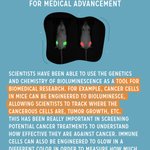






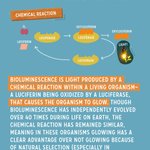


ALT Scientists have been able to use the genetics and chemistry of bioluminescence as a tool for biomedical research. For example, cancer cells in mice can be engineered to bioluminesce, allowing scientists to track where the cancerous cells are, tumor growth, etc. This has been really important in screening different cancer treatments to understand how effective they are against cancer. Immune cells can also be engineered to glow in a different color in order to measure how much of an immune response will be triggered as well.


ALT What is the gut microbiome?

ALT Many of the initial findings on the importance of the gut microbiome were made possible by the development of mice with no microbes (germ-free mice) that live in sterile environments. Germ-free mice have disrupted immune systems, digestion, neurological development and homeostasis, and even altered cognition, anxiety, and social behaviors when compared to genetically-identical mice with microbiomes. The current challenge is understanding which microbes or microbiome community structure promotes the appropriate development and function of these systems.
