
A personal account representing my views alone and not necessarily the institution I serve.
Kuwait
Joined June 2009
- Tweets2.2K
- Following1.3K
- Followers344
- Likes1.5K





Sulaiman Al-Rubaie - Personal Acct retweeted

قوة امريكا التي لن تجدها الا فيها ومن بعدها في بريطانيا في التنوع ،
انظر للموظفين في احد اكثر شركات العالم ابتكارا
التنوع يثري الثقافة والصناعة والابتكار ، حيث أن أصولك أو جذورك ليس لها أي وزن
غالبا معظهم ابناء جيل اول في امريكا او ثاني بالكثير
العنصرية تقتل التنوع

Sulaiman Al-Rubaie - Personal Acct retweeted

A man who died 23 years ago may explain Palestine better than anyone on television today.
A new documentary has brought Edward Said back to life. And if you want to understand Palestine, the Western media, and why an entire people have spent generations fighting for the right to tell their own story, put this film on your must-watch list.
Edward Said: Between Worlds (2026), directed by Maiken Baird, is a 107-minute documentary unlike the usual parade of historians and experts telling us what to think.
For the first time, filmmakers were given full access to the Said family archives.
Decades of previously unseen home movies, private recordings, rare television interviews, public confrontations and lectures have been assembled into a film in which Said largely tells his own story.
It premiered at the Toronto International Film Festival, has travelled to festivals around the world and won a Special Jury Prize in São Paulo.
But who was Edward Said?
Born in Jerusalem in 1935, he became one of the twentieth century's most influential intellectuals, teaching at Columbia University and writing Orientalism, the 1978 book that exposed how the West had spent centuries inventing its own versions of Eastern peoples, describing them, classifying them and claiming intellectual authority over them.
A Palestinian telling the West that perhaps the people it had colonised understood their own existence better than their colonisers did.
And doing so with such intellectual brilliance that ignoring him became increasingly difficult.
One particularly devastating moment in the documentary takes us back to 1992.
Said returns to the Jerusalem house where he played as a little boy, captured in the family home movies his father had filmed.
The house is still there.
His childhood isn't.
And the building now houses an office of a Christian Zionist organisation.
He cannot bring himself to knock.
That single scene says more about exile than a hundred political speeches.
Said died in 2003.
He never lived to see what happened to Gaza after October 7, 2023. But he spent decades explaining how Palestinians were dispossessed not only of their land, but of the authority to describe what had happened to them.
And why their suffering so often had to be translated into language acceptable to Western audiences before it was considered worthy of attention.
That is what makes this documentary so urgently relevant.
In a world overflowing with people explaining Palestinians to everybody else, here is a Palestinian explaining himself.
No one can accuse Edward Said of having nothing to say.
The question is whether we are finally prepared to listen.
Edward Said: Between Worlds (2026). Remember the title. Watch it when you get the opportunity.

عجيب كم من الصدمات يستطيع المرء أن يحتمل، وكم من الأخبار المؤلمة يستطيع القلب أن يستوعب. وحين تضيق بنا الدنيا، لا يبقى لنا سوى حسن الظن بالله، والتوكل عليه، واليقين بأن في تدبيره حكمة وإن عجزنا عن إدراكها.
لا حول ولا قوة إلا بالله، عليه توكلنا وإليه أنبنا، وهو حسبنا ونعم الوكيل. الهم اكتب لنا صالح الاخبار و افضل الاقدار.
Are major international shipping operators profiteering from the Hormuz closure?
How does a container shipment on a Chinese vessel, presumably at lower risk from Iran, jump from $1,500 to $12,000+ a container? Even factoring in insurance, fuel surcharges and disruption, an eightfold increase is difficult to justify.
Rates to less risky GCC destinations aren't much cheaper either.
Is this genuinely a reflection of higher costs, or are some shipping companies exploiting strong demand and a region that can still afford to pay, albeit for now? Consumers will suffer.
1
144
On a solemn Friday night, I remember Apollon Maykov's:
"The darker the night, the brighter the stars.
The deeper the sorrow, the closer to God."
94
Sulaiman Al-Rubaie - Personal Acct retweeted

#محمد_عبدالله_الزامل
انتقل إلى رحمة الله العم محمد العبد الله الزامل
تغمده الله بجناته ورضوانه ، رجل الفضل والصلاح والنقاء
تابعوا هذا الفيديو منه لتروا كيف كان صفاؤه وبهاؤه
في قلبه إيمان ومحبة ونبل ووفاء ، اللهم ضيفه جناتك وفردوسك ورضاك

Sulaiman Al-Rubaie - Personal Acct retweeted

This paper answers why confident idiots run the world.
Cornell University published a psychological paper that explains every terrible boss, every loud influencer, and every broken corporate hierarchy.
It’s called “Unskilled and Unaware of It.”
they tested participants across logic, grammar, and humor to measure the gap between actual performance and self-perception.
And the results are wild.
participants scoring in the bottom 12th percentile consistently believed they were operating in the 62nd percentile.
they were not lying. they were literally incapable of recognizing their own incompetence.
the paper revealed a brutal paradox:
the exact skills required to master a domain are the exact same skills required to accurately evaluate your own competence in that domain.
if you lack the skill, you inherently lack the cognitive capacity to realize you are failing.
this creates a dangerous systemic loop.
the incompetent are blessed with absolute, blinding certainty. their brain protects them from their own ignorance, allowing them to speak first, demand authority, and never second-guess their decisions.
meanwhile, the actual experts suffer the exact inverse.
top performers in the study consistently underestimated their rank. because a task was easy for them, they falsely assumed it was easy for everyone else.
they hesitate. they obsess over nuance. they assume they have nothing unique to add.
we are biologically wired to confuse confidence with competence.
the loudest person in the room gets promoted, gets funded, and gets the microphone, not because they know what they are doing, but because they are physically incapable of seeing what they don't.
the only defense mechanism is building systems that stop rewarding absolute certainty and start demanding proof of work.

Sulaiman Al-Rubaie - Personal Acct retweeted

في حضرة.. المنزل!
أجبرتني بعض الظروف الصحية في الفترة الأخيرة على ملازمة المنزل أياماً متواصلة، أنا الذي لم أعرف بيتي منذ سنوات إلا في ساعات المساء المتأخرة وأيام العطل القليلة، فوجدت نفسي فجأة جالساً في مكان أعرف تفاصيله كلها، لكنني لا أعرف ما يحدث فيه، أشبه بمن يسكن فندقاً فاخراً ويظن أنه يعرف كيف يُدار!
في اليوم الأول راقبت، وفي الثاني بدأت أرى، وفي الثالث أدركت أنني كنت أعيش طوال هذه السنوات في بيت خلتني أعرف كل تفاصيله، فزوجتي التي كنت أعود إليها كل ليلة وأظنها قضت يومها في روتين هادئ كانت تقضيه في معركة لا تهدأ، صوت يرتفع هنا، وواجب لم يُنجز هناك، ومشكلة في المدرسة تحتاج اتصالاً، وخلاف بين الأبناء يحتاج قاضياً، وطعام يجب أن يكون جاهزاً في وقته، وموعد يجب ألا يُنسى، وكل ذلك يحدث في وقت واحد، ولا أحد يرى، ولا أحد يصفق، ولا أحد يسألها في نهاية اليوم: كيف كان يومك؟
تذكرت كم تجادلت معها مرات كثيرة لأنني لا أشعر بالتقدير، أنا الذي أعمل ليل نهار كي لا يحتاج هذا البيت شيئاً، وكنت أرى في تعبي الحجة التي تكفي لإقناع أي قاض عادل، فاكتشفت في تلك الأيام أن تعبي لا يُقارن أبداً بتعبها، فتعبي له بداية ونهاية، وله مكتب أغلق بابه حين أغادر، وله زملاء يشاركونني الهم، وله راتب وشكر وترقية، أما تعبها كأم فلا باب له يُغلق، ولا ساعة انتهاء، ولا أحد يضع اسمها على لوحة التميز في نهاية الشهر، وصدقوني يا أصدقائي، ما كنت لأتبادل الأدوار معها يوماً واحداً بعدما رأيت ما رأيت!
لكن لعل الاكتشاف الأصعب لم يكن عن زوجتي ودورها العظيم في المنزل، بل عن أبنائي الذين كنت أظن أنني أعرفهم جيدا، أعرف من منهم الهادئ ومن المشاغب، ومن يحب الدراسة ومن يهرب منها، وكانت تلك الدقائق التي أقضيها معهم كل مساء بعد عودتي من العمل تكفيني كي أرسم لكل واحد منهم صورة أركن إليها، فإذا بي أرى في أيام قليلة ما لم أره في سنوات، فالهادئ ليس هادئاً، بل صامت عن شيء يتعبه، والمشاغب ليس مشاغباً، بل يبحث عمن ينتبه إليه، والذي ظننته لا يحب الدراسة يجلس ساعات أمام كتابه حين لا أكون في البيت، وأدركت أن الدقائق المسائية التي كنت أراهم فيها كانوا يعرضون لي فيها النسخة التي أريد أن أراها، لا النسخة التي يعيشونها!
هنا كان الوجع اللطيف، أن تكتشف أن انطباعاتك عن بيتك لم تكن حقائق بل أمنيات، وأن عقلك كان يرسم لك صورة بيت مستقر وأبناء على ما يرام وزوجة تدير الأمور بسهولة، لا لأن هذا هو الواقع، بل لأن هذه هي الصورة التي تريحك كي تذهب إلى عملك بضمير مرتاح، فنحن لا نرى بيوتنا كما هي، بل كما نريدها أن تكون، ونسمي ذلك اطمئناناً وهو في حقيقته إغلاق للعينين بإرادتنا!
أعرف أن معظمنا لا يستطيع أن يلازم بيته أياماً كي يكتشف ما اكتشفته، لكن الأمر لعله لا يحتاج إلى كل ذلك، فربما يكفي أن نصدق من نتهمهم بأنهم لا يفهمون تعبنا حين يقولون إنهم متعبون هم أيضاً، وأن نسأل بدلاً من أن نفترض، وأن نجلس في بيوتنا ساعة ونحن حاضرون فعلاً لا بأجسادنا فقط، وأن ننتبه إلى أن الشخص الذي يشاركنا البيت قد يكون أكثر من يعرفنا وأقل من نعرفه!
عدت إلى عملي، لكن الرجل الذي خرج من البيت ذلك الصباح ليس هو الرجل الذي لازمه تلك الأيام، فأنا لم أعد أستطيع أن أدخل بيتي كزائر مطمئن يسأل سؤالاً واحداً ويكتفي بإجابة واحدة، ولم أعد أصدق أن تعبي وحده يملأ هذا البيت، فبعض التجارب لا تمر بنا بل تمر فينا، وتترك خلفها شخصاً لا يعرف كيف يعود إلى ما كان عليه... أو لا يريد!
د. سليمان الخضاري
alqabas.com/article/5971008 :إقرأ المزيد


Sulaiman Al-Rubaie - Personal Acct retweeted

أورد الرحالة والصحفي الدنماركي هاكون ميلشه، الذي زار الكويت في منتصف الخمسينيات (١٩٥٤م) في بدايات نهضتها، في كتابه "علاء الدين يقود سيارة كاديلاك" أنه سأل الشيخ عبدالله السالم طيب الله ثراه سؤالاً (استشرافياً) عمّا سيحدث إذا نضبت آبار النفط أو ظهر مصدر آخر للطاقة يحل محله، فرد عليه الشيخ:
"حين يتوقف النفط عن التدفق، أو يحل محله شيء آخر، سيكون أهل الكويت قد بلغوا من الثقافة مستوى يرفعهم عالياً فوق كثير من شعوب الشرق الأوسط. وسيصبحون فينيقيي الخليج، يتاجرون في البلاد الأجنبية بمنتجات الشعوب الأخرى. وستغدو الكويت مدينة هانزيّة* للعالم العربي، تدع الأعمال الثقيلة لغيرها وتتاجر في المنتجات المصنّعة" **
__________________________________
* التشبيه بالمدن الهانزية (Hansa City) يحيل إلى المدن التجارية الأوروبية التي بنت ازدهارها على التجارة والوساطة بين الأسواق
** من مقال د. يوسف بدر البدر في مجلة "الرسالة" الصادرة عن مركز البحوث والدراسات الكويتية (عدد ٩٦ - اكتوبر ٢٠٢٦م)


I keep returning to this beautiful poem by Pacheco. Thought of sharing it.
Si vuelvo alguna vez por el camino andado no quiero hallar ni ruinas ni nostalgia.
Lo mejor es creer que pasó todo
como debía.
Y al final me queda
una sola certeza:
haber vivido.
Jose Emilio Pacheco
1
133
Sulaiman Al-Rubaie - Personal Acct retweeted
تكلفة تريلير تنقل كونتير من جدة الى الدمام ١٨٥٠ دينار يعني ٢٣ الف ريال او درهم
هذه تكلفة "كارثية" استمراراها يعني تضخم غير طبيعي باسعار السلع
نحتاج بالكويت اما ان نستثمر مع الامارات او المملكة لبناء بنيه تحتيه متكامله تتجاوز هرمز بتكاليف معقولة

🇦🇪 الإمارات تعمل على استراتيجية «صفر هرمز».. ماذا يعني ذلك؟
أبوظبي تنفق مليارات الدولارات لتقليل اعتمادها على مضيق هرمز عبر بناء مسارات بديلة تشمل:
🛢️ نقل النفط عبر الأنابيب إلى الفجيرة خارج المضيق
⚓ توسعة الموانئ على بحر عُمان
🚆 ربط الموانئ والمناطق الصناعية عبر قطار الاتحاد
🇴🇲 الاستفادة من موانئ عُمان كمسارات بديلة
🚛 نقل جزء أكبر من التجارة براً بدلاً من المرور بحراً عبر هرمز
🎯 الهدف: إنشاء شبكة لوجستية تسمح باستمرار تصدير النفط وحركة التجارة حتى في حال تعطل الملاحة في مضيق هرمز.
باختصار: الإمارات تستثمر اليوم لتشتري شيئاً لا يُقدّر بثمن وقت الأزمات… طريقاً بديلاً لهرمز. 🇦🇪🌍

نشارك أشقاءنا في المملكة العربية السعودية فرحتهم بـ #اليوم_الوطني_السعودي 🇸🇦🇰🇼
نسأل الله أن يديم على المملكة وشعبها الأمن والرخاء، وأن تتواصل مسيرة الإنجاز والنمو والازدهار، ومن نجاح إلى نجاح ان شاء الله.
اللهم احفظ خليجنا، وقِه من كل شر، وأدم عليه نعمة الأمن والأمان والاستقرار والرخاء.
204
Sulaiman Al-Rubaie - Personal Acct retweeted

Robert Rubin, a former US Treasury Secretary, was paid around 120 million dollars at the top of Citibank. When the bank nearly collapsed in 2008, he blamed an event nobody could have predicted, apologized, and kept every cent.
Nassim Taleb has a name for that. He calls it the Bob Rubin trade: you keep the upside when you are right, and someone else pays when you are wrong. His whole philosophy, and this talk at Google, exists to kill it.
His fix is almost four thousand years old. The first written law we have, Hammurabi's code, said that if a builder's house collapsed and killed the owner, the builder was put to death. Strip away the cruelty and one rule is left standing: you cannot walk away from a risk you created for someone else.
Everything in the talk is that rule in disguise. A plumber is judged by the client whose pipe he fixed, so plumbing works. An economist is judged by other economists, which is how you can hand a Nobel to two men who say opposite things. Any job graded by your peers instead of by reality eventually rots. A pilot is the opposite, because he cannot fool the sky. Taleb asked the room what happens to pilots who only pretend to be experts.
"They died and their passengers died."
That is exactly why flying is safe.
Here is the part worth keeping. Listen from about 22:50. The oldest law humans ever wrote down was not about gods or gold. It was one sentence forcing the people who build things to stand underneath them. "You should own your risks."
Before you take anyone's advice, find out what happens to them if they are wrong. If the answer is nothing, it was never advice. It was a sales pitch.
Sulaiman Al-Rubaie - Personal Acct retweeted

In 1988 Ross Johnson bid $112 a share to buy his own company, RJR Nabisco. The board sold it to someone else for $109.
He was not outbid. His number was the highest in the room.
The man who won did worse than the man who lost.
Johnson started it. In October 1988 the CEO of the company behind Oreos and Camels offered $75 a share to take it private with his own management team. He picked the price and he picked the moment.
The logic was not stupid. Nobody knew that business better than the man running it every day, and a CEO buying his company from a market that underprices it is one of the oldest trades there is.
What he did not price was the announcement itself. The moment a CEO says his company is worth $75, everyone else gets to bid. KKR came in. For 6 weeks the numbers went up, until Johnson's group reached $112 and KKR stopped at $109. The board took the lower number because it trusted it more. Johnson lost the company and left with a payout estimated at more than $50 million.
KKR paid about $25 billion, $31 billion counting debt. By Bloomberg's count in 1995, it had bought in at an adjusted $5.62 a share and sold its last stake 7 years later at $5.73. The biggest buyout in history earned its investors well under 1% a year.
The footage is Henry Kravis telling it himself. He makes a point of saying his firm did not start the fight, management did. They borrowed $14 billion from banks, he says, and were afraid of being the people who brought down the banking system. Then the detail almost nobody repeats: while the board argued all day, it offered KKR something like $250 million, in his words, to give it 2 more weeks. KKR refused on the spot. We want to own this company, he says, we are not in the fee business.
I have won an auction I started and later wished I had lost. The price looked fine the day I paid it. It was just the one number I had stopped questioning.
You do a smaller version of this every time you say a number first. The salary you ask for. The price you list your house at. The offer you open with. The first number does not only anchor the person across the table. It tells everyone else the thing is for sale.
Almost nobody asks who else is listening before they name a price.
إلى مجلس إدارة جمعية النزهة 'الموقر'، وتحديداً من وافق على افتتاح كل هذه المقاهي - سامحكم الله على ما فعلتموه. منطقة صغيرة وهادئة وسكنية، حوّلتوها إلى تجمع للمقاهي، وما يصاحبها من زحمة سيارات، وضوضاء، وتكدس ومواقف عشوائية، في مكان أساساً لم يُصمم ولا يتحمل هذا النوع من الازعاج
الأخ الفاضل عضو الجمعية مشاري البدر اتصل ووضّح مشكوراً أن صلاحيات الجمعية محدودة في هذا الموضوع، حيث إن المحلات مصنّفة أساساً كمطاعم ومخابز، والمقاهي دخلت المناقصات وفازت لان التصنيف جامع. كل الشكر للأخ النشيط مشاري على التوضيح.... يتبع
1
324
Sulaiman Al-Rubaie - Personal Acct retweeted
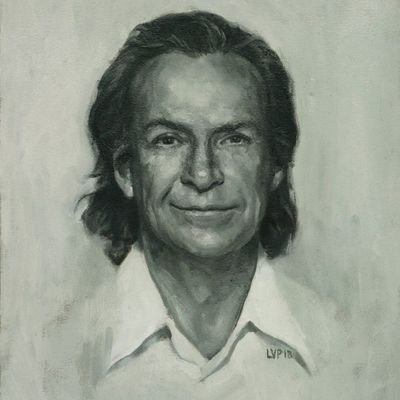
The problem is not people being uneducated.
The problem is that people are educated just enough to believe what they have been taught, and not educated enough to question anything from what they have been taught.
Sulaiman Al-Rubaie - Personal Acct retweeted

Singapore sits on one of the world’s busiest sea lanes. That is luck. Turning it into a great port, airport, and later a finance centre is work.
Ships and planes do not stay where berths are slow and rules are foggy. Location is a gift. Competence cashes the gift.
Lee Kuan Yew also forced the country to save. The Central Provident Fund took a slice of wages for housing, health, and old age. It looked harsh.
It built a nation of owners and a pool of long term money. A country that saves can invest. A country that only spends waits for the next loan.
He paid for a serious civil service. Cheap officials are expensive. They steal, they delay, they drive talent away. Able people were paid to serve, and those who still stole were punished.
Factories need night shifts. Women need to come home safely. Managers need to know a contract will be enforced. Crime and riots destroy capital faster than a tax. Stability was the climate business needs.
He did not do it alone. Goh Keng Swee on finance and industry. Lim Kim San on housing. A strong cabinet and a civil service that could execute. The myth is one genius. The reality is an efficient team to execute.
There were hard bargains. National service. Strict rules on public behaviour. Limits he judged necessary in a crowded, multi racial city. Many of these are still argued over. His bet was simple. A tiny island cannot afford the slack a large country can.
When the local pool was small, he brought in talent and firms, while pushing Singaporeans up the skill ladder.
He treated water, land, and time as scarce. Reclaim land. Catch rain. Recycle water. Choose the airport site for 30 years later, not for this year’s ease.
He also kept the politics boring on purpose. Few wild swings. A factory approved in year one was not cancelled in year four for a new slogan. Compound growth loves a government that keeps its word.
That is the Singapore's prosperity story. Not one trick. A stack of hard habits that other countries admire and rarely copy for long.