

Reformed Presbyterian Christian (RPCNA). Husband and father. Former website manager at Log College Press. Interests include church history and old books.
Massanutten, VA
Joined November 2025
- Tweets587
- Following545
- Followers542
- Likes4.8K


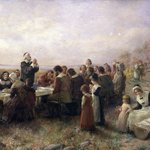



"Thanksgiving Day is a fitting time to inventory your mercies and blessings. Set all your family to the pitch of the one hundred and third Psalm; and hang on the wall over your Thanksgiving dinner these mottoes — 'A merry heart is a good medicine' — and 'He that is of a cheerful heart hath a continual feast.'" — 𝐓𝐡𝐞𝐨𝐝𝐨𝐫𝐞 𝐋𝐞𝐝𝐲𝐚𝐫𝐝 𝐂𝐮𝐲𝐥𝐞𝐫, ‘𝐴 𝑀𝑒𝑟𝑟𝑦 𝐻𝑒𝑎𝑟𝑡 𝐷𝑜𝑒𝑡ℎ 𝐺𝑜𝑜𝑑': 𝐴 𝑇𝑎𝑙𝑘 𝐹𝑜𝑟 𝑇ℎ𝑎𝑛𝑘𝑠𝑔𝑖𝑣𝑖𝑛𝑔 𝐷𝑎𝑦 (1897) [pictured: Jennie A. Brownscombe, 𝑇ℎ𝑒 𝐹𝑖𝑟𝑠𝑡 𝑇ℎ𝑎𝑛𝑘𝑠𝑔𝑖𝑣𝑖𝑛𝑔 𝑎𝑡 𝑃𝑙𝑦𝑚𝑜𝑢𝑡ℎ (1914)]

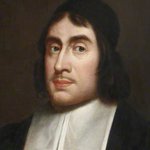
"Thanks-giving is good, but Thanks-living is better." — 𝐏𝐡𝐢𝐥𝐢𝐩 𝐇𝐞𝐧𝐫𝐲 in 𝐌𝐚𝐭𝐭𝐡𝐞𝐰 𝐇𝐞𝐧𝐫𝐲, 𝐴𝑛 𝐴𝑐𝑐𝑜𝑢𝑛𝑡 𝑜𝑓 𝑡ℎ𝑒 𝐿𝑖𝑓𝑒 𝑎𝑛𝑑 𝐷𝑒𝑎𝑡ℎ 𝑜𝑓 𝑀𝑟. 𝑃ℎ𝑖𝑙𝑖𝑝 𝐻𝑒𝑛𝑟𝑦, 𝑀𝑖𝑛𝑖𝑠𝑡𝑒𝑟 𝑜𝑓 𝑡ℎ𝑒 𝐺𝑜𝑠𝑝𝑒𝑙 (1698), p. 218 [pictured: 𝑃ℎ𝑖𝑙𝑖𝑝 𝐻𝑒𝑛𝑟𝑦'𝑠 𝑓𝑎𝑚𝑖𝑙𝑦 𝑎𝑡 𝐵𝑟𝑜𝑎𝑑 𝑂𝑎𝑘]

"Christians, you have but a little way to go, ... a few more tears shed, a few more Sabbaths kept, and then your hopes shall be crowned with the beautifical sight of God." — 𝐓𝐡𝐨𝐦𝐚𝐬 𝐖𝐚𝐭𝐬𝐨𝐧, 𝐻𝑒𝑎𝑣𝑒𝑛 𝑇𝑎𝑘𝑒𝑛 𝐵𝑦 𝑆𝑡𝑜𝑟𝑚 (1670), p. 165

2
86
One of many books (or sets) that I have available on sale currently. Genres include Covenanter, American Presbyterian, Puritan and other branches of church history, as well as general interest. Please ask me for the whole list if interested.
𝐉𝐚𝐦𝐞𝐬 𝐖. 𝐀𝐥𝐞𝐱𝐚𝐧𝐝𝐞𝐫, 𝑇ℎ𝑜𝑢𝑔ℎ𝑡𝑠 𝑜𝑛 𝐹𝑎𝑚𝑖𝑙𝑦 𝑊𝑜𝑟𝑠ℎ𝑖𝑝 (1847). Hardcover. This is a first edition copy of a classic work on family worship. The cover is red; the spine is chipped and has some wear, but overall, the condition of the book is good. Condition: Good. [$80.00]


46
"There is always excellency enough in God and Christ, to entertain your thankfulness, to draw out your thankfulness and praises….
There is no condition so sad, but somewhat is good that is mingled with it; no darkness so dark, but some light withal; no misery so miserable, but some mercy withal. Heaven is all mercy, and hell is all misery: but this life is made up of both, it is a twilight, some good in every condition; and therefore, in every thing we are to give thanks unto God." — 𝐖𝐢𝐥𝐥𝐢𝐚𝐦 𝐁𝐫𝐢𝐝𝐠𝐞, 𝑇ℎ𝑎𝑛𝑘𝑓𝑢𝑙𝑛𝑒𝑠𝑠 𝑅𝑒𝑞𝑢𝑖𝑟𝑒𝑑 𝑖𝑛 𝐸𝑣𝑒𝑟𝑦 𝐶𝑜𝑛𝑑𝑖𝑡𝑖𝑜𝑛 in 𝑊𝑜𝑟𝑘𝑠 4:95

"He who believes in God without reserve, and is determined that God shall be God to him in all his thinking, feeling, mental willing — in the entire compass of his life-activities, intellectual, moral, spiritual, throughout all his individual, social, religious relations — is, by the force of that strictest of all logic which presides over the outworking of principles into thought and life, by the very necessity of the case, a Calvinist." — 𝐁.𝐁. 𝐖𝐚𝐫𝐟𝐢𝐞𝐥𝐝, 𝐶𝑎𝑙𝑣𝑖𝑛𝑖𝑠𝑚: 𝑇ℎ𝑒 𝑀𝑒𝑎𝑛𝑖𝑛𝑔 𝑎𝑛𝑑 𝑈𝑠𝑒𝑠 𝑜𝑓 𝑡ℎ𝑒 𝑇𝑒𝑟𝑚 (1908) [pictured: Henry Mosler, 𝑃𝑖𝑙𝑔𝑟𝑖𝑚'𝑠 𝐺𝑟𝑎𝑐𝑒 (1897)]

74
"It is the duty of the magistrate not only to regard that the life of his subjects be civil and honest, but also that it be religious and godly. Therefore we are taught to pray for them, that we may live under them a peaceable life, not only in all honesty, but also in all godliness, or true worship of God, as the word used by the Apostle doth signify. Therefore the King was commanded to take a copy of the whole law, and not of the second table only, implying that he should look to the execution as well of the first table as the second." — 𝐄𝐝𝐰𝐚𝐫𝐝 𝐋𝐞𝐢𝐠𝐡, Preface to 𝐴 𝑆𝑦𝑠𝑡𝑒𝑚 𝑜𝑟 𝐵𝑜𝑑𝑦 𝑜𝑓 𝐷𝑖𝑣𝑖𝑛𝑖𝑡𝑦 (1654) [pictured: Jean Leon Gerome Ferris, 𝑇ℎ𝑒 𝑀𝑎𝑦𝑓𝑙𝑜𝑤𝑒𝑟 𝐶𝑜𝑚𝑝𝑎𝑐𝑡, 1620]

"A complete definition of prayer is obtained by combining the two answers of the Larger and Shorter Catechism, thus: 'Prayer is an offering up of our desires unto God 𝑓𝑜𝑟 𝑡ℎ𝑖𝑛𝑔𝑠 𝑎𝑔𝑟𝑒𝑒𝑎𝑏𝑙𝑒 𝑡𝑜 ℎ𝑖𝑠 𝑤𝑖𝑙𝑙, in the name of Christ, 𝑏𝑦 𝑡ℎ𝑒 ℎ𝑒𝑙𝑝 𝑜𝑓 ℎ𝑖𝑠 𝑆𝑝𝑖𝑟𝑖𝑡, with confession of our sins and thankful acknowledgment of his mercies.' The clauses italicized above are the only two which are not found in both; for it is a little singular that, whilst otherwise identical, there should be in each the omission of an element necessary to the completeness of the idea, which the other exactly supplies.
The Shorter Catechism, for example, limits the objects of true prayer to things agreeable to the divine will; whilst the Larger Catechism brings distinctly into view the agency of the Holy Ghost in the inditing of our petitions. It may be true that what is omitted in each is nevertheless taught by necessary implication. We cannot, for instance, offer up our desires to God, except 'for things agreeable to his will,' without being guilty of a presumption which shall vitiate the worship; and we cannot intelligently prayer 'in the name of Christ,' without a reliance upon 'the other Comforter,' who 'brings to our remembrance whatsoever he hath said.'
Nevertheless, a definition is formally incomplete which does not specify everything essential to that which is defined. The Westminster divines practically admit this by adding to the definition in one place what they omit in the other; which is, therefore, rendered perfect only when the two statements are united." — 𝐁𝐞𝐧𝐣𝐚𝐦𝐢𝐧 𝐌𝐨𝐫𝐠𝐚𝐧 𝐏𝐚𝐥𝐦𝐞𝐫 (1818-1902), 𝑇ℎ𝑒𝑜𝑙𝑜𝑔𝑦 𝑜𝑓 𝑃𝑟𝑎𝑦𝑒𝑟 𝑎𝑠 𝑉𝑖𝑒𝑤𝑒𝑑 𝑖𝑛 𝑡ℎ𝑒 𝑅𝑒𝑙𝑖𝑔𝑖𝑜𝑛 𝑜𝑓 𝑁𝑎𝑡𝑢𝑟𝑒 𝑎𝑛𝑑 𝑖𝑛 𝑡ℎ𝑒 𝑆𝑦𝑠𝑡𝑒𝑚 𝑜𝑓 𝐺𝑟𝑎𝑐𝑒 (1894), pp. 13-14

56
"He that loves God loves his Bible." — 𝐌𝐚𝐭𝐭𝐡𝐞𝐰 𝐇𝐞𝐧𝐫𝐲 on Deut. 6:6 [pictured: Thomas Waterman Wood, 𝑅𝑒𝑎𝑑𝑖𝑛𝑔 𝑡ℎ𝑒 𝑆𝑐𝑟𝑖𝑝𝑡𝑢𝑟𝑒𝑠 (1874)]

1
1
100
"Hope the best, and get ready for the worst, and then take what God sends." — 𝐌𝐚𝐭𝐭𝐡𝐞𝐰 𝐇𝐞𝐧𝐫𝐲, 𝐷𝑖𝑟𝑒𝑐𝑡𝑖𝑜𝑛𝑠 𝐹𝑜𝑟 𝐷𝑎𝑖𝑙𝑦 𝐶𝑜𝑚𝑚𝑢𝑛𝑖𝑜𝑛 𝑊𝑖𝑡ℎ 𝐺𝑜𝑑 in 𝑊𝑜𝑟𝑘𝑠 1:224 [pictured: Jean Geoffroy, 𝑇ℎ𝑒 𝑃𝑟𝑎𝑦𝑒𝑟 𝑜𝑓 𝑡ℎ𝑒 𝐻𝑢𝑚𝑏𝑙𝑒 (1893)]

𝐁𝐞𝐧𝐣𝐚𝐦𝐢𝐧 𝐁𝐫𝐞𝐜𝐤𝐢𝐧𝐫𝐢𝐝𝐠𝐞 𝐖𝐚𝐫𝐟𝐢𝐞𝐥𝐝 was born on this day in history, 𝐍𝐨𝐯𝐞𝐦𝐛𝐞𝐫 𝟓, 𝟏𝟖𝟓𝟏, at "Grassmere," near Lexington, Kentucky. He was the son of a cattle and horse breeder (William Warfield) and and the grandson of Presbyterian minister Robert Jefferson Breckinridge. His brother, Ethelbert Dudley Warfield, like B.B., became a Presbyterian minister and educator. The Warfields were taught the Westminster Shorter Catechism in their youth, and it was impressed upon their minds and hearts.
B.B. Warfield early on wanted to pursue scientific endeavors, but after studying at the College of New Jersey in Princeton from 1868 to 1871, and taking trip to Europe, announced in 1872 his intention to pursue the ministry. He studied at Princeton Theological Seminary from 1873 to 1876. He was licensed to preach in 1875, and his first preaching ministry was in 1876 at Dayton, Ohio. That same year he married Miss Annie Pearce Kinkead, and together they traveled to Europe. In 1877, he was called to serve as an assistant pastor in Baltimore. The next year he became an instructor at Western Theological Seminary in Allegheny, Pennsylvania, and in 1878, he was appointed to serve there as Professor of New Testament Exegesis and Literature where he labored until in 1887 he was called to teach at Princeton Theological Seminary. He served there until his death as the Charles Hodge Professor of Didactic and Polemic Theology.
He was of a keen intellect, and his heart was devoted to the service of his Lord and Savior, which enabled him to teach others not only about Scriptural exegesis, theology, and history, but also about the inner life of a theological student and pastor. His editorship of 𝑇ℎ𝑒 𝑃𝑟𝑒𝑠𝑏𝑦𝑡𝑒𝑟𝑖𝑎𝑛 𝑅𝑒𝑣𝑖𝑒𝑤, 𝑇ℎ𝑒 𝑃𝑟𝑒𝑠𝑏𝑦𝑡𝑒𝑟𝑖𝑎𝑛 𝑎𝑛𝑑 𝑅𝑒𝑓𝑜𝑟𝑚𝑒𝑑 𝑅𝑒𝑣𝑖𝑒𝑤, and 𝑇ℎ𝑒 𝑃𝑟𝑖𝑛𝑐𝑒𝑡𝑜𝑛 𝑇ℎ𝑒𝑜𝑙𝑜𝑔𝑖𝑐𝑎𝑙 𝑅𝑒𝑣𝑖𝑒𝑤, was a remarkable service to the church. He wrote hundreds of book reviews, and published numerous articles and books on a wide range of topics. His Works were published in ten volumes after his death.
He was stricken with angina pectoris on December 24, 1920, which was witnessed by J.G. Vos, and died on February 16, 1921, at Princeton, New Jersey (William C. Robinson wrote about his experience attending Warfield's last day on that very day). J.G. Machen wrote to his mother that "Dr. Warfield’s funeral took place yesterday afternoon at the First Church of Princeton . . . It seemed to me that the old Princeton—a great institution it was—died when Dr. Warfield was carried out."
He was one of the giants of Old Princeton, and his legacy still lives on through his writings, and through the influence of those he taught. He pointed others to Christ:
"We have but one Saviour; and that one Saviour is Jesus Christ our Lord. Nothing that we are and nothing that we can do enters in the slightest measure into the ground of our acceptance with God. Jesus did it all." — 𝐁.𝐁. 𝐖𝐚𝐫𝐟𝐢𝐞𝐥𝐝, "The Saving Christ" in 𝑇ℎ𝑒 𝑃𝑜𝑤𝑒𝑟 𝑜𝑓 𝐺𝑜𝑑 𝑈𝑛𝑡𝑜 𝑆𝑎𝑙𝑣𝑎𝑡𝑖𝑜𝑛 (1903), p. 49

"What should saints do (in case of national sins or judgments) but assemble and tremble together, as here; but vow and perform reformation to the Lord their God." — 𝐉𝐨𝐡𝐧 𝐓𝐫𝐚𝐩𝐩 on Ezra 9:4 [pictured: 𝐸𝑧𝑟𝑎 𝑅𝑒𝑎𝑑𝑠 𝑡ℎ𝑒 𝐿𝑎𝑤 𝑃𝑢𝑏𝑙𝑖𝑐𝑙𝑦 (1700)]

2
72
"Times are bad, God is good." — 𝐑𝐢𝐜𝐡𝐚𝐫𝐝 𝐒𝐢𝐛𝐛𝐞𝐬 on 2 Cor. 4:6 in 𝑊𝑜𝑟𝑘𝑠 4:317 [pictured: Fausto Zonaro, 𝑀𝑒ℎ𝑚𝑒𝑡 𝐼𝐼 𝐶𝑜𝑛𝑞𝑢𝑒𝑟𝑖𝑛𝑔 𝐶𝑜𝑛𝑠𝑡𝑎𝑛𝑡𝑖𝑛𝑜𝑝𝑙𝑒 (1903)]

4
82
"There is one political maxim which comforts me: 'The Lord reigns.'" — 𝐉𝐨𝐡𝐧 𝐍𝐞𝐰𝐭𝐨𝐧, 𝑇ℎ𝑒 𝑊𝑜𝑟𝑘𝑠 𝑜𝑓 𝐽𝑜ℎ𝑛 𝑁𝑒𝑤𝑡𝑜𝑛 (1831 ed.), Vol. 1, p. 324

"Herein shineth the matchless love of God, that he would not so far abandon lost mankind but he would have a new and holy community to himself from among them, and would love those who had nothing loveworthy in themselves more than they who were left in their miserable estate." — 𝐆𝐞𝐨𝐫𝐠𝐞 𝐇𝐮𝐭𝐜𝐡𝐞𝐬𝐨𝐧 on John 3:16 [pictured: Henry Ossawa Tanner, 𝑇ℎ𝑒 𝑇ℎ𝑎𝑛𝑘𝑓𝑢𝑙 𝑃𝑜𝑜𝑟 (1894)]

1
79
"The Psalter is the poetry of spiritual life; its beauty, power, and freshness never fail, for it does not consist of abstract impersonal effusions, or of subjective theological dogmas. Difference of age and country at once fades away. Therefore the Psalms have always been cherished companions, not simply because they are a body of divine truth, bearing on man's highest interests, but because they come home to human experiences, and tenderly touch them on so many points; because they are not only the true elements of public worship, but may also be murmured in earnest soliloquy as the spirit of confidence and joyousness lifts itself to God." — 𝐉𝐨𝐡𝐧 𝐄𝐚𝐝𝐢𝐞, 𝑇ℎ𝑒 𝐸𝑛𝑔𝑙𝑖𝑠ℎ 𝐵𝑖𝑏𝑙𝑒 (1876) 1:32-33 [pictured: William Teulon Blandford Fletcher, 𝑇ℎ𝑒 𝑅𝑒𝑎𝑑𝑖𝑛𝑔 𝑜𝑓 𝑡ℎ𝑒 𝑃𝑠𝑎𝑙𝑚𝑠 (1911)]

"One of the things that really consolidated the faith in France was the Psalms. It was a way in which, again, the popular piety could be expressed. It was a way in which — if you could sing a Psalm, it was almost like a secret handshake; you knew you were one of the Reformed….It was the secret weapon of the Reformation." — 𝐃𝐫. 𝐉𝐨𝐡𝐧 𝐁𝐨𝐰𝐞𝐫 [pictured: Edwin White, 𝐸𝑣𝑒𝑛𝑖𝑛𝑔 𝐻𝑦𝑚𝑛 𝑜𝑓 𝑡ℎ𝑒 𝐻𝑢𝑔𝑢𝑒𝑛𝑜𝑡𝑠]

3
110
"When our Lord and Master Jesus Christ said, 'Repent' (Mt 4:17), he willed the entire life of believers to be one of repentance." — 𝐌𝐚𝐫𝐭𝐢𝐧 𝐋𝐮𝐭𝐡𝐞𝐫, 𝑁𝑖𝑛𝑒𝑡𝑦-𝐹𝑖𝑣𝑒 𝑇ℎ𝑒𝑠𝑒𝑠 (1517) [pictured: Ferdinand Pauwels, 𝐿𝑢𝑡ℎ𝑒𝑟 𝐻𝑎𝑚𝑚𝑒𝑟𝑠 𝐻𝑖𝑠 95 𝑇ℎ𝑒𝑠𝑒𝑠 𝑡𝑜 𝑡ℎ𝑒 𝐷𝑜𝑜𝑟 (1872)

2
41
"[Martin Luther's] choice of October 31, the eve of All Saints’ Day, for posting the Theses, has also its very distinct significance. This choice was determined by something more than a desire to gain for them the publicity which that day provided. All Saints’ Day was not merely the anniversary of the consecration of the church, elaborate services on which were attended by thousands. It was also the day on which the great collection of relics accumulated oy the Elector was exhibited; and to the veneration of them and attendance on the day’s services special indulgences were attached. It was, in a word, Indulgence Day at Wittenberg; and that was the attraction which brought the crowds thither on it. Luther, we have just pointed out, had preached a sermon against indulgences on the preceding October 31. On this October 31 he posts his Theses. The coincidence is not accidental. The Theses came not at the beginning but in the middle of his attack on indulgences, and have in view, not Tetzel and his Jubilee indulgences alone, but the whole indulgence system." — 𝐁.𝐁. 𝐖𝐚𝐫𝐟𝐢𝐞𝐥𝐝, 𝑇ℎ𝑒 𝑁𝑖𝑛𝑒𝑡𝑦-𝐹𝑖𝑣𝑒 𝑇ℎ𝑒𝑠𝑒𝑠 𝑖𝑛 𝑇ℎ𝑒𝑖𝑟 𝑇ℎ𝑒𝑜𝑙𝑜𝑔𝑖𝑐𝑎𝑙 𝑆𝑖𝑔𝑛𝑖𝑓𝑖𝑐𝑎𝑛𝑐𝑒 (1917)

2
89
𝐖𝐢𝐥𝐡𝐞𝐥𝐦𝐮𝐬 𝐚̀ 𝐁𝐫𝐚𝐤𝐞𝐥 died on this day in history, 𝐎𝐜𝐭𝐨𝐛𝐞𝐫 𝟑𝟎, 𝟏𝟕𝟏𝟏, in Rotterdam, the Netherlands. Born on January 2, 1635, in Leeuwarden, the Netherlands, his godly parents were Theodorus, a minister of the gospel, and Margaretha à Brakel. His mother prayed for him often, and he never knew a time when he did not seek after the Lord. Wilhelmus studied at the Latin school in Leeuwarden, while his family lived in the village of Beers, which involved some travel (by foot). In 1654, he matriculated at the academy of Franeker, where he received a thorough education on a broad range of subjects. Upon graduation there in 1659, he was examined by Classis Leeuwarden and after a trial sermon, was accepted as a candidate for the ministry. He did not take up pastorate immediately, but instead went to Utrecht, where he studied further under Gisbertus Voetius and Andreas Essenius.
From 1662 to 1665, he ministered at the village of Exmorra. From 1665 to 1670, he served as a pastor at Stavoren, where his salary was paid by a benefactor, the Princess Albertina Agnes of Orange, to whom à Brakel would dedicate a book by his late father, 𝑇ℎ𝑒 𝑆𝑡𝑒𝑝𝑠 𝑜𝑓 𝑎 𝑆𝑝𝑖𝑟𝑖𝑡𝑢𝑎𝑙 𝐿𝑖𝑓𝑒. From 1670 to 1673, he labored at Harlingen, which was a time of great spiritual blessing to his congregation and himself. This pastorate encompassed the remarkable Rampjaar, the Year of Disasters, in which the Dutch Republic was repeatedly attacked, which stirred the church up in more diligent prayer, preaching and catechism.
From 1673 to 1683, à Brakel ministered in his hometown of Leeuwarden. It was here that he took a stand against the civil authorities who had barred his friend Jacobus Koelman from preaching due to his opposition to the ecclesiastical calendar. When à Brakel allowed Koelman to preach at his congregation, he ran into conflict with both ecclesiastical and civil authorities. Taking a stand in favor of the spiritual independence of the church from civil government, à Brakel continued to preach despite the threat of suspension from his pulpit by civil authorities. An account of this controversy was published under the title of 𝑇𝑟𝑢𝑒 𝐴𝑐𝑐𝑜𝑢𝑛𝑡 𝑜𝑓 𝑡ℎ𝑒 𝐸𝑥𝑝𝑙𝑎𝑛𝑎𝑡𝑖𝑜𝑛 𝐺𝑖𝑣𝑒 𝑏𝑦 𝑅𝑒𝑣. 𝑊𝑖𝑙ℎ𝑒𝑙𝑚𝑢𝑠 𝑎̀ 𝐵𝑟𝑎𝑘𝑒𝑙 𝑖𝑛 𝐷𝑒𝑓𝑒𝑛𝑠𝑒 𝑜𝑓 𝑡ℎ𝑒 𝑅𝑖𝑔ℎ𝑡𝑠 𝑜𝑓 𝑡ℎ𝑒 𝐶ℎ𝑢𝑟𝑐ℎ.
In 1683, he began a pastorate at Rotterdam, where he served until his death. It was here that his great controversy with the followers of Jean de Labadie (the Labadists), including Anna Maria van Schurman, began. De Labadie was a former Jesuit who led a movement to purify the church, which under his direction met in conventicles apart from the authority of the organized Dutch Reformed Church. His ideas on piety seemed to agree with those of the Nadere Reformatie (Dutch Further Reformation), of which à Brakel was a leader. But de Labadie despised the organized church, and in this area à Brakel saw great danger and warned people of the error of the Labadists who advocated for a utopian church outside of the church.
In 1700, à Brakel first published his 𝑚𝑎𝑔𝑛𝑢𝑚 𝑜𝑝𝑢𝑠, 𝐷𝑒 𝑅𝑒𝑑𝑒𝑙𝑖𝑗𝑘𝑒 𝐺𝑜𝑑𝑠𝑑𝑖𝑒𝑛𝑠𝑡 (𝑇ℎ𝑒 𝐶ℎ𝑟𝑖𝑠𝑡𝑖𝑎𝑛'𝑠 𝑅𝑒𝑎𝑠𝑜𝑛𝑎𝑏𝑙𝑒 𝑆𝑒𝑟𝑣𝑖𝑐𝑒), a devotional systematic theology, which became one of the most popular religious works ever published in the Netherlands (going through 20 editions in the 18th century alone). Comprising more than 2000 pages, this work covers the range of theological topics from the doctrines of the Christian religion to the experimental aspects of the Christian life. It was only translated into English in the 1990s, and even then a section was left untranslated due to the fact that the translator found à Brakel's eschatological views to be too controversial (à Brakel expounded the Book of Revelation from the viewpoint of historicist postmillennialism). Another translator has since made that section available in English under the title 𝑁𝑜𝑡 𝑡𝑜 𝑏𝑒 𝐼𝑔𝑛𝑜𝑟𝑒𝑑: 𝑅𝑒𝑣. 𝑊𝑖𝑙ℎ𝑒𝑙𝑚𝑢𝑠 𝑎̀ 𝐵𝑟𝑎𝑘𝑒𝑙’𝑠 𝐶𝑜𝑚𝑚𝑒𝑛𝑡𝑎𝑟𝑦 𝑜𝑛 𝑅𝑒𝑣𝑒𝑙𝑎𝑡𝑖𝑜𝑛.
It was the custom in many Dutch homes to read "Father Brakel" after the Scriptures were read, and his devotional and practical theology was keenly felt by those who desired more experimental piety. Written for the layman, 𝑇ℎ𝑒 𝐶ℎ𝑟𝑖𝑠𝑡𝑖𝑎𝑛'𝑠 𝑅𝑒𝑎𝑠𝑜𝑛𝑎𝑏𝑙𝑒 𝑆𝑒𝑟𝑣𝑖𝑐𝑒 is a true spiritual treasure, and we are glad to know that English-speaking readers can fathom its depths as well as our Dutch brethren. We remember Father Brakel on this day with thankfulness for his life and ministry which were both aimed at the glory of God.
