

A wildlife researcher, dad, husband, fanatical hunter, and a lover of all things outdoors.
Bishop, GA
Joined August 2018
- Tweets1.2K
- Following335
- Followers4K
- Likes1.5K





Male wild turkeys usually have one metatarsal spur, but on rare occasions a tom will have multiple spurs with a 2nd spur emerging below the primary spur. But 3 spurs?! That’s indeed like striking the lottery! Anyone shoot a tom with multiple spurs? @wildturkeylab @NWTF_official

Ongoing research shows the hen flocks we see in fall are more complex than believed before. Related hens associate more closely and some hens mingle with multiple flocks. And some hens are social with all flock members whereas others are not. @wildturkeylab @NWTF_official

Gobbling isn’t just a spring activity in the wild turkey world. Toms gobble during fall sporadically, often to challenge other birds in flocks as they assert dominance and sort out pecking orders. Anyone hearing toms gobble? @wildturkeylab @NWTF_official

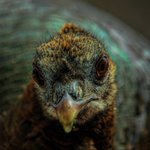
Wild turkey hens have feathers on the head and neck that serve many functions. Camouflage, protection, sensory abilities, unique appearance, and even communication. All from those bristle feathers! @wildturkeylab @NWTF_official

In the wild turkey world fall sees flocks form, and jakes will group together and often shadow hen flocks. Larger groups outcompete smaller groups for resources so there are benefits to group size. Anyone seeing flocks of jakes in your area? @wildturkeylab @NWTF_official

Wild turkeys are putting summer in the rear view mirror as fall begins. Fall is a season of change as flocks form, home ranges shift, social hierarchies get tested, and diet changes to begin storing fat. Anyone seeing wild turkey flocks? @wildturkeylab @NWTF_official

Grain crops are important to wild turkeys in many parts of their range. These grains offer carbohydrates, protein, and fats that sustain turkeys through fall and winter. Building fat reserves is key to entering spring in optimum condition! @wildturkeylab @NWTF_official

Wild turkeys perch above ground outside of roosting at night. Flying up to loaf, preen, or scan for danger during the day offers safety and an expanded field of view. Toms may even fly up to perch to scan for danger when coming to a call. Anyone had a tom do that? @wildturkeylab

Avian pox is the most common disease affecting wild turkeys. Spread by mosquitoes, the virus often causes scabby lesions to form on the head and legs. Many birds survive, but severe cases can cause mortality. Anyone seeing turkeys with pox lesions? @wildturkeylab

Wild turkeys require about a quart of water daily. In summer free water becomes more important, and turkeys will often visit water daily to drink and cool off. Their ways of beating the heat are not that different than ours! @wildturkeylab

Wild turkeys can “gobble” and go while feeding because food can be stored in the crop, before it ends up in the gizzard and stomach. Stones in the gizzard “chew” up harder items and allow the bird to digest food while continuing to feed. Efficiency! @wildturkeylab


Summer brood surveys allow state agencies to track trends in reproduction, hatching dates, and poult survival. These data, which are often collected by turkey hunters and the public, are also vital for predicting harvest. Anyone participating in brood surveys? @wildturkeylab

Preening is self maintenance wild turkeys do daily. By pulling feathers through their beaks and spreading oils from the uropygial gland across those feathers, the bird maintains the rigid structure of the feathers and keeps them waterproof. @wildturkeylab

Wild turkeys across the continent are molting - time to replace those worn feathers with new ones! Molting is energetically costly, so turkeys take months to finish the process and rely on high protein foods to help feather growth. @wildturkeylab


Wild turkey broods require quality low growing vegetation, but research has shown they also greatly use areas that offer cooler temperatures during extreme heat. Hardwoods, especially those along water, are important all year, but especially during summer! @wildturkeylab

Wild turkeys and deer likely have a form of symbiosis that benefits both species, as you often see them sharing feeding areas. Perhaps it’s predator detection, because a turkey’s eyesight and a deer’s nose are a potent combination! @wildturkeylab


Check out this unique turkey Glace shot in Mississippi, what are your thoughts on the origin of the odd plumage? Is it a wild turkey, a Heritage turkey, or something else? @wildturkeylab @wildturkeyDNA


Dust bathing is a common behavior for wild turkeys in summer. Lay down, kick the legs, flap the wings, and throw dirt all over the body. It’s a self maintenance behavior that turkeys also appear to really enjoy! Who doesn’t love playing in the dirt?! @wildturkeylab @NWTF_official
Wild turkeys aren’t water birds, but they are known to swim. Sometimes swimming occurs to cross waterbodies, to evade predators, and maybe even just to cool off! Has anyone seen a wild turkeys take a dip in the water? @wildturkeylab
Adopting poults isn’t common in wild turkeys, but does occur. When brooding hens are killed, sometimes the poults end up with other hens with broods, so you see single hens with poults of varying ages. Has anyone seen broods or brood flocks in your area? @wildturkeylab
